





 Portuguese
  English
  Spanish
  4 min of reading
  0 comments


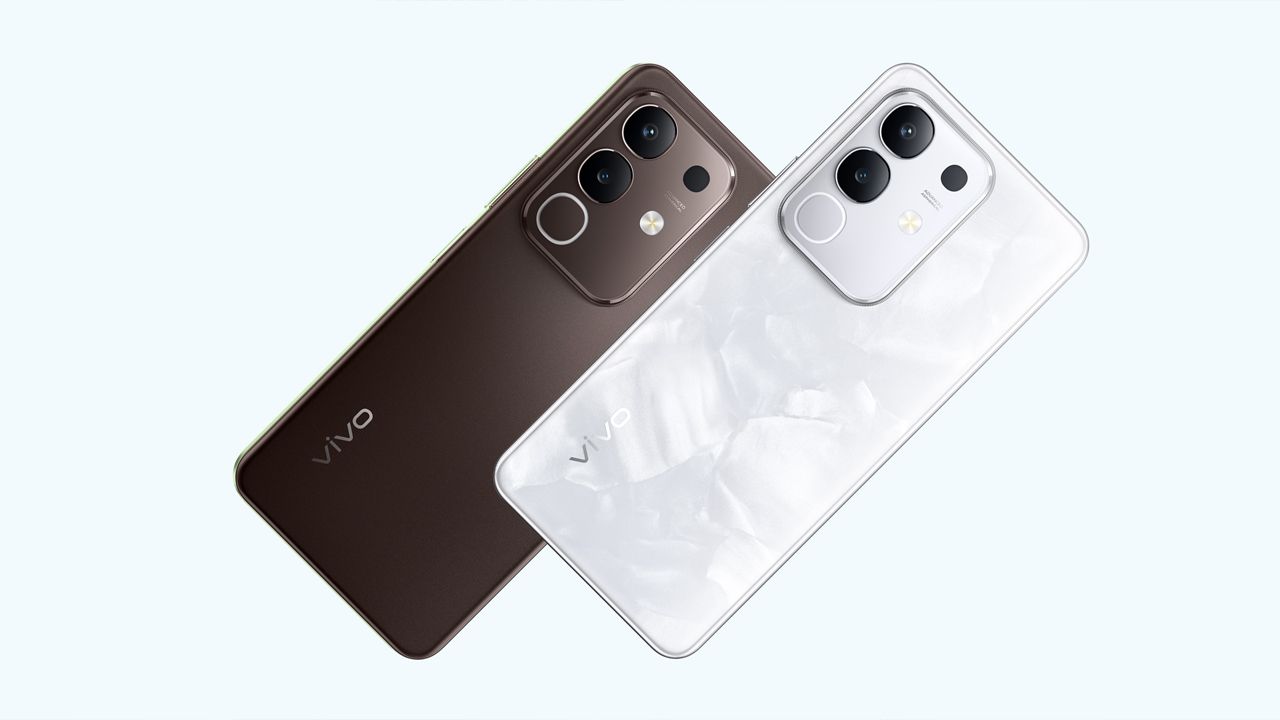
Models Like POCO X7 Pro, JOVI Y29, and Xiaomi Redmi Note 14 Pro Lead Among Chinese Smartphones in 2025 with Great Battery and Performance.
The Chinese smartphones are gaining more and more space in the Brazilian market in 2025. Brands like POCO, JOVI, and Xiaomi are drawing attention with smartphones that offer robust batteries, top-notch performance, and affordable prices.
According to analyses from specialized portals, models launched between 2024 and 2025, such as the POCO X7 Pro and the JOVI Y29, have led consumer interest by delivering high performance coupled with impressive autonomy, ideal for users who demand productivity and uninterrupted entertainment.
See the 4 Chinese Smartphones That Cost Less Than R$ 2,000 and Deliver Good Battery Life and Performance
POCO X7 Pro: Elite Performance and Ultra-Fast Charging
The POCO X7 Pro, launched in January 2025, enters the market as one of the major bets of Xiaomi’s line of Chinese smartphones.
-
After decades of failed attempts, Brazil is once again looking to space with an orbital rocket measuring 12 meters, weighing 12 tons, costing R$ 189 million, and scheduled for launch in 2026, in a new race to finally achieve autonomous access to orbit.

-
The Earth will plunge into a few minutes of darkness in broad daylight in August 2026, when a total solar eclipse transforms the sky into one of the most impressive astronomical phenomena in recent years.

-
How the terraforming of Mars can transform the planet: artificial aerosols can increase the temperature by up to 35°C in 15 years, creating conditions for liquid water.

-
Scientists drilled nearly 8,000 meters into the ocean floor above the fault that caused the 2011 tsunami in Japan and discovered that a layer of clay 130 million years old was responsible for making the wave much worse than any model had predicted.


Its main highlight is the 6,000 mAh battery, which provides up to 16 hours of video playback and 23 hours and 44 minutes of calls, according to tests by GSM Arena.
In addition to the battery, the ultra-fast charging of 90 W allows reaching 100% charge in just 44 minutes, an essential feature for those who need agility in their daily lives.
Powered by the MediaTek Dimensity 8400-Ultra processor, the POCO X7 Pro delivers high-level performance.
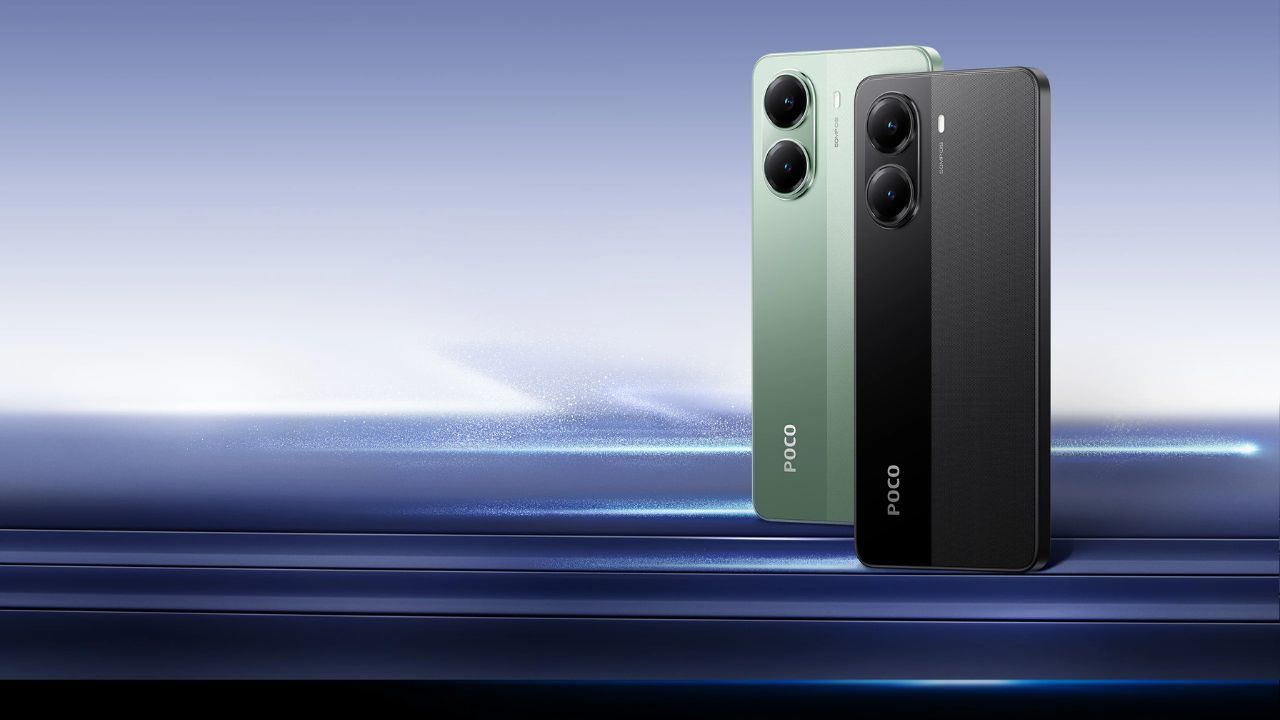
With a 4-nanometer lithography and speeds of up to 3.25 GHz, the chip ranks 10th among the most powerful in the world, according to the AnTuTu ranking.
Overall, the device scored 1,554,126 points on the platform.
Additionally, the 6.67-inch display with 1.5K resolution and a 120 Hz refresh rate provides a fluid visual experience, ideal for gaming and videos.
The main camera, with 50 MP, features optical stabilization (OIS) and artificial intelligence capabilities.
Starting at R$ 1,971.
JOVI Y29: The “King of Battery” Arrives in Brazil
The JOVI Y29, from the Chinese giant Vivo, was launched in Brazil in July 2025 with a focus on energy autonomy.
Its main attraction is the massive 6,500 mAh battery, which supports up to 73 hours of music, 40 hours of video, and 13 hours of continuous browsing.
This performance makes the model an excellent choice for those who spend long periods away from a power outlet or require intense use throughout the day.
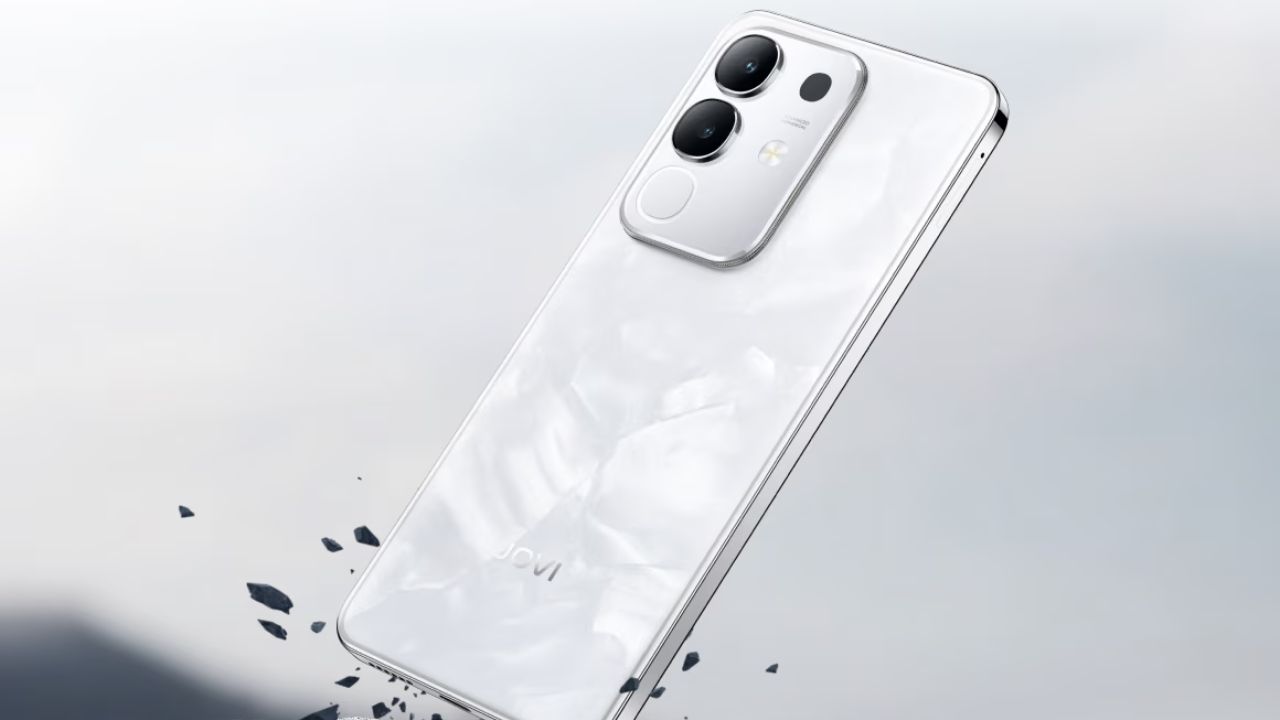
In terms of performance, the JOVI Y29 does not disappoint.
It features the Snapdragon 685 processor from Qualcomm, which reaches speeds of up to 2.8 GHz and is built with a 6-nanometer lithography, ensuring energy efficiency and smooth everyday tasks.
The model also has a 6.68-inch display, HD+ resolution, and a 120 Hz refresh rate, providing a good visual experience.
The device is available starting at R$ 1,899.
Xiaomi Redmi Note 14 Pro 5G: 200 MP Camera and Balanced Performance
The Xiaomi Redmi Note 14 Pro 5G is another major highlight among the Chinese smartphones of 2025. Also launched in January, the model stands out for its 5,110 mAh battery and fast charging of 45 W.
According to tests by GSM Arena, the device delivered over 31 hours of calls, 11 hours of video, 10 hours of browsing, and 7 hours and 48 minutes of gaming.
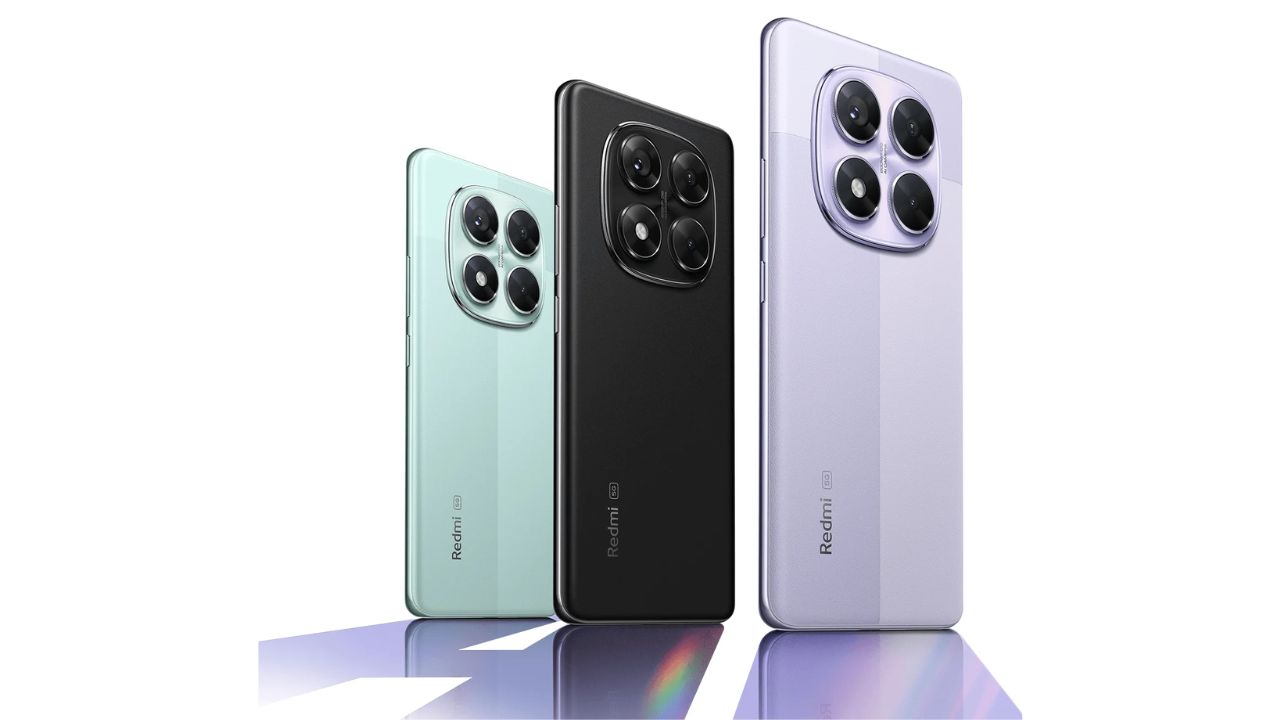
In terms of performance, it shares the same Dimensity 7300-Ultra processor present in the POCO X7.
With a score of 625,540 on AnTuTu, it slightly surpasses its rival. However, its true differential lies in the main camera with 200 MP, ideal for those who value high-resolution photography.
Starting at R$ 1,830.
POCO X7: Balance Between Price, Performance, and Autonomy
For those looking for good value for money, the POCO X7 is one of the most balanced options among the Chinese smartphones available in Brazil.
Equipped with a 5,110 mAh battery and supporting quick charging of 45 W, the model demonstrated excellent autonomy in tests: 29 hours of calls, 12 hours and 33 minutes of video, and 7 hours and 17 minutes of gaming.
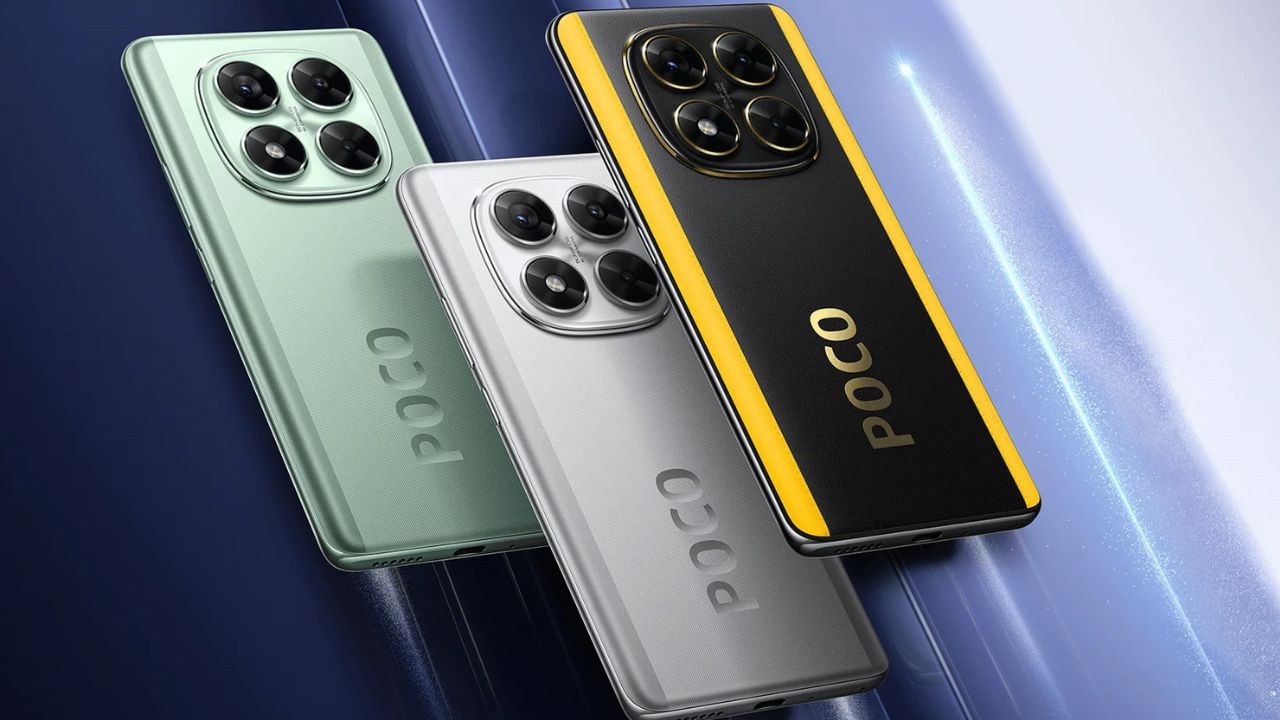
The device features the Dimensity 7300-Ultra chip, 4 nm lithography, and a clock speed of up to 2.5 GHz. Its performance is smooth in multitasking and mid-range gaming, according to GSM Arena reviews.
Available in versions with 8 GB or 12 GB of RAM, the POCO X7 allows temporary memory expansion to up to 24 GB through dynamic RAM, a useful feature for intensive app usage.
Starting at R$ 1,618.
Why Did Chinese Smartphones Win Over Brazilians in 2025?
The rise of Chinese smartphones in Brazil is due to a combination of factors: affordable prices, above-average energy autonomy, and powerful processors.
Models like POCO X7 Pro, JOVI Y29, and Redmi Note 14 Pro 5G deliver technical specifications of premium devices at significantly lower prices than Western competitors.
Additionally, the arrival of devices with modern processors, efficient lithography, and advanced cameras helped dispel the old notion that Chinese smartphones had inferior quality.
POCO, JOVI, and Xiaomi Redefine the Smartphone Market in Brazil
In 2025, brands like POCO, JOVI, and Xiaomi established Chinese smartphones as key players in the national market.
By betting on cutting-edge technology, long-lasting batteries, and competitive performance, these models are transforming the way Brazilians choose their smartphones.
Whether for gaming, productivity, or everyday use, Chinese smartphones offer a smart, powerful, and cost-effective alternative — a trend that is expected to continue growing in the coming years.
With information from TechTudo and GSM Arena.










-

-

-

-

-

-

27 pessoas reagiram a isso.