





 Portuguese
  English
  Spanish
  3 min of reading
  0 comments


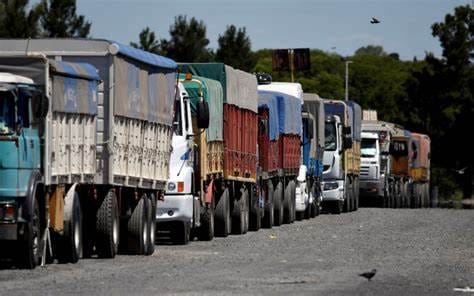
Road Transport Remains the Main Modal for Freight Transportation in the Country
Road freight transport is the main modal still used in Brazil, and the post-pandemic economic recovery has driven demand and the need for logistical efficiency. According to the Transport Panorama of the National Observatory of Transport and Logistics (ONTL) of Infra S.A., the country closed the year 2023 with an increase in freight movement compared to 2022, with a record 1.3 billion tons moved during the year. Over 100 million tons were transported by the country’s highways. The road transport of soy, corn, and bran, focusing on foreign trade, saw an increase of 35.7% compared to 2022.
The market continues to grow, but the country’s territorial extension and geographical diversity hinder access to some regions, leading to many roads lacking good infrastructure, which can result in precarious conditions for freight transport and accidents. According to the National Transport Confederation, more than half of Brazilian highways are in regular, poor, or terrible condition.
In addition to the challenges related to the country’s territorial extension and infrastructure, cargo theft is another serious problem. According to data from the “Cargo Theft Report,” prepared by Overhaul’s Intelligence Center, the country registered over 18,000 cargo theft events between January and December 2023 and is expected to grow even more in 2024.
-
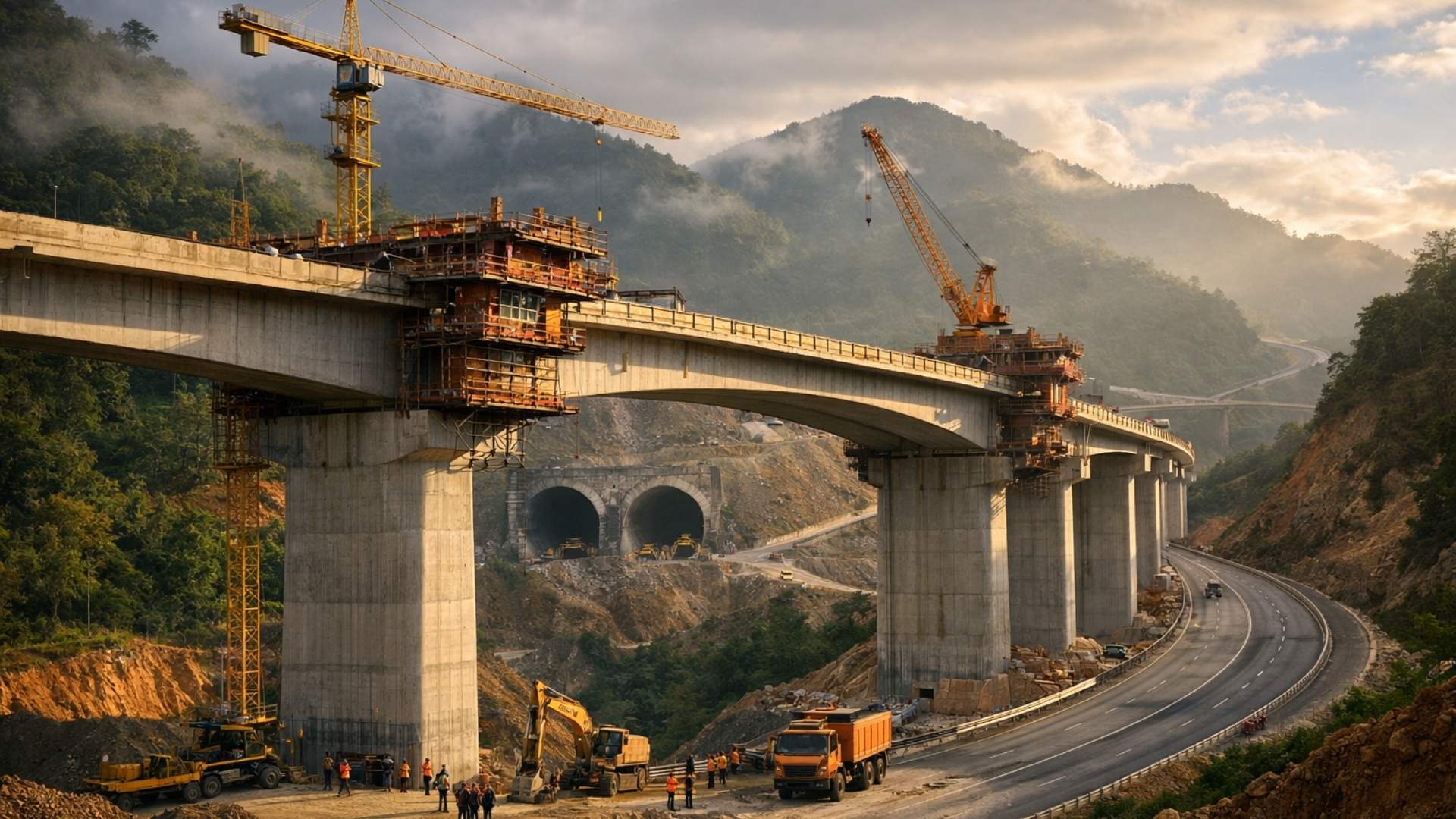
The government puts R$ 8.6 billion on the table to change the highway (BR) with 50 overpasses, 28 bridges, 4 tunnels, and 40 km of bike lanes in 180 km of historic duplication.
-
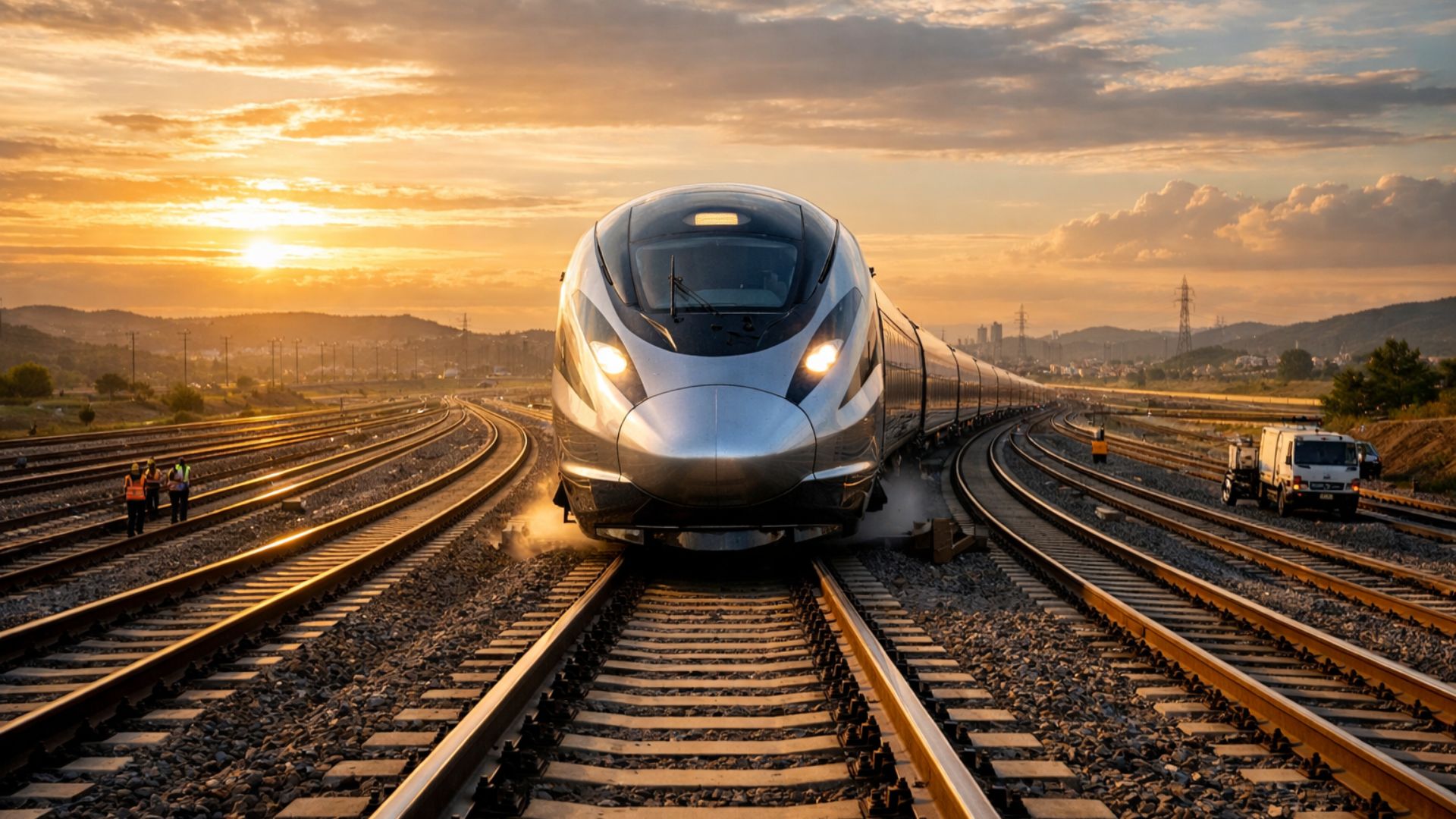
São Paulo surprises the world with a colossal railway network project that promises over 1,000 km of tracks, R$ 194 billion in investments, and 40 projects connecting the capital to the interior with fast and sustainable trains.
-
The world’s largest escalator, measuring 905 meters in China, reduces urban travel time from 1 hour to about 20 minutes and transforms mobility in mountainous regions with an engineering solution adapted to the terrain.

-
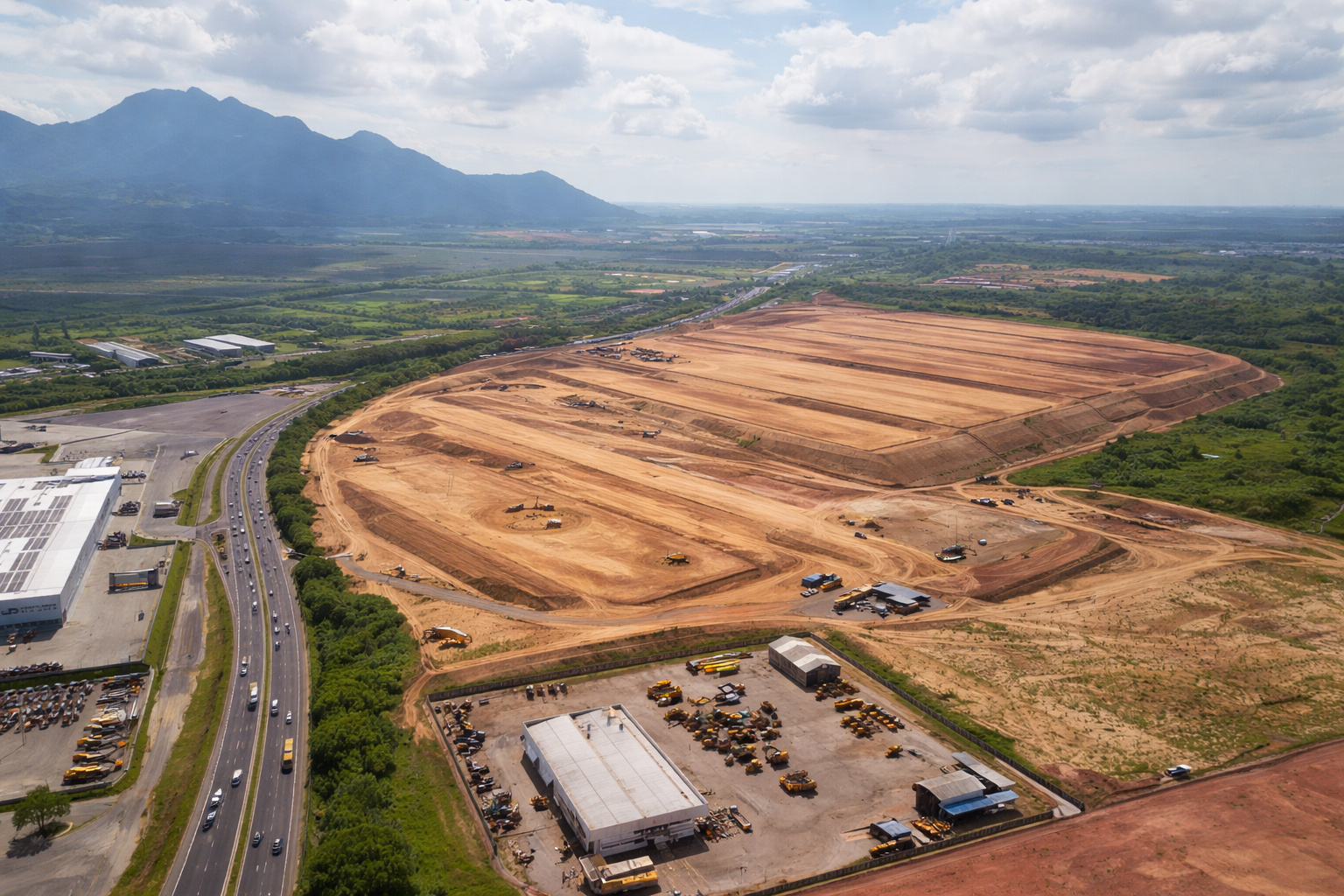
A R$ 300 million logistics giant is taking shape in Serra with over 100,000 m² and raises a question: how can this transform e-commerce and distribution in the state?
“Road transport remains the main modal for freight transport, and with that, the infrastructure still faces challenges of maintenance and security. Given this scenario and the economic recovery with the warming of the logistics sector, we can expect an increase in the number of cargo thefts in 2024,” reveals Overhaul’s Intelligence Manager, Reginaldo Catarino.
To face these challenges and improve the efficiency of road freight transport, the risk management specialist presents four fundamental strategies.
- Real-Time Location
One of the most valuable tools for improving the security and efficiency of land freight transport is the implementation of real-time location systems. These systems allow companies to monitor the location and status of their vehicles and cargo at any time. “By using GPS and advanced communication technologies, companies can quickly detect and respond to any anomalies or incidents, such as unauthorized deviations or prolonged stops,” explains Reginaldo.
- Collaboration and Coordination of Interactions
The specialist explains that it is very important to promote collaboration and coordination among the different sectors and actors throughout the transport chain, including companies, government authorities, and law enforcement services. “This can involve sharing information about safe routes, implementing coordinated security measures, and developing joint emergency response protocols. Collaborative interactions are essential to strengthen the security and resilience of supply chains.”
- Training and Awareness of Personnel
The human factor plays a crucial role in the security and efficiency of land freight transport. Therefore, it is essential to provide appropriate training and raise awareness among drivers, logistics operators, and security personnel regarding the risks associated with cargo transport, as well as best practices for preventing thefts and other incidents. This includes training in defensive driving techniques, security procedures, and emergency management.
- Advanced Security Technologies
In addition to real-time location systems, transport companies adopt advanced security technologies to protect cargo and mitigate the risks associated with land freight transport. These technologies may include video surveillance systems, intrusion sensors, electronic locks and seals, and remote alarm devices. By combining these technologies with a robust risk management strategy, companies can significantly enhance the security of their road freight transport operations.
“Improving road freight transport in Brazil requires a comprehensive approach that combines technology, collaboration among agencies, worker training, and the use of advanced security technologies. By effectively implementing these strategies, companies can reinforce the security, efficiency, and resilience of their supply chains, thereby contributing to the country’s economic growth and sustainable development,” says Catarino.








Seja o primeiro a reagir!