





 Portuguese
  English
  Spanish
  3 min of reading
  0 comments


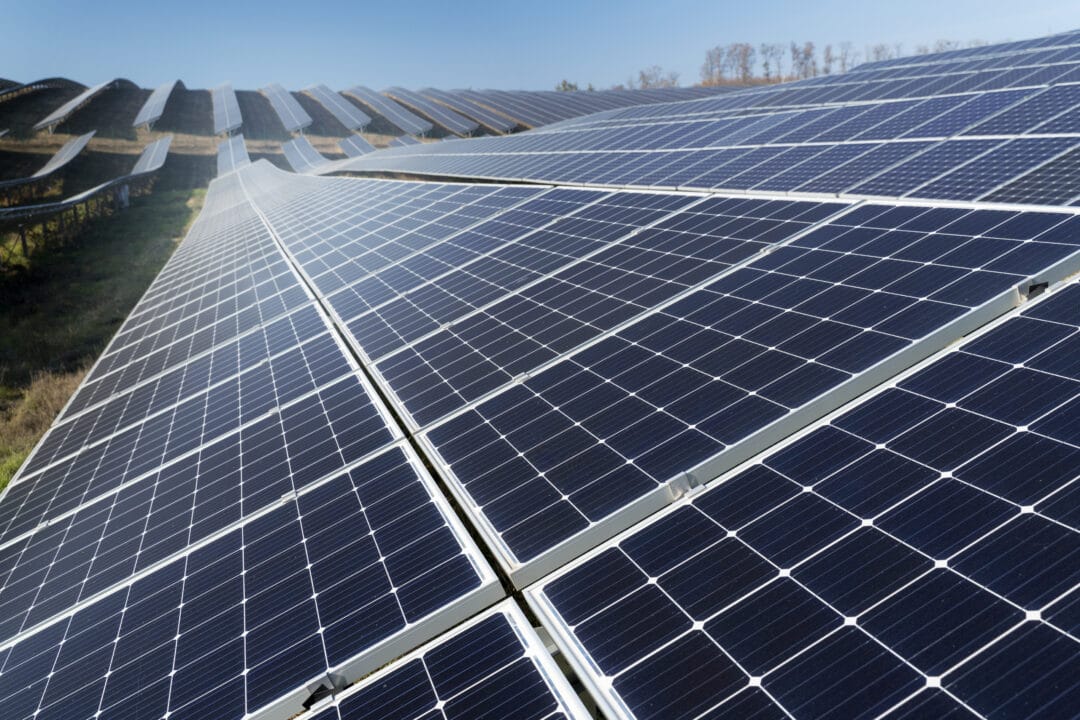
Possible 40% Drop in Solar Panels May Arrive as Early as 2024 and Investment in Solar Energy May Become More Viable for Consumers Nationwide.
The use of solar energy is gaining traction as a growing trend in Brazil. According to data from the franchisor Portal Solar, there are indications of a significant reduction of around 40% in the average prices of solar panels throughout this year. This makes investment in this segment even more attractive, with the possibility of a quicker return.
Investment of R$ 15 Thousand Can Be Recovered in About 3 Years
With over 20 thousand solar panel systems installed, the franchisor emphasizes that this drop in prices makes solar energy even more attractive for consumers, even in light of the new billing rules for network usage in distributed generation.
The main driver of this price reduction for solar panels is identified as the increase in Chinese production capacity, which is currently responsible for about 90% of the solar panels in the market.
-
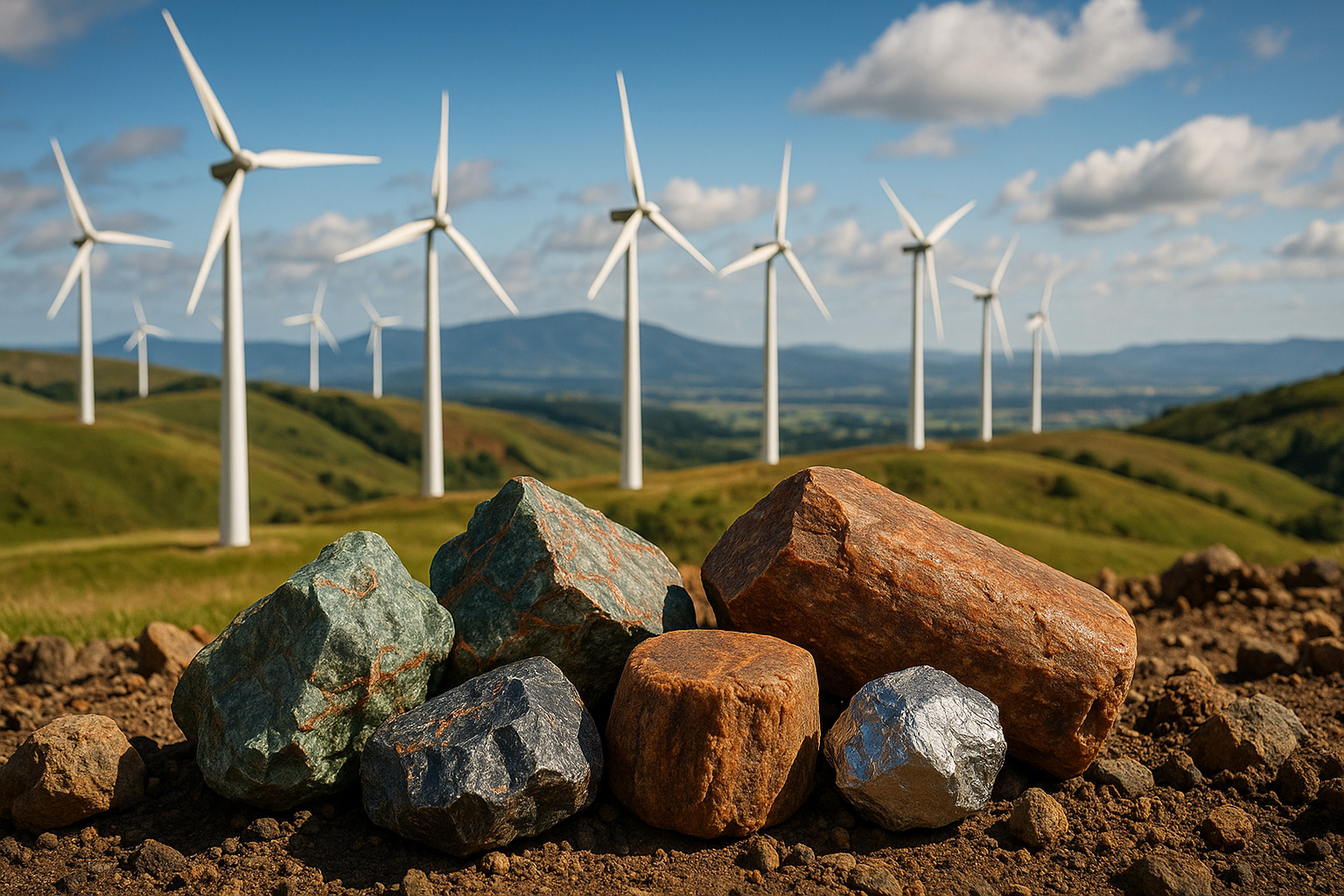
The Brazilian state accelerates industrial competitiveness with a focus on the extraction of strategic minerals to boost the energy transition in Goiás.
-
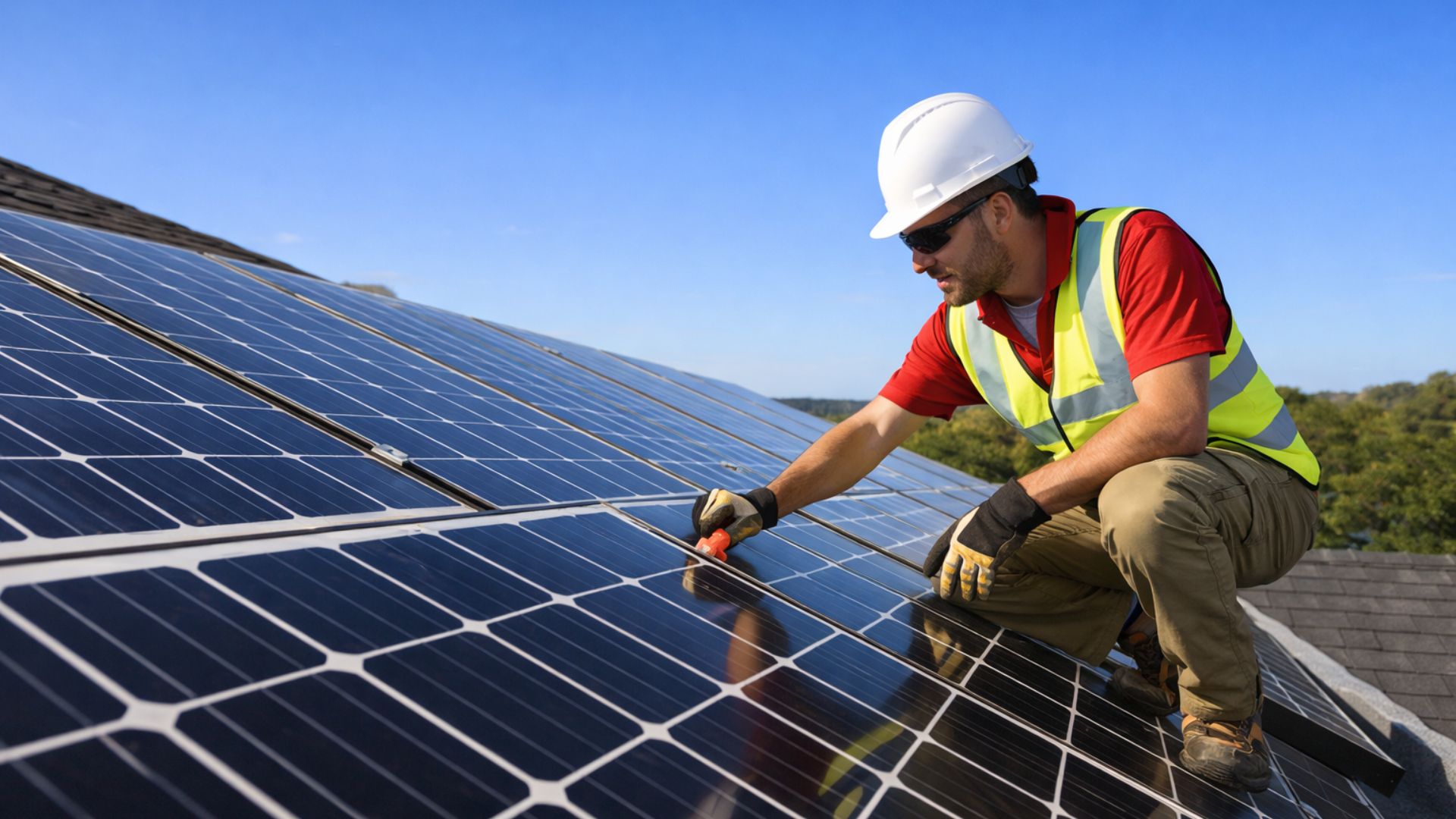
Seagri’s headquarters invests in solar energy with Neoenergia Coelba and promises to cut electricity costs, highlighting a strategic advance in sustainability and energy efficiency within state public administration.
-
A Canadian retiree creates a hydroelectric system on a real river, generating energy continuously throughout the day and demonstrating how the power of water can supply a house with stability even in a simple structure.

-
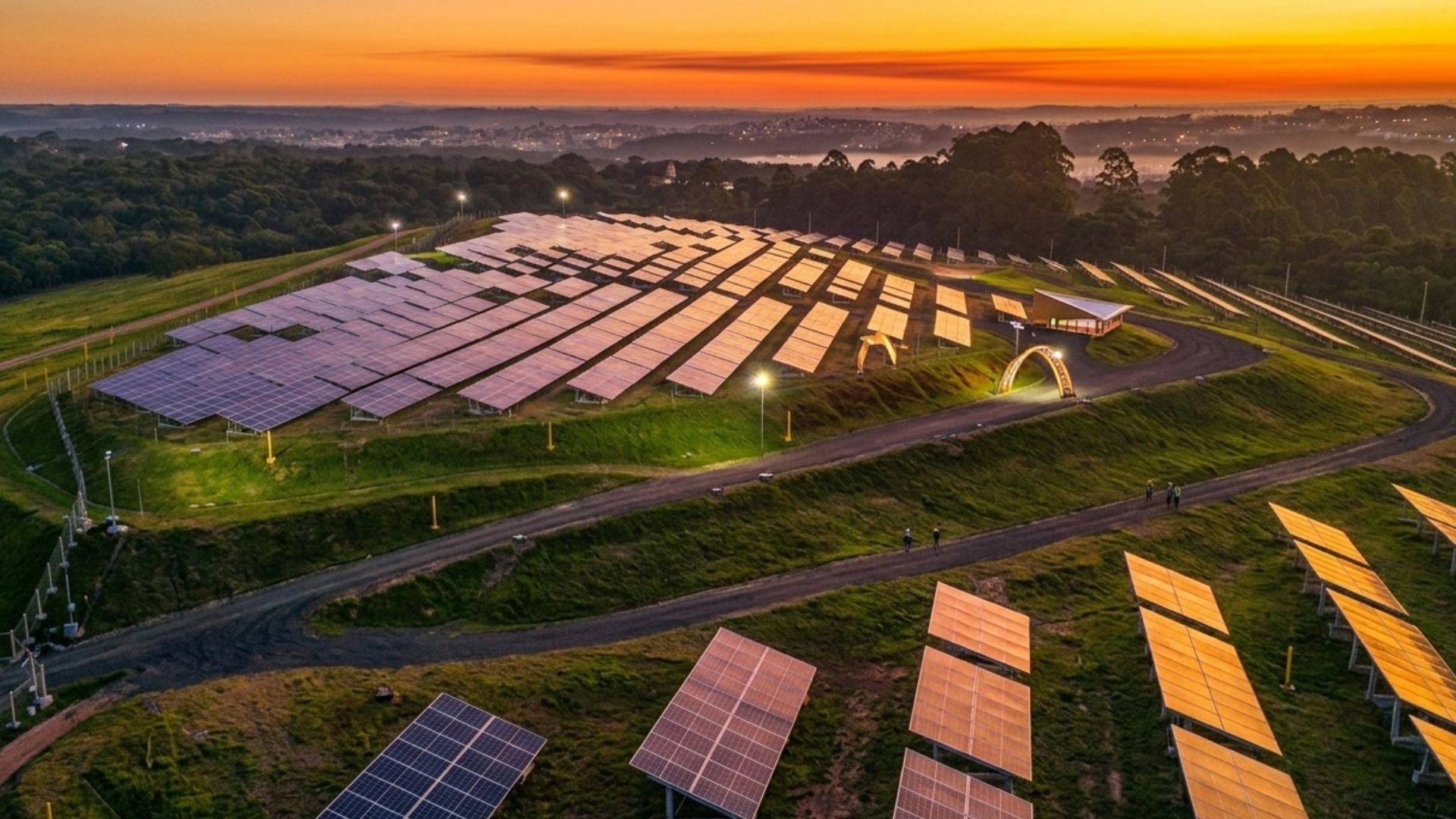
Solar Pyramid draws attention by converting solar energy into million-dollar savings and repositioning the City Hall of Curitiba as an example of innovation, sustainability, and intelligent use of public resources.

The CEO of Portal Solar, Rodolfo Meyer, highlights that the global scale gain in production, combined with the increase in panel efficiency, not only neutralizes the implications of the new regulations in Brazil but also intensifies the attractiveness and advantages of solar energy for consumers.
The executive predicts that China’s production capacity will be sufficient to meet global demand annually until 2032, with expectations that the prices of solar panels from China will reach historically low levels, nearing US$ 0.10 Wp.
Simulations conducted by Portal Solar showed that, on average, a household in Brazil spends about R$ 500 per month on electricity bills. With the installation of solar energy on the roof estimated at around R$ 15 thousand, the expectation is for a return on investment in approximately 40 months, equivalent to just over 3 years.
Solar Energy Receives Billion-Dollar Investment in 2023
In the 2023 landscape, installations of own solar energy generation reached 7 GW of added capacity, resulting in more than R$ 36 billion in private investments linked to consumers’ photovoltaic connections. The significant growth is tied not only to the reduction in solar panel prices but also to the context of heat waves and higher electricity tariffs in the country.
According to Portal Solar, since 2012, Brazil has accumulated over 25 GW of capacity in solar energy on rooftops, facades, and small properties, highlighting the consistent rise of solar energy in Brazil. This scenario reveals the positive response of the national market to environmental and economic conditions, solidifying the position of solar energy as an important source in the national energy matrix.
Use of Solar Energy Grows by 40%
In 2023, distributed generation of solar energy increased by 40%, with over 625 thousand systems connected to the grid, totaling a capacity of 7.4 GW. With this increase, the country reached an installed capacity of 25.8 GW, according to the National Electric Energy Agency (Aneel). In addition, more than 837 thousand consumer units began to use the benefits of surpluses and credits generated by solar energy.
With the investment in solar energy generation systems, Brazil is getting closer to achieving energy independence and reducing its reliance on non-renewable sources.
The result of the last year was the second largest annual quantity ever recorded by the monitoring panel available on Aneel’s portal. This significant milestone demonstrates the exponential growth of photovoltaics in Brazil, reinforcing its position as an emerging renewable energy source.










Seja o primeiro a reagir!