





 Portuguese
  English
  Spanish
 4 min of reading
  0 comments


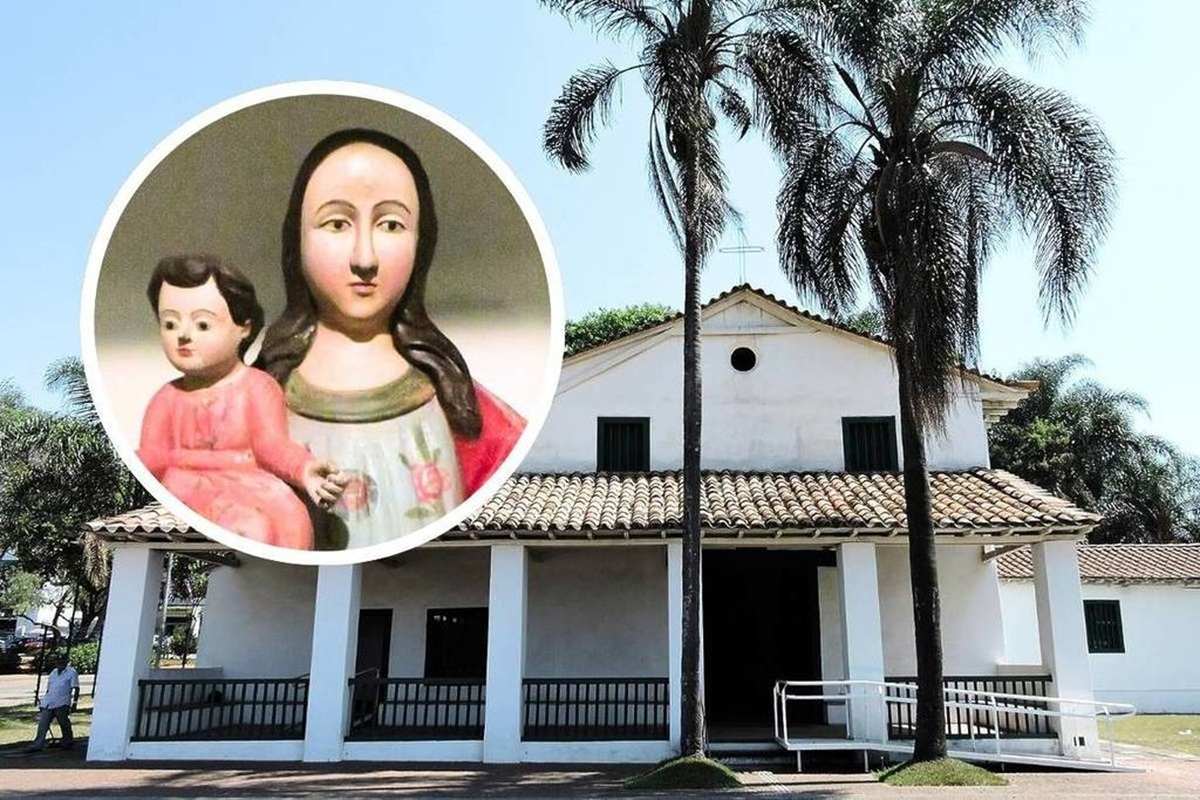
Few Paulistanos Know, But the Eastern Zone Hides a Treasure That Has Crossed More Than Four Centuries Without Losing Its Essence. The Chapel of Saint Michael the Archangel, Also Known as the Chapel of the Indians, Is Not Just the Oldest Temple in the Capital of São Paulo: It Keeps the Memory of Colonization, the Work of Jesuit Missionaries, and the Marked Presence of the Indigenous Peoples Who Participated in Its Construction
Few People Know, But in the Eastern Zone of São Paulo, There Is a Structure That Has Crossed More Than Four Centuries of History. The Chapel of Saint Michael the Archangel, Also Known as the Chapel of the Indians, Has Stood Since 1622 as the Oldest Church in the City. More Than a Space for Faith, It Holds Marks of Colonization, Indigenous Culture, and a Process of Miscegenation That Helped Shape São Paulo.
From Jesuit Origins to the Reconstruction of 1622
The First Chapel Emerged in 1560, Built by the Jesuits Under the Leadership of Father José de Anchieta. The Goal Was to Catechize the Guaianazes Indigenous People Who Lived Along the Banks of the Tietê River. Initially, the Structure Used Bamboo and Rammed Earth. Over Time, the Building Fell Down.
It Was Then, in 1622, That a New Chapel Was Born, Made of Rammed Earth, More Resistant and Durable. This Is the Same Structure That Has Endured Through Centuries and Can Still Be Visited Today.
-
Friends have been building a small “town” for 30 years to grow old together, with compact houses, a common area, nature surrounding it, and a collective life project designed for friendship, coexistence, and simplicity.

-
This small town in Germany created its own currency 24 years ago, today it circulates millions per year, is accepted in over 300 stores, and the German government allowed all of this to happen under one condition.

-
Curitiba is shrinking and is expected to lose 97,000 residents by 2050, while inland cities in Paraná such as Sarandi, Araucária, and Toledo are experiencing accelerated growth that is changing the entire state’s map.

-
Tourists were poisoned on Everest in a million-dollar fraud scheme involving helicopters that diverted over $19 million and shocked international authorities.


The Reconstruction Only Became Possible Thanks to the Joint Work of Europeans and Indigenous People. Therefore, the Chapel Received the Nickname of “Chapel of the Indians.” There, European Elements and Indigenous References Mixed in Sacred Images and Paintings That Celebrate Nature.
Faith, Culture, and Devotion in São Miguel Paulista
The Temple Is Located in the Current Praça Padre Aleixo Monteiro Mafra, Commonly Known as Praça do Forró, in São Miguel Paulista. The Region Grew Around the Chapel and Inherited Part of the Cultural Identity That Shapes It to This Day.
The Devotion to Saint Michael the Archangel Was Also an Important Link Between Priests and IndigenousandOthers. The Warrior Archangel, Protector, and Just, Was Accepted by the Guaianaz People as a Symbol of Struggle and Defense. This Identification Strengthened the Connection Between Missionaries and Natives.
Treasure Listed by Historical Heritage
About 80 Years Ago, the Chapel of Saint Michael the Archangel Was One of the First Properties to Be Listed by Iphan (Institute of National Historical and Artistic Heritage). This Protection Ensured Renovations and Care That Kept the Essence of the Place Preserved.
Diverse Elements Endure Through Time: the Original Baptismal Font, the Sacristy Floor, the Windows, the Sculptures, and Several Colonial Paintings. Each Detail Is a Living Portrait of the 17th Century in the Heart of São Paulo.
The Great Restoration of the 21st Century
Between 2006 and 2010, the Chapel Underwent an Important Restoration Promoted by the Diocese of São Miguel Paulista in Partnership with the Beato José de Anchieta Cultural Association.
The Work Not Only Revitalized the Architecture but Also Revealed Ornaments That Were Previously Hidden or Deteriorated.
Among the Discoveries, the Mural Paintings in Rammed Earth Stand Out, Found Behind the Side Altars of the Main Nave. These Works Became Unique Examples of Jesuit and Colonial Art in the State, Preserved in Rare Condition.
Museum and Collections of Centuries
Attached to the Chapel Is a Museum That Enhances the Visitor Experience. There, Visitors Find Images of Saints with Centuries of History, Fragments of Original Tiles, Pieces of Bricks, and Walls Made of Rammed Earth.
The Museum Reinforces the Cultural and Historical Character of the Temple. Besides Being a Place of Faith, the Chapel Also Functions as a Bridge Between Past and Present, Showing How São Paulo Was Born from the Meeting of Different Peoples.
How to Visit
The Chapel of Saint Michael the Archangel Offers Guided Tours, Which Must Be Scheduled in Advance with the Diocese of São Miguel, via Email catedralsaomiguelarcanjo@hotmail.com.
Masses Take Place on Thursdays and Saturdays, Always at 6 PM. For Those Who Want to Dive Even Deeper Into the Experience, It Is Possible to Attend the Liturgy and Then Tour the Museum.
The Tour Is Not Only Religious but Also Educational. With Each Detail, the Visitor Gains a Little More Understanding of the Origins of the Country’s Largest Metropolis.
The Chapel of Saint Michael the Archangel Is a Living Piece of the 17th Century That Survives Amid the Fast-Paced Rhythm of the Eastern Zone. It Is, at the Same Time, a Temple of Faith, an Art Museum, and a Historical Document.
Many Who Pass Through São Paulo Often Are Unaware of Its Existence. But Those Who Enter Through Its Doors Find a Space That Preserves Indigenous Roots, Jesuit Legacy, and the Memory of the City.
A Heritage That Endures and Invites Each Visitor to Go Back in Time and Understand Better Where We Came From.










Seja o primeiro a reagir!