





 Portuguese
  English
  Spanish
  3 min of reading
  0 comments


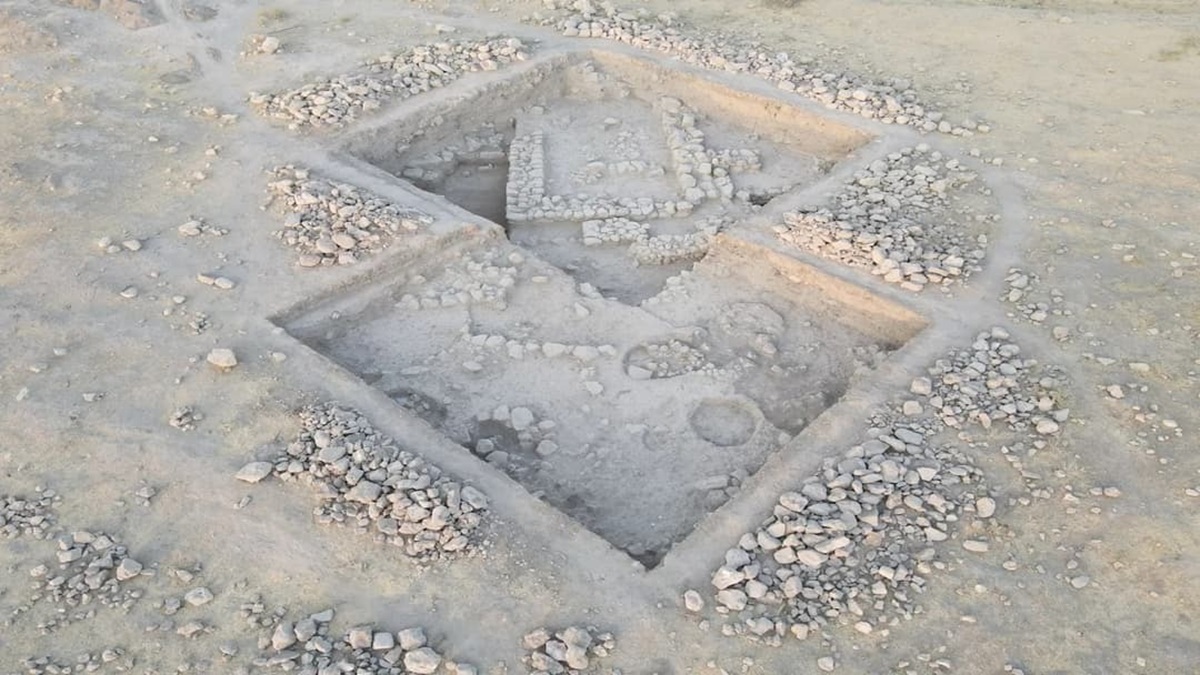
Archeologists From the University of Coimbra and Cambridge Discovered in Iraq a Monumental Building Dating Back 5,000 Years That May Reveal a Political and Administrative Connection Between Kani Shaie and the Legendary City of Uruk
During the 2025 excavation campaign, researchers in Iraq discovered a monumental building that may transform the understanding of Uruk and its relationship with neighboring regions. The University of Coimbra announced that the archaeological site of Kani Shaie is the most significant east of the Tigris River for understanding the sequence of human occupation from the beginning of the Bronze Age to the 3rd millennium B.C.
The excavations revealed an impressive monument dating back to the earliest cities on Earth. Although the archeologists have found artifacts suggesting administrative functions, there is still no official confirmation of this hypothesis.
Nevertheless, everything indicates that the site had significant political relevance. According to researchers, Kani Shaie was “a key player in the formation of cultural and political networks.”
-
While the world looks at oil, the war with Iran is already disrupting helium supply from Qatar, affecting car and iPhone chips, threatening AI expansion, and putting pressure on aluminum packaging at the highest value in four years.

-
Global warming will expose a treasure hidden under the ice of Antarctica and may spark an international dispute over gold and valuable minerals.

-
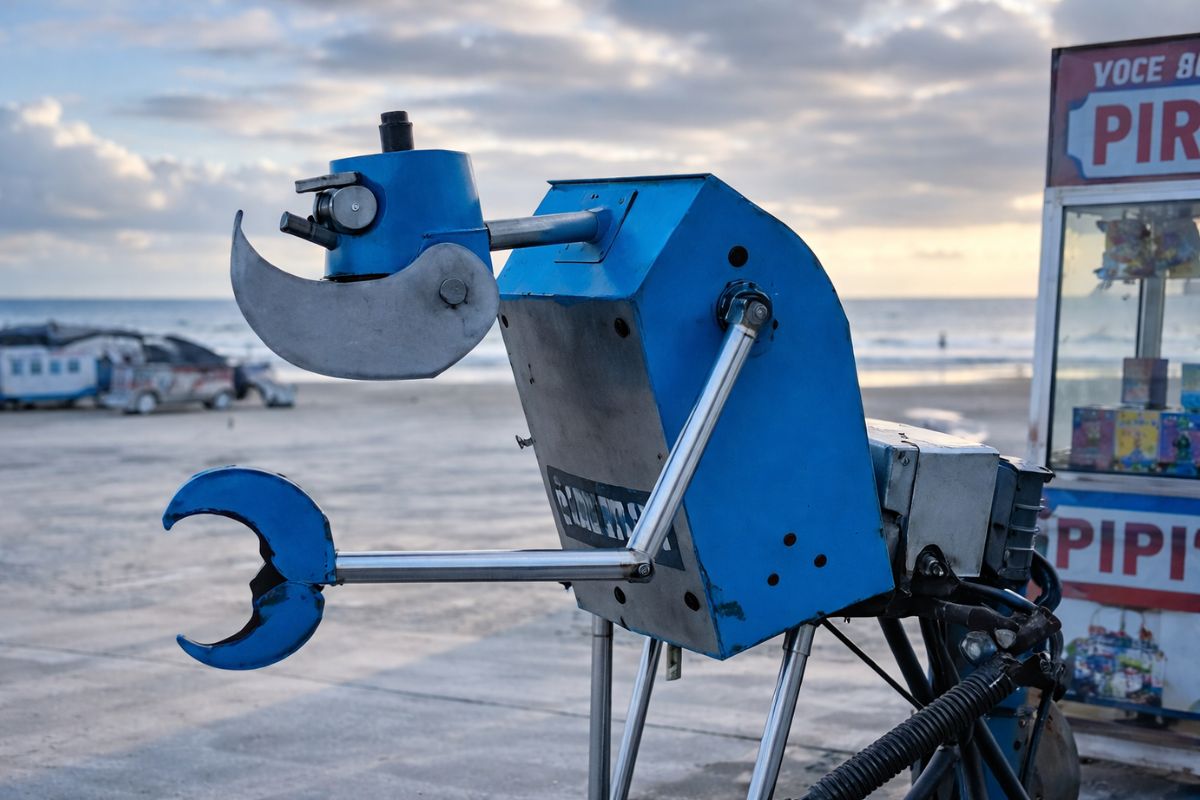
A street vendor from Praia Grande built a robot made of scrap from scooters and washing machines that pulls his popcorn cart on the beach, emits sounds, and interacts with customers, becoming an attraction on the coast of São Paulo.
-
The specifications of the Xiaomi 18 Pro Max have been leaked, and the highlight is a dual 200 MP camera with a new 22-nanometer technology that promises to consume less energy and capture details in shadows and bright areas using LOFIC HDR.


New Political Center Near Uruk
Located nearly 480 kilometers north of Uruk, Kani Shaie would require more than two weeks of travel on foot from the legendary city, as pointed out by Live Science. Despite the distance, the new discoveries suggest that the settlement was part of a larger network that extended throughout Mesopotamia.
Researchers from the University of Coimbra and the University of Cambridge unearthed the 5,000-year-old building and believe that, due to its size, it could only have had a political nature, possibly a temple. The excavations also revealed objects that reinforce this hypothesis.
Among the items discovered is “a fragment of a gold pendant,” reflecting the presence of wealth and access to precious metals in a community considered peripheral.
Another find was a cylinder seal from the Uruk period, an artifact associated with administrative practices and the legitimization of power.
The Jerusalem Post reported that these seals also indicate the existence of some form of authority. Although scientific confirmation of the building’s function has not been completed, the evidence reinforces the interpretation that it was an official structure.
The researchers also identified wall cones, decorative elements typical of monumental architecture, common in Uruk.
Visual and Symbolic Connection to Uruk
According to Live Science, the flat parts of the building’s stones were painted to create the illusion of a mosaic with geometric patterns, such as triangles and zigzags. This artistic resource suggests direct links to the architectural style of ancient Uruk.
The city of Uruk, which housed around 80,000 inhabitants, had planned administrative and residential districts, indicating an advanced political and urban system. The discovery at Kani Shaie strengthens the hypothesis that Uruk’s power extended beyond its immediate borders, revealing a broader political network than previously believed.
Redefining the Cradle of Civilization
Excavations at Kani Shaie began in 2013 and revealed traces of human occupation dating back to around 6,500 B.C., according to Archaeology News.
Recent discoveries suggest that the connections between early Mesopotamian communities were stronger than researchers had imagined.
The new 5,000-year-old building now becomes a central piece in the reinterpretation of the history of the world’s first cities and may redefine the understanding of the true political reach of ancient Uruk.








-

2 pessoas reagiram a isso.