





 Portuguese
  English
  Spanish
  5 min of reading
  0 comments


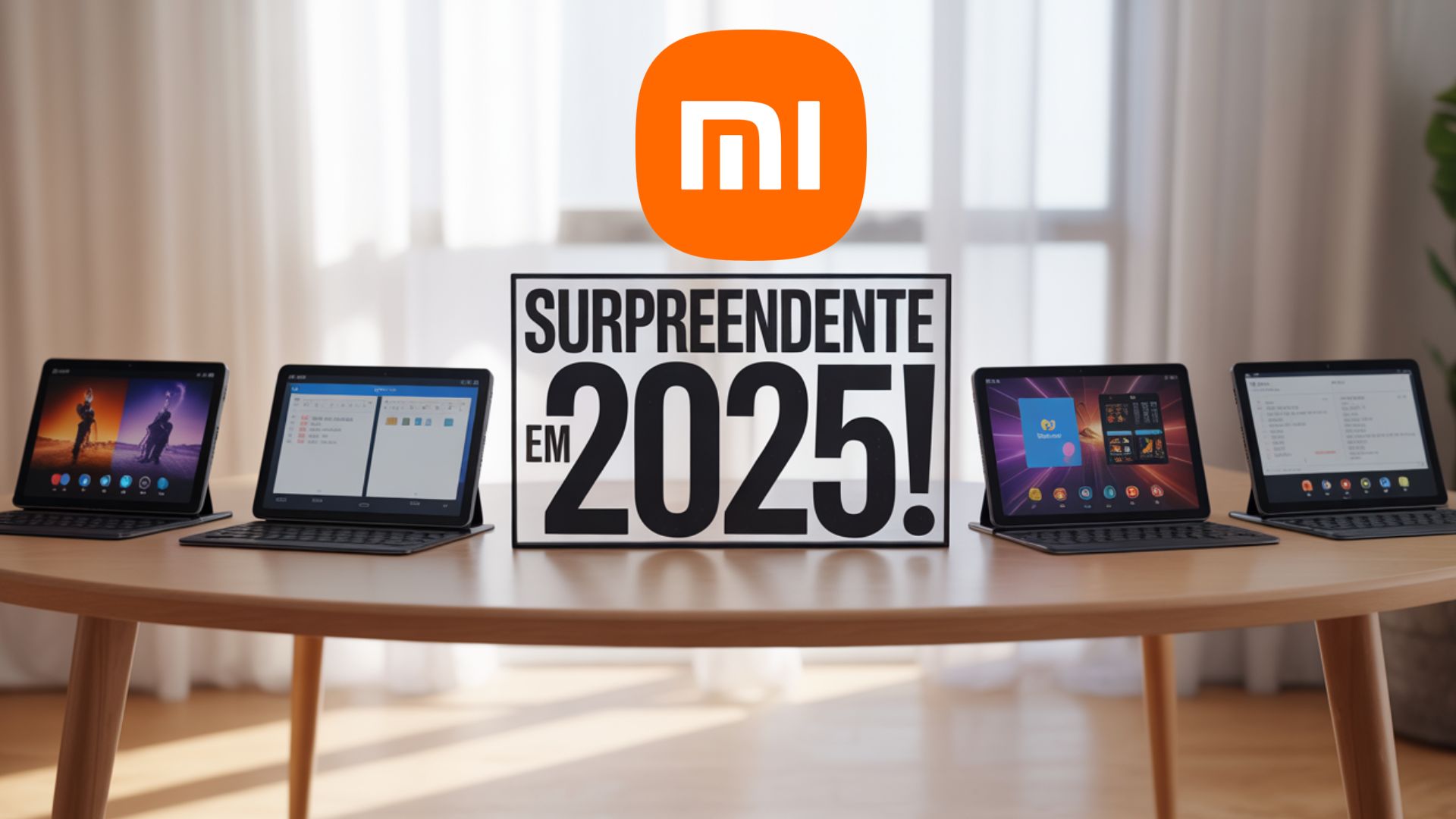
Check Out Five Highlighted Xiaomi Tablets in 2025 and See the Key Features and Differentiators That Can Make a Difference in Choosing Your Next Device.
The Brazilian tablet market continues to thrive in 2025, driven by demands for study, remote work, entertainment, and gaming.
In this scenario, Xiaomi is establishing itself as one of the most sought-after manufacturers, offering a varied line of devices that cater to different user profiles.
From entry-level models to advanced equipment, the Chinese brand has invested in high-performance resources, energy efficiency, and technological differentiators that aim to add value to the daily lives of those who rely on these devices for productivity or leisure.
-
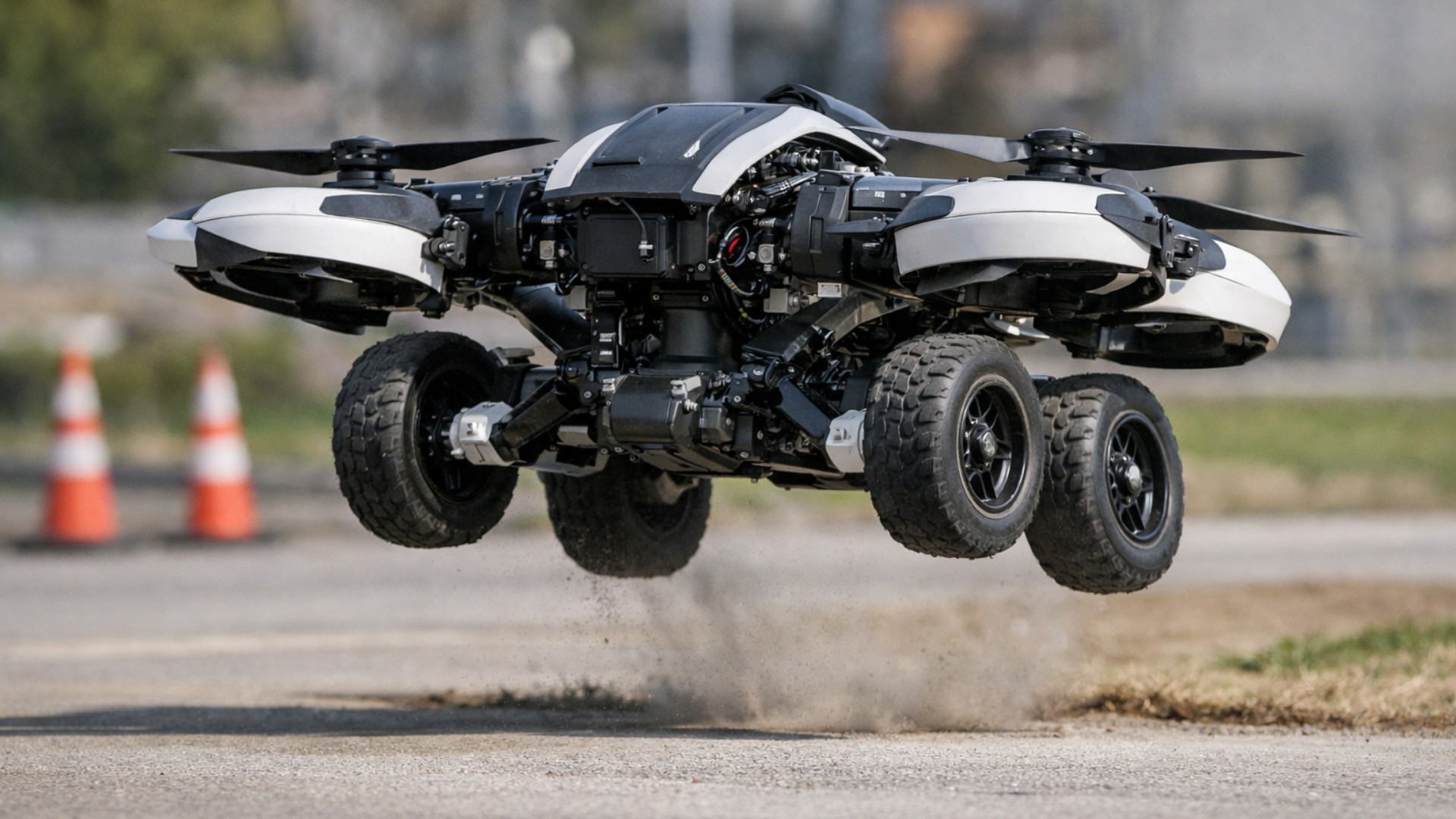
Researchers in the U.S. have created a flying robot that transforms into a land vehicle while still in the air. The technology, based on aerodynamic transition, converts landing into a scene worthy of Transformers and redefines mobility between sky and ground.
-
Spread across two continents, with 197 parabolic antennas in South Africa, 131,000 2-meter antennas in Australia, and a range of up to 150 km, the SKA begins to “listen” to the Universe on an unprecedented scale and accelerates the search for black holes, primitive galaxies, and nearly invisible radio signals.

-
Goodbye batteries: a new sensor created by Japanese scientists uses sweat as an energy source and points to a promising path for more sustainable devices, with greater autonomy and less need for frequent recharging.

-
The Brazilian Army inaugurated the assembly line for the Guaicurus armored vehicle with a contract for 420 units by 2033, and the same vehicle has already been tested in combat in Afghanistan and Lebanon by European armies.


The diversity of Xiaomi models can, however, create doubts for those looking to choose a new tablet.
The advancement of technical specifications in recent years has increased competition in the segment, and for those looking for a device in 2025, it’s essential to analyze the balance between price, performance, and software updates, especially given the ever-increasing lifespan of these devices.
To help consumers better understand the differences between the main options, this text gathers five Xiaomi tablets that stand out this year, addressing the technical characteristics and advantages that make each model relevant according to the type of user.
Xiaomi Pad 6: Premium Performance and Productivity
The Xiaomi Pad 6 is one of the brand’s main launches, aimed at users who demand high productivity, superior graphics capabilities, and long battery life.
The model features a Snapdragon 870 processor, 7-nanometer manufacturing technology, and eight cores capable of reaching up to 3.2 GHz.
This chipset is among the most powerful in mid-range to premium tablets, favoring the simultaneous execution of multiple applications, document editing, heavy browsing, and even virtual meeting use.
The 11-inch display has a WQHD+ resolution (2,880 x 1,800 pixels) and a variable refresh rate of up to 144 Hz.
This ensures smooth scrolling, gaming, video playback, and reading, along with support for Dolby Vision and HDR10 technologies, which enhance contrast and color fidelity.
The model also features four stereo speakers, enhancing the immersive experience across different media.
The 8,840 mAh battery can last up to a full day of intensive use, and the 33 W fast charging reduces the time plugged in to approximately 99 minutes.
The tablet arrives in Brazil compatible with Android 15 and HyperOS 2.0, an operating system developed by Xiaomi, and can typically be found in online stores for around R$ 4,900.
The support for a touch pen and magnetic keyboard is a differentiator for students, professionals, and content creators.
Redmi Pad SE 2024: Cost-Effectiveness for Everyday Tasks
The Redmi line offers more affordable options, such as the Redmi Pad SE 2024, ideal for those seeking a tablet for daily tasks.
The device is equipped with a 8.7-inch screen, 1,340 x 800 pixels resolution, and a 90 Hz refresh rate, specifications that allow for browsing, reading text, video conferences, and streaming without major difficulties.
The maximum brightness reaches 600 nits, facilitating use in well-lit environments.
Audio is a highlight for the basic segment: two speakers with Dolby Atmos support deliver clearer and more powerful sound than direct competitors.
The 6,650 mAh battery allows for up to 34 hours of reading or more than 25 hours of continuous video, according to the manufacturer’s data.
The 18 W charging ensures practicality, completing a full charge in approximately two hours.
The Redmi Pad SE can already be updated to Android 15 and the HyperOS interface 2.0, providing more longevity and software security.
Its performance is sufficient for simple activities like web browsing, video calls, and consumption of educational content, making the model highly sought after by students and families looking for a secondary device for shared use.
POCO Pad: Tablet for Gaming and Multimedia Features
Focused on gamers and those who value multimedia features, the POCO Pad integrates Xiaomi’s portfolio with robust hardware for its category.
Launched in 2024, the model comes with a Snapdragon 7s Gen 2 processor, 8 GB of RAM, and 256 GB of internal storage.
These specifications ensure high performance for running games with advanced graphics, video editing, and image manipulation.
The 12.1-inch display offers 2.5K resolution (2,560 x 1,600 pixels) and a 120 Hz refresh rate, providing fluidity in fast-moving scenes and sharper images.
The sound is enhanced by four speakers with Dolby Atmos, a differentiator for gaming and movies.
The 10,000 mAh battery stands out for its autonomy, keeping the device unplugged for long periods even under heavy use.
The model ships with Android 14 and HyperOS, but there is currently no confirmation of an official update to Android 15.
Still, the POCO Pad ranks among the best options in the segment for those seeking high performance, whether for leisure or productivity, without investing in the brand’s more expensive tablets.
Redmi Pad Pro: Versatility and Balance for Everyday Use
For users who want a mid-range device capable of handling both basic activities and somewhat more demanding tasks, the Redmi Pad Pro combines features from higher-end models while maintaining a focus on cost-effectiveness.
The tablet is equipped with the same Snapdragon 7s Gen 2 processor from the POCO line, available in versions with 6 GB or 8 GB of RAM, making it easier to use multiple applications and store large files.
The 12.1-inch display features 2.5K resolution and an adaptive refresh rate of up to 120 Hz, and it includes Corning Gorilla Glass 3 protection.
The presence of four speakers compatible with Dolby Atmos improves the audio experience, bringing the model closer to top-tier options.
The 10,000 mAh battery supports 33 W charging, ensuring quick recharging.
Running Android 14 with update possibilities, the Redmi Pad Pro balances resources for study, work, and leisure.
Its price is usually lower than other advanced models from the brand, typically around R$ 2,000, which benefits those seeking maximum functionality without investing too much.
Xiaomi Pad 7: Multitasking and Advanced Visual Experience
Among Xiaomi’s new offerings for 2025, the Xiaomi Pad 7 presents itself as a solution for those who demand maximum fluidity in multitasking, as well as superior image quality.
The model uses a Snapdragon 7+ Gen 3 processor, paired with 12 GB of RAM and 128 GB of storage, allowing for the simultaneous execution of various applications, including video editors, graphics, and tools for professionals.
The 11.2-inch screen offers a resolution of 3,200 x 2,136 pixels, a refresh rate of 144 Hz, and support for Dolby Vision, resulting in vibrant colors and high-definition images for watching videos, gaming, or virtual meetings.
The HyperOS 2.0 operating system, based on Android 15, ensures access to the latest security features and integration with the Xiaomi ecosystem.
The model also includes a 8,850 mAh battery, providing long periods of use without frequent recharging, and 45 W fast charging.
Among the differentiators are the availability of accessories like stylus and keyboard (sold separately), expanding possibilities for those using the tablet in study or work routines.
With a varied portfolio and strategies for different audiences, Xiaomi strengthens its presence in Brazil in 2025, offering everything from affordable models to high-end options.
Which of the brand’s tablets best meets your needs in the current mobile technology landscape?






-

Uma pessoa reagiu a isso.