





 Portuguese
  English
  Spanish
  5 min of reading
  1 comment


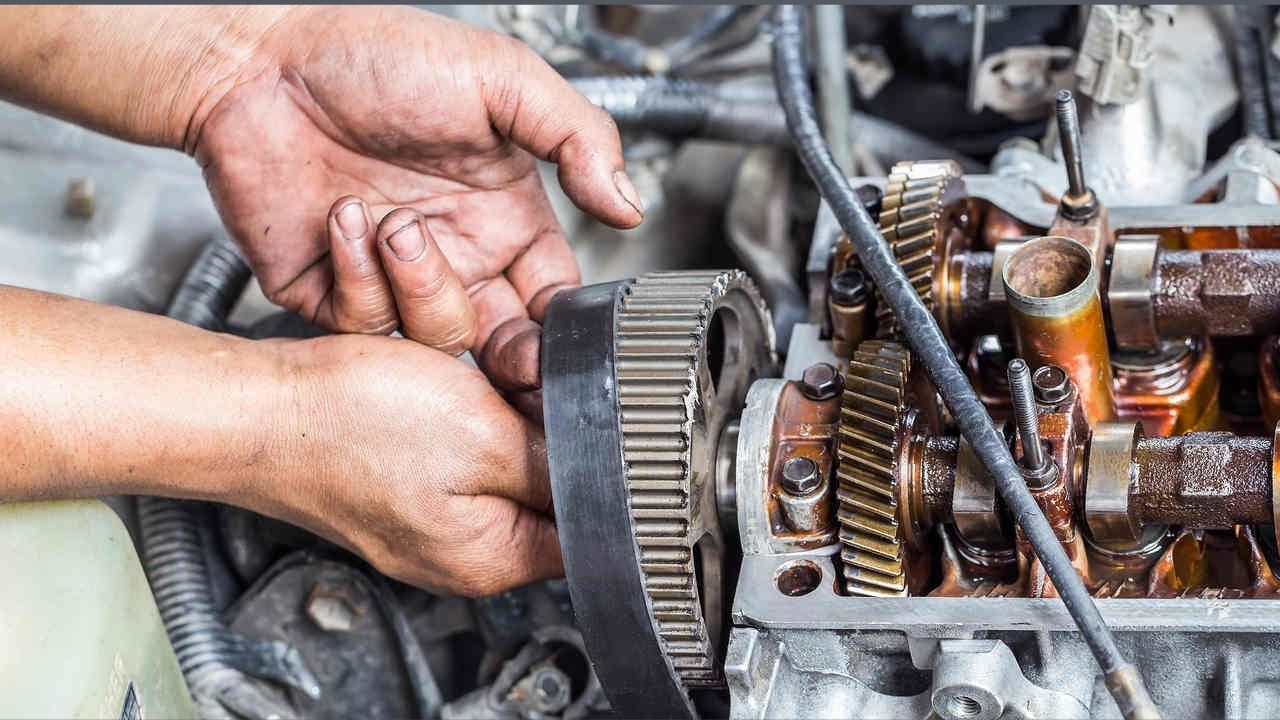


Some Cars Make Timing Belt Replacement Complicated — Discover Models That Require Extensive Dismantling or Specialized Tools, and Avoid Surprises in Maintenance.
Replacing the timing belt in certain cars has become a very complicated task, according to owners and mechanics. Models such as the Audi A6, Land Rover Discovery 4, VW Amarok, Nissan Frontier, and Fiat Marea are among the most criticized.
The problem arises because in these machines the belt (which synchronizes the valves with the crankshaft) is located in hard-to-access positions — there are cases requiring almost complete dismantling of the front of the vehicle.
This kind of complication significantly increases the service cost, requires specific tools, or even the disassembly of parts like the bumper, radiator, or chassis.
-
A French brand placed a car on four huge red balloons to prove that its suspension made the vehicle “float,” and the surreal scene became one of the most iconic and unusual images in automotive history.

-
Jeep Avenger begins production in Brazil, debuting as the brand’s new entry-level SUV and inaugurating an unprecedented phase by becoming the first national Jeep manufactured outside of Goiana, as part of a R$ 3 billion plan.
-
Costing R$ 12,490, the new Shineray Urban Lite 150 “cheap one” arrives in Brazil with a CVT transmission, digital dashboard, and LED lights, making it more affordable than the Biz and targeting those who want to abandon the bus.
-
Ducati brings to Brazil the Superleggera V4 Centenario: 228 hp that become 247 with a track kit, carbon fiber and carbon-ceramic brakes, estimated price between R$ 1.5 and 2 million, deliveries only in 2027.


For owners of these cars, the replacement is not just a maintenance check: it is a heavy investment of time and money.
Why Is the Timing Belt So Important?
The timing belt connects the camshaft to the crankshaft, ensuring that valves and pistons work in sync.
If it breaks, valves can collide with the pistons, seriously damaging the engine.
For this reason, periodic inspection is recommended — checking for visual wear, strange noises when the engine is idle, or visible grooves.
In many cases, the replacement is scheduled for every 40,000 to 50,000 km, unless the manufacturer indicates a different interval.
Even so, in cars with difficult access, it often requires additional disassemblies to physically access the timing belt.
Examples of Cars That Complicate Timing Belt Replacement
Some models stand out for the headaches they cause when replacing the timing belt.
Audi A6
The Audi A6, for example, requires dismantling the bumper, front grille, radiator, and supports, all because of the limited internal space.

Land Rover Discovery 4
In the case of the Land Rover Discovery 4, the complexity is even greater: the engine is so tightly fitted in the bay that it is necessary to separate the chassis from the body to access the part.
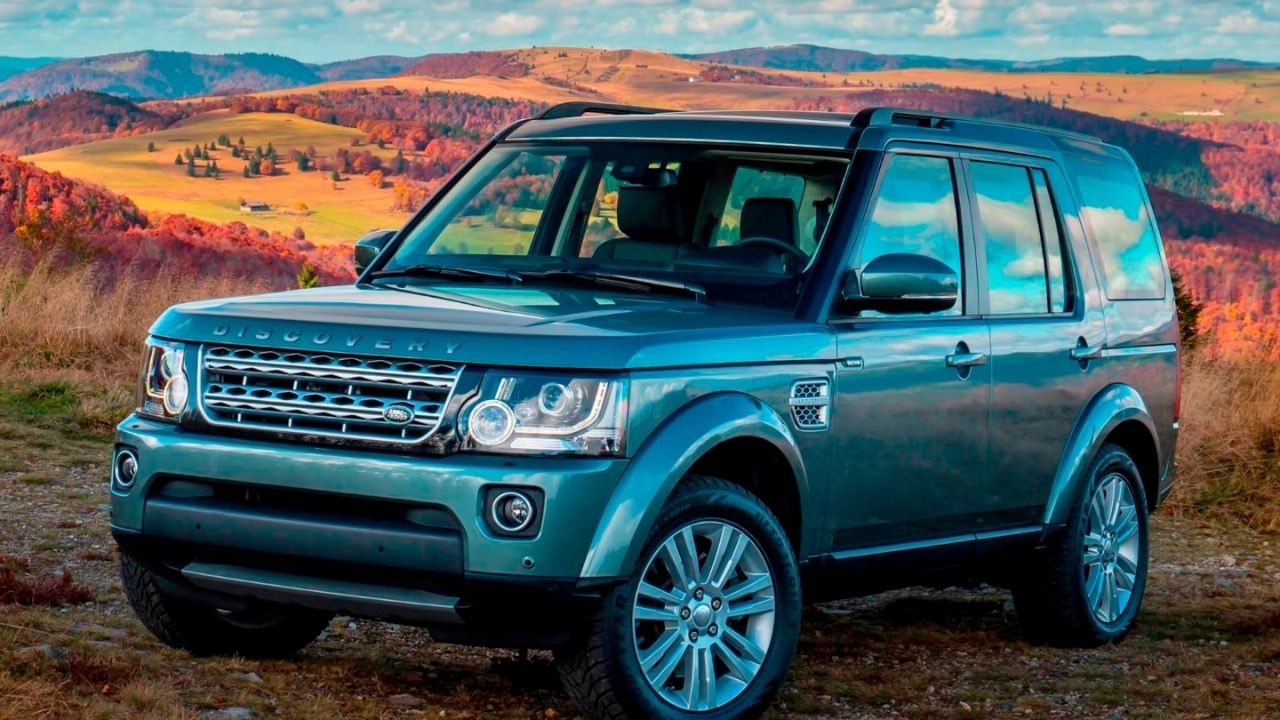
After the replacement, there is still a need for electronic reprogramming, which increases the time and cost of maintenance.
VW Amarok
The VW Amarok faces a different kind of problem. The timing belt is exposed to dirt, mud, and dust, factors that accelerate wear.

This means more frequent replacements and extra caution for those who drive on dirt roads.
Nissan Frontier
The Nissan Frontier, manufactured between 2002 and 2008, is also on the list.
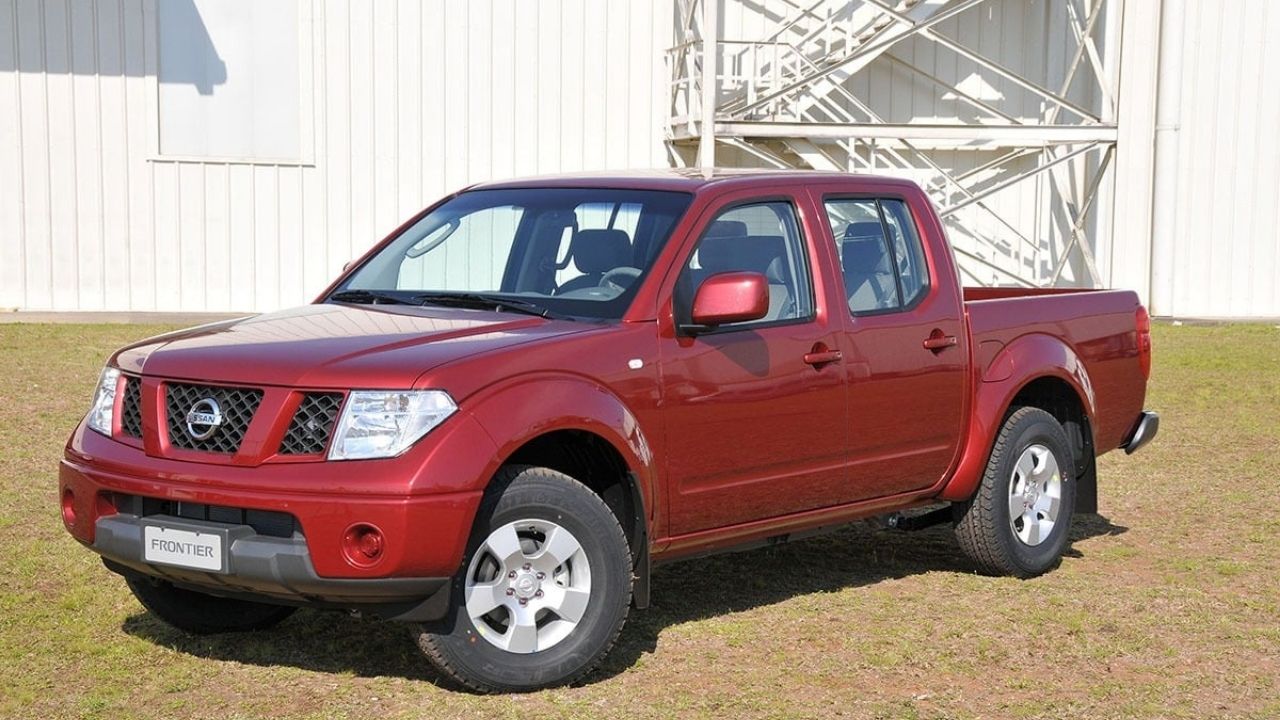
The reduced space and the proximity of other components, such as the fuel pump and fire wall, make access difficult.
Fiat Marea
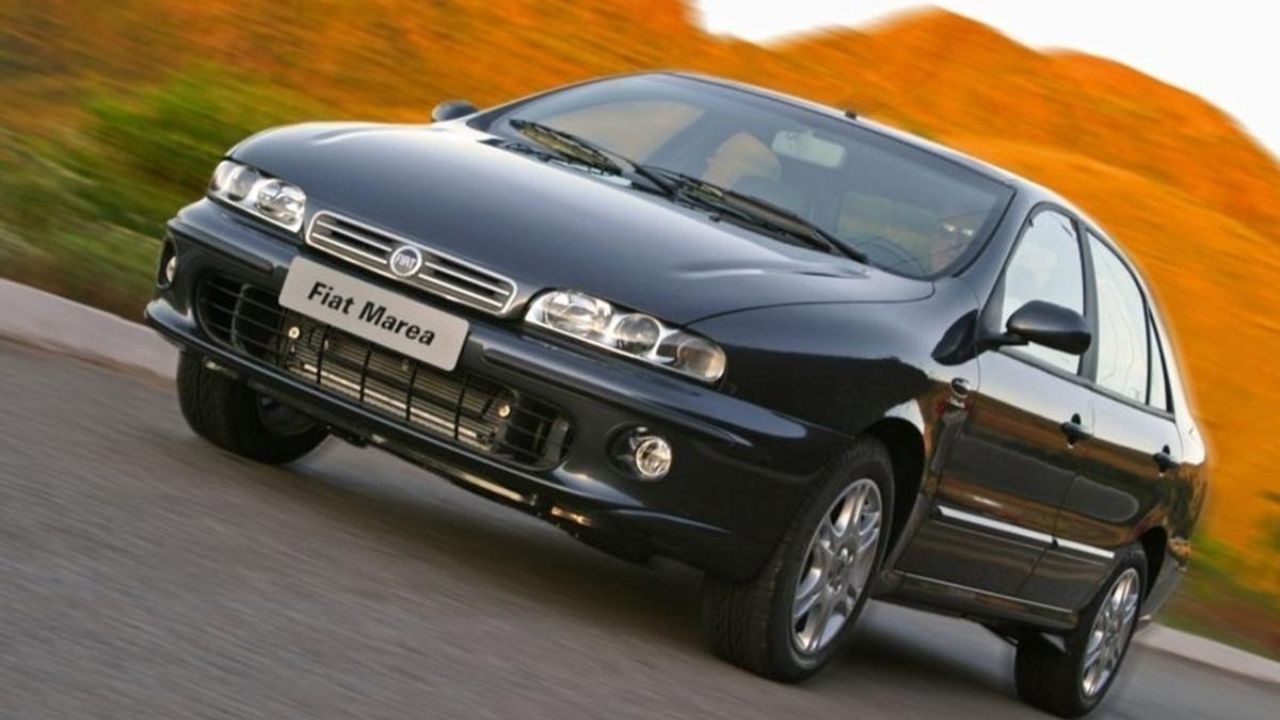
Finally, the Fiat Marea requires a true disassembly: it is necessary to shift the engine block along with the gearbox and remove engine mounts to reach the belt.
How to Avoid Surprises in Maintenance?
To minimize headaches, owners of cars with timing belts should:
Check the vehicle manual for the recommended replacement interval.
Listen for noises when the engine is idle — a high-pitched sound or irregular rhythm may indicate a problem with the timing belt.
Visually inspect the part: the presence of grooves or drying out are signs of wear.
Consult specialized shops for more complex models; sometimes only mechanics with specific tools can perform the service.
Costs and Factors That Increase Maintenance Expenses
The costs for timing belt replacement can vary greatly, but in some cars, the service becomes much more expensive.
This happens mainly because accessing the part requires extensive disassembly, such as the removal of radiators, bumpers, or even the separation between the body and chassis.
Another factor that impacts the price is the need for specialized labor.
In luxury models, such as the Discovery 4 or the Audi A6, not just any shop will do: often only mechanics with specific equipment can carry out the service safely.
Additionally, the presence of embedded electronics is another factor that raises costs.
In some cars, after replacing the timing belt, it is necessary to reprogram the system, further increasing the final cost.
Timing Belt Can Be Expensive
Although the timing belt is an essential maintenance component in every engine, in many cars, it represents an extra problem due to the difficulty of access.
Luxury models or powerful engines usually require more complex interventions, increasing costs and downtime.
If you are considering buying a used car, it is worth researching which models have accessible timing belts or if replacement requires extensive disassembly.
This way you avoid surprises when it comes to expenses — and ensure that the engine continues to run smoothly.
Tips to Increase the Lifespan of the Timing Belt
The timing belt is one of the most important components of the engine and, although discreet, its failure can lead to high costs and even compromise the vehicle’s safety.
To avoid premature replacements and extend its lifespan, some simple maintenance practices are essential.
The first step is to strictly adhere to the replacement interval indicated in the manufacturer’s manual.
Following this schedule reduces the risk of excessive wear and ensures that the belt operates within safety limits.
Another essential point is to choose original parts or those from recognized manufacturers.
Low-quality components can deteriorate quickly, shortening their lifespan and increasing the chance of serious engine problems.
Best Practices That Make a Difference:
- Always replace the complete kit (belt, tensioner, and pulleys) during maintenance, avoiding future failures;
- Avoid sudden starts and prefer smooth accelerations, especially with the engine still cold;
- Periodically check the tension of the belt, as both excessive tightness and slack accelerate wear.
The way the belt is installed also directly influences its durability.
Therefore, the ideal is to rely on experienced professionals who can adjust the tension correctly.
Improper installation can lead to premature ruptures and high repair costs.
Thus, taking good care of the timing belt means keeping the car running smoothly, avoiding unexpected expenses, and ensuring more safety on the road.
Always be attentive to signs of wear, consult the vehicle manual, and do not skip periodic maintenance.
With information from AutoPapo









O que enche o saco nessas materias é o excesso de propaganda sobreposta.