





 Portuguese
  English
  Spanish
  5 min of reading
  1 comment


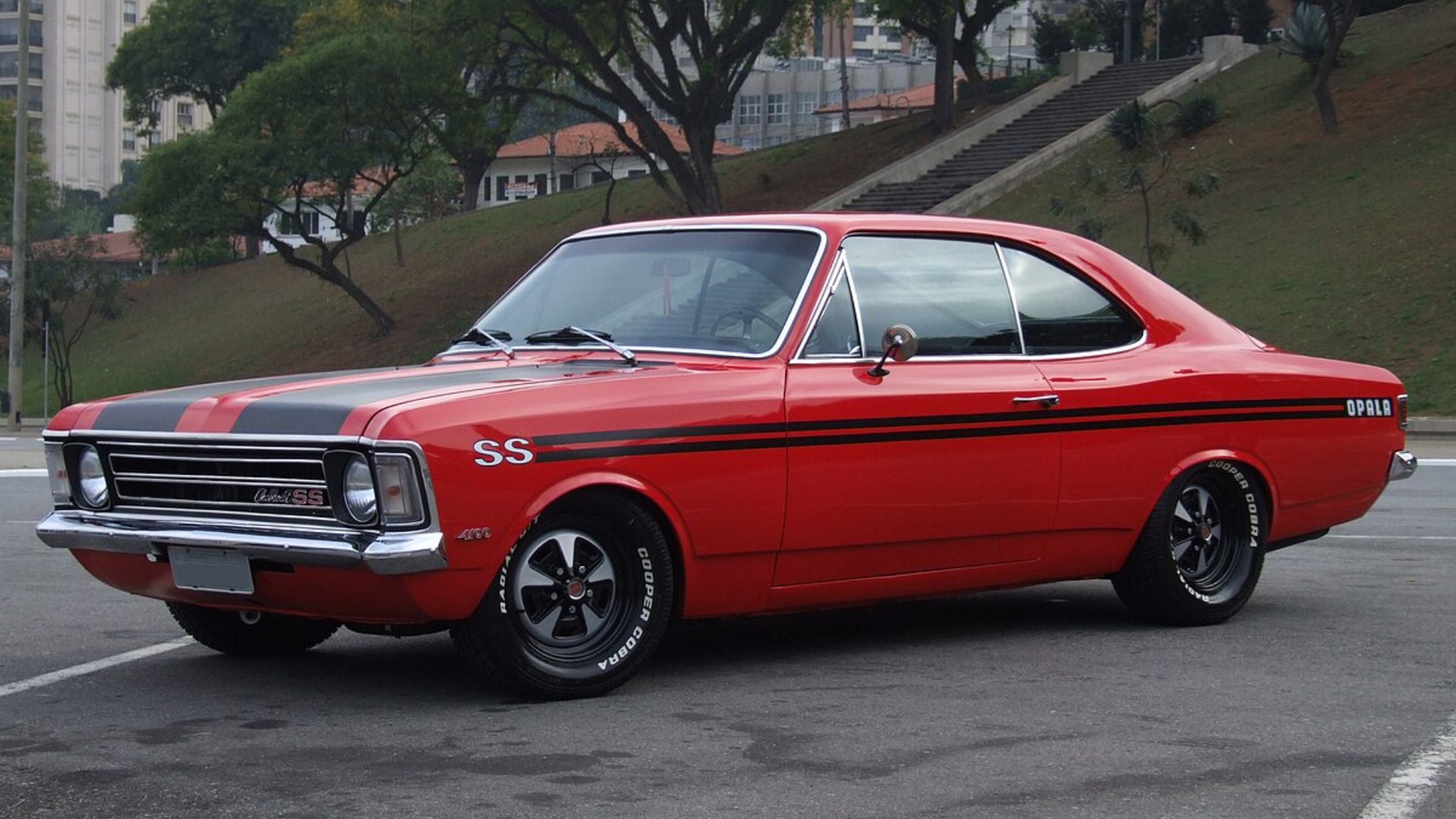


Icons of the 80s and 90s Continue to Charm Collectors and Drivers Seeking Comfort, Power, and a Dose of Nostalgia — and the Best: with Affordable Prices and Simple Maintenance
The classic car market is experiencing a true renaissance in 2025. For those who appreciate the driving experience of sedans and value the charm of the 80s and 90s, some models remain excellent investment options — whether for everyday use or as a weekend car.
Besides the emotional appeal, these vehicles offer robust mechanics, accessible maintenance, and an authentic driving experience, quite different from the standardization of current cars. According to data from Mercado Livre, the prices listed below were verified in October 2025.
Next, discover five classic sedans that are still worth every penny invested, combining tradition, comfort, and performance.
-
The car stored for 38 years: when opening the barn door, what appears is breathtaking and looks like a scene from a movie!

-
Fiat works miracles in the Brazilian market, lowers the price of its 0 km hatch to R$ 69,990, reestablishes the model as the cheapest car in the country, and reignites the battle against Kwid and C3.
-
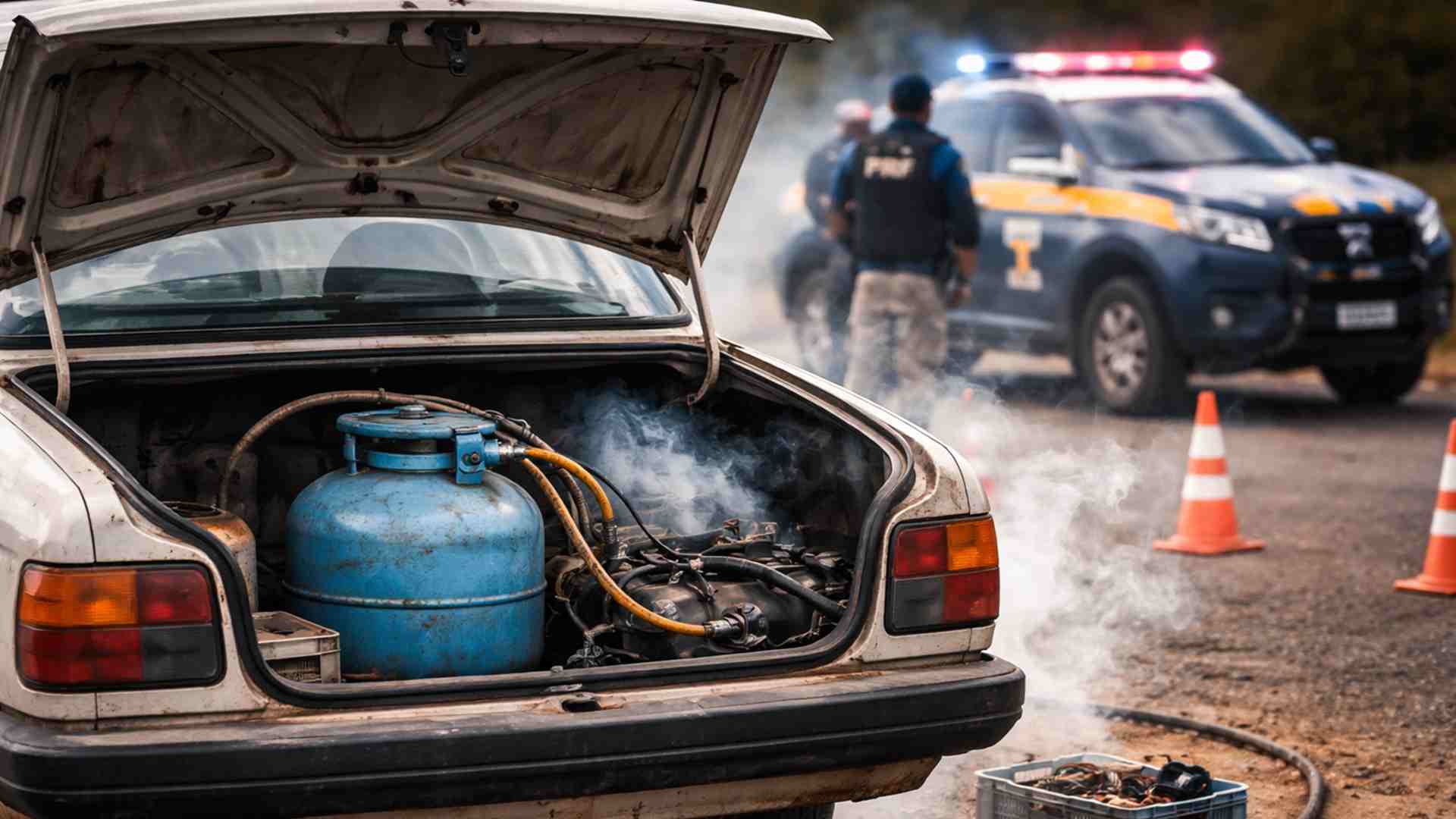
Chevette with cooking gas: How the gas cylinder ends up being used in cars clandestinely and why this makeshift solution can result in leaks, explosions, damaged engines, and seized vehicles.
-
Fiat launches the new 2027 Toro hybrid with 48V, 176 hp, an electric motor of 15.5 hp, a 0.85 kWh battery, up to 7% fuel savings, 8% fewer emissions, and possible exemption from IPVA.

Chevrolet Vectra GLS: The Symbol of Modernity in the 1990s

Launched in 1993 to replace the legendary Monza, the Chevrolet Vectra GLS quickly became one of the most iconic cars from General Motors in Brazil. Although the first generation passed quietly, it was the second version — the famous Vectra B, from 1996 — that won over the public with its rounded design and elegant lines.
At the time, the model marked a milestone in technology: the first national car to offer dual airbags as an option. Furthermore, it came equipped with a trip computer, leather seats, air conditioning, cruise control, and a multifunction steering wheel — items that were very rare for that era.
Under the hood, the sedan could be found with 2.0 16V engines producing 141 hp and 19.6 kgfm or 2.2 engines with 138 hp and 20.7 kgfm of torque, both with manual or automatic transmission. Currently, well-preserved units appear in ads for prices starting at R$ 11,900, making it an excellent entry point into the world of classics.
Fiat Tempra: The Pioneer of 16-Valve Power and National Turbo

The Fiat Tempra, launched in 1993, was a game changer in Brazilian automotive engineering. First national car with a 16-valve engine, it marked the beginning of a more sports-oriented and technological era. Models found on Mercado Livre start at R$ 12,900, a modest price for a car that made history.
The Italian sedan was sold with three engine options:
- 2.0 8V with 99 hp and 16.4 kgfm;
- 2.0 16V with 127 hp and 18.4 kgfm;
- and the legendary 2.0 Turbo, with 165 hp and 26.5 kgfm of torque — one of the first turbocharged engines produced in series in Brazil.
With a five-speed manual transmission and luxurious interior finish, the Tempra offered alloy wheels, a trip computer, air conditioning, and electric mirrors. Even today, its build quality is praised by collectors and mechanics.
According to Autoesporte, the Tempra remains one of the cars with the best relationship between performance, comfort, and historical value in Fiat’s lineup.
Volkswagen Santana: The Sedan That Defined a Generation

Between 1984 and 2006, the Volkswagen Santana remained a reference for comfort, robustness, and performance. The model was one of the great successes of the automaker, with continuous production for over two decades and numerous facelifts.
Equipped with 1.8 and 2.0 engines from the famous AP family, the Santana offered between 86 hp and 125 hp and torque of up to 19.5 kgfm, ensuring good performance in both carbureted and fuel-injected versions, introduced starting in 1990.
Highlights include ABS brakes, Recaro seats with lateral supports, air conditioning, electric windows and mirrors, as well as power steering. In 1996, well-maintained units could be found for around R$ 14,880 — an excellent deal considering its legendary durability.
According to a report from Autoesporte, the Santana was the first national car with ABS brakes, consolidating its historical importance in the country.
Volkswagen Passat: The Triumphant Return of a Reliable Classic

Produced in Brazil between 1974 and 1988 and relaunched in 1995 as an imported model, the Volkswagen Passat maintained its reputation as a balanced car, with reliable mechanics and excellent driving characteristics.
Equipped with a 2.0 aspirated engine from the EA827 family, the same AP that made history, the sedan delivered 115 hp of power and 16.9 kgfm of torque, mated to a five-speed manual transmission.
The Passat was considered the last classic model before becoming a more luxurious sedan based on the Audi A4. On Mercado Livre, units can be found starting at R$ 17,900, attracting collectors who appreciate its dynamic behavior and simple maintenance.
Chevrolet Opala: The Absolute Icon of National Motorsports
No list of classic sedans would be complete without the legendary Chevrolet Opala. Produced between 1968 and 1992, this model is a true symbol of the Brazilian automotive industry.
With body options of coupe and four-door sedan, the Opala stood out for its inline six-cylinder engine and rear-wheel drive, ensuring a unique driving experience. The most famous variant features the 4.1 engine with 141 hp and 29 kgfm of torque, paired with a four-speed manual transmission.
The Diplomata version, at the end of production, included 15-inch wheels, leather seats, refined finishing, power steering, and air conditioning — a luxury for that time. Today, it’s possible to find well-preserved examples for around R$ 29,990, and experts point to a constant appreciation trend.
As highlighted by Autoesporte, the Opala continues to be a collector’s dream and a symbol of a golden era of Chevrolet in the country.
An Expanding Market Full of Opportunities
The vintage car culture in Brazil grows year after year. Models from the 1980s and 1990s are increasingly valued, not only as investments but as emotional relics.
These cars marked generations and continue to be an entry point for those who wish to experience driving a classic without spending a fortune.
If you still don’t have the budget for a “black plate” vehicle, it’s worth considering one of the sedans on this list. Besides style and history, they offer simple mechanics, accessible parts, and a driving pleasure that few modern cars can provide.








Faltou o Omega!