





 Portuguese
  English
  Spanish
  3 min of reading
  0 comments


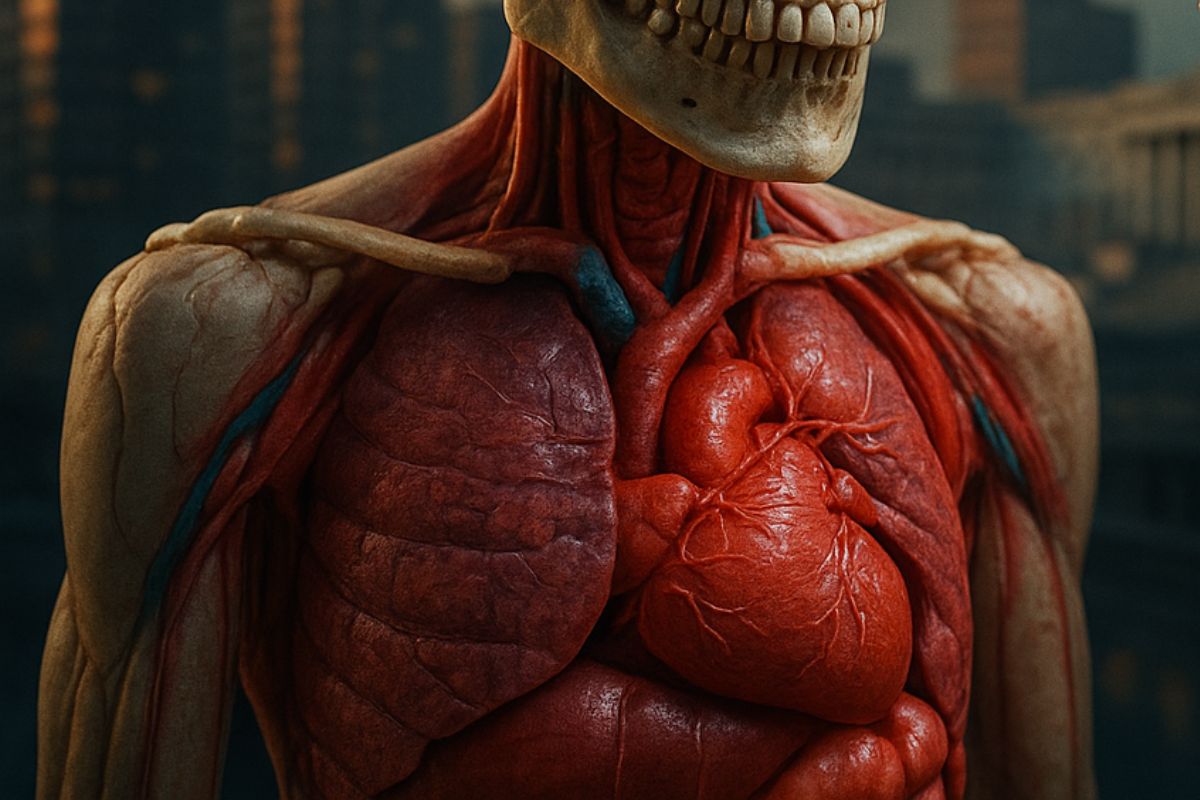
Surgeries Like Appendectomy and Splenectomy Show the Adaptability of the Human Body
Although each part of the body has a function, there are organs that the human body does not need to survive. In many cases, the removal of entire structures does not compromise the patient’s life, as long as they have medical follow-up and specific care.
With advancements in medicine and a deeper understanding of how the body works, it has become clear that certain parts can be removed without significant loss of quality of life. Here are five examples that demonstrate the surprising resilience of the organism.
Spleen: Important, But Not Essential
The spleen acts as a blood filter and is part of the immune system, storing platelets and white blood cells. However, its absence does not prevent the body from functioning. Splenectomy is common after injuries or diseases such as lymphoma and sickle cell anemia.
-
In 200 days, a Finnish man builds with his own hands an 11-meter boat powered by solar energy with “infinite autonomy,” capable of dispensing with refueling and already used as a floating house.

-
Neurologist Richard Restak issues a severe warning to all people over 65: there is a daily habit he recommends completely eliminating from your life because it is destroying your neurons and accelerating memory loss.

-
With 6.1 meters and 33 steps, the spiral staircase of the Loretto Chapel in the United States gained fame worldwide for making two complete 360-degree turns without a central support.

-
With 30 meters in length, a house in England appears to float in the air and surprises engineers and architects around the world due to its visual effect and construction method suspended over sloped terrain.

Patients living without a spleen must take extra care with infections, receive specific vaccinations, and, in some cases, use prophylactic antibiotics. Even so, with proper follow-up, it is possible to lead a long and healthy life.
Appendix: The Classic Example
Among the organs that the human body does not need to survive, the appendix is one of the most well-known. Located at the beginning of the large intestine, it may have some immune function in childhood, but its removal does not cause significant functional impact.
The surgery to remove it, called appendectomy, is widely performed, mainly in cases of appendicitis. The body adapts easily, without the need for continuous medication or dietary restrictions.
Gallbladder: Disposable in Digestion
The gallbladder stores bile produced by the liver, aiding in the digestion of fats. When gallstones or inflammation occur, the organ can be removed through cholecystectomy, without major consequences.
After the surgery, the liver continues to release bile directly into the intestine. Some patients report temporary sensitivity to fatty foods, but most adapt well to the new digestive routine.
One Kidney Is Enough
Although the kidneys perform vital functions, such as filtering blood and regulating blood pressure, it is possible to live normally with just one. This occurs in cases of donation, trauma, or malformations.
The remaining kidney usually <strong=increases in size and compensates for the absence of the other. The only requirement is to maintain healthy habits, control blood pressure, and undergo regular check-ups — a routine that ensures longevity with a single kidney.
Tonsils: Useful in Childhood, Disposable in Adulthood
The tonsils are lymphatic structures located in the throat that fight infections, mainly in childhood. Over time, the immune system develops more effective defenses, making their function less relevant.
In cases of chronic tonsillitis or respiratory obstructions, the surgery of tonsillectomy is indicated. Removal does not compromise the adult immune system, and quality of life often improves with the elimination of infection sources.
Have you ever lived without any of these organs? How was your adaptation? Share your experience in the comments — your story could help others.








Seja o primeiro a reagir!