





 Portuguese
  English
  Spanish
  4 min of reading
  0 comments



Models That Marked an Era, Are No Longer in Production, and Today Stand Out as Real Candidates for Valued Classics
A selection of popular used cars, launched between 2002 and 2012, draws attention due to their potential for appreciation in the coming years. Models such as Honda Fit, Ford Ka Sport, Fiat Palio Sporting, Toyota Corolla S, and Volkswagen Saveiro Cross remain present in the market and maintain strong appeal among consumers.
These vehicles are not collector’s rarities. However, they are established projects, with a technical reputation built over decades in Brazil. According to official specifications released by the manufacturers at the time of launch, these models combined performance, reliability, and a unique identity. Furthermore, their commercial acceptance history reinforces ongoing interest in the used car market.
Technical Analysis Reveals Attributes That Support Appreciation Potential

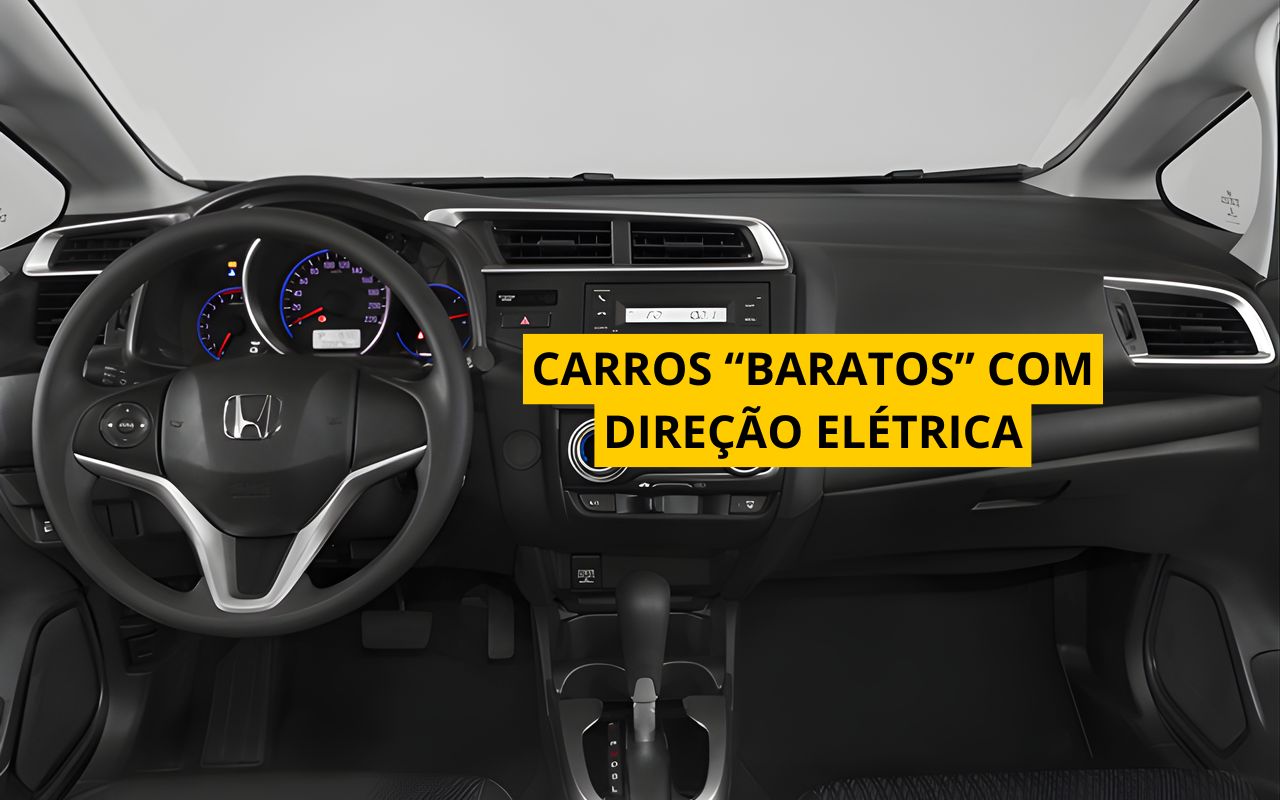
The first-generation Honda Fit, launched in 2003 in Brazil, stood out immediately for its interior space and, in addition, established itself as a benchmark for urban versatility. In the LX version, it uses a 1.4 gasoline engine with 83 hp and 12.3 kgfm, with a five-speed manual transmission.
-
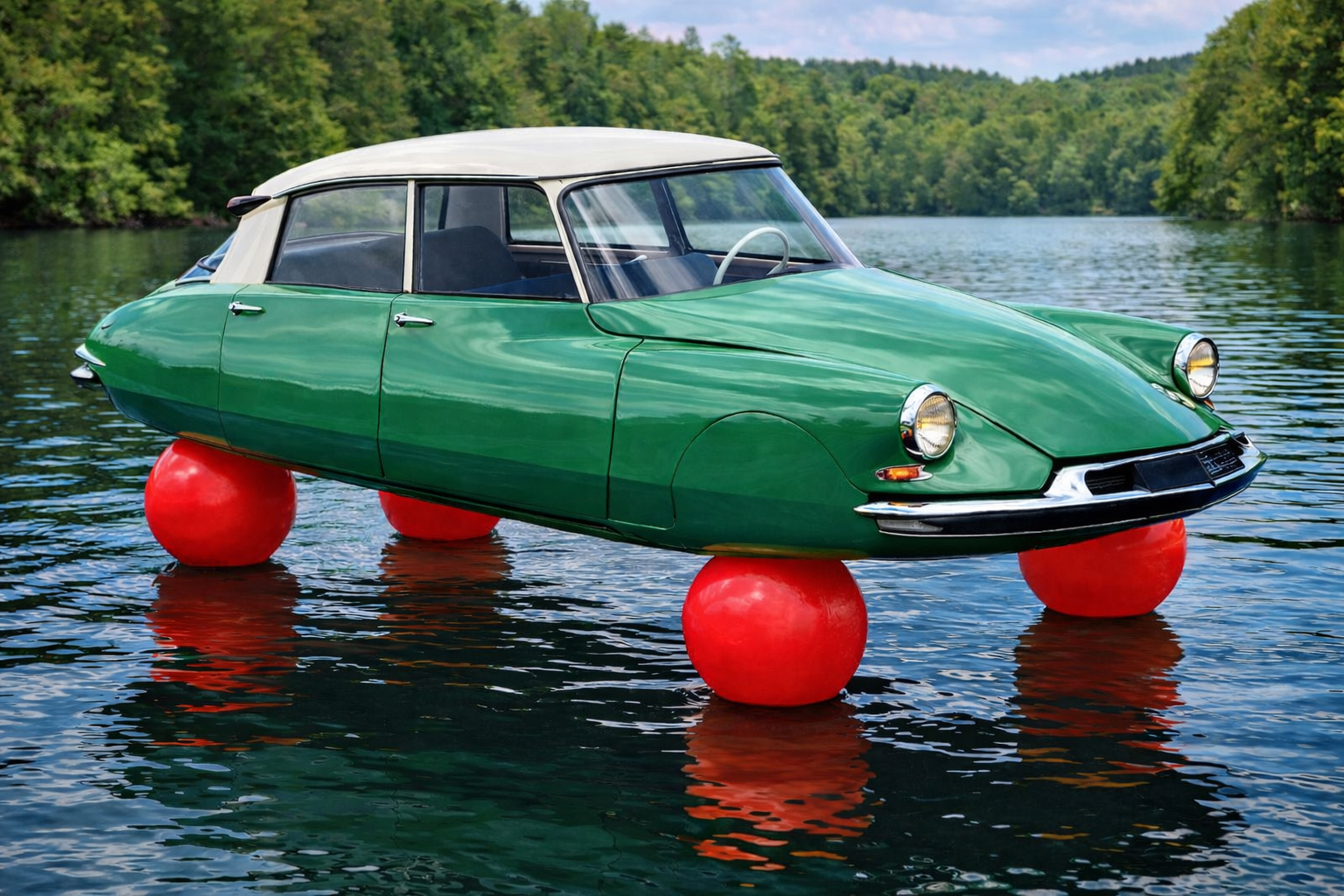
A French brand placed a car on four huge red balloons to prove that its suspension made the vehicle “float,” and the surreal scene became one of the most iconic and unusual images in automotive history.
-
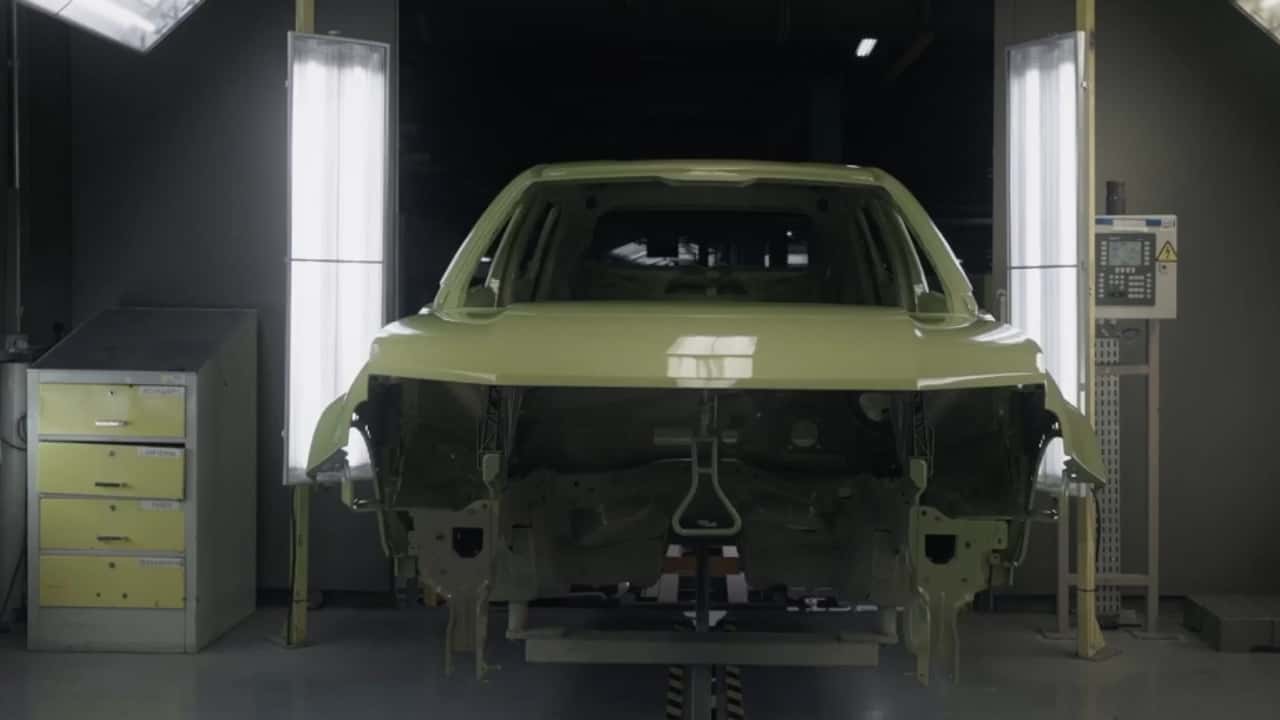
Jeep Avenger begins production in Brazil, debuting as the brand’s new entry-level SUV and inaugurating an unprecedented phase by becoming the first national Jeep manufactured outside of Goiana, as part of a R$ 3 billion plan.
-
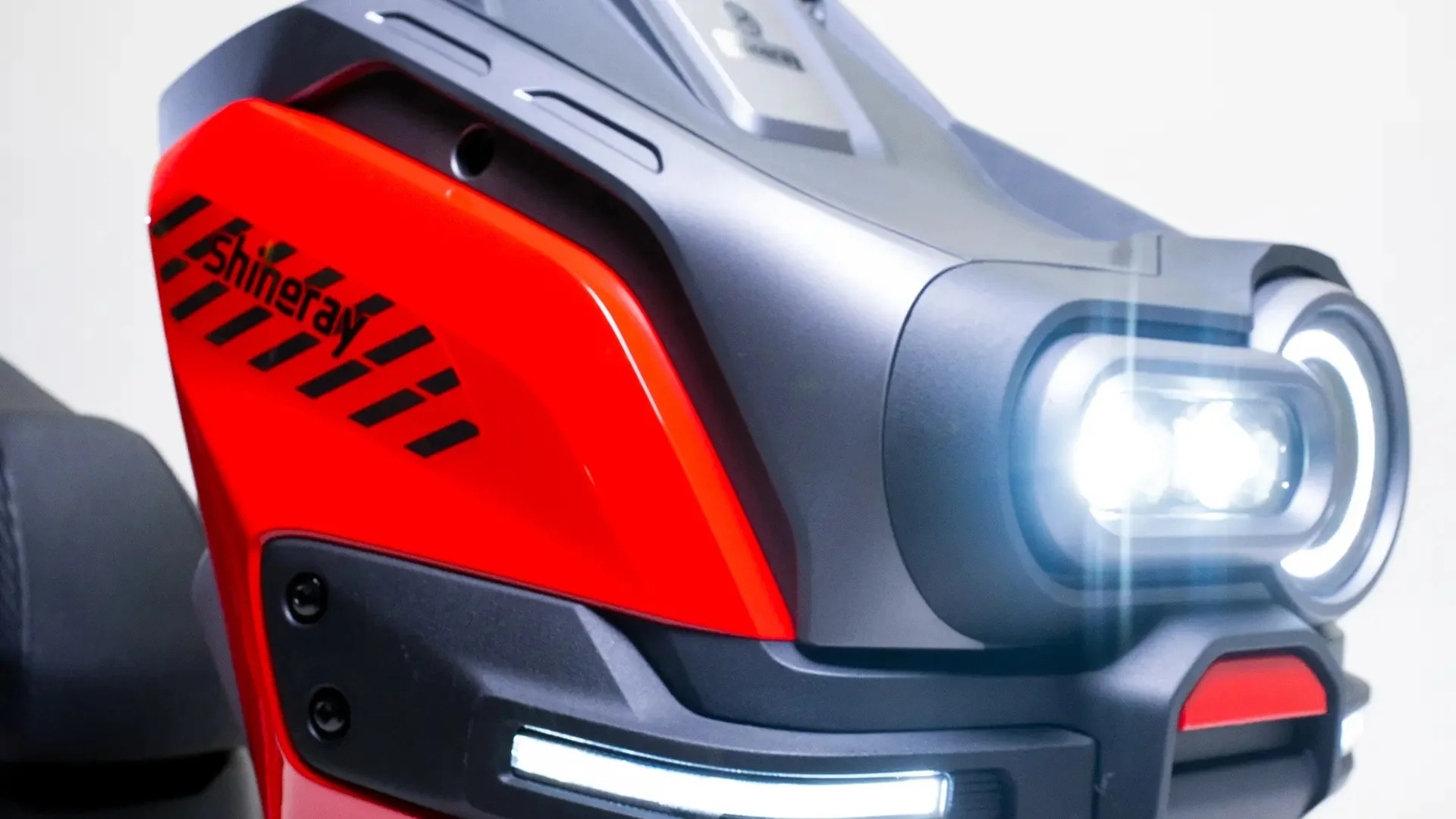
Costing R$ 12,490, the new Shineray Urban Lite 150 “cheap one” arrives in Brazil with a CVT transmission, digital dashboard, and LED lights, making it more affordable than the Biz and targeting those who want to abandon the bus.
-
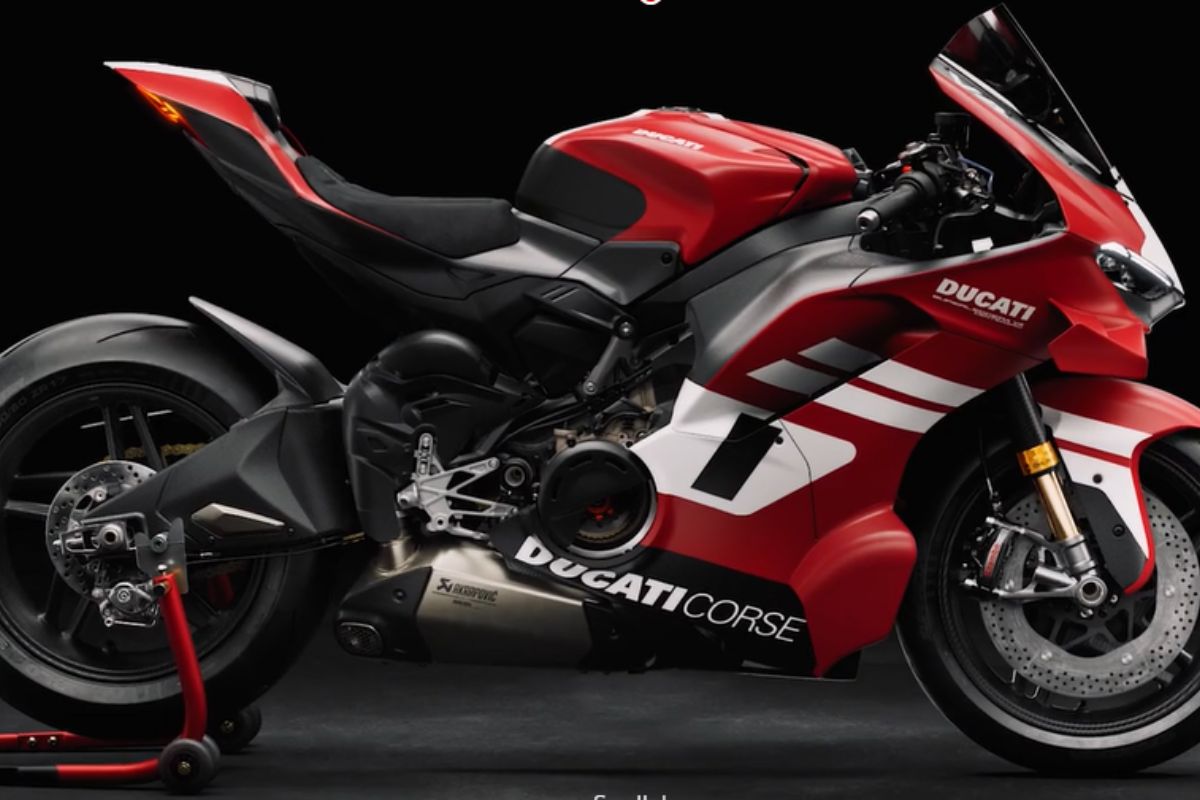
Ducati brings to Brazil the Superleggera V4 Centenario: 228 hp that become 247 with a track kit, carbon fiber and carbon-ceramic brakes, estimated price between R$ 1.5 and 2 million, deliveries only in 2027.

The model measures 3.83 m in length and has a 2.45 m wheelbase. The trunk offers 380 liters and can be expanded thanks to the modular folding system of the seats. The official consumption disclosed at the time indicates about 10 km/l in the city and 14 km/l on the highway. Thus, the mechanical robustness and recognized reliability helped to solidify its national reputation.
Affordable Sports Compacts Gain Historical Relevance
The Ford Ka Sport, introduced in 2012 in the second generation of the model, adopted a more aggressive visual proposal and, furthermore, brought a slightly firmer suspension adjustment. It uses a 1.6 Rocam flex engine of up to 107 hp and 15.3 kgfm, always with a five-speed manual transmission.

The hatch accelerates from 0 to 100 km/h in less than 11 seconds. The official consumption with ethanol is 7.7 km/l in the city and 9.5 km/l on the highway. With a length of 3.83 m and a trunk capacity of 263 liters, it maintained a compact urban profile. Thus, its light set and distinct visual identity increased the accessible sporty appeal within the segment.
In the same line, the Fiat Palio Sporting, launched in 2011 in the second generation, reinforced the brand’s sports tradition. Under the hood, it features a 1.6 E.torQ 16V flex engine with 117 hp and 16.8 kgfm, paired with a five-speed manual transmission.

The model goes from 0 to 100 km/h in 9.8 seconds. The consumption with ethanol is 8 km/l in the city and 9.6 km/l on the highway. With a length of 3.88 m and a trunk capacity of 280 liters, it balances usability and style. Additionally, 16-inch wheels, a black roof, and darkened interior details reinforce a striking and distinctive identity.
Mid-Size Sedans and Light Pickup Trucks Also Make the List
The Toyota Corolla S, from the generation known as “Brad Pitt,” began being produced in Brazil in 2002 and has since consolidated the fame of the mid-size sedan’s durability in the country. The S version added sporty visual appeal to the model’s traditional package.

It maintained a 1.8 gasoline engine with 136 hp and 17.5 kgfm, with either a manual or automatic four-speed transmission, depending on the year. It measures 4.53 m in length, has a 2.60 m wheelbase, and offers a trunk capacity of 437 liters. The official consumption is close to 8 km/l in the city and 12 km/l on the highway. Thus, mechanical reliability and comfort while driving reinforce its historical relevance.
Finally, the Volkswagen Saveiro Cross, launched in 2009 in the G5 generation, expanded the positioning of the compact pickup truck by incorporating adventurous appeal and a unique visual style. It uses a 1.6 flex engine of up to 104 hp and 15.6 kgfm, always with a five-speed manual transmission.

The consumption with ethanol is around 8.5 km/l in the city and 9.5 km/l on the highway. It has a load capacity of 700 kg and a bed of 734 liters. Additionally, wheel arch trims, a roof rack, and differentiated interior finishing reinforce its unique identity. Thus, the Saveiro Cross represented a strategic transition to a profile more oriented toward lifestyle.
What Does the Future Hold for These Models?
These popular used Brazilian cars, launched over a decade ago, maintain an active presence in the market and continue to attract interest among buyers. Their technical history, established reputation, and unique identity support gradual appreciation potential over time.
The eventual transformation into classics will primarily depend on the condition, originality, and future demand. Nonetheless, the scenario indicates that these models may hold a significant place among future national classics.
Given this context, which of these vehicles do you believe has the greatest potential for appreciation in the Brazilian market?









Seja o primeiro a reagir!