





 Portuguese
  English
  Spanish
  4 min of reading
  9 comments


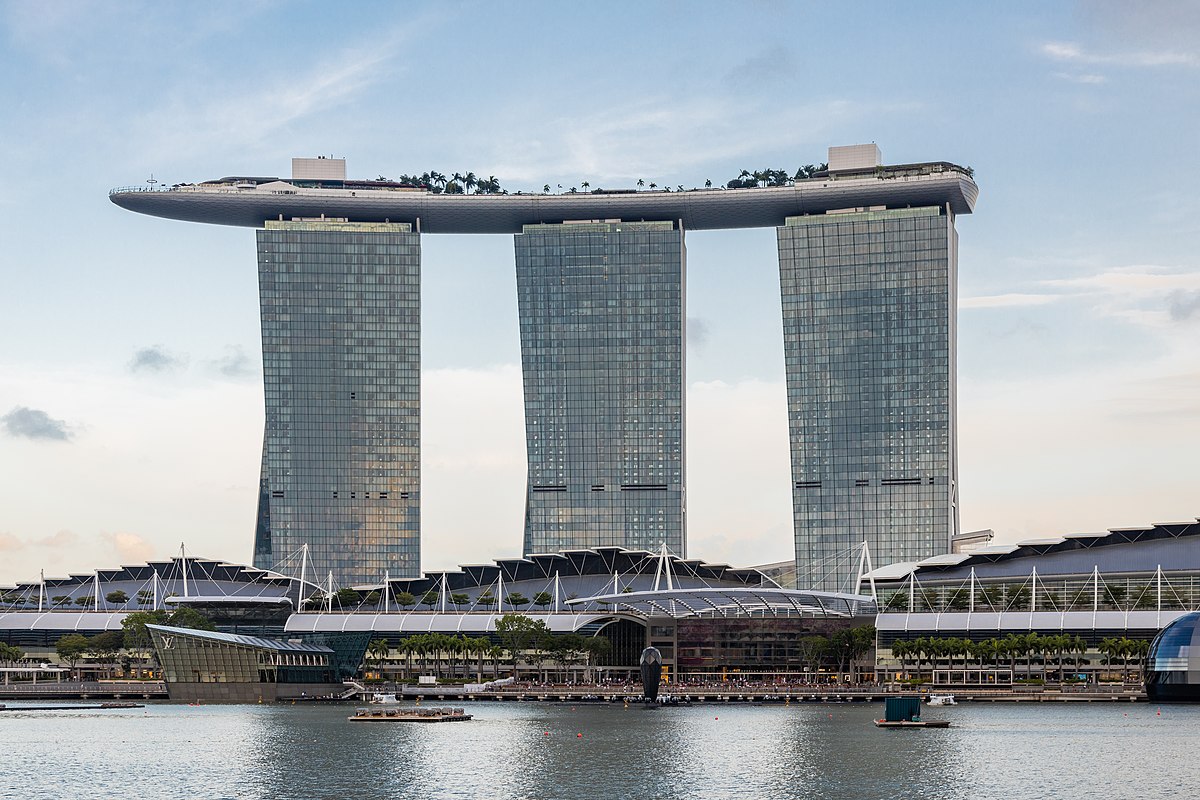


With Three Tilted Towers and a 340-Meter Platform Suspended 200 Meters Above the Ground, Marina Bay Sands Redefined the Limits of Modern Structural Engineering.
Marina Bay Sands, in Singapore, is not just an iconic hotel complex. It represents one of the boldest structural decisions ever made in contemporary civil engineering: transferring thousands of tons of load to the top of three independent towers, completely eliminating any traditional vertical support beneath most of the upper structure.
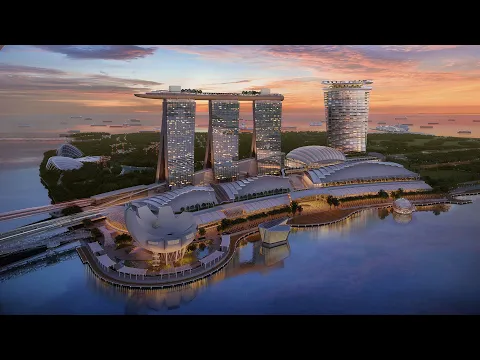
The design consists of three asymmetrical towers, with heights reaching 55 floors, on which a continuous platform of 340 meters in length was installed, known as SkyPark. This “habitable bridge” houses gardens, restaurants, lookout points, and the famous infinity pool, all about 200 meters above ground level.
The fact that makes the structure truly extraordinary is the weight: over 7,000 tons concentrated at the top, unevenly distributed among the three towers. Structurally speaking, this means that the building operates as an inverted load transfer system, something very rare in constructions of this scale.
-
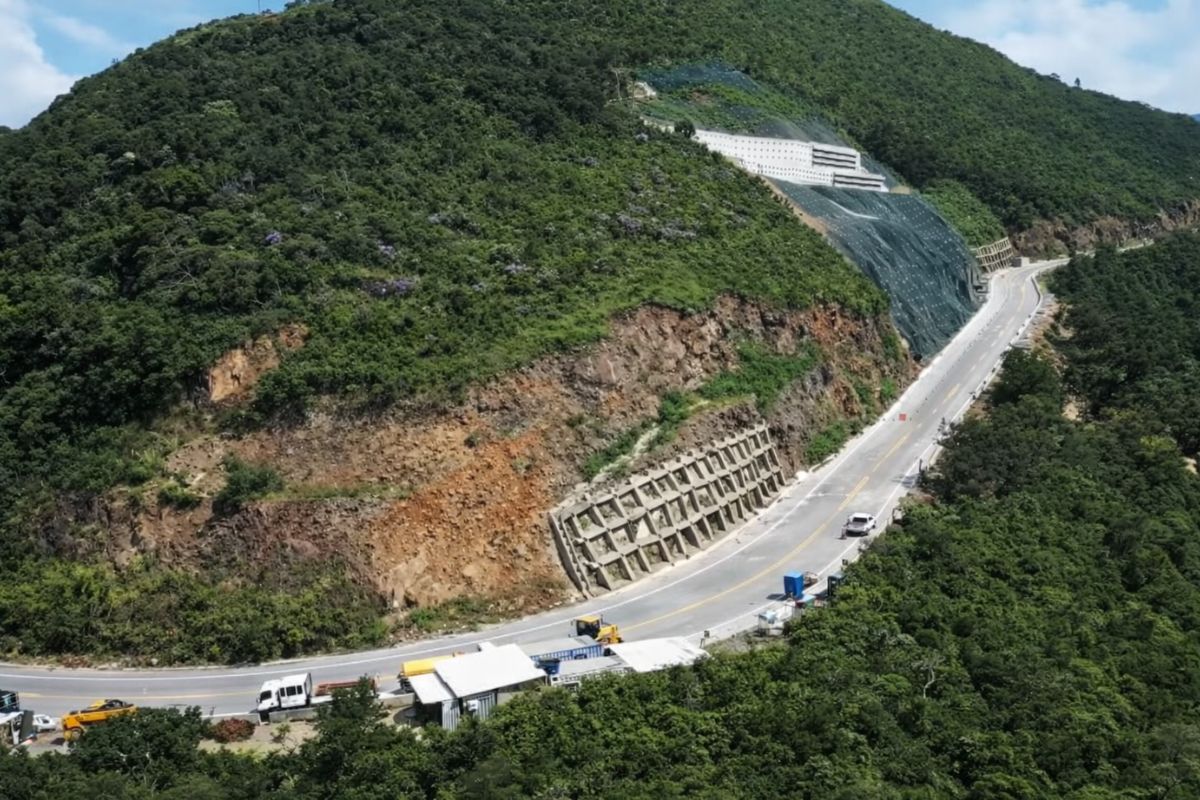
The section of Serra da Rocinha on BR-285 is now open in Timbé do Sul: 50 m tensioned curtains and top-down technique stabilize the slope, with a stairway duct controlling the water.
-
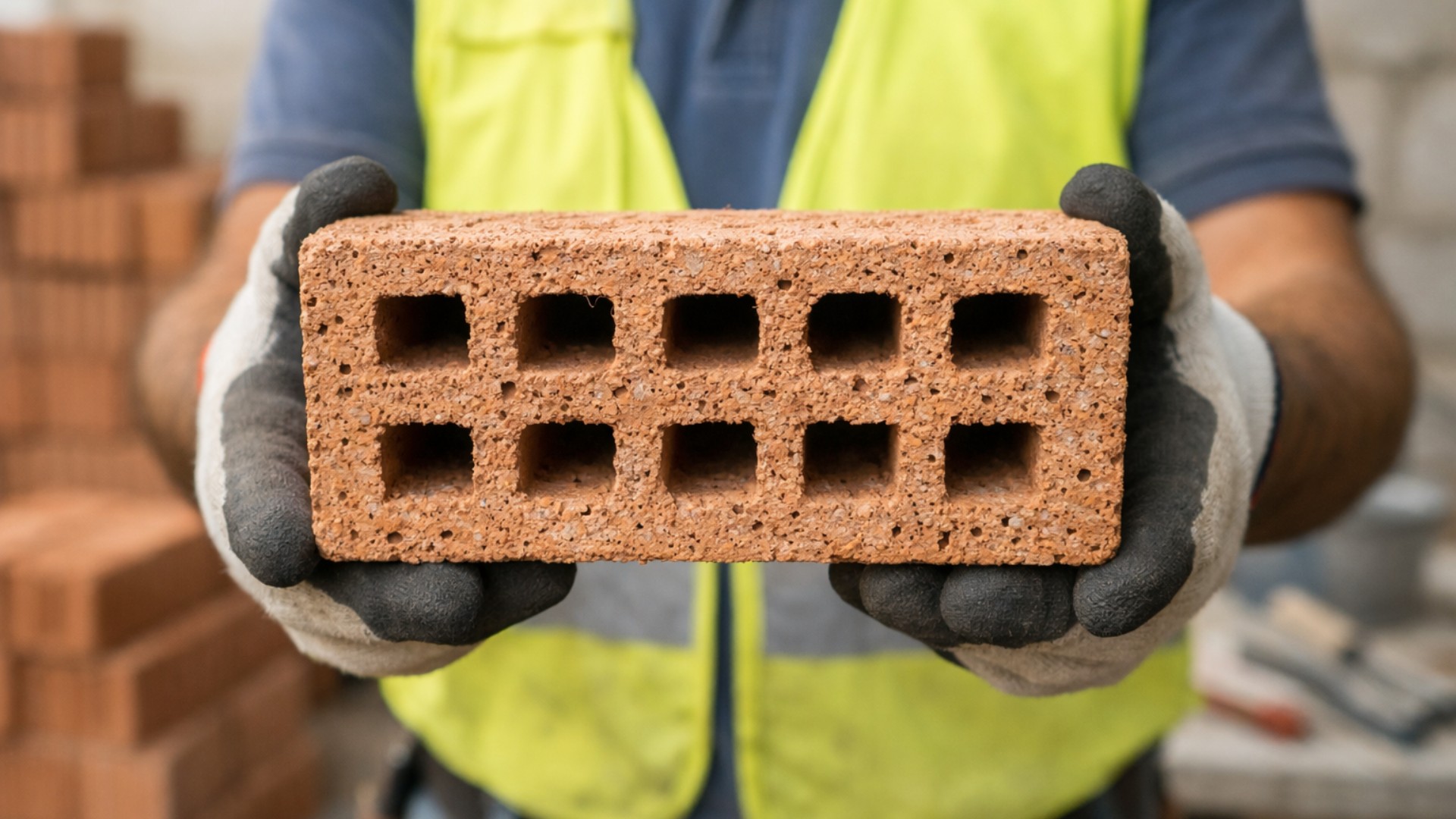
Scientists use sawdust mixed with clay to create a lighter brick, promising efficient thermal insulation and impressing by transforming waste into a solution for construction.
-
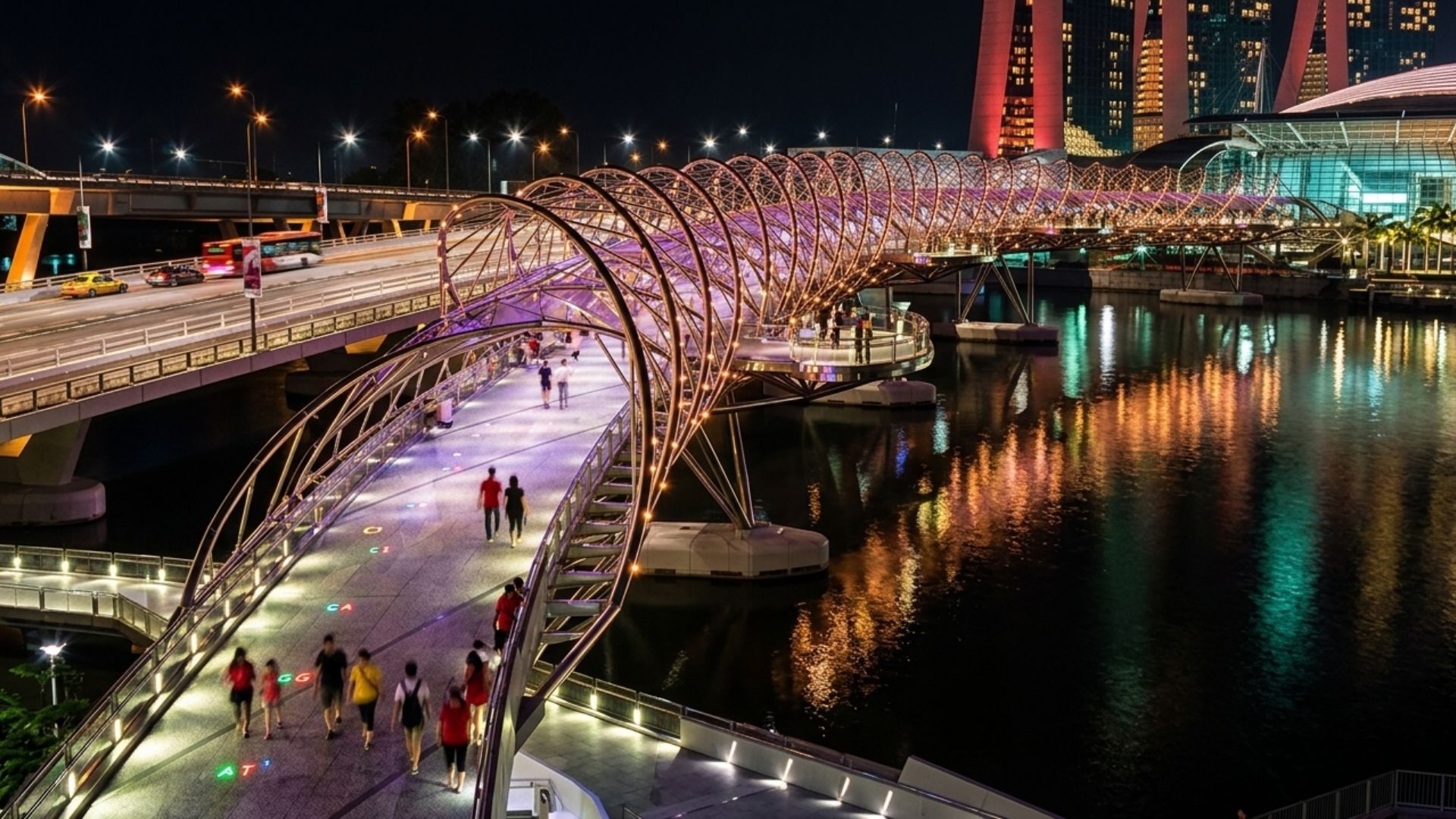
With a DNA shape, this bridge in Singapore draws attention in modern architecture and surprises tourists by transforming a simple crossing into an unforgettable visual experience in the urban heart.
-
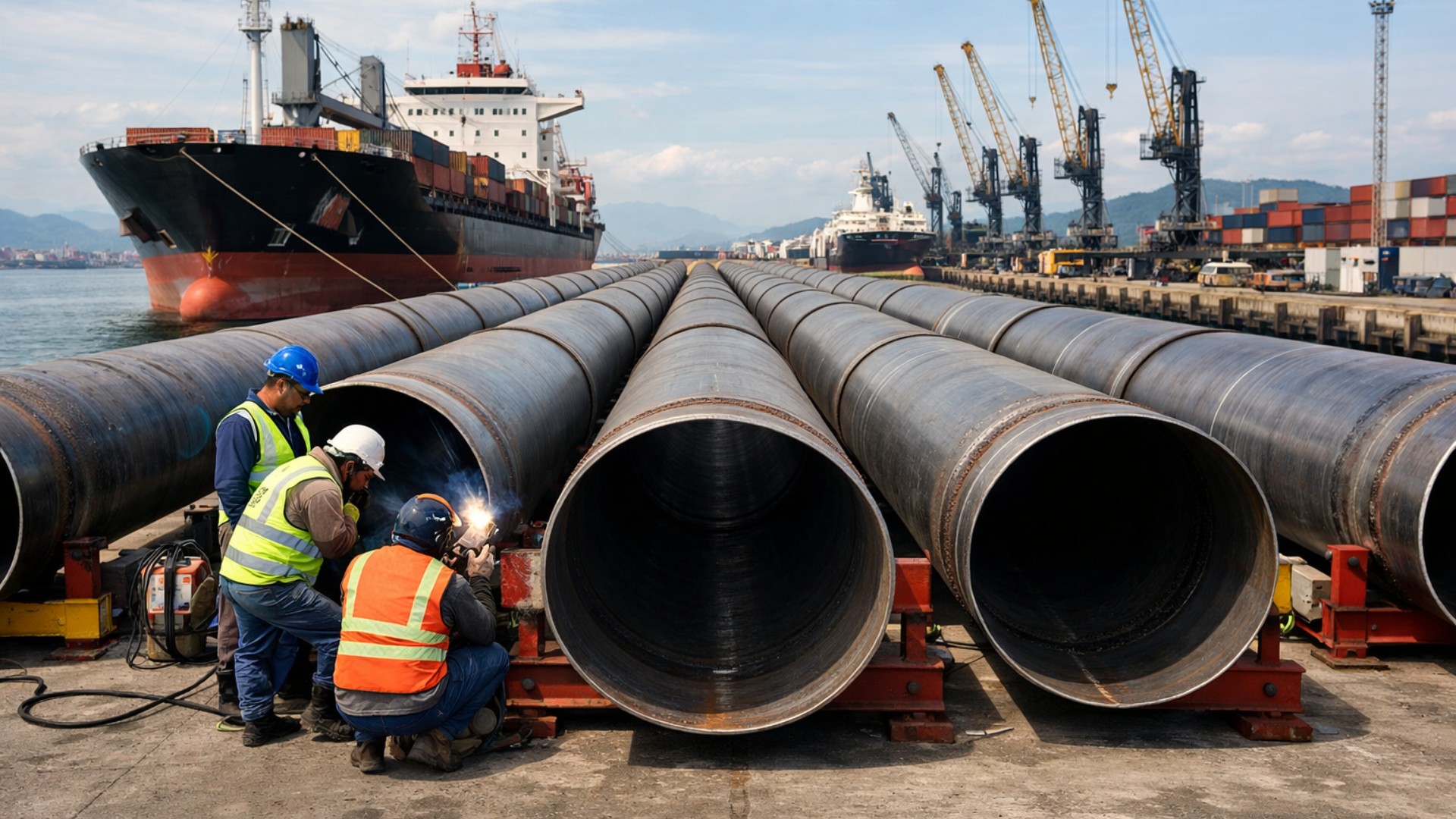
Giant underwater pipeline begins to take shape with a R$ 134.7 million project at the Port of Santos: the 1.7 km structure uses 12-meter and 700 mm pipes to supply water to 450,000 people in Guarujá.

How to Support 7 Thousand Tons at the Top Without Continuous Columns
Unlike conventional skyscrapers, where loads descend vertically to the foundations, Marina Bay Sands was designed to absorb horizontal and vertical forces at the top of the structure. Each tower acts as a partially independent structural element, but they are all connected by the upper platform.
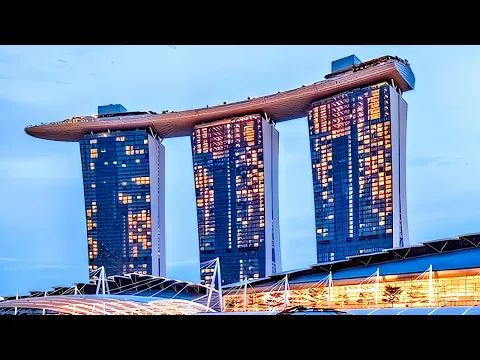

SkyPark is not rigidly fixed to the three towers simultaneously. It relies structurally on only two towers, while the third remains connected through sliding joints. This solution allows the entire structure to accommodate thermal expansions, seismic vibrations, and movements caused by wind, without generating destructive internal stresses.
On hot days, the platform can move up to several centimeters in relation to the towers, something imperceptible to users but essential for the structural integrity of the building over decades.
Tilted Towers and Asymmetrical Loads
Another critical challenge of the project was that the three towers are not perfectly vertical or identical. They have slight inclinations and distinct geometries, which creates asymmetrical load distributions. This forced engineers to adopt advanced high-strength reinforced concrete systems, as well as rigid cores capable of absorbing torsional forces.
The foundations needed to be oversized to handle not only the weight of the towers but also the moments generated by the aerial platform, which acts as a gigantic structural lever.
Deep piles were driven into Singapore’s coastal subsoil to ensure stability on land that has been partially reclaimed from the sea, another factor that significantly increased the complexity of the project.
The Pool That Became an Engineering Problem
The famous infinity pool of SkyPark is not just an aesthetic element. It holds hundreds of tons of moving water, which generates additional dynamic loads.
The system had to be designed to handle internal waves, user movements, and level variations without compromising the structure.
To achieve this, damping systems and auxiliary reservoirs were used to redistribute the weight of the water according to usage, avoiding excessive load concentrations at specific points of the platform.
Module Construction and Aerial Assembly
The construction of SkyPark required unprecedented logistics. The platform was fabricated in large metal and concrete modules, individually lifted by high-capacity cranes.
Each segment was positioned with millimeter tolerances, as any alignment error would compromise the final structural fit.
Only after the complete installation of the main modules were architectural elements, gardens, and hydraulic systems added, reducing risks during the critical phase of construction.
A Building That Operates as a Living System
Sensors distributed along the towers and the platform continuously monitor vibration, displacement, temperature, and structural forces.
Marina Bay Sands functions, in practice, as a real-time monitored structural organism, allowing for preventive interventions and operational adjustments throughout its lifespan.
This level of instrumentation is more common in cable-stayed bridges and dams than in buildings, reinforcing the hybrid character of the construction: part skyscraper, part habitable aerial bridge.
Why This Work Changed High-Rise Building Engineering
Marina Bay Sands proved that skyscrapers do not have to obey classic vertical logic. It paved the way for projects that explore load transfer at the top, flexible connections between towers, and intensive use of aerial platforms as elevated urban spaces.
More than a tourist icon, the complex has become an essential case study in structural engineering, cited in universities, conferences, and technical manuals as an example of how physical limits can be redefined when architecture and engineering work at the same level of ambition.






Essa notícia é velha: foi construído em 2010. Grande feito.
Por Favor!!! Siete toneladas no son 7000 toneladas, corrijan antes de publicar. Gracias
Está correto: São 7000 toneladas, até porque, considerando pessoas grandes, apenas 70 pessoas de 100kg cada já daria 7 toneladas. Portanto 7000 toneladas é a informação correta; Já que neste peso estão incluídas a estrutura toda, a piscina, a água dela (que pesa muito), as pessoas, etc.
Este edificio se iba a edificar en España pero la ineptitud de algún o algunos políticos lo impidió.
Siempre preclaros ellos…
Debería poner “iba a construirse en España”.
No sé de donde ha salido lo de “se vió obligado”.
Corregido queda.