





 Portuguese
  English
  Spanish
  4 min of reading
  0 comments


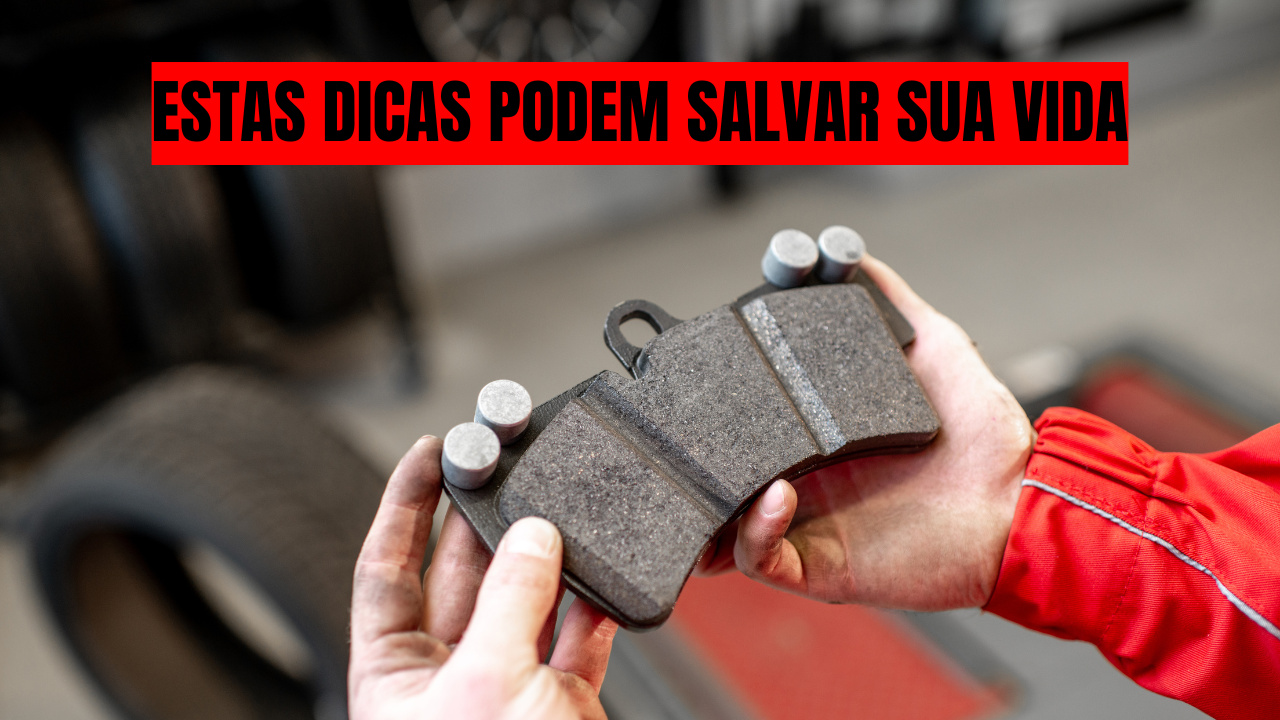
Discover The Main Signs Indicating When To Replace Brake Pads And How To Maintain The Safety And Efficiency Of Your Vehicle’s Braking System.
Brake pads are essential components for the safety of any vehicle. They are part of the system that ensures speed reduction and stopping the car, being responsible for generating the necessary friction when in contact with the brake discs.
However, like any part, they naturally wear out over time and require periodic replacement. Knowing when to replace these parts can prevent accidents and higher repair costs in the future.
Contrary to what many believe, you don’t need to be a specialist to notice that something is wrong. The car itself often gives clear signs that it’s time for replacement.
-
The Argentine government celebrates the lowest poverty rate in 7 years, but experts warn that the methodology has changed, real wages have fallen, unemployment has risen, and the number of people on the streets of Buenos Aires has increased by 57% since Milei took office.

-
7.8 magnitude earthquake in Indonesia frightens the population, triggers tsunami alert, and hits an island with over 200,000 inhabitants this Thursday.

-
Google will finally let you change that embarrassing Gmail address you created in your teenage years without losing any accounts, logins, or old emails: the feature is already available in the United States.

-
Heading to Brazil in a Bonanza F33 single-engine aircraft: a couple departs from Florida on a visual flight, makes technical stops in the Caribbean to refuel and organize paperwork, and begins the staged crossing until they reach the country.


Car Brake Pads, Know When To Replace
Constant Squeaking When Braking: Pay Attention To The Noises
One of the first signs of wear on the pads is the emergence of high-pitched noises when pressing the brake pedal.
In specific situations, such as after driving in the rain or over excessive dust, the squeaking may just be the result of dirt.
However, if the noise persists, it is a strong indication that the pads are worn out. The sound is caused by the friction between the pad and the brake disc, as the material’s thickness has been reduced.
Shaking And Vibrations In The Pedal: What They Mean
Another symptom of wear is the sensation of shaking when braking. When the material of the pads wears unevenly, braking loses smoothness, causing noticeable vibrations in the pedal.
It is important not to confuse this sensation with the operation of the ABS system, which in sudden braking causes a characteristic vibration, but that is normal.
Decreased Braking Efficiency: More Space To Stop
If you notice that the car is taking longer to stop, even during light braking, it is time to be alert.
This behavior indicates that the pads have lost part of their friction capacity. In this situation, the safety of the driver and passengers is compromised, especially in emergencies.
Pedal Sinking More Than Normal: Warning Sign
When the brake pedal sinks more than usual, it’s time to seek professional help.
This problem may be related to the wear of the pads, the rear shoes, or even other components of the system, like cylinders and brake fluid. Ignoring this symptom can bring serious risks.
Visual Inspection: What To Look For
A simple way to identify pad wear is through a visual inspection.
If the thickness is very thin, replacement should be done immediately. During this check, it’s also important to analyze the condition of the discs, looking for cracks, warping, or uneven wear, which can compromise the entire system.
Warning Lights On The Dashboard: Pay Attention To The Alerts
Many modern vehicles have systems that alert the driver about brake problems.
The light may appear with an exclamation symbol, the letter “P,” or the word “brake.” This alert does not always indicate solely wear of the pads.
In some cases, it may mean that the parking brake was not released or that the fluid level is low.
In any of these scenarios, the recommendation is to seek a trusted workshop as soon as possible.
Mileage And Inspections: When To Replace Brake Pads
On average, manufacturers recommend replacing the pads every 12,400 to 18,600 miles. However, this number can vary according to driving style and vehicle usage conditions.
For cars facing heavy traffic, dirt roads, or frequent downhill driving, inspections should be conducted at shorter intervals, every 4,300 to 6,200 miles.
Additionally, whenever the vehicle undergoes periodic inspections, it’s advisable to request that the mechanic conduct a detailed assessment of the braking system.
How To Extend The Lifespan Of The Pads?
To prolong the durability of the pads and save on replacements, some simple precautions make all the difference.
Avoid sudden braking and, upon noticing a red light, gradually reduce speed using the engine brake.
On descents, prioritize the use of lower gears instead of keeping your foot constantly on the brake pedal.
Furthermore, it is essential to maintain the level and replacement of the brake fluid on schedule, following the manufacturer’s recommendations.









-

-

4 pessoas reagiram a isso.