





 Portuguese
  English
  Spanish
  3 min of reading
  0 comments



Have you ever stopped to think about how WhatsApp has become almost an extension of our lives? Today it is not just a messaging app: it is a work tool, a space for family conversations, a means of contact with companies, and even a stage for political and social debates. Behind this routine of taps and notifications, there are stories and curiosities that help explain why the app is so indispensable.
The Simple Beginning That Turned Into a Giant
WhatsApp was created in 2009 by Brian Acton and Jan Koum, former employees of Yahoo. The initial idea was not to be a messaging app, but rather a way to show personal statuses, like “at the movies” or “busy.” This detail is still present today in the “about” section of the profile. It was only later that the messaging feature was added, which opened the door to the global transformation we know.
The Billion-Dollar Acquisition by Facebook
In 2014, WhatsApp was bought by Facebook (now Meta) for an incredible $19 billion, one of the largest acquisitions in technology history. Mark Zuckerberg’s justification was clear: to secure Meta’s presence in the world’s most used messaging app. This transaction reinforced WhatsApp’s strategic importance, which was already dominant in several countries, including Brazil.
-
One of the most important lakes in the United States for birds, the balance of nature, and the climate has dried to historic levels, leaving boats stranded, revealing salt flats, and showing how the lack of water can transform an entire landscape.

-
It’s not Cristiano Ronaldo or Messi: the richest football player in the world is only 27 years old, has a fortune of 100 billion reais, and is the nephew of a sultan from an Asian country that few people know about.

-
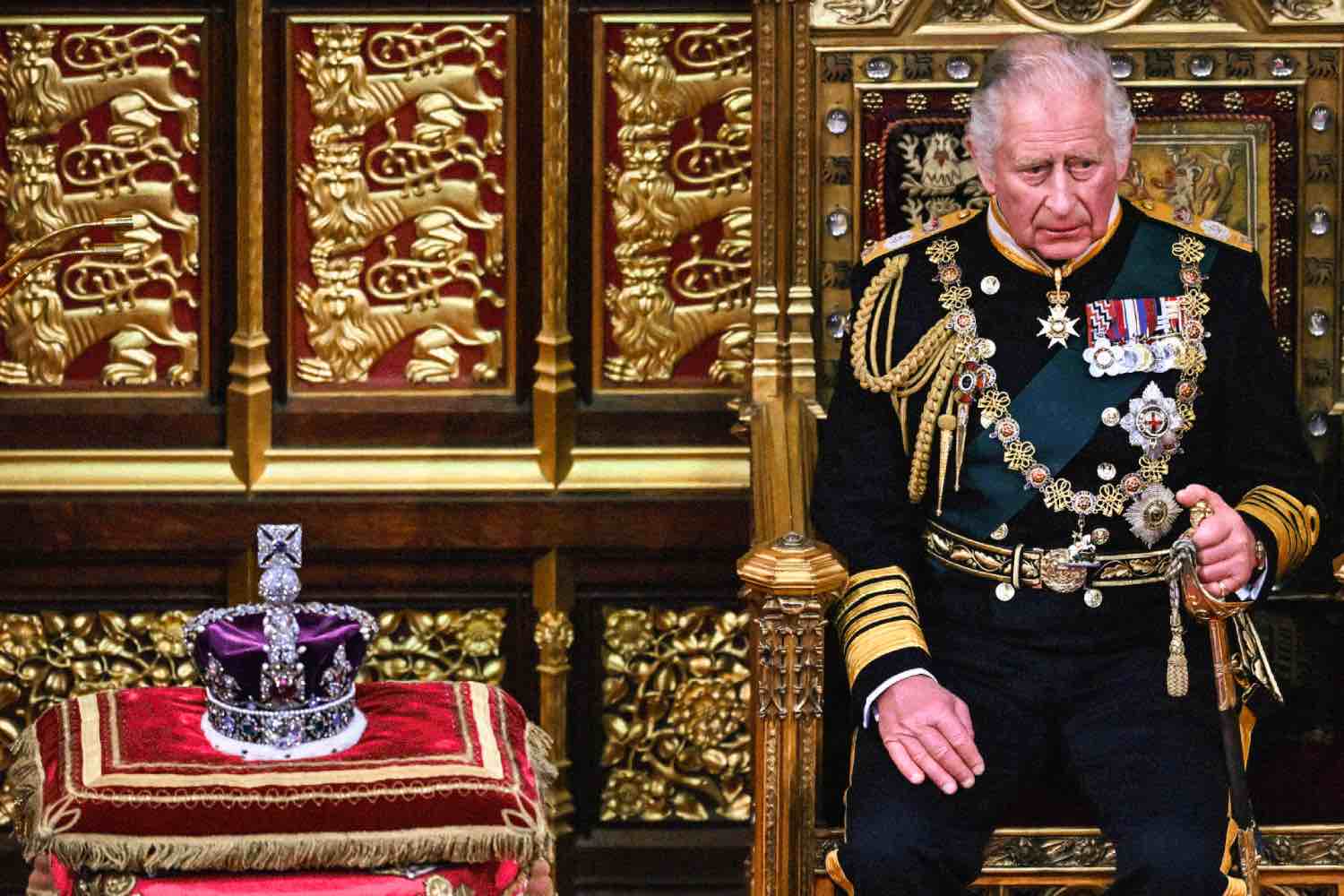
At 77, the king of one of the most famous and powerful crowns on the planet is said to be under pressure to leave the throne, while behind the scenes there are already talks of a new coronation that could cost R$ 260 million.
-
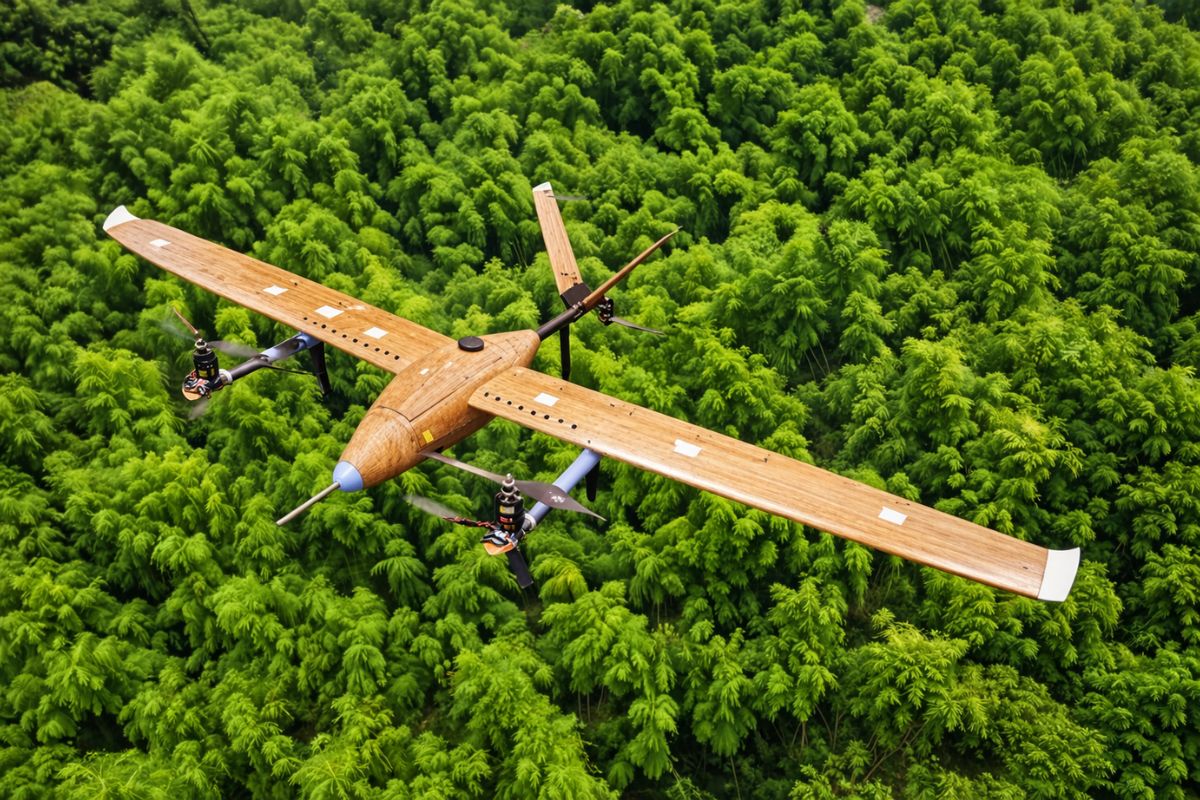
Chinese researchers have created bamboo drones that fly with the same precision as conventional models and have released the flight control software for free to the entire world in a technology that could revolutionize sustainable aviation.
Brazil as One of the Largest Users
Brazil is among the top three countries that use WhatsApp the most in the world. For many Brazilians, it has completely replaced SMS and even phone calls. Research from DataReportal showed that over 95% of internet users in the country use the app daily. This explains why many companies here use WhatsApp as their main channel for customer service and sales.
The Voice Messages That Changed the Conversation
If today audio messages are a source of love and hate, it’s because the feature transformed the way we communicate. Introduced in 2013, the ability to record voice messages brought more intimacy to conversations, allowing the sharing of emotions, tone, and even improvisations that text could not capture. Interestingly, WhatsApp was one of the first major apps to popularize this type of feature, even before rivals like Telegram or Messenger.
End-to-End Encryption
An important milestone in WhatsApp’s history was the implementation of end-to-end encryption in 2016. This feature ensures that only the sender and recipient can read the messages; not even the company has access to the content. This innovation brought more trust and security, especially in times of digital privacy concerns.
The “Blue Check” That Became Controversial
The two blue checkmarks indicating when a message has been read arrived in 2014 and quickly generated discussions. Many users felt pressured by the obligation to respond, while others loved the transparency. To balance this, WhatsApp launched the option to disable read receipts, but they still remain one of the most recognizable symbols of the app.
Groups and Broadcast Lists
Few features have had as much social impact as WhatsApp groups. Whether to organize barbecues, study for exams, or debate politics, they have become part of everyday life. In parallel, broadcast lists allowed companies, influencers, and even family members to send bulk messages without losing personalization. These functionalities helped consolidate the app as more than just a chat, but rather a collective space.
The Power of Stickers
Another curious detail is the craze for stickers. Although they were officially introduced in 2018, Brazilians quickly created a true culture around them. From memes to inspiring quotes, stickers gained a life of their own and became a new digital language. Today, it is hard to imagine a conversation without at least one sticker to reinforce the emotion.
A Reflection of How We Relate
WhatsApp has ceased to be just an app and has become a lens to observe changes in how we communicate. It shows how technology can create new languages, shorten distances, and even generate controversies. What started as a simple status evolved into a global phenomenon that continues to shape the way we talk, work, and interact.
And if today you woke up with dozens of messages in the family group or received that giant audio from a friend, remember: each notification carries a bit of the history of this app that changed communication forever.






Seja o primeiro a reagir!