





 Portuguese
  English
  Spanish
  4 min of reading
  0 comments


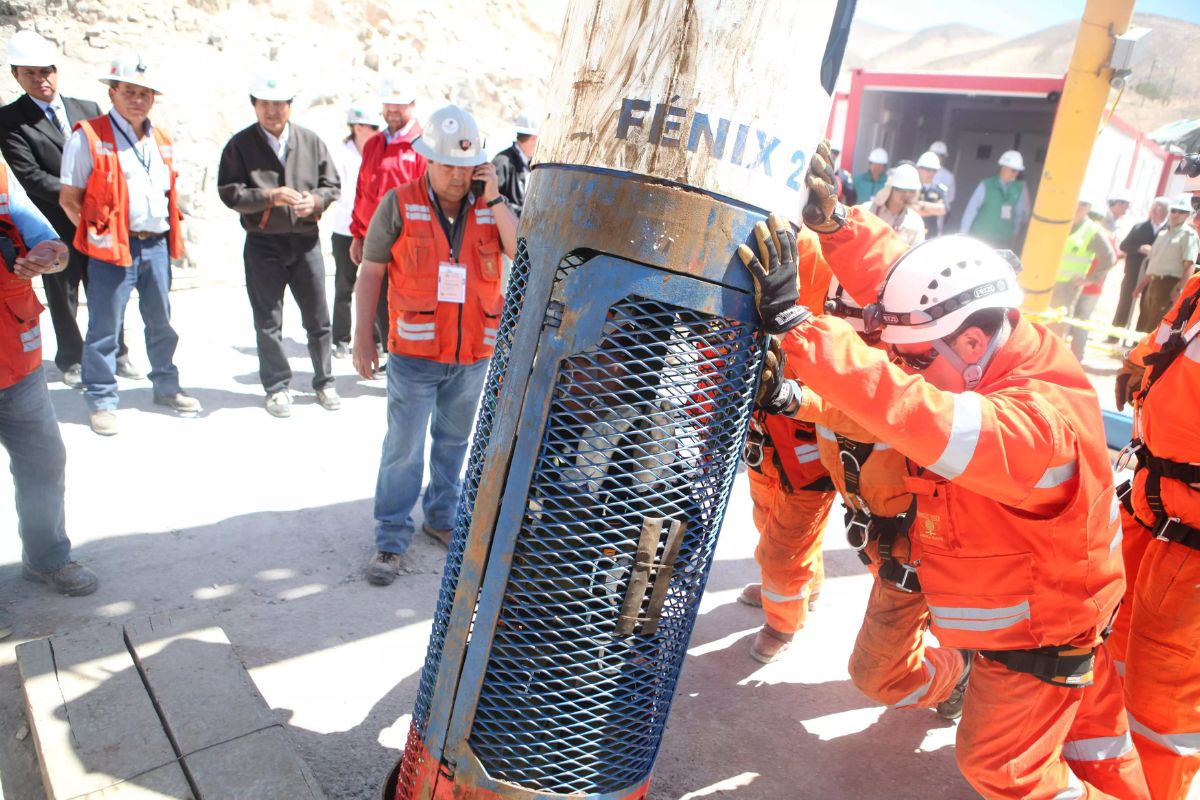
For 69 Days, The World Held Its Breath. This Is The Story Not Just Of Survival, But Of Innovation, Logistics And Technology That Came Together To Achieve One Of The Most Impossible Rescues Of All Time.
August 5, 2010. 700 meters deep in the Atacama desert, a mass of rock weighing double that of the Empire State Building collapses, sealing the exit of the San José mine. Below ground, 33 men are trapped in darkness, with food for two days and no means of communication. For the outside world, hope was almost nonexistent.
What followed was not just a story of survival, but one of the most spectacular demonstrations of engineering and international collaboration in history. This is the definitive guide to understand the technology and ingenuity that made the Chilean miracle a reality.
The Silence And The Needle In The Haystack: The First 17 Days
The initial challenge was monumental: to locate a small emergency refuge nearly 700 meters deep in an unstable mountain. Rescue teams began exploratory drilling, a desperate race against time. They were drilling blind, guided by topographic maps and a small dose of hope.
-
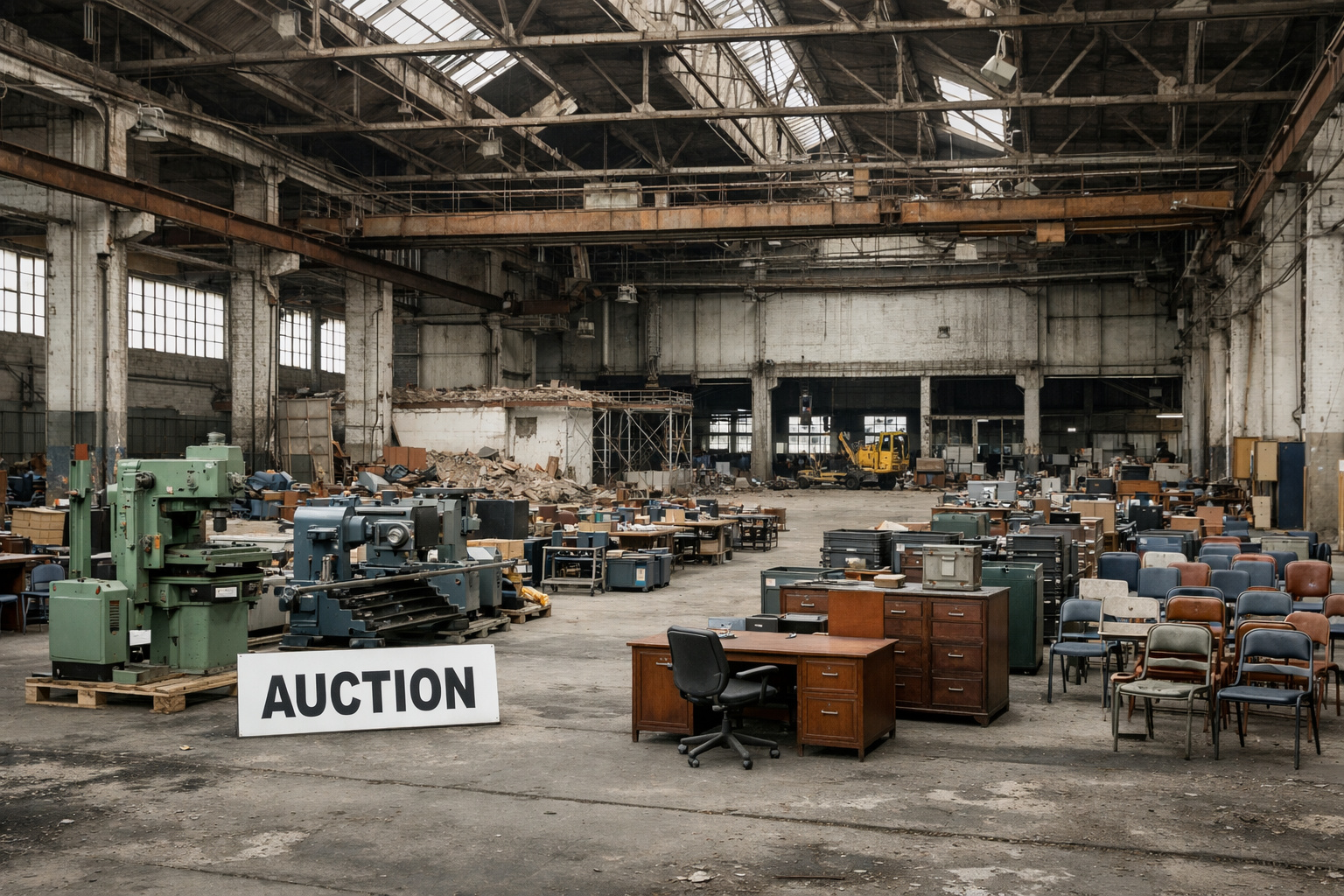
Historic bankruptcy of Centauro shocks the market, and the century-old company puts more than 500,000 products, machines, and complete infrastructure up for online auction.
-
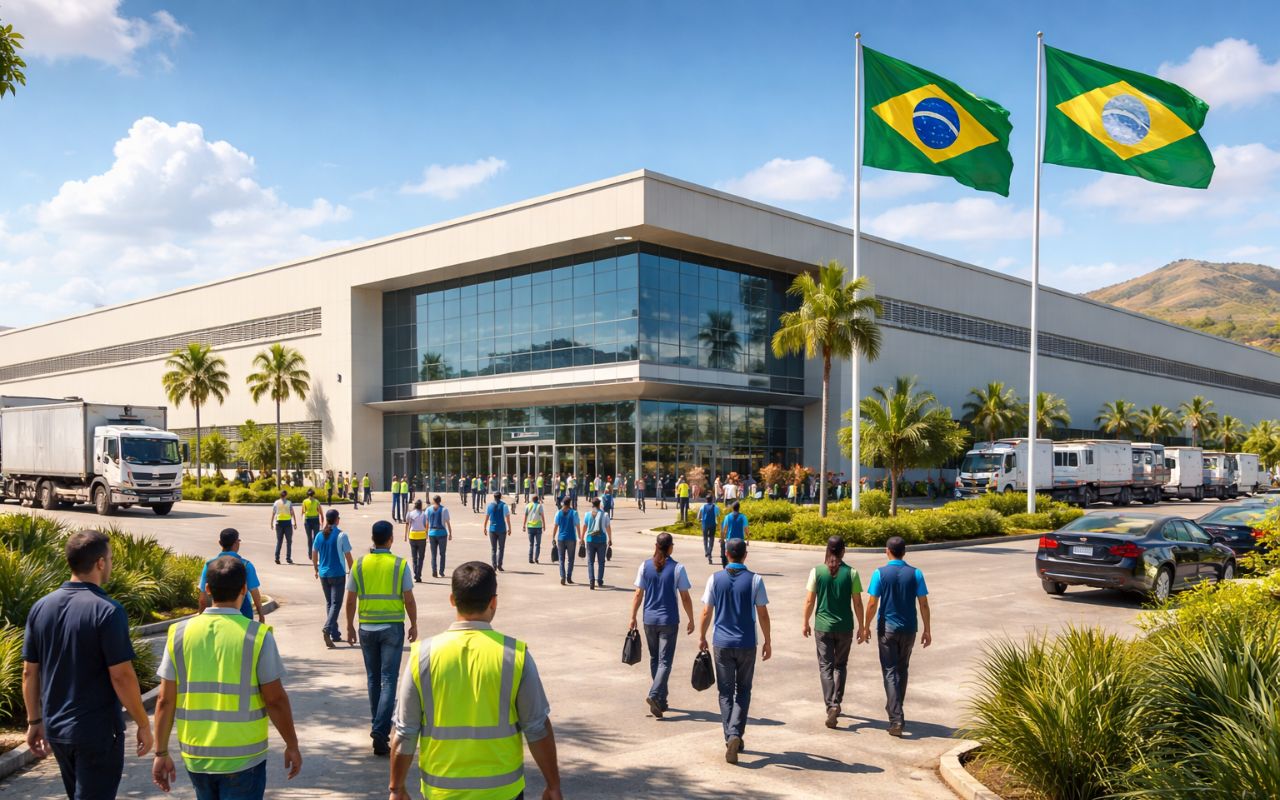
New shoe factory in Ceará is expected to create 400 jobs and strengthen the local economy.
-
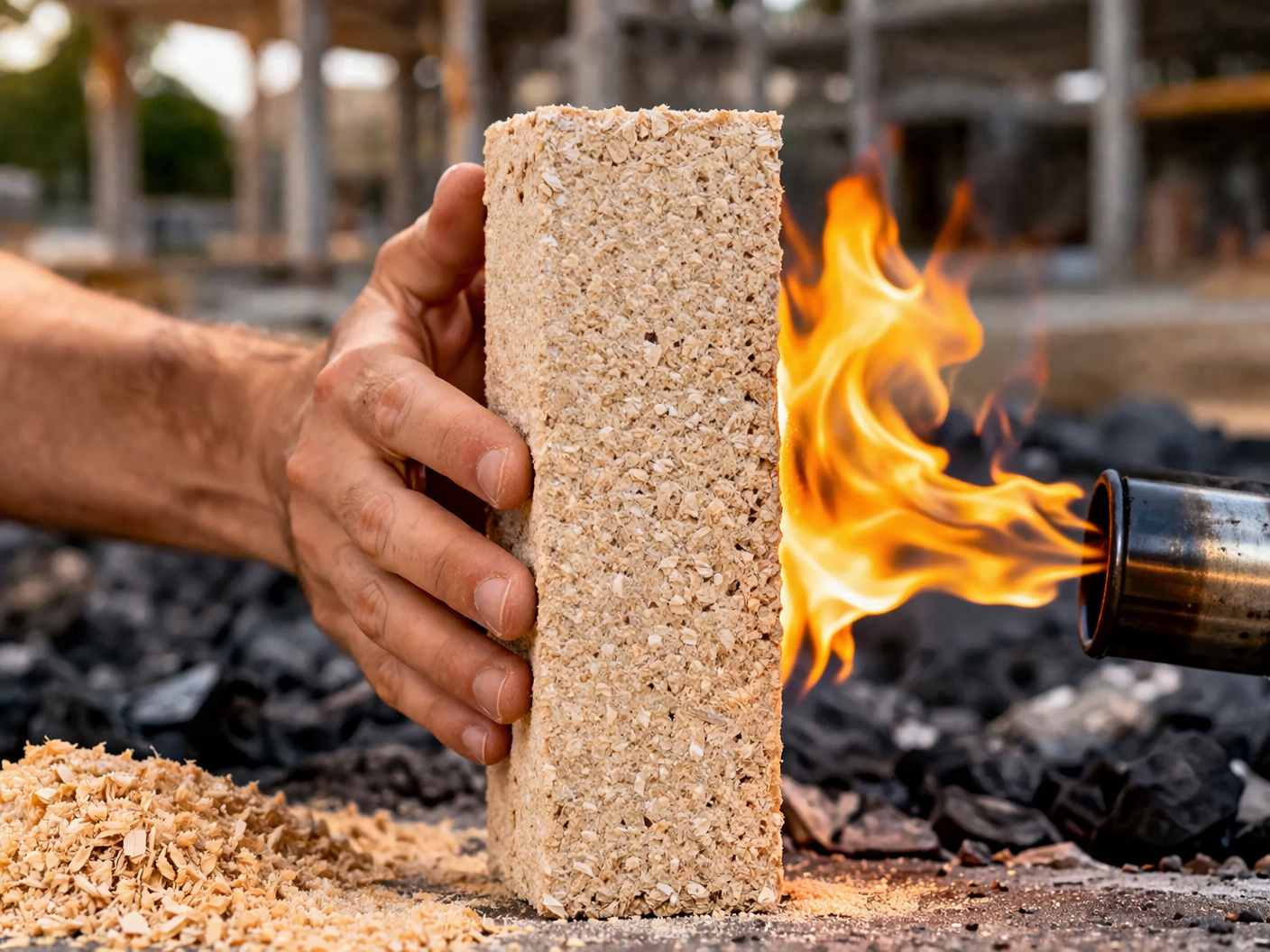
No one imagined it, but a mixture of sawdust with a mineral that fights fires surprises scientists with a result that changes the course of fire-resistant construction.
-
From empty land to a high-end house, wooden construction uses a lightweight system, metal structure for the foundation, ventilated ceramic cladding, and special windows to create an efficient and comfortable living space throughout the year.

On August 22, 17 days after the collapse, one of the drills finally hit its target. As it was lifted, the operators noticed something unusual. Tied to the end of the drill was a piece of paper, secured with rubber bands. On it, the message that would change everything, written in red marker: “We are fine in the refuge, the 33”. The world learned: they were alive.
The Logistics Of Survival: The ‘Doves’ That Carried Life
Knowing they were alive was just the beginning. The new challenge was to keep them physically and mentally healthy for months while a rescue plan was devised. The solution came in the form of narrow ducts, only a few centimeters in diameter, that became the lifeline for the miners.
Through them, capsules nicknamed “doves” were sent, carrying:
- Nourishment: high-calorie gels, soups, and solid food, with a nutrition plan developed with support from NASA.
- Communication: optical fibers for video conferences with families, keeping morale high.
- Health And Leisure: medications, clean clothes, video projectors, and even video games to combat the stress of confinement.
Plan A, B And C: The Engineering Of Drilling
There was not just one rescue plan, but three, operating simultaneously in a race for life. Each used a different drilling technology:
Plan A (Strata 950): a drill that widened one of the existing communication ducts. It was the slowest method, but the most tested.
Plan B (Schramm T-130): a large drill, normally used for drilling water wells, that was adapted. It was faster, but the technology was less common for this type of rock. This was the machine that first reached the miners.
Plan C (RIG-421): a gigantic oil drilling rig capable of opening a hole wide enough for a person, but which required a massive logistical operation to be assembled on site.
This strategic redundancy was crucial to ensure that at least one of the options succeeded.
Phoenix: The Engineering Of The Capsule That Rose From Hell
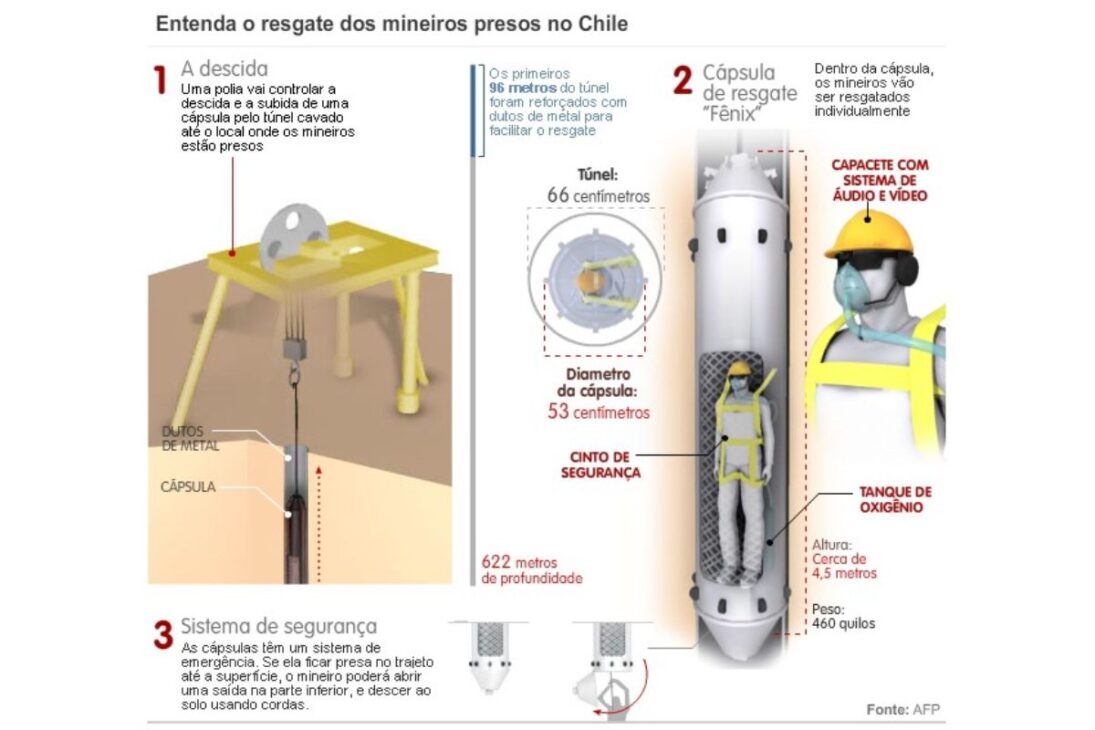
With a rescue tunnel underway, a vehicle was needed to safely transport the men. The Phoenix rescue capsule was born, designed by the Chilean Navy (ASMAR) in record time.
With a diameter of less than 54 cm, the Phoenix was a compact engineering masterpiece:
- Reinforced steel structure to withstand friction with the rock.
- Oxygen supply onboard.
- Communication and vital signs monitoring system.
- A safety harness to keep the occupant secure during ascent.
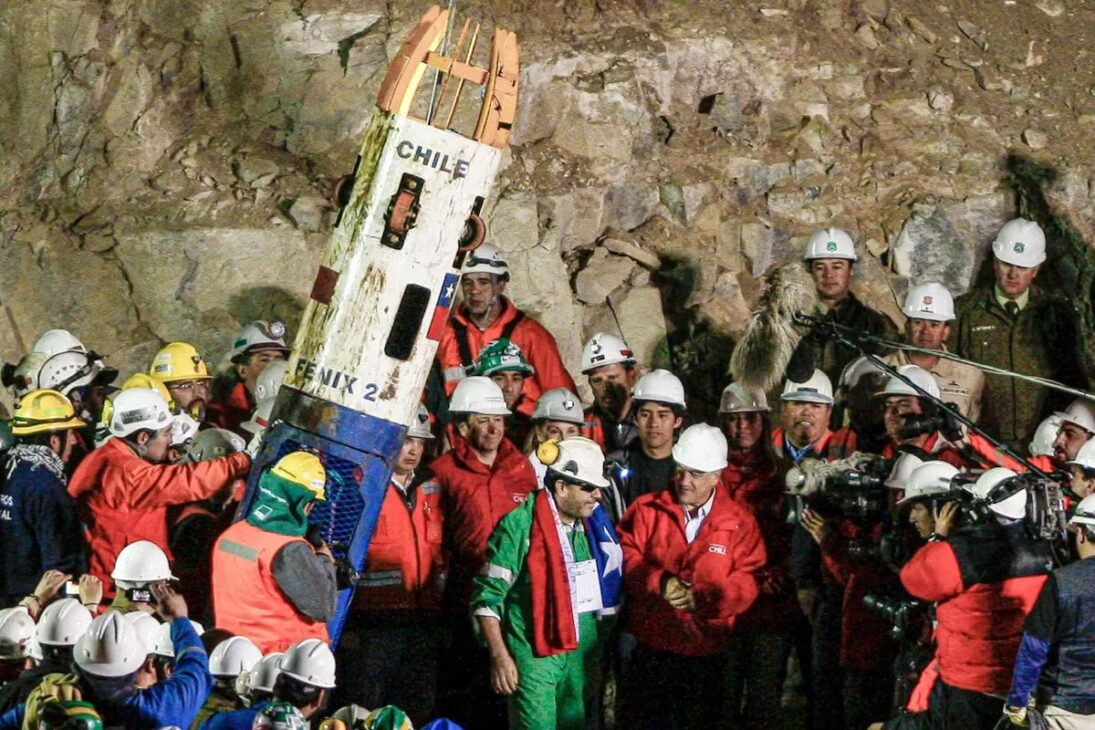
Three versions of the capsule were built. The Phoenix 2 was chosen for the final mission, becoming a global icon of hope and innovation. The rescue of the 33 miners from Chile depended on the perfection of its design.
The Final Operation: 22 Hours That Stopped The World
On the night of October 12, 2010, 69 days after the collapse, the final phase of Operation San Lorenzo began. The Phoenix 2 descended for the first time, and one by one, the miners were lifted in a journey of approximately 20 minutes each to the surface.
The operation, broadcast live to over a billion people, was executed with military precision. After 22 hours, the last miner, shift leader Luis Urzúa, reached the surface, concluding one of the most thrilling and successful rescue missions in history.
What aspect of this rescue operation impressed you the most: human resilience or engineering innovation? Share your thoughts!





Seja o primeiro a reagir!