





 Portuguese
  English
  Spanish
  3 min of reading
  0 comments


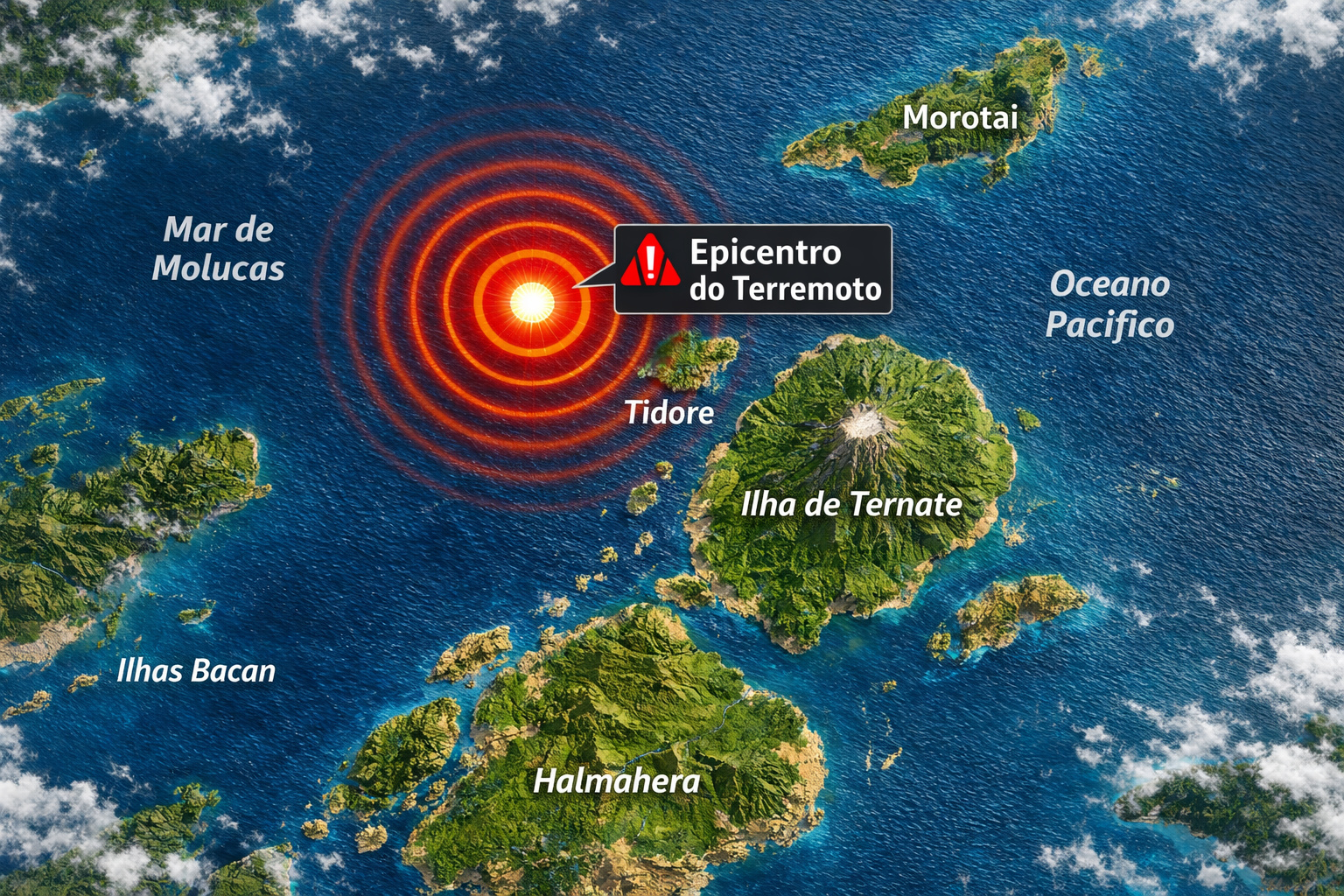
Intense tremor registered in the north of the Molucca Sea mobilizes authorities, triggers tsunami alert and reignites global concern with large magnitude seismic events
A strong earthquake of magnitude 7.8 struck the region north of the Sea of Moluccas, Indonesia, this Thursday (1st), generating an immediate tsunami alert and putting local authorities on high alert. The tremor was recorded near the coast of the island of Ternate, which has about 210,000 inhabitants, raising concerns about possible impacts in the region.
The information was released by the United States Geological Survey, responsible for monitoring seismic activities around the world. According to the agency, the quake occurred at a depth of 10 kilometers, a characteristic that can intensify the perception of the tremor at the surface.
Despite the strength of the earthquake, there are no reports of casualties as of the last update of this report. However, the event reignites the alert about the vulnerability of regions near areas of intense tectonic activity.
-
Google will finally let you change that embarrassing Gmail address you created in your teenage years without losing any accounts, logins, or old emails: the feature is already available in the United States.

-
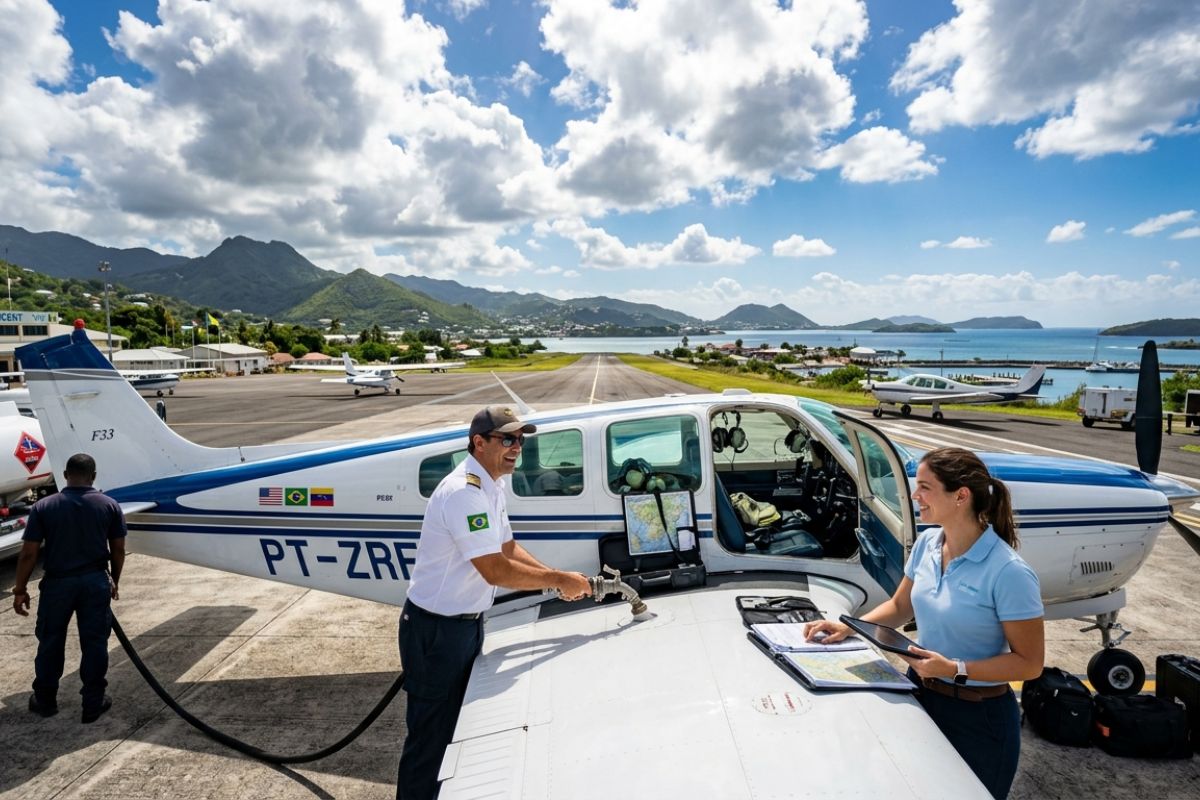
Heading to Brazil in a Bonanza F33 single-engine aircraft: a couple departs from Florida on a visual flight, makes technical stops in the Caribbean to refuel and organize paperwork, and begins the staged crossing until they reach the country.
-
Unknown Brazilian rewrites one of the pillars of physics and gains global prominence: discovery made in Rio becomes central theme of the 2027 Nobel Prize.

-
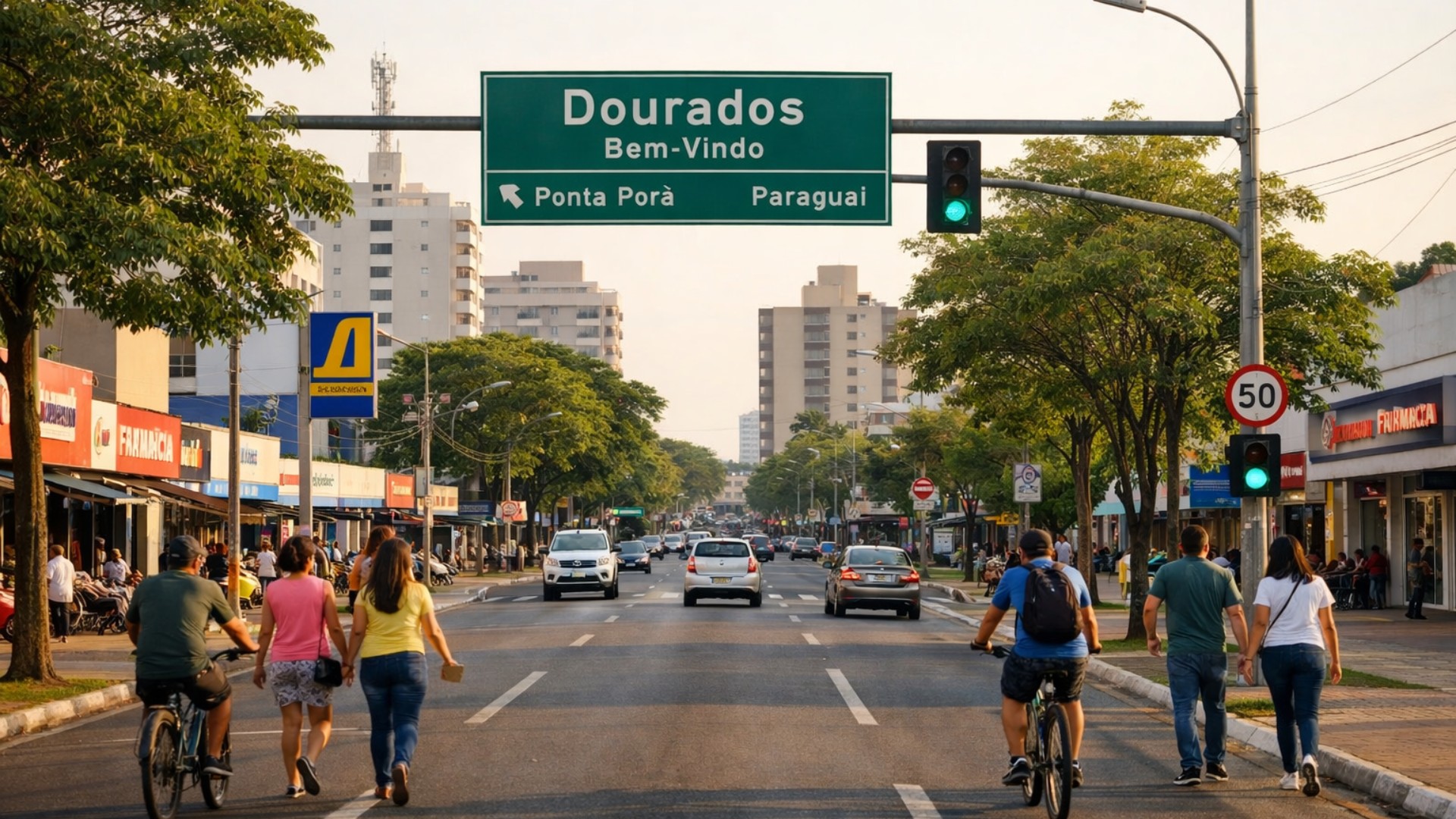
Brazilian city neighboring Paraguay becomes a ‘magnet’ for people seeking quality of life and high standards with exceptional growth and commutes of up to 15 minutes.

Large magnitude tremor reignites seismic alert in the region
Initially, the earthquake was identified as one of the strongest recorded recently in the region. This is because events with a magnitude greater than 7 are already considered potentially destructive, especially when they occur in populated areas.
Furthermore, the proximity of the epicenter to the coast of Ternate increases the risk of direct impacts on the local population. The island, although relatively small, is home to about 210,000 people, making any seismic event a major concern.
Meanwhile, the fact that the tremor occurred at a depth of only 10 km indicates that the energy released was felt more intensely at the surface. In other words, the shallower the earthquake, the greater the perception of the impact tends to be.
Consequently, residents of the region reported scares and unusual movements shortly after the tremor, reinforcing the seriousness of the event.
Tsunami alert issued, but impact is limited
Shortly after the tremor, authorities issued a tsunami alert, a standard measure in large magnitude underwater seismic events. This type of alert is crucial to avoid tragedies, as waves can reach coastal areas in a matter of minutes.
However, in this case, the wave recorded was only 0.3 meters high, which significantly reduced the risk of greater damage. Still, the episode serves as a warning for the need for preparedness in vulnerable regions.
On the other hand, experts emphasize that not all earthquakes of this magnitude result in devastating tsunamis. This depends on factors such as seabed displacement, depth, and location of the epicenter.
Indonesia is among the most vulnerable regions in the world
Indonesia is recognized as one of the areas with the highest seismic activity on the planet. This is because the country is located in the so-called “Pacific Ring of Fire,” a region with intense tectonic plate movement.
Additionally, this geological characteristic makes earthquakes and volcanic eruptions relatively frequent. For this reason, alert and monitoring systems are constantly used to reduce risks to the population.
Meanwhile, events like the one recorded this Thursday reinforce the importance of investments in prevention, infrastructure, and rapid response to natural disasters.
What this event reveals about global risks
In light of this scenario, experts highlight that large magnitude earthquakes remain unpredictable, which requires constant vigilance and preparedness.
Moreover, even when there are no casualties, these events serve as a global alert about the power of nature and the need for planning in risk areas.
Finally, although the direct impact was limited in this case, the episode reinforces that coastal regions near seismic zones must remain in a state of constant alert.
If you were in an earthquake-prone area, would you know exactly what to do in a moment like this?





Seja o primeiro a reagir!