





 Portuguese
  English
  Spanish
  2 min of reading


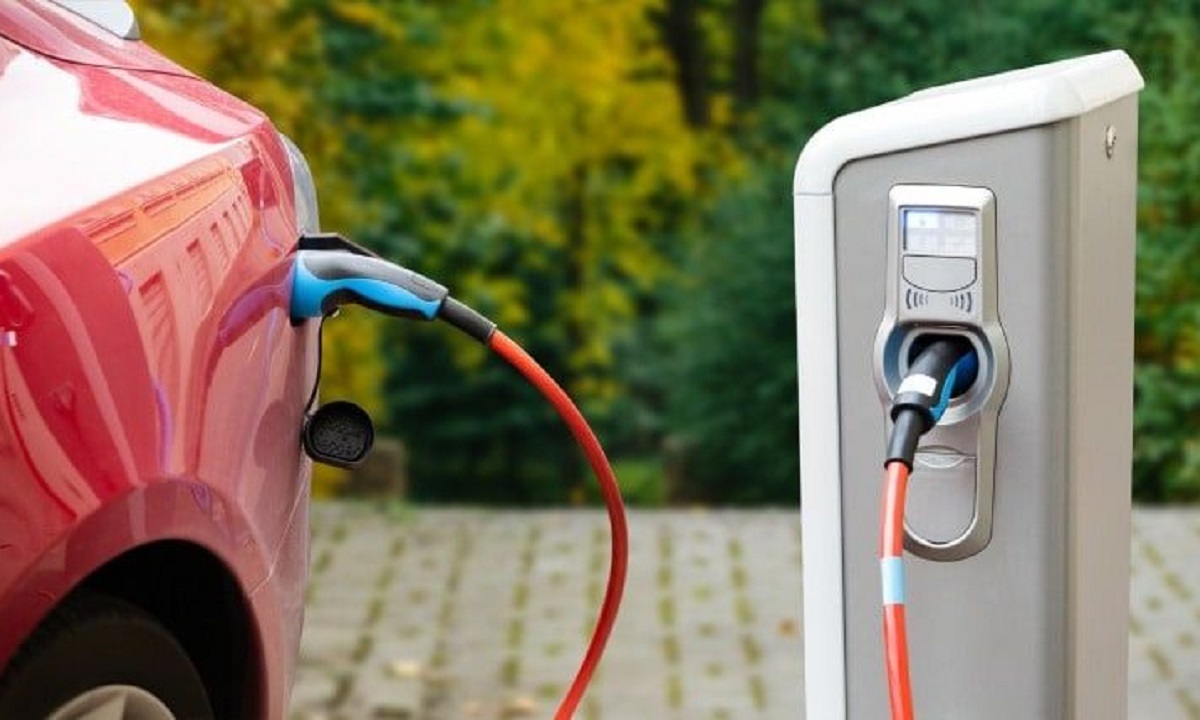
Wyoming, In The United States, Goes Against The Global Trend To Increase Demand For Zero-Emission Vehicles
In the U.S., the state of Wyoming has the disappointing desire to ban the sale of electric cars. Going against the global trend that aims to increase demand for zero-emission vehicles, the state decided to introduce a law to gradually limit the purchase of electrified vehicles by 2035. The measure was created in response to laws implemented in California and New York, which prohibit the sale of new combustion-only cars for 12 years.
Did The Committee Accept The Implementation Of The Law That Limits The Purchase Of Electric Cars?
Initially, the document made with the collaboration of Republican Senator Jim Anderson had some valid arguments. Still, as expected, the resolution fell during the meeting of the Wyoming Minerals, Business and Economic Development Committee. The protection of the culture of rural communities in the region – which do not even have internet access – is one of the arguments used in the speech for the prohibition of selling electric cars.
Arguments Used For The Prohibition Of Electrified Vehicles In The U.S. State
The main concern, in this regard, is the threat to local employment, since Wyoming is the eighth largest oil producer in the U.S. Thus, the lack of demand for gasoline created by the expansion of electric cars would affect job availability in the oil and gas sector.
-
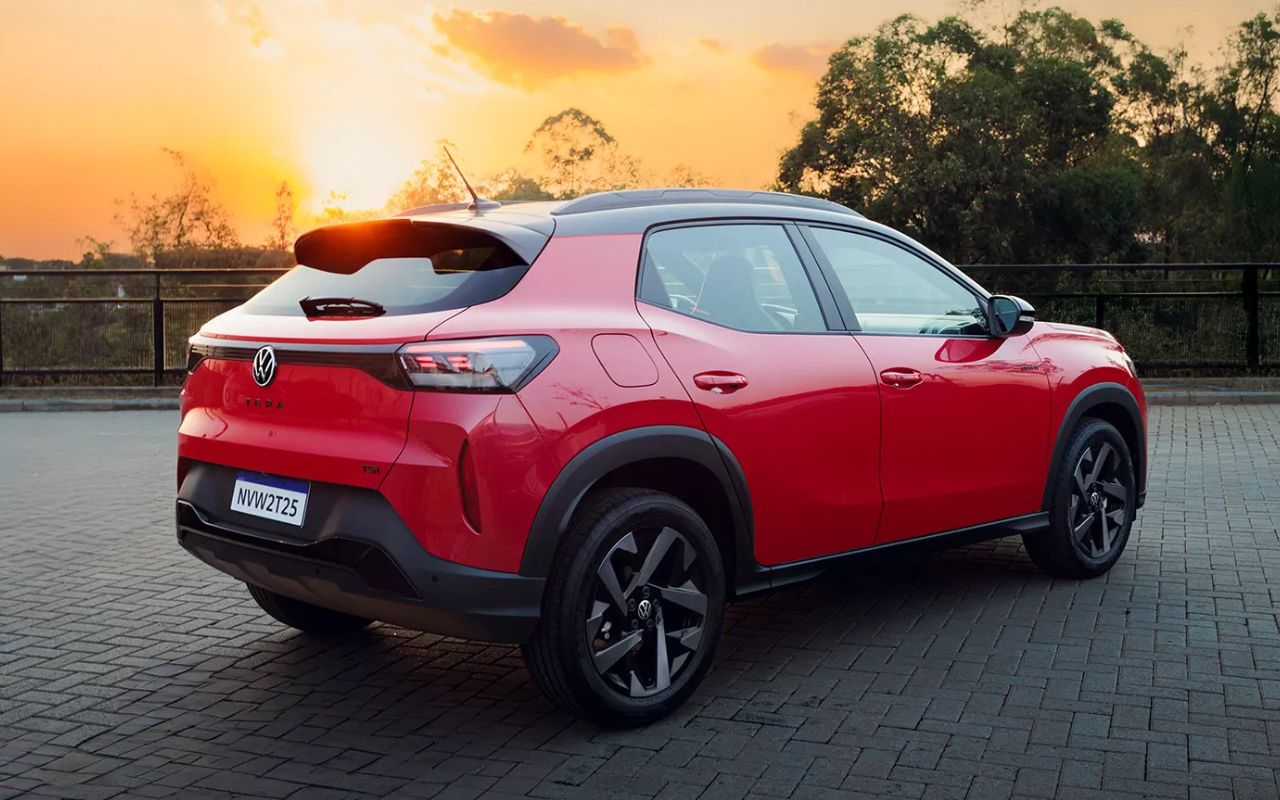
It surpassed the T-Cross, Creta, and Tracker: with nearly 8,000 units sold, the Volkswagen Tera was the best-selling SUV in March 2026.
-
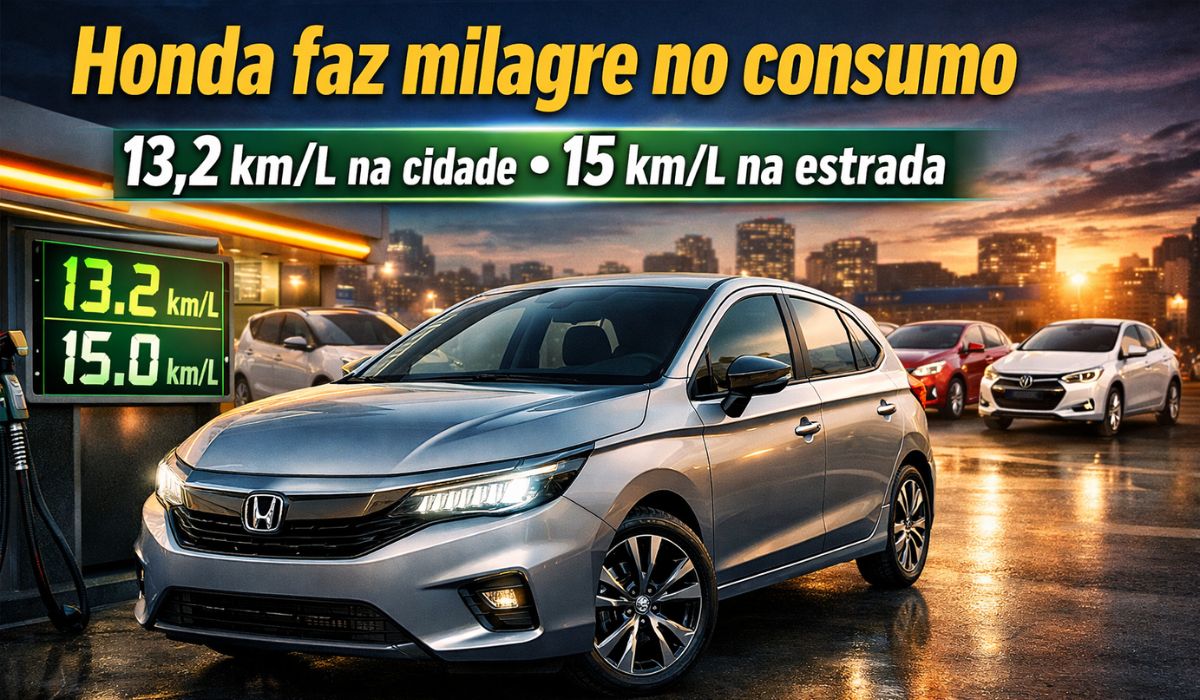
Honda performs miracles in fuel consumption with a hatch that marks 13.2 km/l in the city and 15 km/l on the highway, leaving Polo, HB20, 208, and Onix behind and becoming a reference among compact cars without resorting to turbo or hybrid systems.
-
Six diseases that seem common but can prevent the renewal of the driver’s license for the elderly throughout Brazil and surprise experienced drivers — could any of them affect you without showing clear signs?

-
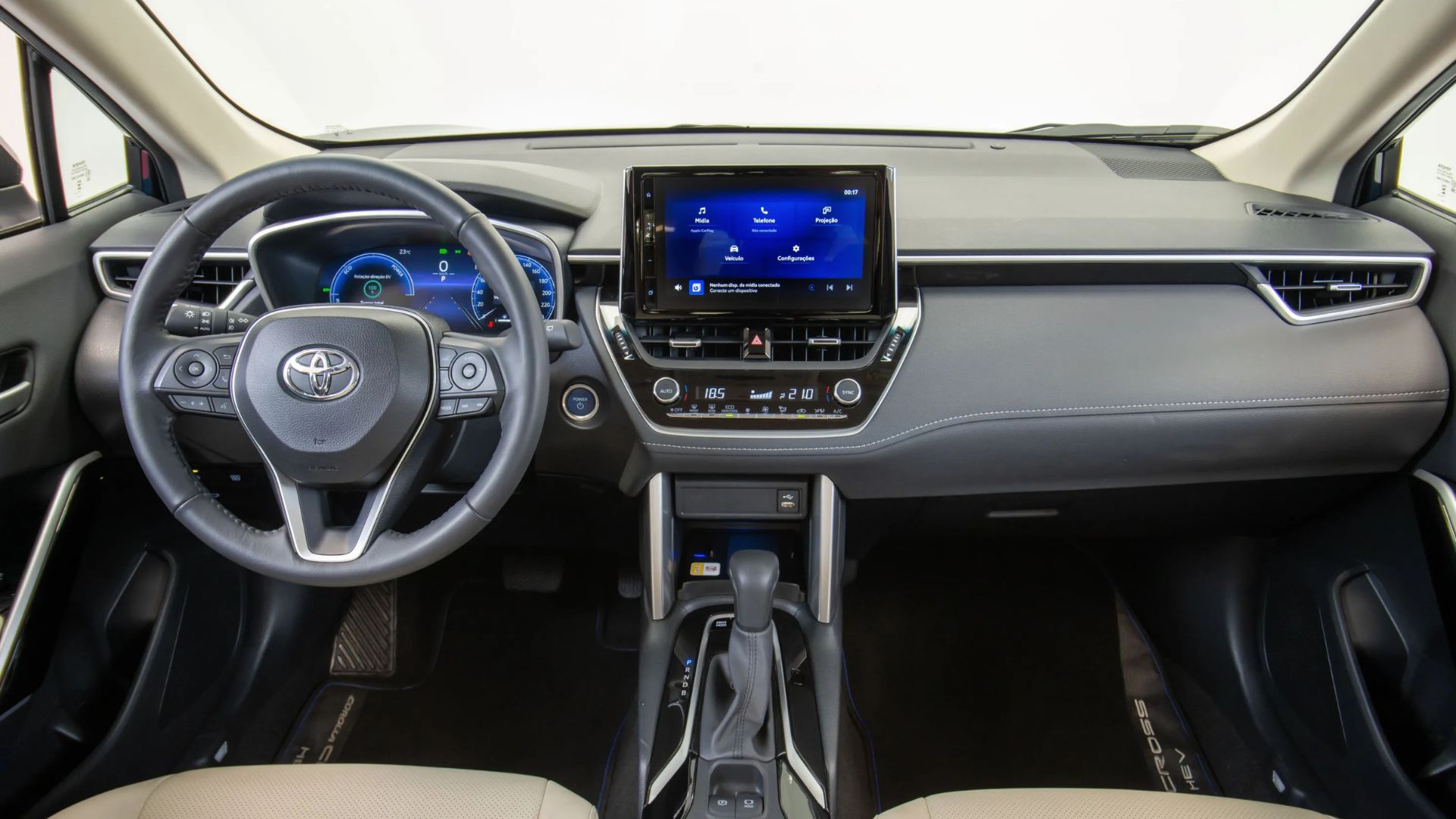
With 122 hp, fuel consumption of up to 17.7 km/l, and a trunk capacity of 440 liters, this hybrid SUV impresses even though it costs up to R$ 47,000 more than the Yaris — meet the Toyota Corolla Cross.
There is also the argument that local implementation of electrified vehicle culture would be nearly impossible, as it would require the construction of a charging infrastructure. After all, the region – surrounded by plains and rocky mountains – has several rural communities that do not even have internet access.
According to legislators, the United States has a limited supply of minerals for battery manufacturing. Furthermore, the document adds that the minerals used in batteries are not easily recyclable or disposable. Therefore, municipal landfills would be required to develop practices for battery disposal.








Seja o primeiro a reagir!