





 Portuguese
  English
  Spanish
  3 min of reading
  4 comments



Rare Earths Norway Reveals Stunning Rare Earth Reserve Essential for Energy Transition and Europe’s Independence
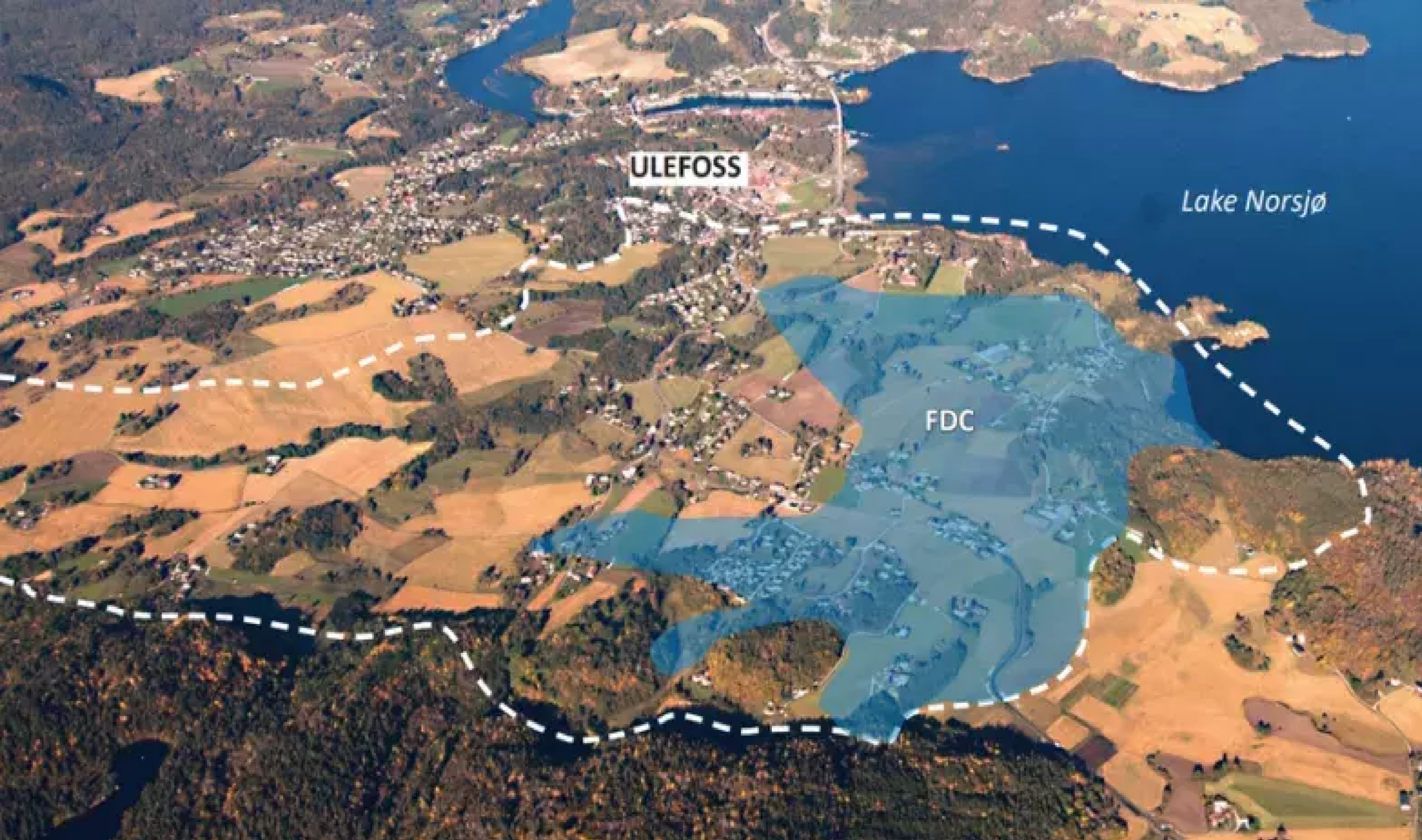
The Norwegian mining company Rare Earths Norway announced this Thursday (6th) the discovery of the largest rare earth deposit in Europe, located in the southeast of the country. This deposit, named Fensfeltet, is a significant find, with estimates pointing to 8.8 million tons of these chemical elements, essential for the global energy transition, according to Uol News.
The Magnitude of the Discovery in Norway
Rare Earths Norway conducted three years of drilling and analysis to arrive at this discovery. The Fensfeltet deposit greatly exceeds the estimated reserves between one and two million tons found at the Kiruna mine in Sweden, which is not yet under exploitation.
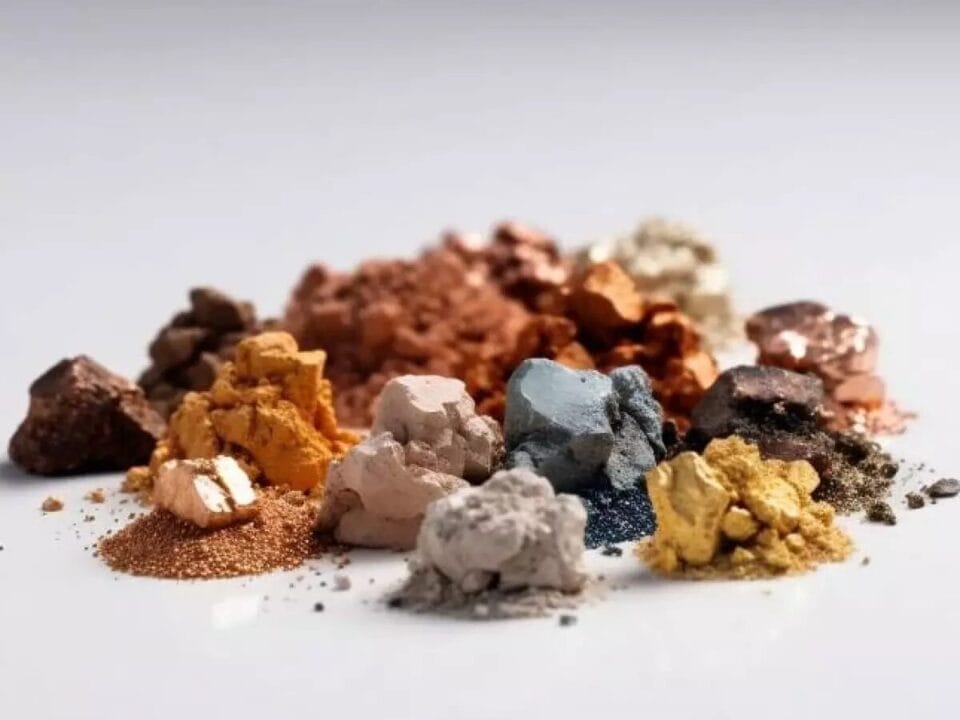
In a statement, the company said that “an initial estimate of the mineral resources shows that Fensfeltet is the largest rare earth element deposit in Europe.” The calculations were made with the assistance of Canadian consultant WSP, which confirmed the existence of 1.5 million tons of resources suitable for the production of rare earth magnets, used in electric cars and wind turbines.
-
Historic bankruptcy of Centauro shocks the market, and the century-old company puts more than 500,000 products, machines, and complete infrastructure up for online auction.

-
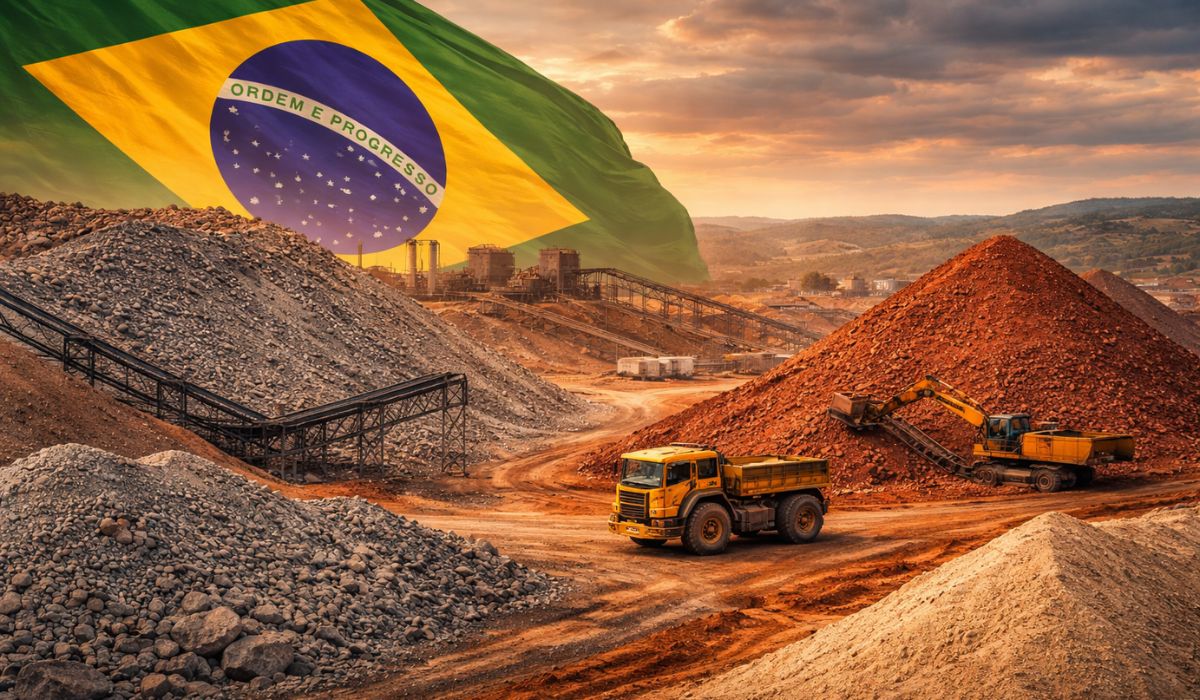
Brazil extracts 26.3 million tons of ore from what was previously treated as waste, transforming residues into wealth, producing over 3 million tons of sand, and demonstrating how national mining is relearning to generate value.
-
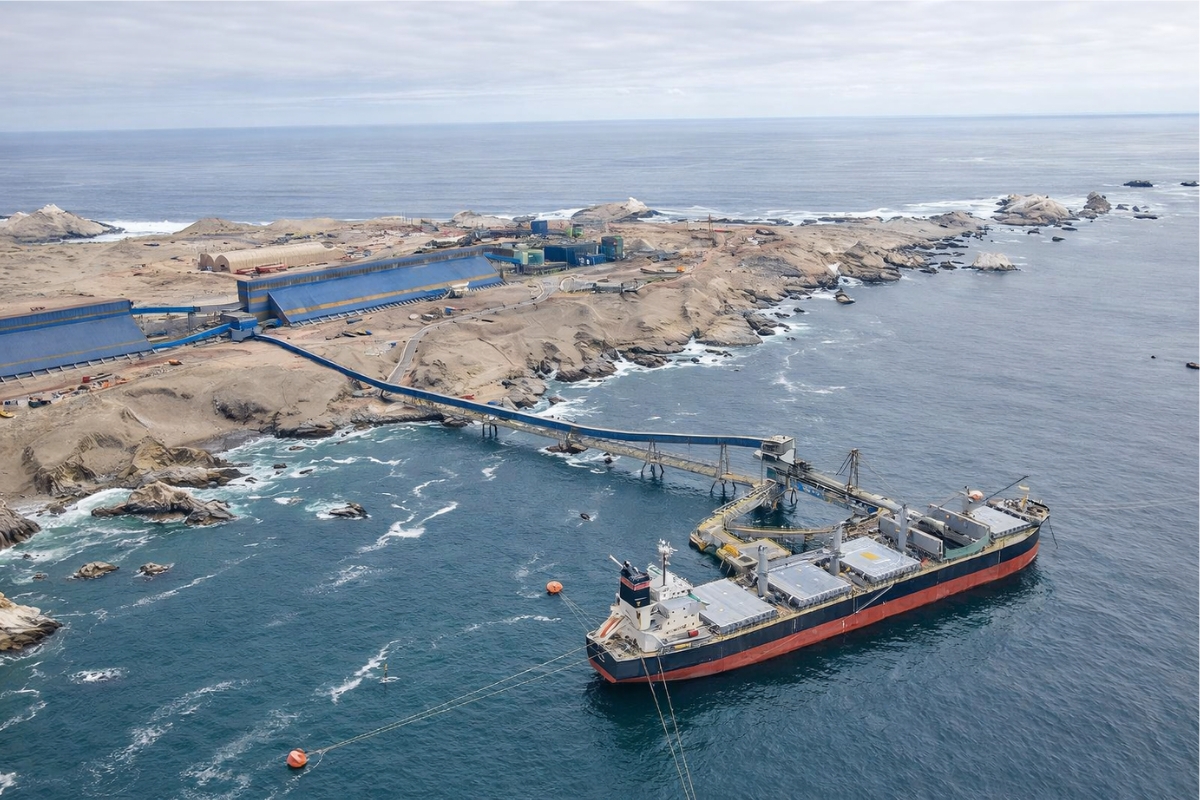
A $3.5 billion megaproject in Latin America pumps desalinated seawater at 1,050 liters per second over 194 km to keep a copper supermine in the Andes operational for another 20 years.
-
New shoe factory in Ceará is expected to create 400 jobs and strengthen the local economy.

Strategic Importance for Europe
The discovery of Fensfeltet is a milestone for Europe, especially at a time when the bloc seeks to reduce its dependence on raw material imports, a priority established after the war in Ukraine exposed strong energy dependence on Russia. Currently, 98% of the rare earths used in the European Union (EU) are imported from China, which dominates the production of these 17 essential chemical elements used in the manufacture of technology products, such as smartphones, high-definition televisions, and computers.
Although Norway is not part of the EU, it maintains close ties with the bloc, and the discovery of Fensfeltet could significantly contribute to the security of rare earth supply in Europe. The expectation is that this reserve will help reduce dependence on China and strengthen European autonomy in the technology and renewable energy sectors.
Future Prospects of the Deposit in Norway
The extraction process of the Fensfeltet deposit is scheduled to begin in 2030. Rare Earths Norway estimates that the first phase of the project will require an investment of 10 billion Norwegian kroner, approximately R$ 5 billion at the current exchange rate. This investment is seen as a crucial step to enable the exploration and processing of the discovered resources.
The exploration of rare earths in Norway is a complex process and may have significant environmental impacts. Rare Earths Norway stated it is committed to sustainable and responsible mining practices. The company plans to implement advanced technologies to minimize environmental impacts and maximize extraction efficiency.
Furthermore, the development of the Fensfeltet deposit could generate hundreds of jobs and boost the local economy. The southeastern region of Norway could become a strategic hub for rare earth mining, attracting investments and technological development.








A DIFERENÇA ENTRE O BRASIL E A EUROPA É QUE [NA EUROPA] NÃO EXISTEM TANTOS LACRADORES AMBIENTAIS COMO AQUI NO BRASIL. EU NUNCA VI AMBIENTALISTA PENSAR EM RESOLVER UM PROBLEMA, MAS SIM, EM “TERCEIRIZAR”. ENQUANTO ISSO, A QUESTÃO ECONÔMICA FICA “A VER NAVIOS”.
Oi , lá não tem defensora do meio ambiente, se fosse no Brasil não poderíamos explorar. Ne
Pois…so que essas terras raras estou a ser contrabandiados do brasil para a noruega…depois dizem que é da Mina deles da noruega….Mas é da Mina do nosso Brasil.
Tem, mais do que aqui, mas a vantagem é que tem menos ****.