






 Portuguese
  Spanish


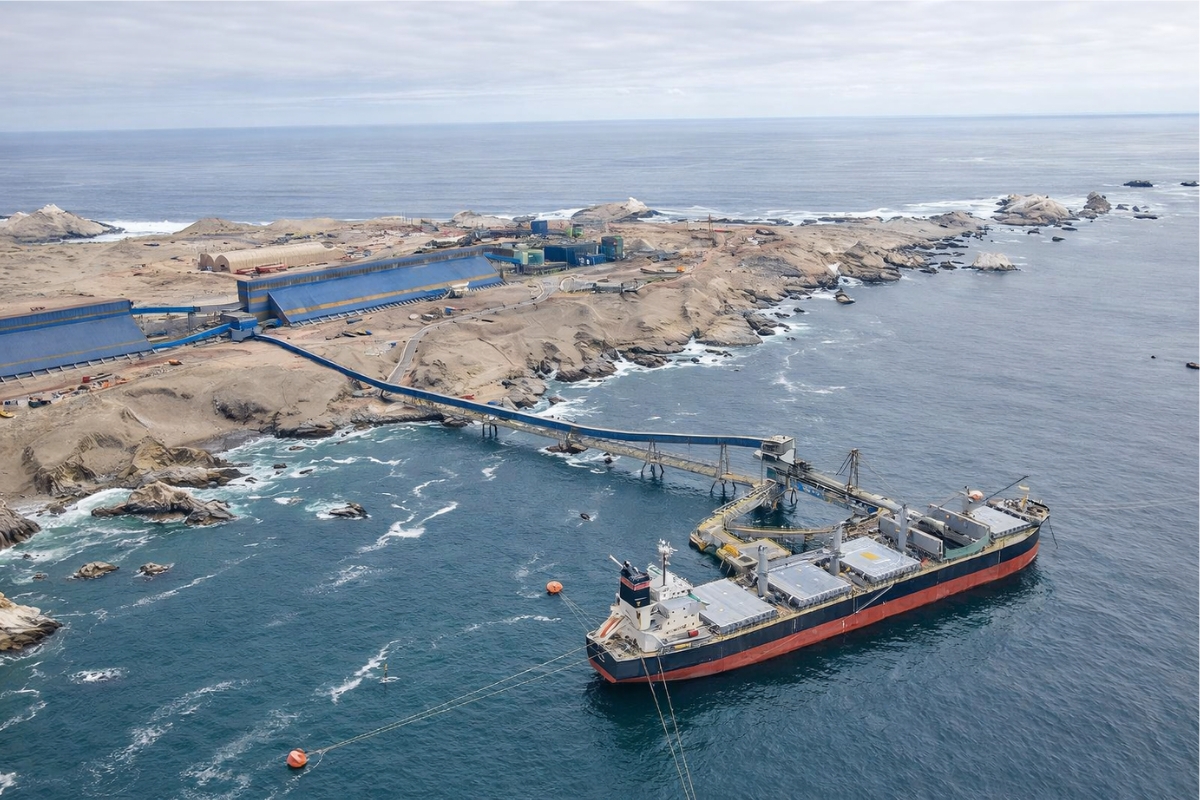


A mining company completed 99.5% of a mega project in northern Chile to bring desalinated water to the Andes, sustain production for another two decades, and reduce water pressure.
One of the largest water infrastructure projects linked to mining in Latin America has entered its final stretch in northern Chile. The project was created to ensure water for a copper operation installed at extreme altitude, in one of the driest regions on the planet.
The movement draws attention because it combines scale, heavy engineering, and a direct effect on the continuity of production. At the same time, it reduces dependence on continental sources and responds to an increasing pressure on water use in mining.
Investment of US$ 3.5 billion tries to protect production for another 20 years
The project was designed to extend the mine’s lifespan by 20 years. This timeframe helps explain the size of the bet and the strategic weight of the project in a market that increasingly depends on copper.
-
Eni Acquires 25% Stake in Chilean Lithium Project, Plans to Invest Up to $225 Million in Eco-Friendly Extraction Method

-
Mexico’s Giant Crystal Cave: A Deadly 58°C Underground Palace with 11-Meter Crystals Formed Over Nearly a Million Years

-
China Dominates Over 90% of Rare Earth Refining, Prompting Global Concerns: Canada and Japan Launch Billion-Dollar Plan to Reduce Dependency and Safeguard Batteries, Semiconductors, and Defense
-
Ancient Mines in Spain Reveal Tools and Metals That May Explain Bronze Age Trade with Scandinavia


The most recent value associated with the initiative is US$ 3.5 billion, although previous records cited US$ 3.2 billion. In either case, it is a rare-scale investment, with a significant impact on future production.

Plant of 1,050 liters per second brings seawater for 194 km to the mountains
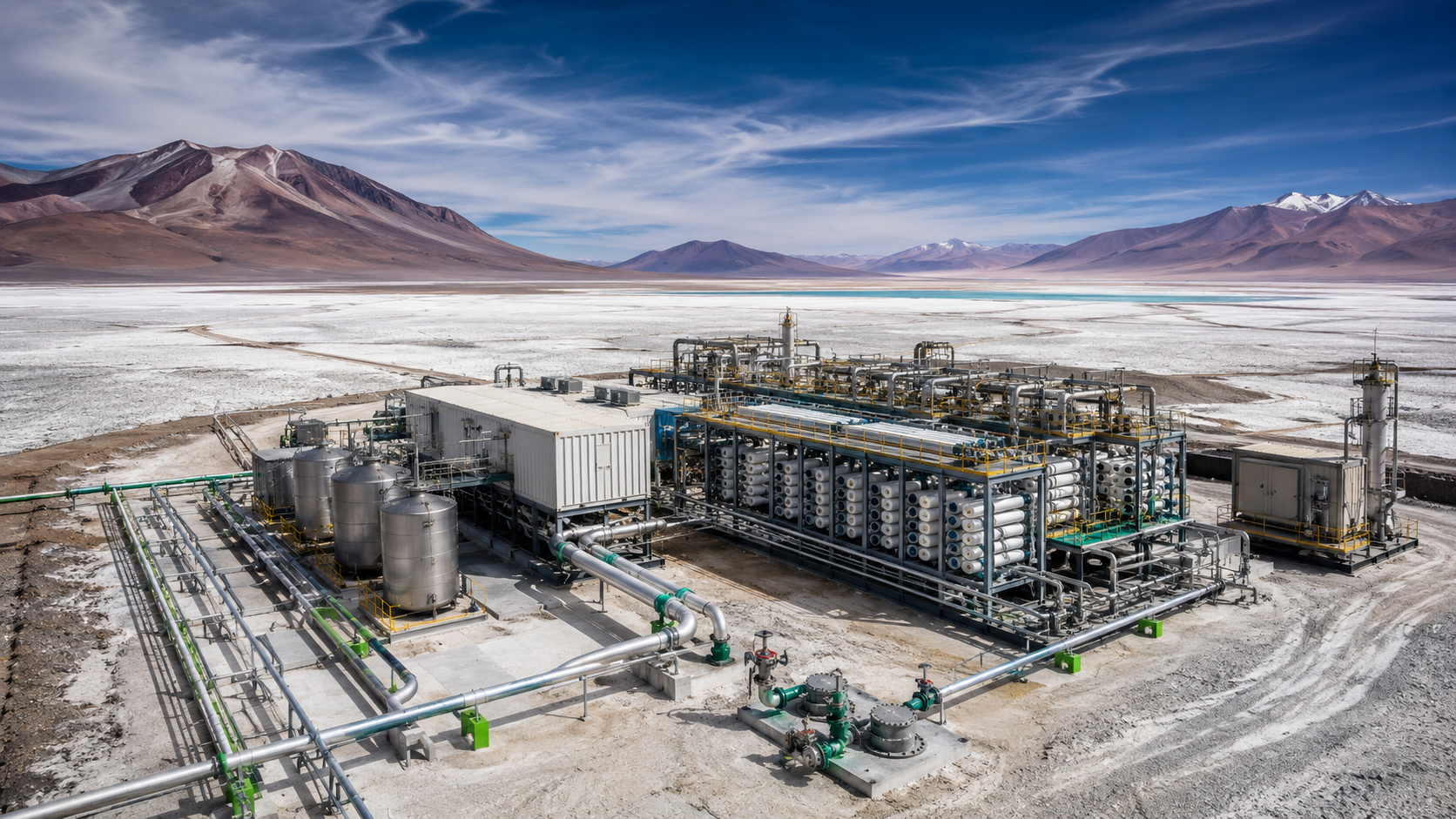
At the heart of the structure is a desalination plant with a capacity of 1,050 liters per second. The facility was set up on the coast and connects to a pumping system that runs approximately 194 km to the mining area.
The operation is located about 4,500 meters above sea level. This transforms the project into a technical corridor between the Pacific and the Andes, bringing water from the coast to a production zone at extreme altitude.

Final stretch of 99.5% signals the operational turnaround of the project
With 99.5% progress, the project has entered a decisive phase. At this stage, the focus shifts from mere construction to testing, integration, and preparation for the full operation of the entire infrastructure.
According to mch.cl, a Chilean portal specialized in mining and industry, the system has already reached pre-commissioning and commissioning phases, with partial pumping and the structure practically ready for the final stage.
System includes pumping, energy, and support for large-scale operation

The package involves not only the desalination plant. The initiative also includes pumping stations, drainage, transfer, and adaptation of the electrical system, essential items to ensure that water reaches the mine regularly.
It is at this point that the operation of Collahuasi appears, which now has a more robust base to maintain activity in an area marked by high altitude and strong pressure on water resources.
Less use of continental water and more weight on the global copper map
The introduction of desalinated water tends to reduce dependence on continental sources. This point has environmental and operational value, but it also affects the market’s perception of the ability to sustain production in arid regions.
In a scenario of increasing demand for copper for electrical networks, infrastructure, and electrification, a project of this scale goes beyond internal supply. It reinforces the competitiveness of the operation, pressures the region, and changes the strategic reading of Latin American mining.


