





 English
  Francês
  Alemão
  Italiano
  Japonês
  Norueguês
  Portuguese
  Spanish
  2 min of reading


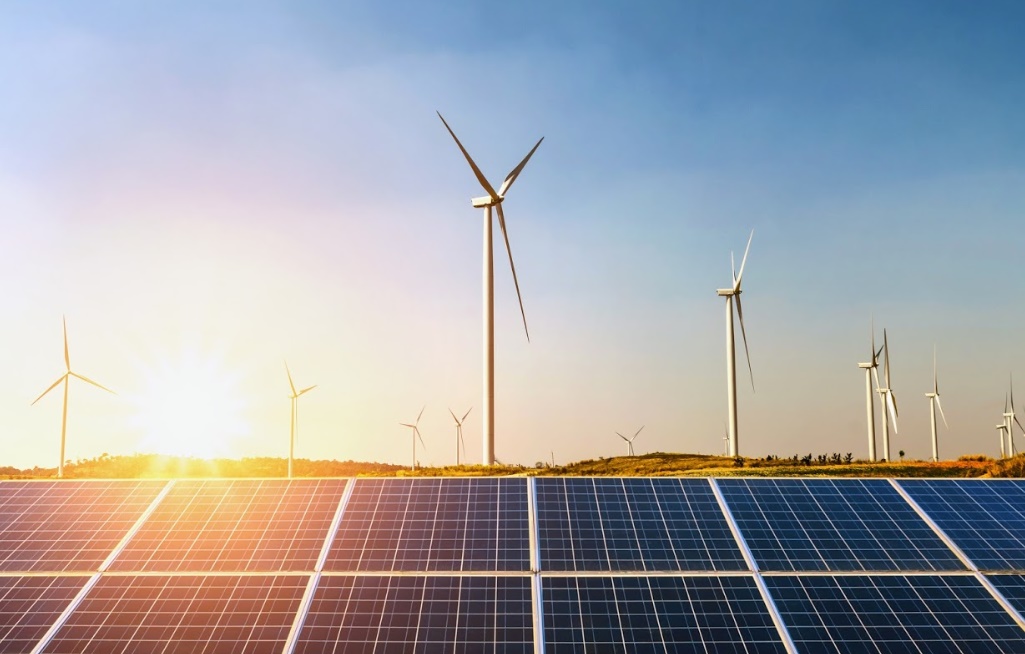
Research Conducted by Ibope Commissioned by Abraceel Shows That Interest in Electricity from Renewable Energy (Solar, Wind, or Other) Has Increased in Brazil
The Brazilian Institute of Public Opinion and Statistics, IBOPE, showed in a survey that a total of 90% of Brazilians want and support electricity generation from renewable sources, whether solar, wind, or others. A similar survey in 2014 showed that the total was 77%.
Márcio Takata, director of Greener, said, “We have seen a reduction in costs in recent years and an expansion in financing lines. Thus, we increasingly have participation from the young audience, who are starting to see distributed generation as an investment opportunity. Furthermore, we have an audience that also greatly values sustainable renewable generation, and this, consequently, contributes to their interest in photovoltaic systems.”
See Also Other News:
- Omega Aims to Expand Portfolio of Wind Farms in Bahia and Signs Multi-Million Contract with French EDF Renewables
- Duque de Caxias Refinery (Reduc) of Petrobras Completes Its First Cabotage Operation of Diesel S10
- To Meet Maintenance Demand, Multinational Company Starts Selection Process for 29 Job Openings in São Paulo, Espírito Santo and More
The Relationship Between Interest in Renewables and the Consumer’s Education Level
The Brazilian Association of Energy Traders – Abraceel – reported that according to education level, this choice can be estimated. Citizens with higher levels of education have a greater interest in this type of energy generation (solar, wind, or other sources). Meanwhile, those with education up to the fourth year of elementary school complete have lower interest.
-
With 160,000 m² of collectors, an area larger than 20 football fields, Silkeborg, in Denmark, hosts a solar thermal plant that heats 19,500 homes and could become the largest solar heating plant in the world.

-
A study reveals the expansion of renewable energy procurement in Brazil and shows how companies are taking advantage of opportunities to reduce expenses, ensure energy efficiency, and strengthen strategic environmental commitments.

-
Mato Grosso do Sul excels in the sugar-energy sector: the state reaches a milestone of 22 operating mills and accelerates the production of clean energy in MS with a focus on sustainability.

-
National energy dilemma: Brazilians support clean energy but reject increases in tariff costs to finance the sustainable transition.
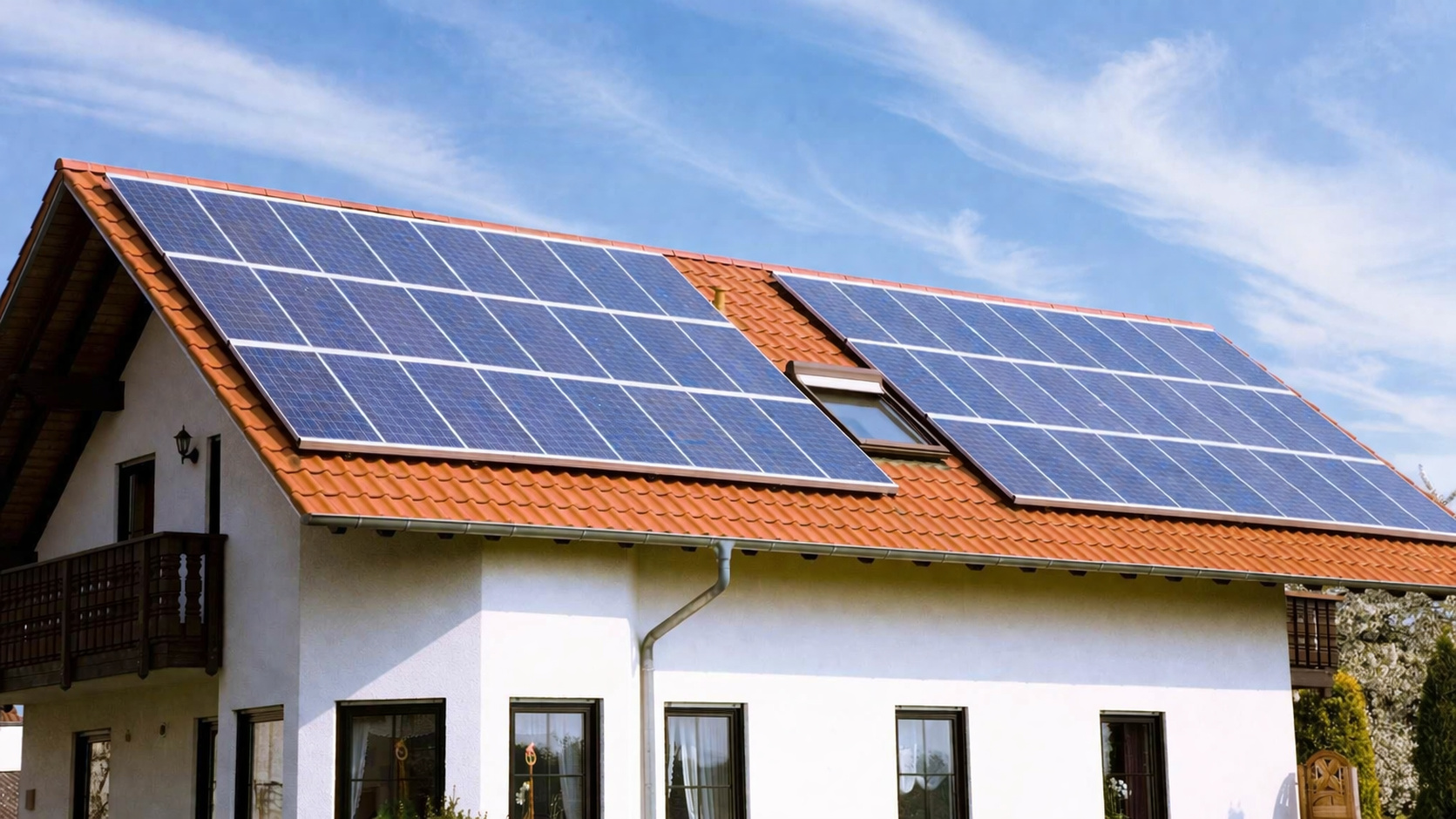

Reginaldo Medeiros, president of Abraceel, explains, “It is interesting to note that the desire to generate one’s own electricity remains at 90% and is equally present across the three types of municipalities (capital, outskirts, and interior) analyzed. In addition to showing a growing concern for environmental awareness, the survey indicates that Brazilians are tired of the current model and know they pay a high price for their electricity bill.”
This strong interest from consumers in having a source of renewable energy is directly linked to competitive and sustainable economic development post-Covid-19 pandemic, according to Rodrigo Sauaia, president of ABSOLAR. “Moreover, this interest is also related to the reduction in prices of photovoltaic equipment and the increasing electricity tariffs for consumers,” he adds.
According to Camila Nascimento, commercial director of Win Renewable Energies, every day more conscious customers are interested in sustainable energy. Camila states, “In addition to providing this opportunity for consumers, the solar sector has been a progressive source of jobs and boosting the Brazilian economy.”








Seja o primeiro a reagir!