





 Portuguese
  English
  Spanish
  3 min of reading
  1 comment


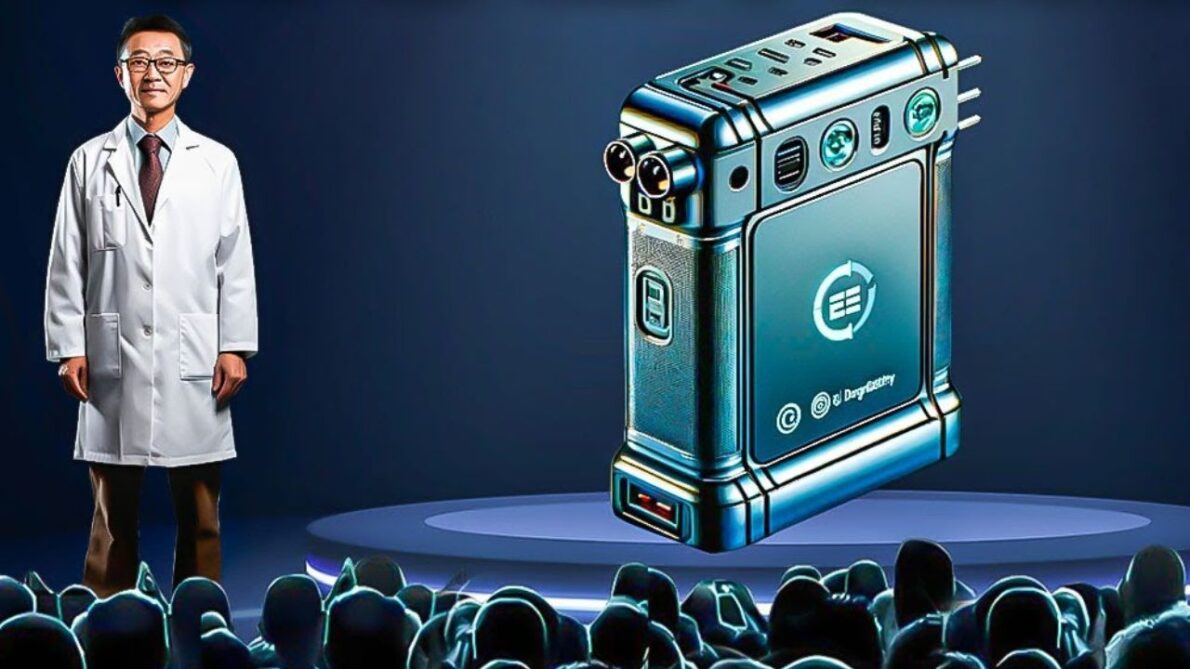

Innovation Promises to Change the Game with Cheaper and More Efficient Solid-State Battery from China
The electric vehicle revolution is about to happen, and guess what? It’s coming straight from China. Chinese researchers have developed a rechargeable lithium solid-state battery that not only matches the performance of the most advanced batteries on the market, but does so with an impressive cost reduction of 90%. This advancement could put China at the forefront of the solid-state battery race, a technology that has been highly anticipated but difficult to achieve.
Electric vehicles have improved, but still face significant challenges. Current batteries are bulky and heavy, limiting the distance covered on a single charge. Additionally, there is always the risk of fire, making safety a constant concern. The solution? Replace the liquid electrolyte in batteries with a solid material. This would not only make the batteries lighter and safer but also allow for faster charging. However, producing solid electrolytes at scale has been costly and complicated.
China Published an Encouraging Discovery
Recently, a group of researchers in China published an encouraging discovery: a new way to design solid electrolytes that is both affordable and easy to produce in large quantities. This innovation could make these revolutionary batteries a reality very soon, allowing electric vehicles to travel greater distances more safely.
-
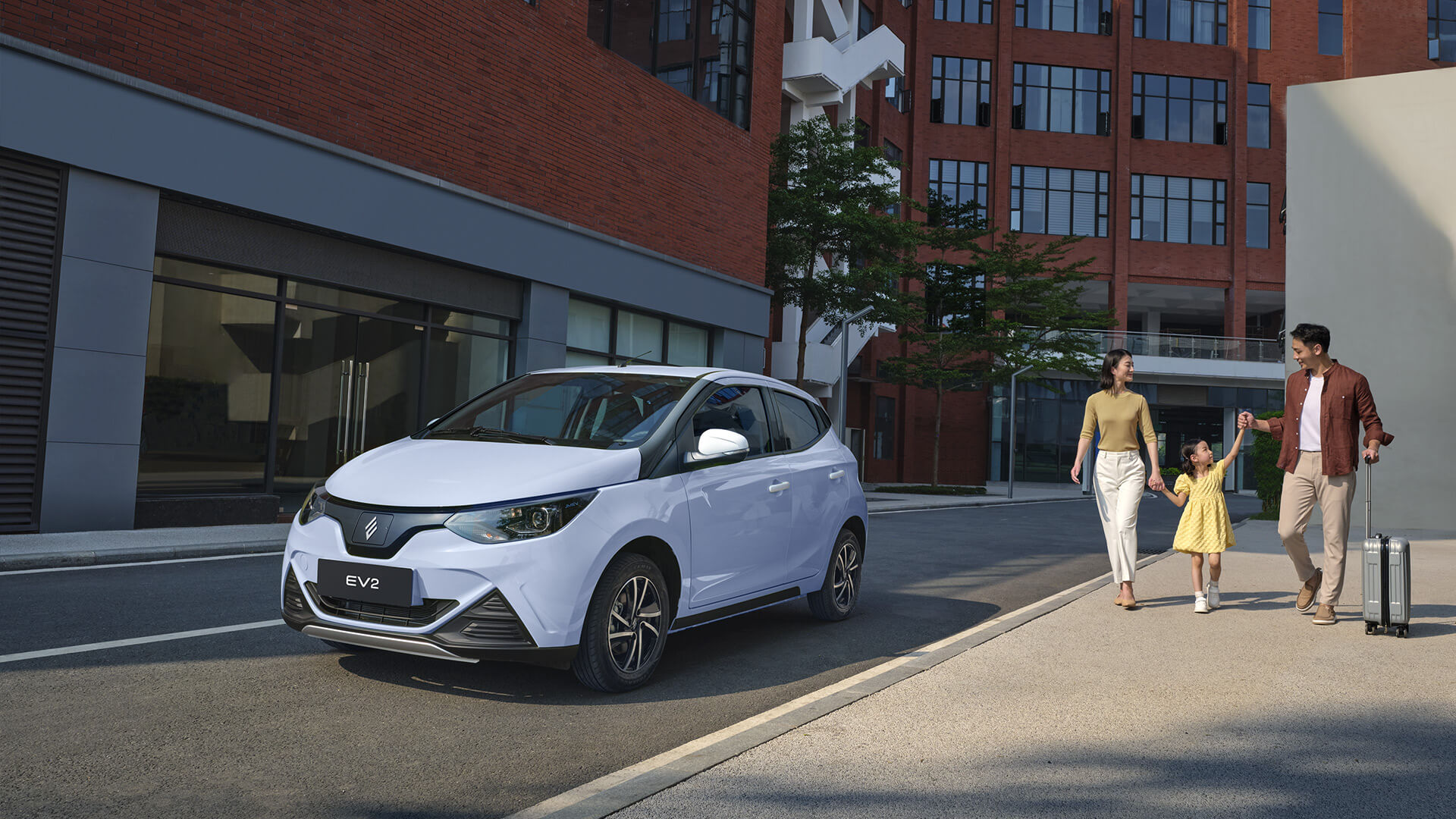
Goodbye expensive popular car: electric vehicle for less than R$ 70,000 starts being sold in Brazil with a range of 200 km and targets those looking to escape gasoline.
-
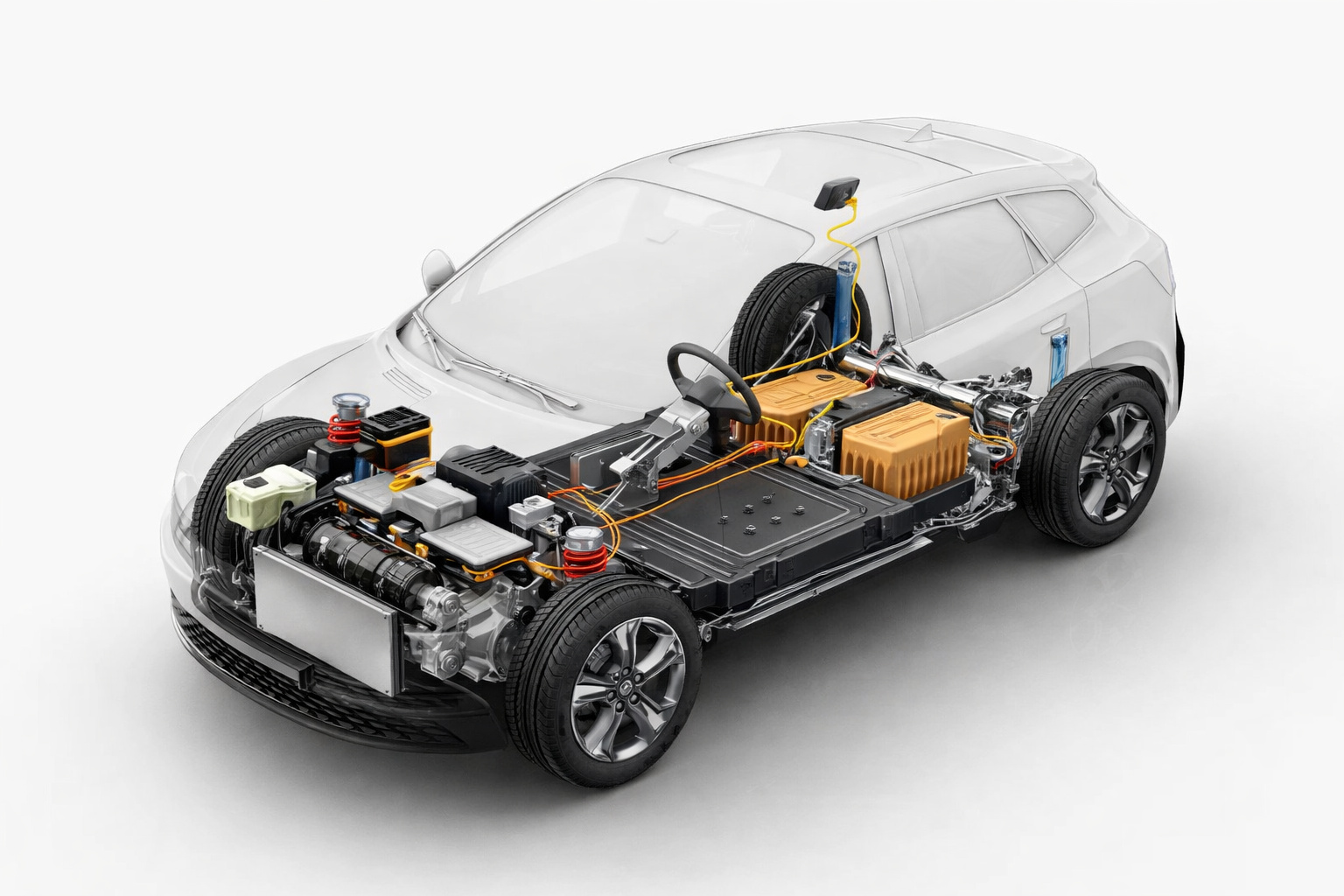
China Surprises Automotive Industry With Battery That Promises Electric Car Able to Run Up to 1,000 km Without Recharge
-
Why BYD Grew So Fast in Brazil and How Blade Batteries, Electric Cars, and Industrial Incentives Shaped This Expansion in the National Automotive Sector
-
Electric Cars Make Progress in Brazil in 2026 and Promise to Reduce Drivers’ Costs with Cheaper Energy, While Infrastructure Grows Slowly Across the Country
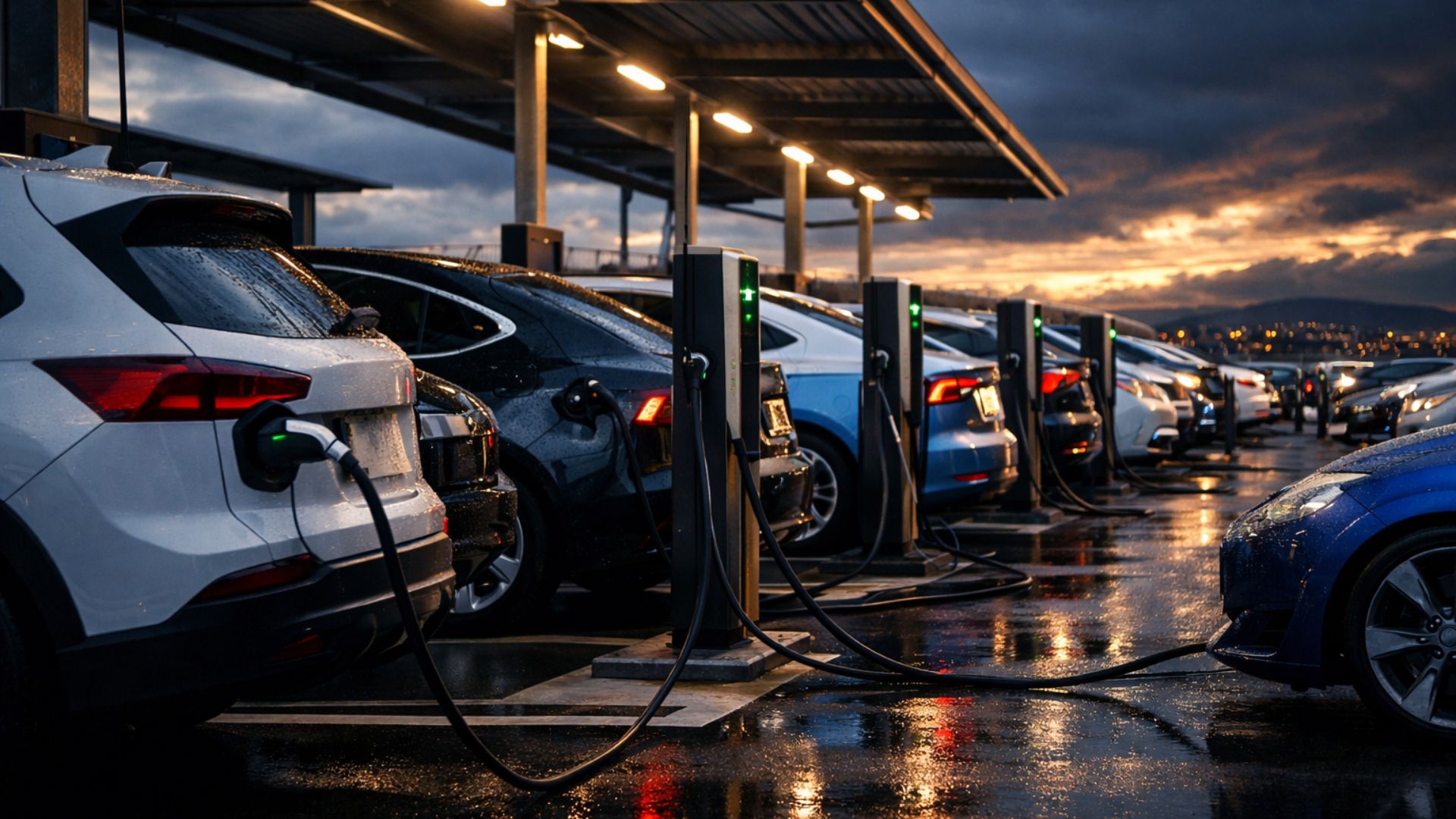

Giant companies like Toyota and Samsung have heavily invested in research and development of solid electrolytes, primarily focusing on oxide, sulfide, and chloride types. Scientists prefer sulfides for offering the best performance, but the cost has been a major hurdle, with traditional materials exceeding $195 per kilogram.
Solid-State Batteries
This is where the recent advancement by the Chinese team comes in. They developed a new type of sulfide material called LPSO, which does not require the most expensive ingredient of traditional sulfides, lithium sulfide. This could significantly reduce costs, making mass production more viable. If further testing confirms the efficiency of LPSO, it could be the catalyst for the widespread adoption of solid-state batteries, revolutionizing the electric vehicle industry.
LPSO is made from two inexpensive and readily available compounds, resulting in a cost of just $14.42 per kilogram, eight times cheaper than traditional sulfide electrolytes. And the best part? This low cost does not compromise performance. LPSO retains all the advantages of the best current sulfides, including compatibility with high-power anodes such as lithium metal and silicon. Tests show that a battery made with LPSO and lithium metal can function for over 4,200 hours at room temperature without significant issues.
LPSO Potential is Enormous
Although still in development, the potential of LPSO is enormous. If all goes well, this solid-state battery could make electric vehicles lighter, safer, faster to charge, and most importantly, accessible to everyone. This could accelerate the adoption of electric vehicles around the world and position China as a leader in this clean energy revolution.
The race is on, with companies like Toyota and Samsung aiming to launch their own solid-state batteries by 2027. But with a cheaper and more efficient option like LPSO, China may be poised to take the lead.
China is Uniting Forces Between Battery Manufacturers and Automakers
To secure this leadership, China is uniting forces between battery manufacturers and automakers in a government-supported initiative called the China Solid-State Battery Collaborative Innovation Platform, aimed at creating a complete supply chain for these batteries by 2030.
According to Chen Linquan, a pioneer in the field of lithium batteries, “solid-state batteries are the future of rechargeable battery technology.” The electric vehicle revolution is closer than ever, and China is ready to lead the way.









Se isso der certo a revolução da energia limpa terá iniciado finalmente um.m caminho seguro , sem volta e sem .constestaçacontestações. Finalmente uma verdadeira revolução. O mundo não será mais o mesmo e as consequências econômicas e políticas serão profundas.