





 Portuguese
  English
  Spanish
 2 min of reading
  0 comments


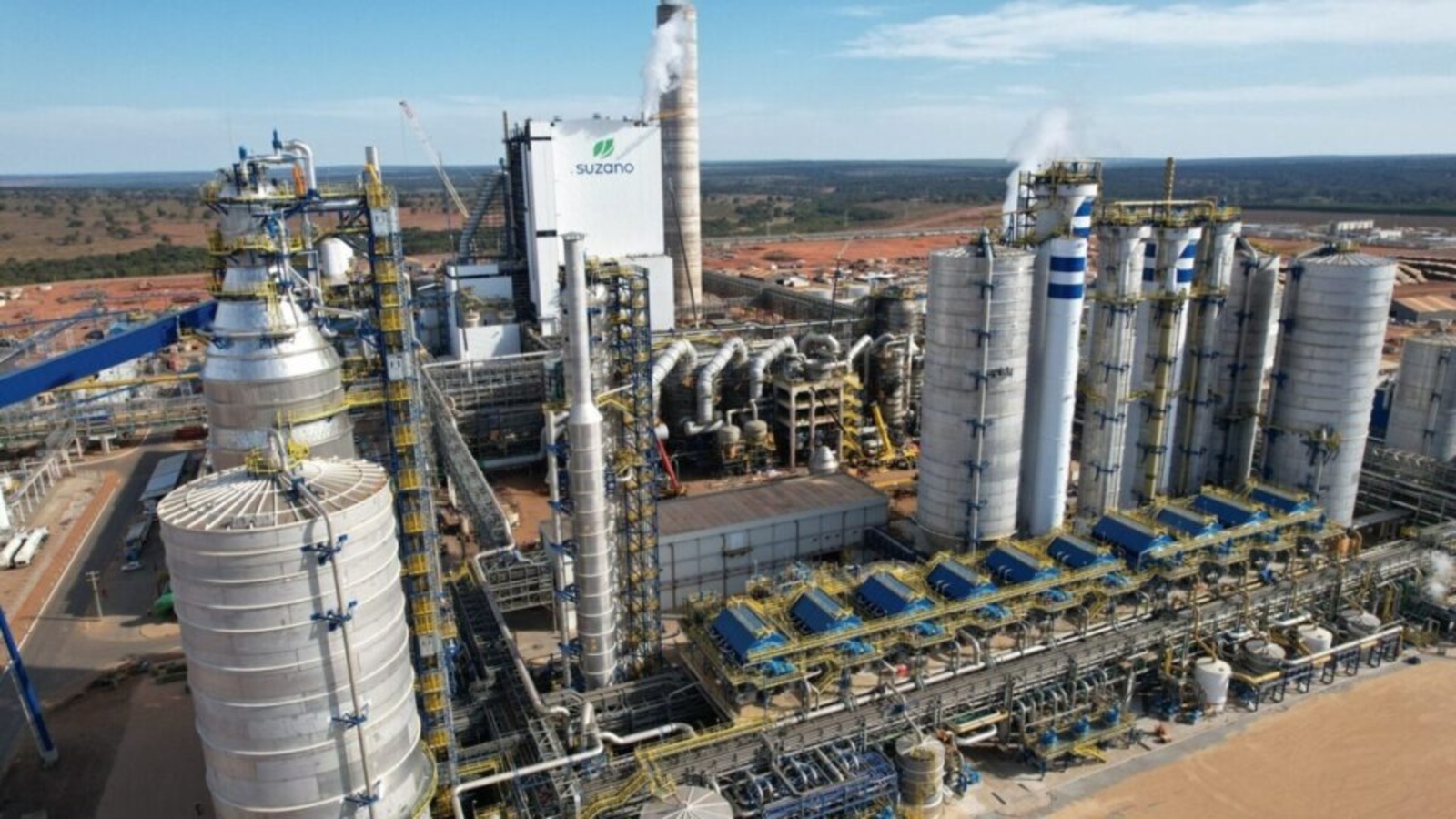
The Installation of the Pulp Unit with an Investment of R$ 22 Billion Increased Annual Production to 2.55 Million Tons and Repositioned Ribas do Rio Pardo, Boosting Jobs, Surplus Energy, and Integrated Logistics in the Municipality
Ribas do Rio Pardo underwent a profound change after the arrival of the new pulp factory, as the investment of R$ 22 billion amplified local economic activity. The city, with 24,152 residents, received the Suzano unit, which already operates at 2.55 million tons annually.
The plant uses ANDRITZ technology and achieved maximum performance in a short time. Therefore, it has become an international reference.
Director Leonardo Mendonça Pimenta says that integrating all systems quickly was a remarkable achievement and highlights the effort of the teams.
-
Mothers and daughters come together, create an ‘express’ beauty salon and turn the idea into a network with 21 units, revenue of R$ 16.7 million and 12,000 subscribers.

-
End of the 6×1 schedule: how the reduction of hours can affect service companies, industry, and agribusiness.

-
Brazil Ignores Trump’s threats to BRICS, Buys 42 tons of gold and reduces the Dollar’s share by 6.45% in international reserves.

-
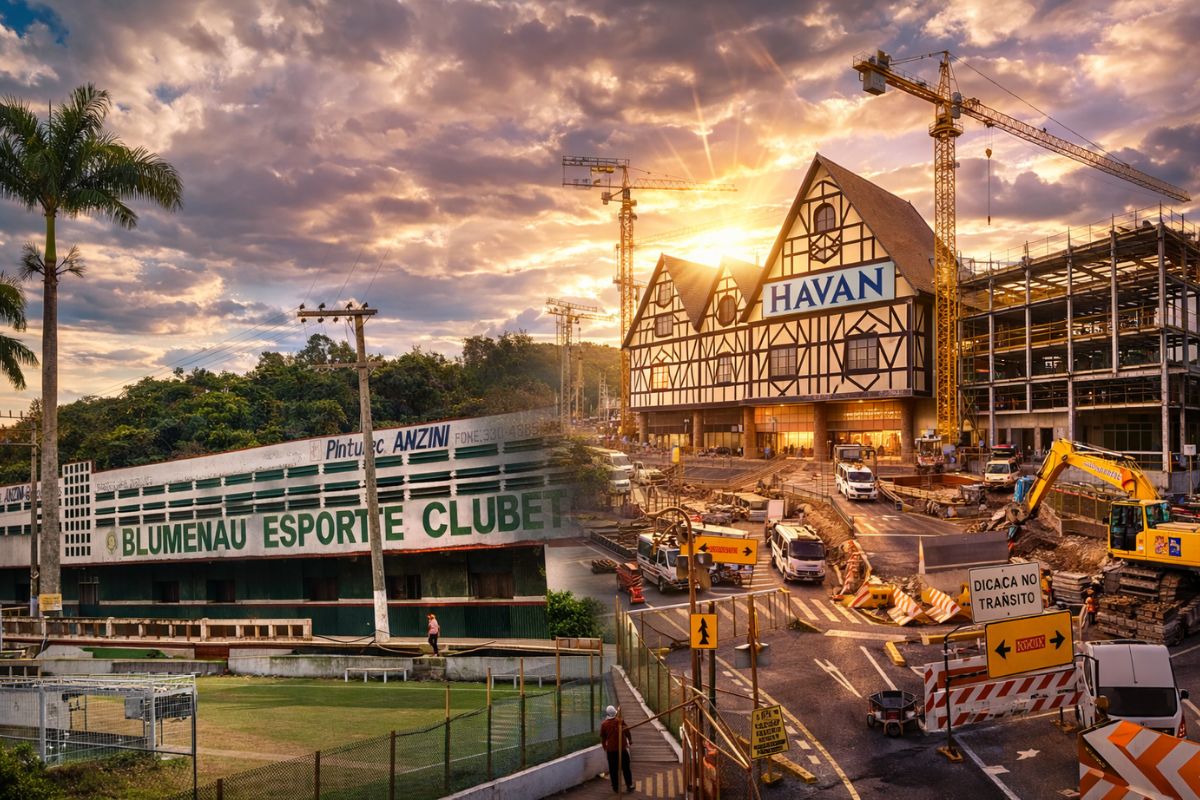
Havan buys historic football land in Blumenau for a million-dollar amount protected by a confidentiality clause and is already planning to change even the layout of streets to build a megastore in half-timbered style costing 80 million reais.

Achieving Full Capacity
The nominal production of 2.55 million tons per year was reached in less than a year, something uncommon in the sector.
The construction took 30 months and brought together over 10,000 workers at the peak of the works, creating an intense flow in the region.
Today, around 3,000 professionals work in industrial, forestry, and logistics fronts. Furthermore, this structure has consolidated Ribas do Rio Pardo in the global pulp market as it has enhanced the municipality’s technical visibility.
Applied Technologies
The complex brings together gasification systems, chemical recovery, and advanced automation. There is also robotics and digitization processes.
The SulfoLoop plant guarantees self-sufficiency in sulfuric acid, reinforcing internal efficiency and reducing simple external dependencies.
Another point is the forest base with an average radius of 65 kilometers. This reduces transportation costs and environmental impact, as the short distance optimizes movement. The model has become a central argument in the operation.
Energy and Logistics
The factory generates green energy and maintains a surplus of 180 MW on average. This surplus can supply a city with over 2 million inhabitants, creating a milestone for the business and generating a direct impact on the industrial strategy.
Logistics has also gained weight. The alignment between plantations, roads, and industry strengthens the operational rhythm.
Minor adjustments still occur, but performance remains consistent and reinforces the role of the unit.
The recent growth has repositioned Ribas do Rio Pardo in the productive landscape. The megafactory continues to be a vector of jobs, innovation, and environmental processes that shape local routines and expand future projections.
The trajectory indicates new operating cycles and simple adjustments that should continue to boost the municipality in the coming years.
With information from GMC Online.






-

-

-

-

-

-

25 pessoas reagiram a isso.