





 Portuguese
  English
  Spanish
  5 min of reading
  0 comments


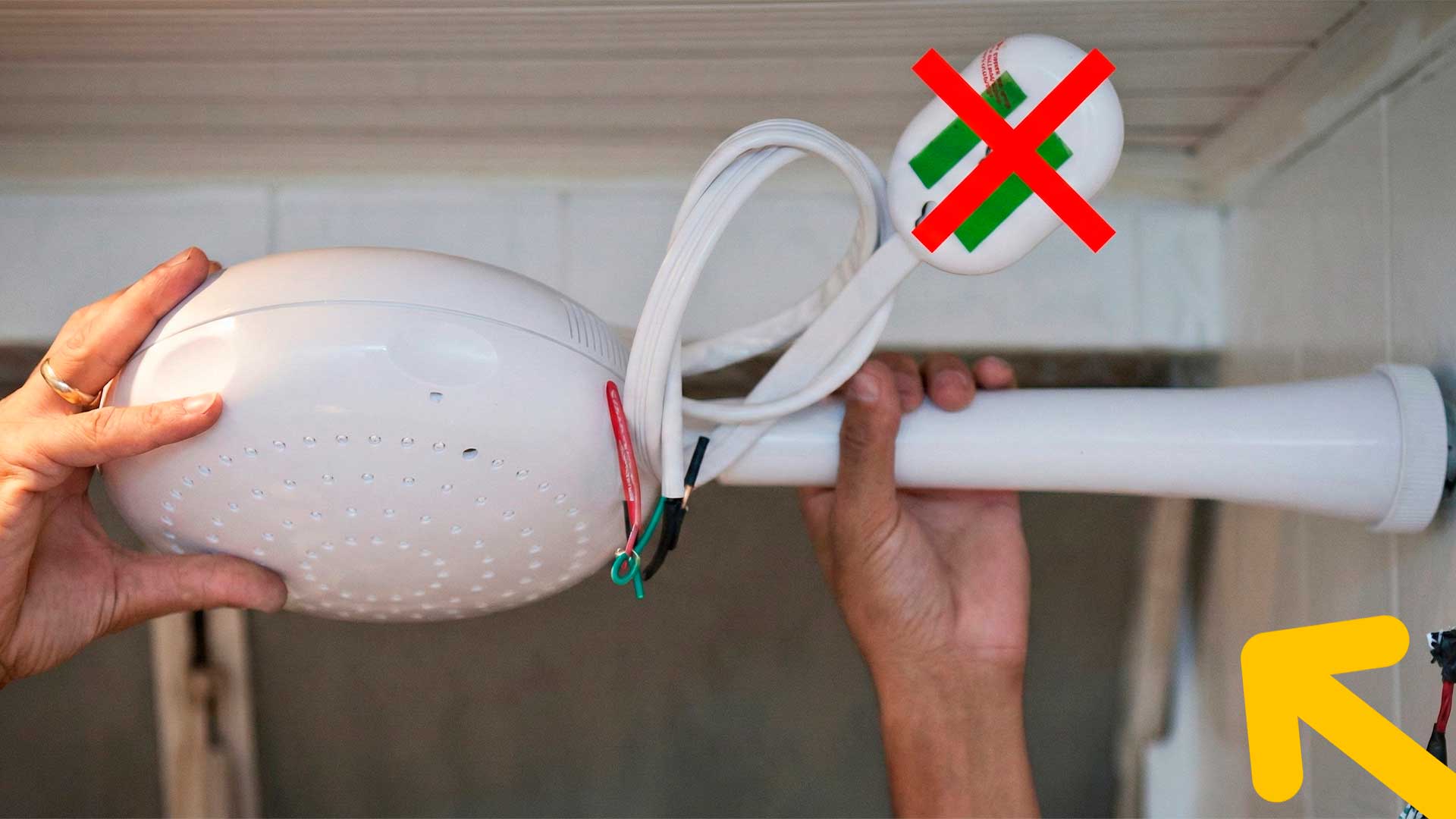
Experts Warn That Reducing Water Flow in Electric Showers Too Much Shortens the Lifespan of the Heating Element, Increases the Risk of Burnout, and Also Causes the Electric Bill to Rise Unnoticed by Residents.
The electric shower is a part of the routine in almost every Brazilian home. It ensures hot showers in seconds and is usually turned on multiple times a day. Therefore, any usage mistake tends to be repeated numerous times throughout the month.
According to data cited by Inmetro, the shower can account for up to 25% of energy consumption in a typical household, making it one of the main culprits for high electricity bills when used improperly.
When a seemingly simple habit forces the appliance to operate beyond its limit, the impact is felt both in the wallet and in the durability of the heating element.
-
The Argentine government celebrates the lowest poverty rate in 7 years, but experts warn that the methodology has changed, real wages have fallen, unemployment has risen, and the number of people on the streets of Buenos Aires has increased by 57% since Milei took office.

-
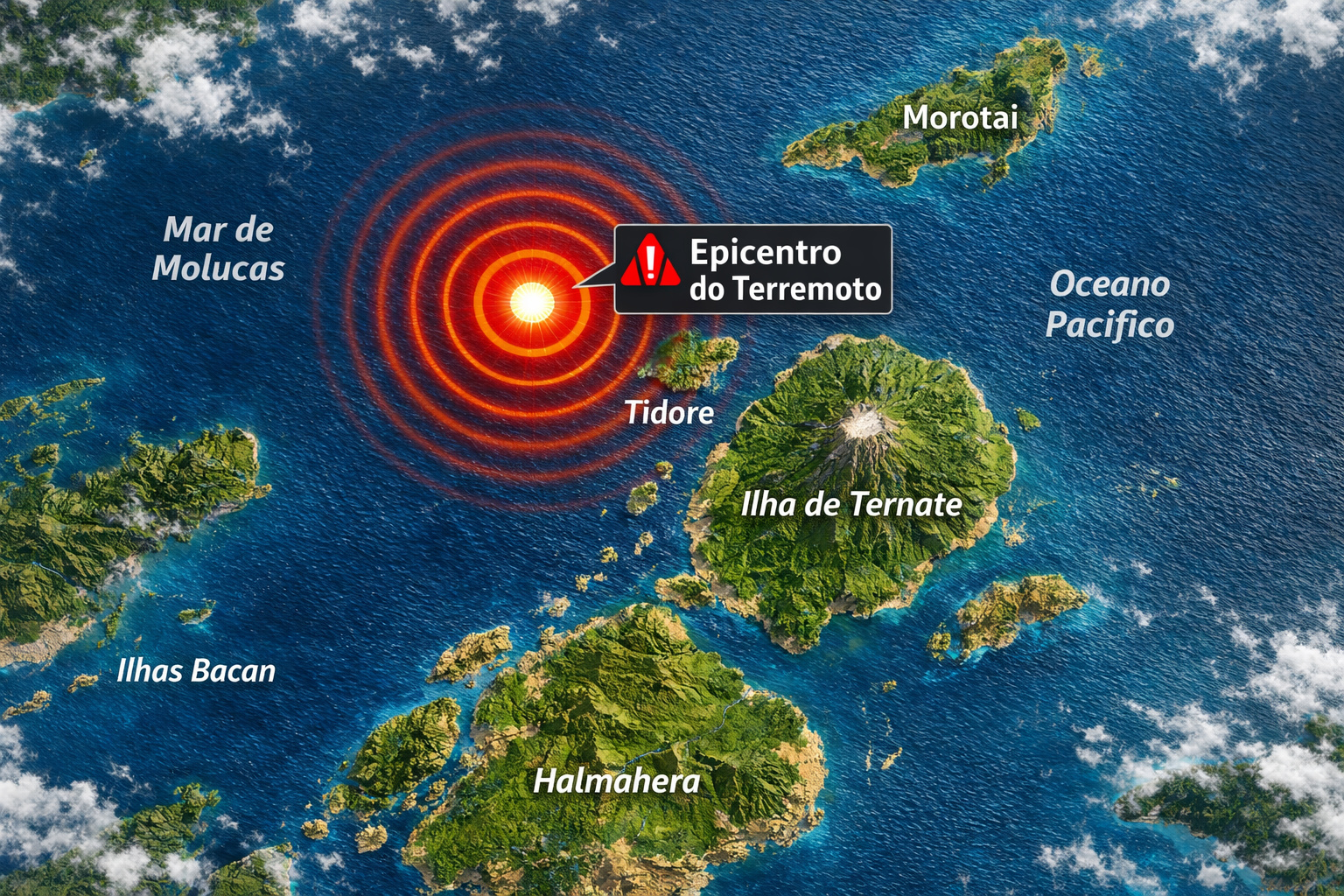
7.8 magnitude earthquake in Indonesia frightens the population, triggers tsunami alert, and hits an island with over 200,000 inhabitants this Thursday.
-
Google will finally let you change that embarrassing Gmail address you created in your teenage years without losing any accounts, logins, or old emails: the feature is already available in the United States.

-
Heading to Brazil in a Bonanza F33 single-engine aircraft: a couple departs from Florida on a visual flight, makes technical stops in the Caribbean to refuel and organize paperwork, and begins the staged crossing until they reach the country.

Residential electricity technicians explain that one of the most common mistakes is reducing the water flow too much to try to “heat up” the shower more or save water. This habit causes the shower heating element to operate at maximum load longer than it was designed for, leading to overheating and increasing the chance of premature burnout without the user noticing the cause.
Common Mistake in Electric Showers That Burns Out the Heating Element and Increases the Electric Bill
Professionals working in residential maintenance state that most heating element failures do not occur due to factory defects.
In practice, they arise from a combination of misuse, improper adjustments, and electrical installations done without proper technical guidance.
When the faucet is nearly closed and water flows out in a thin stream, the heating element becomes partially exposed and receives little water for cooling. In this condition, the electric shower operates overheated, the heating element material loses mechanical strength faster, and the risk of rupture increases with each shower.
Why Reducing Water Flow Too Much Overloads the Shower Heating Element
In theory, water acts as the “natural refrigerant” for the heating element. It passes around the heating element, removes heat, and transfers thermal energy to the jet that reaches the user’s body. When the water flow drops significantly, this cooling process becomes inefficient, and the internal temperature rises beyond what the design can support.
With low flow, the heating element quickly reaches higher-than-normal temperatures, even in intermediate heating modes. As the system continues to receive the same electrical power, the energy turns into concentrated heat in a small area, which promotes wear points, cracks, and ruptures over time.
Technicians remind us that this scenario is intensified on cold days when many users leave the shower on the highest heating setting and, additionally, partially close the faucet to “maintain” the temperature.
Energy companies and energy efficiency programs recommend using the most economical setting whenever possible and reducing shower time instead of forcing the equipment.
Besides the risk of burning out the heating element, energy consumption increases. Since showering takes longer to reach the desired temperature, the shower stays on for more time at high power, which translates to more kWh registered on the meter and, consequently, a higher electric bill at the end of the month.
Signs That the Electric Shower Is Operating Incorrectly and Consuming More Energy
There are some signs indicating that the shower may be operating with inadequate water flow. If the temperature fluctuates between warm and very hot without changes in external weather, it’s possible that the combination of settings and pressure is not adequate, which puts a strain on the heating element.
Another sign is a history of heating elements burning out more frequently than normal, requiring replacements within a few months.
Energy distributors and guidelines for conscious consumption advise consumers to consult an electrician when the equipment emits a burnt smell, wires darken, or the circuit breaker trips constantly, signals that the installation may be overloaded.
How to Use the Electric Shower Correctly to Save Energy and Prevent Heating Element Burnout
According to specialists, the first step is to keep the shower within the specifications recommended by the manufacturer and by Inmetro. The energy efficiency label indicates the power, flow rate, and estimated monthly consumption, as well as helping to compare more economical models for the family’s profile.
In everyday use, the guidance is simple. Use the faucet with medium to high flow, especially in the highest heating position, and adjust the temperature according to the local climate, avoiding leaving the equipment always at maximum power.
Programs like Procel and government guidelines suggest reducing shower time to between five and ten minutes and turning off the shower while soaping up.
It is also important to keep maintenance up to date, check if the circuit breaker has the correct capacity for the shower’s power, and avoid “band-aid” fixes like poorly insulated connections or heating elements from unknown brands. Energy companies and consumer oversight agencies emphasize that one should not reuse a burnt heating element, as this can cause short circuits, shock risks, and even increase consumption.
Finally, it is important to remember that the efficient use of the electric shower is one of the central points of energy efficiency policies in the country.
Studies show that with small adjustments in habits, it is possible to significantly reduce energy demand during peak hours and avoid unnecessary expenses for both the consumer and the entire electrical system.
Do you often close the faucet a lot to make your shower hotter or prolong the time under water without thinking about consumption? Do you believe that it is always the manufacturer’s fault when the heating element burns out repeatedly, or did you already suspect that the problem could lie in daily use? Leave your comment, share how shower habits are in your home, and join the debate about who the real villain of the electric bill is: the electric shower or the way it is used.










-

-

-

-

-

-

12 pessoas reagiram a isso.