





 Portuguese
  English
  Spanish
 4 min of reading
  0 comments


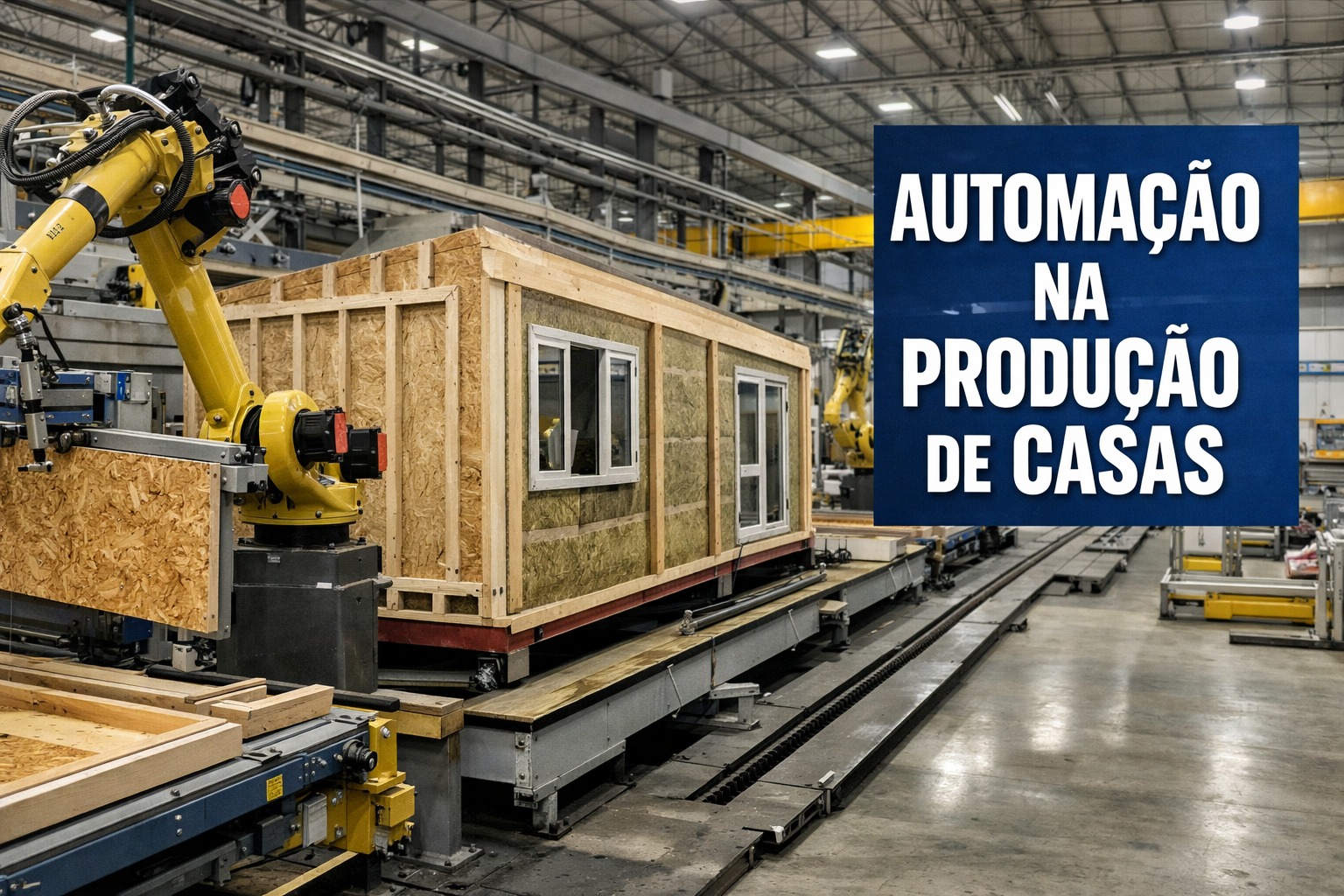
321 Modular Initiative Bets on Adapted German Machinery and Chinese Robots, Targets National Franchises, Promises to Reduce Waste, Shorten Assembly Times and Expand Future Access to the Brazilian Housing Market
The advancement of the Brazilian civil construction industry towards industrialization is beginning to take concrete shape in southern Santa Catarina. In Jaguaruna, the Pacheco Group is preparing to launch an automated assembly line capable of producing wooden modular chalets every 40 minutes.
The initiative arises as a direct response to long-standing challenges in the sector, such as a shortage of skilled labor and high levels of material waste.
Industrial Rhythm Production
Managed by 321 Modular, the industrial construction arm of the group founded in 1985, the new manufacturing plant combines technologies from different origins.
-
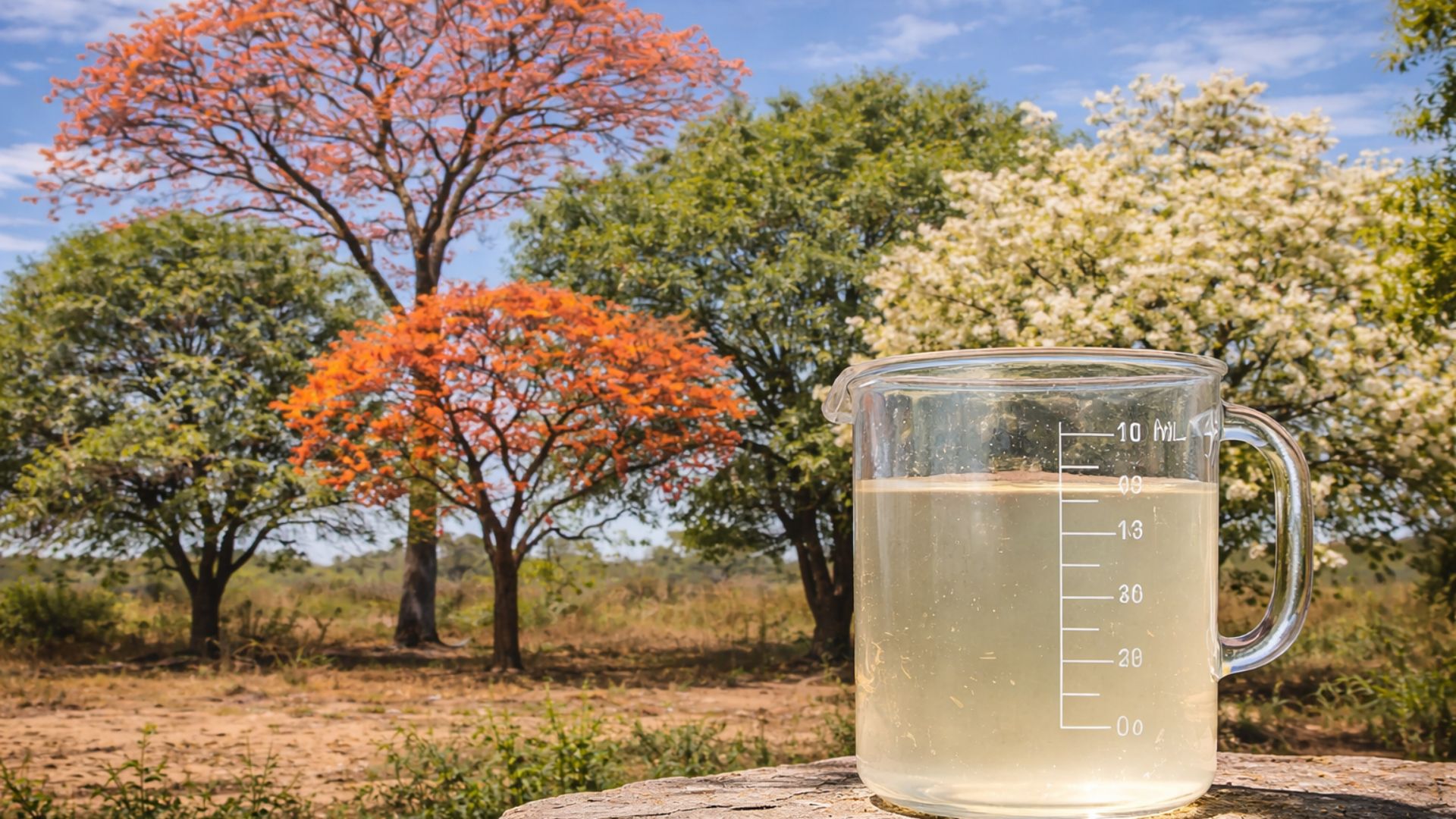
Embrapa’s discovery reveals an unexpected advancement by allowing the production of seedlings from the caatinga using brackish water, opening a new frontier for farmers to face drought more efficiently.
-
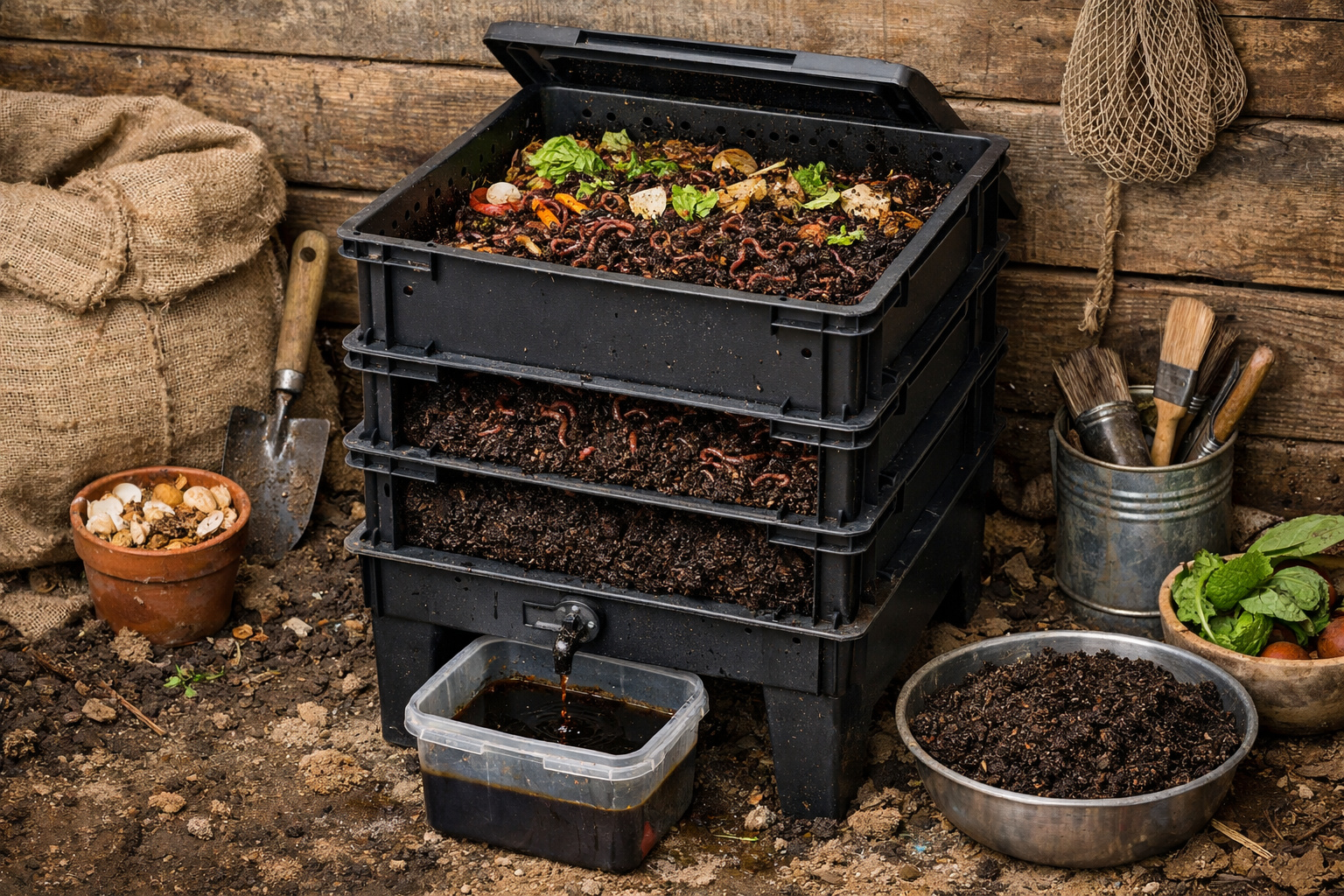
6 sources of free fertilizer that you are throwing away every day and can transform your garden without spending anything.
-
With a water crisis on the radar, Sabesp invests in reclaimed water for data centers and transforms sewage treatment into a solution that saves millions of liters and protects public supply.

-
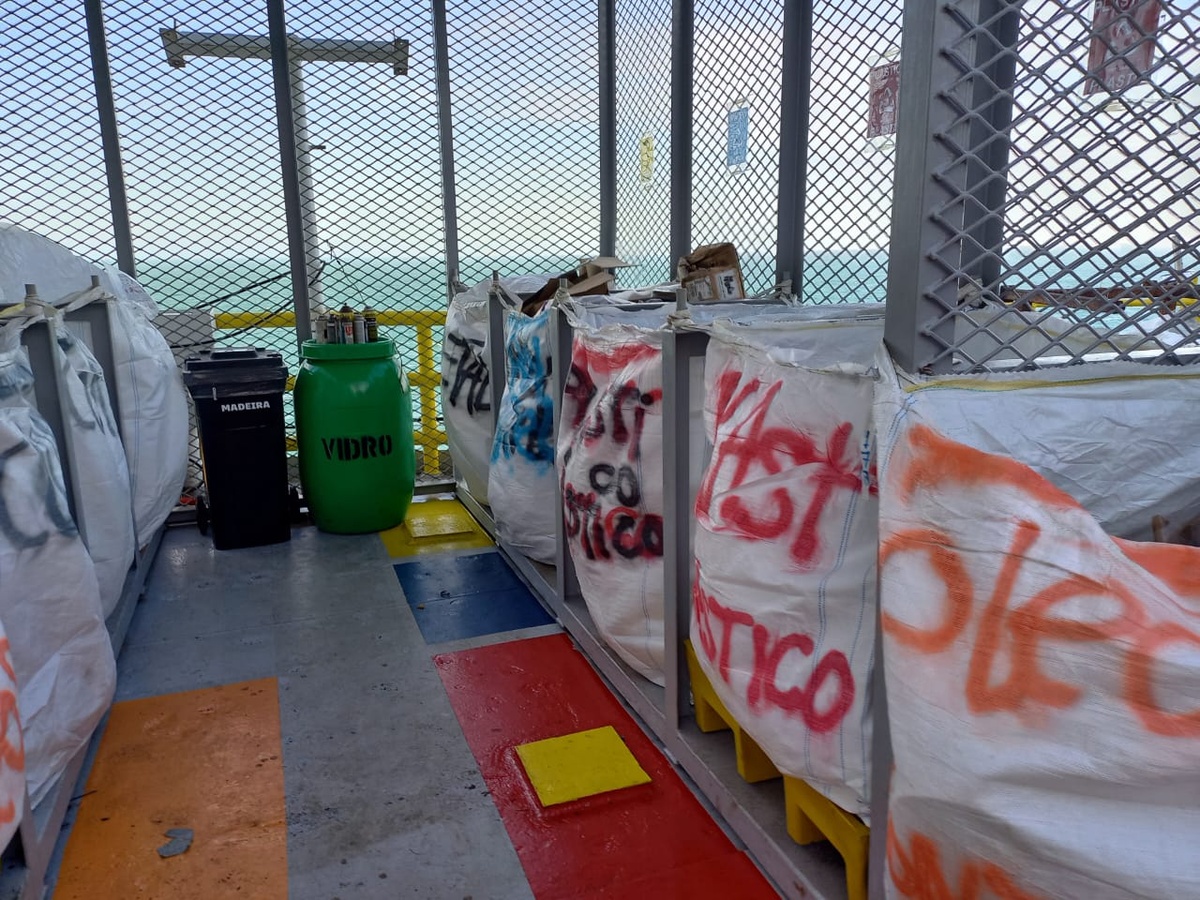
Foresea achieves 100% offshore waste reuse in 2025, eliminates landfill disposal, and consolidates sustainable strategy with 1,500 tons recycled.
The project integrates adapted German machinery with Chinese robotic arms, forming a system that transfers steps traditionally performed on job sites to a controlled factory environment.
The forecast is that full operation will occur by the end of the first half of 2026.
Samuel Pacheco, CEO of the Pacheco Group, explains that the company sought references abroad before consolidating the model. “We traveled to several countries to see the equipment in operation. Since the German machinery did not meet 100% of our needs, we developed our own adaptations and automations internally, in addition to integrating robotic arms, which we acquired from China,” he states.
Expansion and Scale Strategy
The investment signifies a structural change. The company, previously focused on wood processing, now takes on the profile of a construction tech with national ambition.
The base remains in Santa Catarina, with headquarters in Jaguaruna and a unit in Palhoça, but the plan includes franchises in new markets.
By March, operations are scheduled for Ribeirão Preto (SP), Goiânia (GO), and Blumenau (SC).
The process of preparing franchisees involved immersion at the company headquarters. “All franchisees spent four days at our headquarters for intensive training. We covered all areas: from marketing and finance to project management and hands-on assembly. We want franchisees to succeed at the front end so that the business becomes a scalability case,” Pacheco details.
The goal is ambitious: to deliver 10,000 units per year by 2030. According to the executive, the modular market still represents less than 1.5% of the Brazilian construction sector’s GDP, indicating ample room for growth.
The Concept of House Factory
The central proposal is clear: to reduce dependence on the construction site. By moving 95% of construction into the factory, the company bets on precision, standardization, and productivity gains.
The chalets come out nearly ready, with about 95% of the structure completed. Bathrooms already tiled, plumbing installations, and electrical pre-installation are part of the package.
This model drastically shortens the final assembly time. While a conventional house can take months, the modules can be completed in a timeframe ranging from 1.5 to 4 days.
In smaller chalets, completion at the destination can occur in just 12 hours of work.
Pacheco summarizes the operational logic. “The industry must modernize to keep pace with the market. What is costly and generates rework is the construction site. Bringing everything to the factory gives us a precision that artisan construction cannot achieve.”
Modular Chalets: Sustainability as a Pillar
The chosen raw material is reforested pine, treated in an autoclave to enhance resistance against pests and decay.
The group advocates that using renewable wood helps reduce environmental impacts and reinforces attributes such as thermal and acoustic comfort.
In addition, the production process adopts principles of circular economy. Wood scraps are sent to Clean Pellets, a proprietary unit that converts waste into fuel for industrial boilers.
The reuse replaces conventional sources like gas and electricity, enhancing the system’s energy efficiency.
“Moreover, there’s nothing that can replace the coziness of wood,” points out the director.
New Markets on the Radar
Although the current focus is on high-end and seasonal property investors, the Pacheco Group is working on standardizing processes to access housing finance lines.
The intention is to broaden the reach of modular technology and, in the future, also enter the popular housing segment.
Today, the system is already present in tourism projects in the mountain and coastal regions of Santa Catarina. Chalets operate in cities like Urubici, São Joaquim, and Greater Florianópolis, serving as a practical showcase of a model that seeks to redefine timelines, costs, and construction methods.
As a background, the journey begun in 1985 helps explain how the company has arrived at this point, now positioned between forestry tradition and industrial innovation.
With information from Gazeta do Povo.








Seja o primeiro a reagir!