






 Portuguese
  Spanish
  3 min of reading
  0 comments


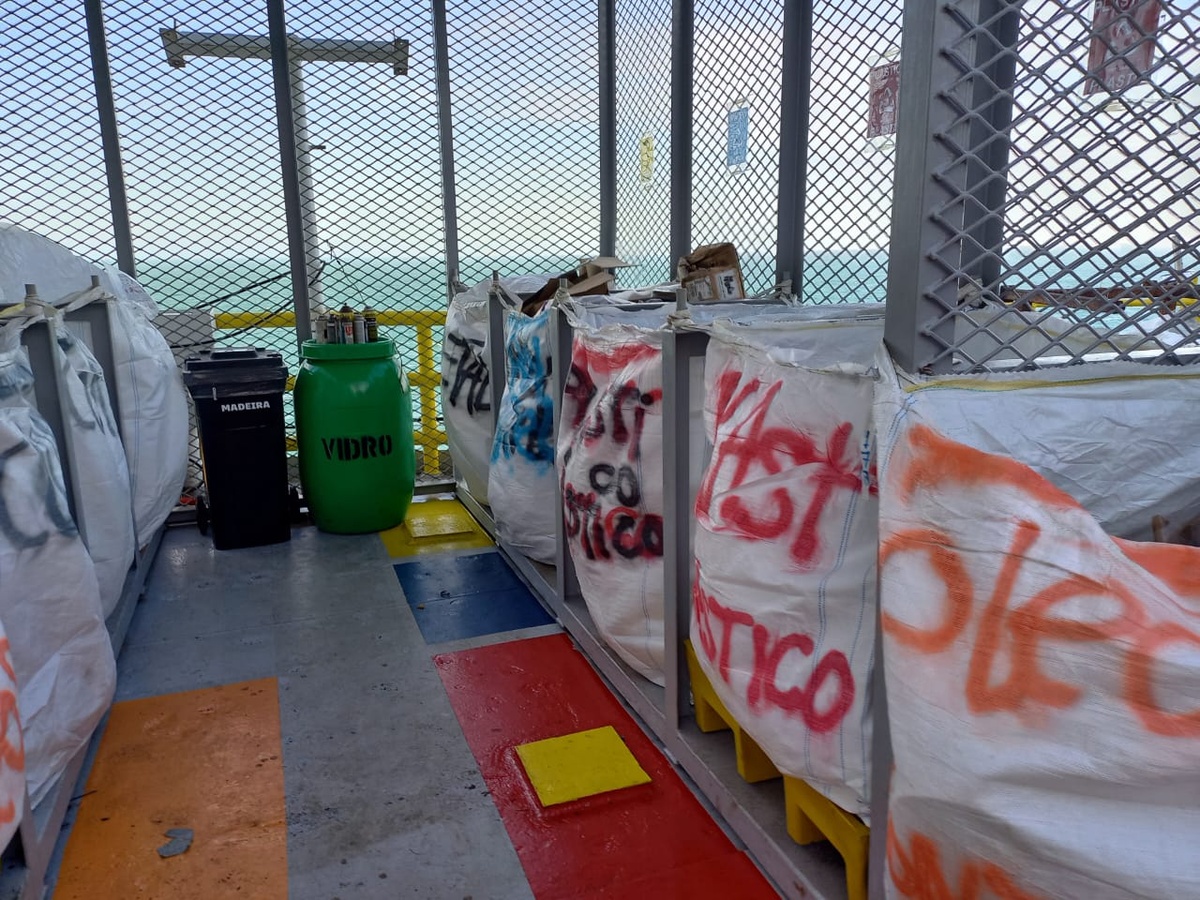
Company reinforces environmental commitment by fully reusing waste generated at sea and on land, following international standards and investing in digital sustainability
In the week of International Zero Waste Day, celebrated on March 30 by the United Nations, Foresea confirmed a significant result in 2025.
The company achieved, for the second consecutive year, 100% waste reuse, with no disposal to landfills.
Throughout 2025, the company reused 1,573,418 kg of waste, generated from offshore and onshore operations.
-
Brazilian promises his children to save a river, creates an eco-barrier in his backyard, has already removed more than 40 tons of trash from the water, and even inspires the idea in other states of the country.

-
How a Brazilian company created a system that transforms broken pallets of any brand into new assets, recycles 80 tons of plastic per month, and found a profitable solution to a problem that challenges industries across the country.

-
Invasive bullfrog capable of devouring other amphibians and laying up to 20,000 eggs is found in Florianópolis, raising an alert about the threat to native fauna.
-
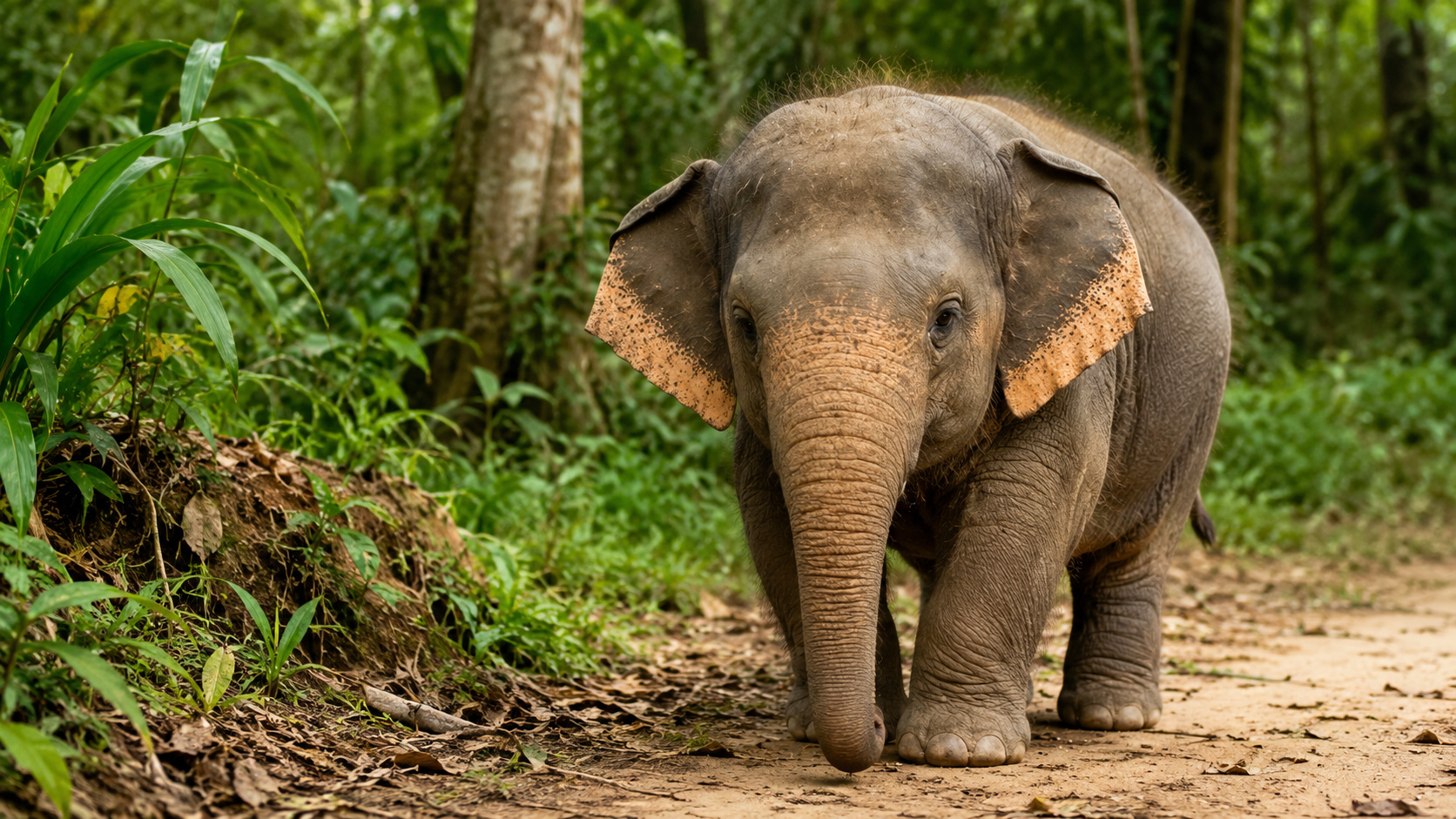
It looks like a baby, but it’s an adult: meet the Bornean pygmy elephant, the smallest elephant in the world threatened by habitat loss.
This performance occurred across all units, including Norbe VI, Norbe VIII, Norbe IX, ODN I, and ODN II, as well as offices and logistics base.
Thus, the company consolidated the goal initiated in 2022 with the “Zero Landfill” program.
sustainable performance in offshore operations
Additionally, Foresea reinforced its environmental performance by maintaining a total reuse rate across all operations.
According to the Vice President of Sustainability, Marco Aurélio Fonseca, this progress represents more than a technical milestone.
He stated that the company also continuously reduces environmental impacts.
At the same time, the organization contributes to the evolution of the value chain.
Consequently, clients and suppliers begin to adopt more sustainable practices.
reused materials and social impact
In 2025, metallic waste led the reuse efforts, with 388 tons.
Next came wood, with 125 tons, and plastics, with 64 tons.
Additionally, the co-processing of common waste totaled 121 tons.
All revenue generated from this reuse was directed to social and environmental programs.
These initiatives prioritized, above all, Comprehensive Education and Green Economy in Macaé, in the state of Rio de Janeiro.
strategic evolution and global alignment
Previously, in 2019, while still in the old drilling unit, the Zero Landfill project was launched.
Subsequently, in 2022, the goal was achieved.
Then, the company moved on to the challenge of total waste reuse.
This process was structured based on international references.
Among them, the guidelines of the Global Reporting Initiative and the principles of the UN Global Compact stand out.
Thus, the company ensured alignment with global sustainability practices.
Additionally, there was a review of processes, focusing on the end-of-life cycle of waste.
At the same time, the company strengthened the management of partners responsible for final disposal.
Thus, it ensured compliance with international standards and traceability.
digital sustainability drives results
At the same time, Digital Sustainability was essential to achieve total reuse.
Foresea integrated data on generation, disposal, and reuse into a unique corporate dashboard.
This system is continuously updated.
The program was led by Executive Manager Carlos Júnior.
As a result, there was mobilization of leadership across the organization.
Additionally, analytical intelligence and process standardization were developed.
Consequently, each unit began to have individualized monitoring.
Furthermore, the company worked on developing strategic suppliers.
Thus, it ensured adherence to new sustainable disposal practices.
As a result, specific performance indicators were created.
These indicators allow for continuous monitoring, transparency, and constant improvement.
Foresea’s role in the offshore sector
Currently, Foresea operates with offshore drilling solutions.
Its fleet includes the rigs ODN I, ODN II, Norbe VI, Norbe VIII, and Norbe IX, all with active contracts.
Additionally, the company holds international certification APIQ2 for the entire fleet.
According to the company, this standard ensures quality and operational efficiency.
At the same time, Foresea claims to have a high operational uptime rate in the market.
Among its values, safety, performance, and respect for the environment stand out.
The company also reinforces its commitment to ESG practices.
Thus, it maintains alignment with environmental, social, and governance criteria.
Given this consistent advancement, the total reuse strategy indicates a new standard for the offshore sector — but to what extent can this model influence the entire industry?

Executive Manager of Sustainability, Carlos Júnior.







Be the first to react!