





 Portuguese
  English
  Spanish
  5 min of reading
  3 comments


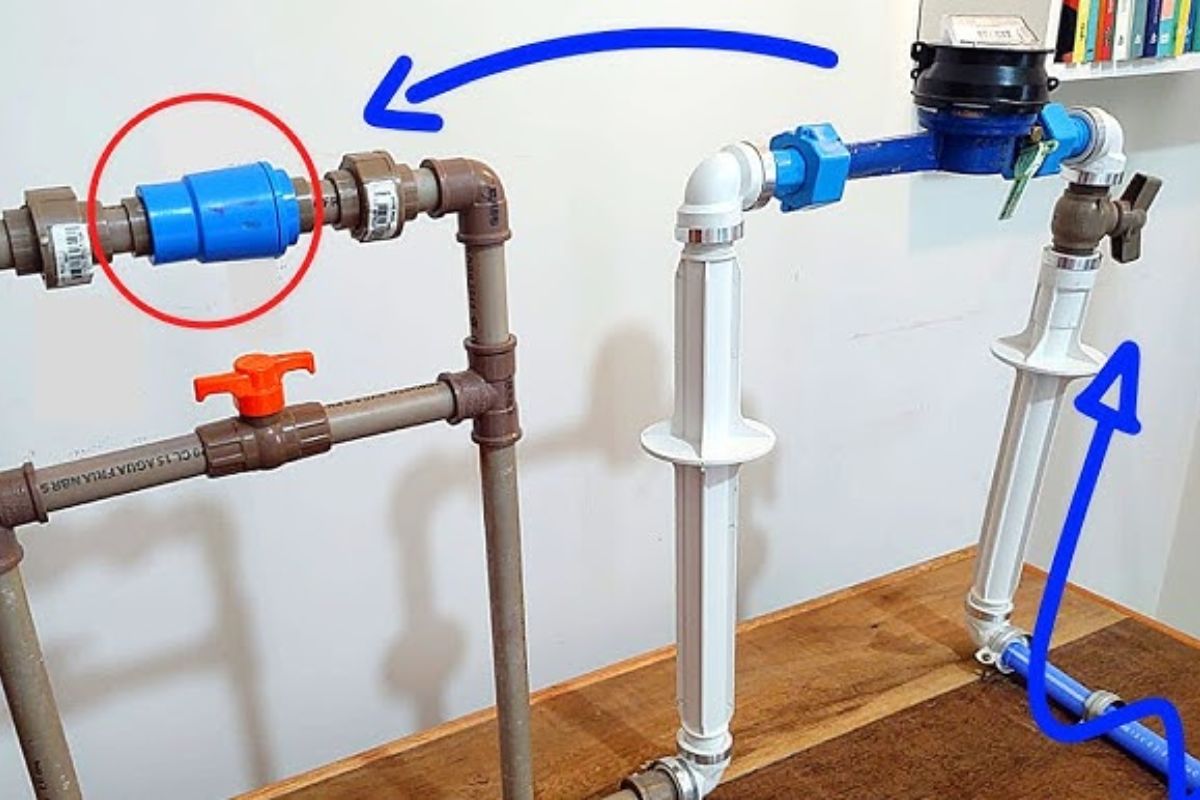


The Brazilian Inventor Who Launched The Blocker In 2015 Says The Air In The Network Makes The Water Meter Register Consumption Without Water, Inflating The Water Bill. Sold For Around R$ 45, The Accessory Promises To Cut Up To 50%, But Tests, Utilities, And Lack Of Certification Reopen Questions In Brazil. Learn More About Demétrio Mitr.
The Bet Of The Brazilian Inventor Demétrio Mitr Has Resurfaced Among Consumers Because It Targets A Real Noise In The Supply: When The Pressure Drops, Air In The Network Can Enter The Building Connection And, In Theory, Make The Water Meter Spin Without Water Reaching The Faucets. The Blocker, Sold For Around R$ 45 On Platforms Such As Mercado Livre, Appears As A Direct Promise Of Relief On The Water Bill.
The Problem Is That The Same Simplicity That Makes The Product Attractive Also Expands The Zone Of Uncertainty. Trials Reported Since The Launch Indicated That The Blocker Does Not Completely Eliminate Air In The Network At Certain Pressures And Can Reduce Flow At Low Pressure. The Debate Turns Into Applied Engineering: What The Water Meter Measures, What Actually Enters The House And Where The Savings Come From Is Measurement Correction Or Water That Failed To Enter.
What The Blocker Tries To Prevent In Day-To-Day Life

The Starting Point Of The Brazilian Inventor Is A Common Scene In Neighborhoods With Supply Fluctuations: Pressure Drops, Maneuvers, And Returns Of The System Can Create Pockets And Displacements Of Air In The Network.
-
The government requests the Federal Revenue Service for a new system to automate the income tax declaration, reducing errors, time, and bureaucracy for millions of Brazilians.

-
Pix in installments, international Pix, and contactless payment without internet: the Central Bank revealed the new features coming to the tool that is already used by almost every adult in Brazil.

-
Mercado Livre has just started selling medications with delivery in up to three hours to your door, and this move could completely change the way Brazilians buy medicines on a daily basis.

-
In Dubai, rising tensions from the war in the Middle East are causing super-rich individuals to leave the Gulf and direct their fortunes to a new financial refuge in Asia.


When The Water Returns, This Air Can Be Pushed Into The Connections, Especially In Sections With Elevations, Long Branches, And Old Piping.
The Thesis Of The Blocker, Also Called An Air Inhibitor In Part Of The Market, Is To Prevent This Air In The Network From Moving Forward And Generating Improper Registration On The Water Meter. If This Happened Frequently, The Water Bill Could Reflect A Volume That Did Not Deliver Useful Water To The Property.
The Controversy Begins Because The Behavior Of The Water Meter Varies By Model, Installation, And Hydraulic Regime, Making The Problem Context-Dependent.
Installation After The Water Meter And What It Changes In Measurement

In The Configuration Publicized Since 2015, The Brazilian Inventor Claims That The Blocker Should Be Installed Immediately After The Water Meter, In The Internal Piping.
This Position Is The Core Of The Promise: The Water Meter Remains Where It Is, But The Blocker Starts To Act On What Enters The Property, Aiming To Protect The Water Bill.
From A Physical Point Of View, A Domestic Water Meter Registers The Volume That Crosses The Meter, Not The “Usefulness” Of This Volume To The User.
The Practical Question Is Under What Conditions The Air In The Network Would Be Able To Generate Sufficient Movement For The Water Meter To Register Notable Consumption, And For How Long This Would Persist.
It Is In This Window That The Blocker Tries To Operate, But It Is Also Where Doubts Arise About Repeatability And Real Gain Outside Specific Cases.
What Technical Tests Suggest And Why The Savings Might Have Another Origin

Laboratory Tests Conducted By Brazilian Universities, Reported Since The Product’s Circulation, Pointed To Two Critical Points For The Promise Of The Brazilian Inventor.
The First Is That The Blocker Does Not Behave As An Absolute Seal For The Air In The Network When Subjected To Certain Pressures.
This Reduces The Chance Of A Complete Measurement Correction In All Situations And Reinforces That The Result May Vary From House To House.
The Second Is The Reported Side Effect: In Low Pressure Scenarios, The Blocker May Also Reduce The Flow Of Water Entering The Residence.
In This Hypothesis, The Water Bill May Decrease For A Reason Different From The Central Discourse, Because Less Water Passed Through The Water Meter. In Direct Language, The Savings May Exist, But It May Be Related To Flow Restriction, And Not A Reliable “Filter” Of Air In The Network.
Utilities, Inmetro, And The Limit Between Consumer Protection And Intervention
Sanitation Utilities Often Argue That The Air In The Network Is Occasional, Not Continuous, And That Its Passage Through The Water Meter Does Not Generate Relevant Charges In The Average Routine.
From This Reading, The Blocker Would Create Expectations Of A Large Drop In The Water Bill Without Guaranteeing Stability Of Supply, Especially In Regions Already Pressured By Low Flow.
There Is Also An Institutional Point: Inmetro Stated At The Time Of The Launch That It Does Not Regulate Or Certify This Type Of Equipment. In Practice, This Means That The Efficiency Of The Blocker Has Not Been Officially Evaluated By The Agency, And The Discussion Is Based On Reports, Isolated Tests, And Local Conditions.
It Is Also An Important Reminder: Any Intervention On The Water Meter Itself Is A Regulated Subject And Can Generate Conflict With The Utility, While The Blocker After The Water Meter Remains In The Realm Of Technical Debate And Case By Case.
Real Technical Risks And How To Evaluate Without Falling Into A Shortcut
Even When The Proposal Of The Brazilian Inventor Seems Trivial, The Execution Can Create Technical Problems If The Blocker Is Installed Without Criteria.
Industry Entities Warn Of The Risk Of Contamination Of The Internal Network, Especially If There Are Poorly Sealed Connections, Flow Reversal, And Accumulation Of Dirt In Sections With Low Circulation.
In Building Hydraulics, Microleaks Become Suction Points When The Pressure Fluctuates, And This Can Worsen The Perception Of Air In The Network Rather Than Resolve It.
Another Risk Is Trading The Promise Of Reducing The Water Bill For A Loss Of Supply Performance. If The Blocker Restricts Flow, Signs Such As Weak Showers, Slow Filling Of The Water Tank, And Greater Dependence On Peak Hours May Appear.
To Evaluate Without Self-Deception, It Is Worth Observing The Neighborhood’s Pattern, Recording Low Pressure Times, And Treating Air In The Network As A Technical Hypothesis That Needs Evidence, Not As An Automatic Certainty.
The Blocker From The Brazilian Inventor Starts From A Legitimate Question: When Air In The Network Appears, Can It Distort The Water Meter And The Water Bill?
The Available Base Indicates That The Product Exists, Is Cheap And Collects Reports Of Reduction, But Also Records Limitations In Tests And The Risk Of Savings Coming With Lower Flow, Which Prevents A Universal Conclusion.
If You Live In An Area With Frequent Maneuvers, What Signal Appears First In Your Home: Faucet “Spitting” Air In The Network, Water Meter Spinning At Odd Moments, Or Constant Pressure Drops? And If You Have Already Installed The Blocker After The Water Meter, Has The Water Bill Decreased Without Worsening The Flow, Or Did The Savings Come Along With Weaker Supply?








Boa tarde,
Onde está o relatório de aprovação ou reprovação do IMETRO, por favor.
Concordo sim: se houver um inteligente e bolar um suspiro antes do hidrômetro pode ter eficiência, mas qualquer dispositivo após o hidrômetro tenho minhas dúvidas.
A Influência da Presença de Ar na Medição de Fluxo em Redes de Abastecimento de Água
Em sistemas de abastecimento de água, a presença de ar nas tubulações é um problema frequente e pode ter um impacto significativo nas medições realizadas pelos hidrômetros, causando distorções que afetam tanto as concessionárias quanto os consumidores. Esse fenômeno é especialmente comum em áreas urbanas com sistemas de distribuição complexos, onde operações como paradas de bombas e manobras de válvulas permitem a entrada de ar nas redes. Em alguns casos, esse ar acaba sendo expulso pela conexão domiciliar, sendo registrado pelo hidrômetro como se fosse água, o que gera uma leitura de consumo artificialmente elevada.
Estudos recentes destacam que a presença de ar pode ser responsável por até 90% do volume registrado pelo hidrômetro em condições de vazão elevada (aproximadamente 1.600 L/h). No entanto, quando a vazão é baixa, esse percentual diminui drasticamente e pode se tornar nulo. A situação se agrava durante o enchimento e esvaziamento da rede, em que o fluxo de ar alterna entre os sentidos, sendo parcialmente compensado em situações de esvaziamento, mas sem eliminar o efeito de sobremedição.