





 Portuguese
  English
  Spanish
  3 min of reading
  1 comment


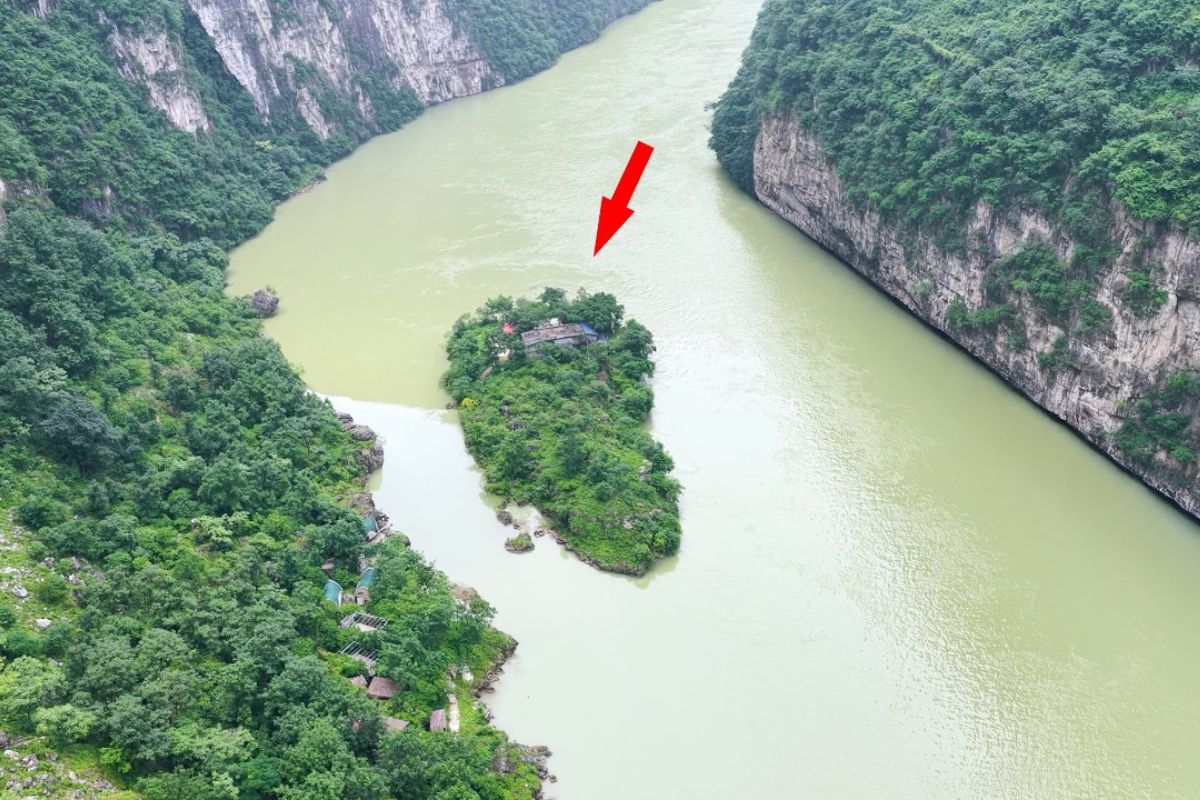


In An Island In The Middle Of A River In China, A Family Defies Time And Geography: For More Than Two Decades, They Live Surrounded By Mountains, Nature And Tranquility, Without Fearing The Floods That Would Scare Anyone.
In the heart of Sichuan province, a family decided to turn isolation into a lifestyle. For more than 20 years, the Yang couple built their home on an island in the middle of the Jinkou River, a region of deep canyons and steep cliffs, where nature is as grand as it is challenging. The location, hard to access, requires crossings on wire bridges and trails carved into rock, but it also offers a nearly mythical peace, in contrast to the frenetic pace of Chinese cities.
Despite the apparent risks, the residents guarantee that the water level never threatens the location. They take pride in living surrounded by crops, waterfalls, and fruit trees, with electricity, internet, and spring water. What for many would be extreme isolation, for them is synonymous with freedom, safety, and harmony with the environment.
An Island In The Middle Of A River In China That Became Home
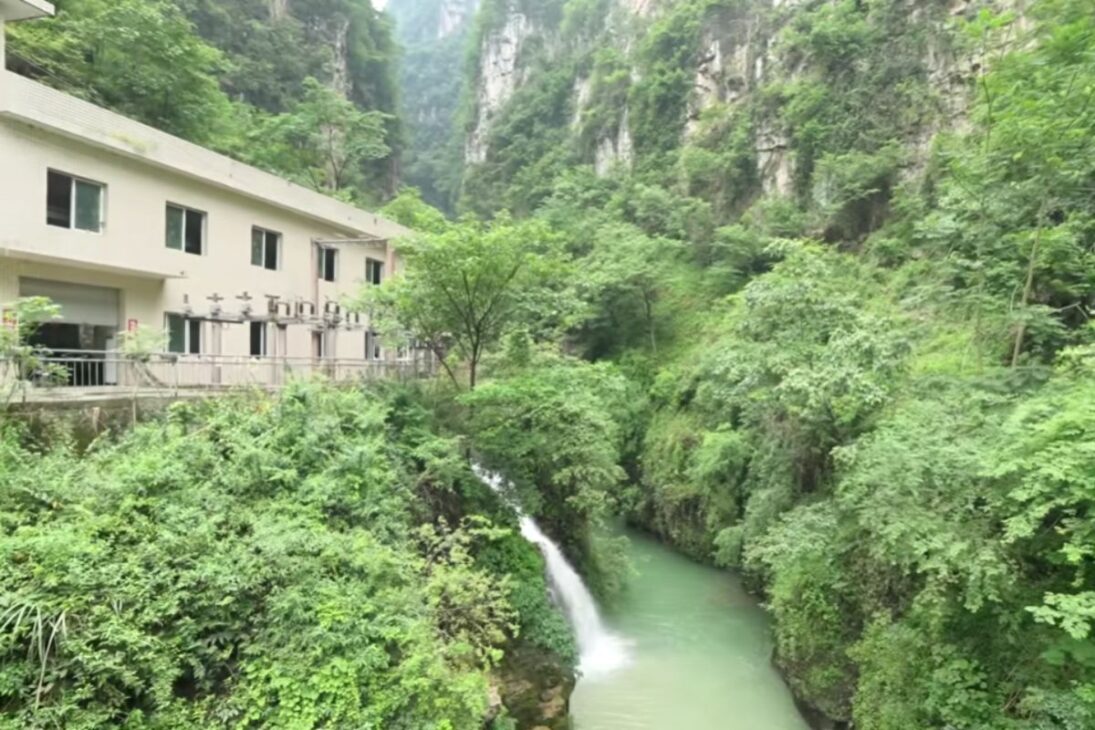
The island where the Yang family lives is located in the Grand Canyon of the Jinkou River, one of the most spectacular landscapes in southwestern China.
-
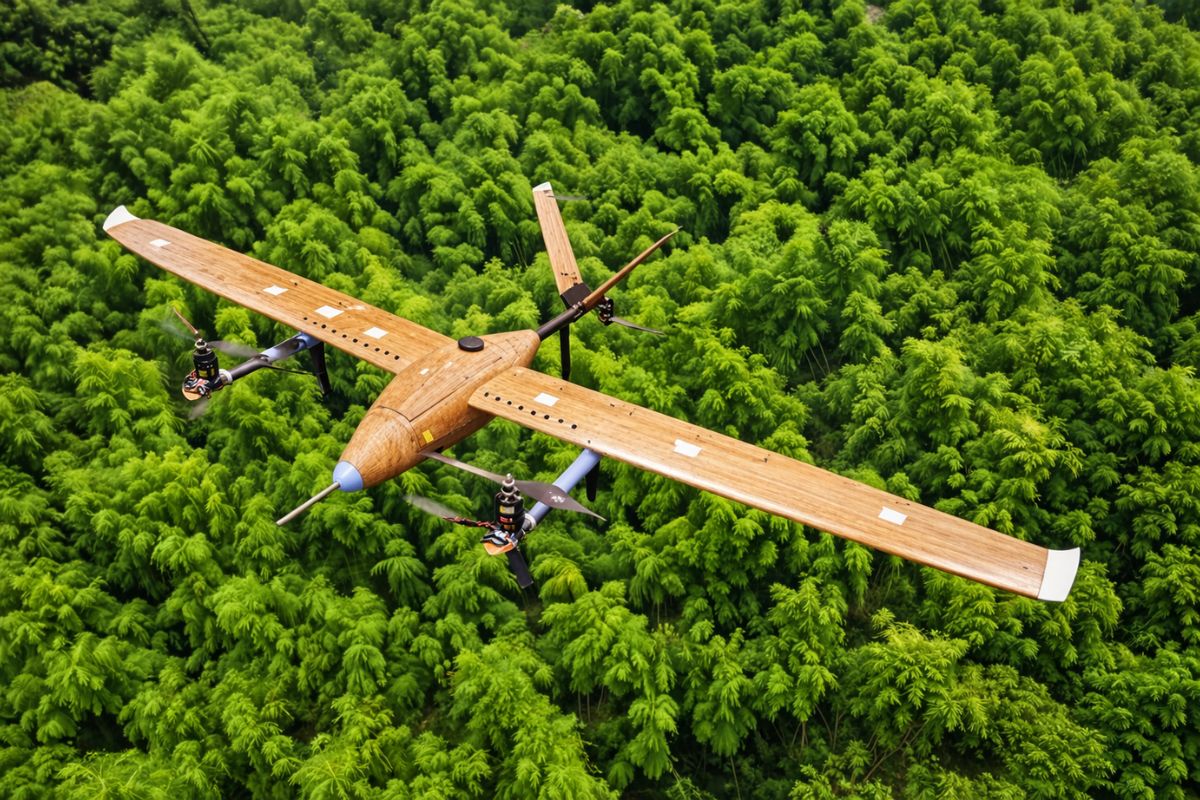
Chinese researchers have created bamboo drones that fly with the same precision as conventional models and have released the flight control software for free to the entire world in a technology that could revolutionize sustainable aviation.
-
Russia reveals that it is already conducting 95% of all its business with China without using a single dollar; dedollarization has ceased to be a promise and has become a reality in record time, and the West watches helplessly.

-
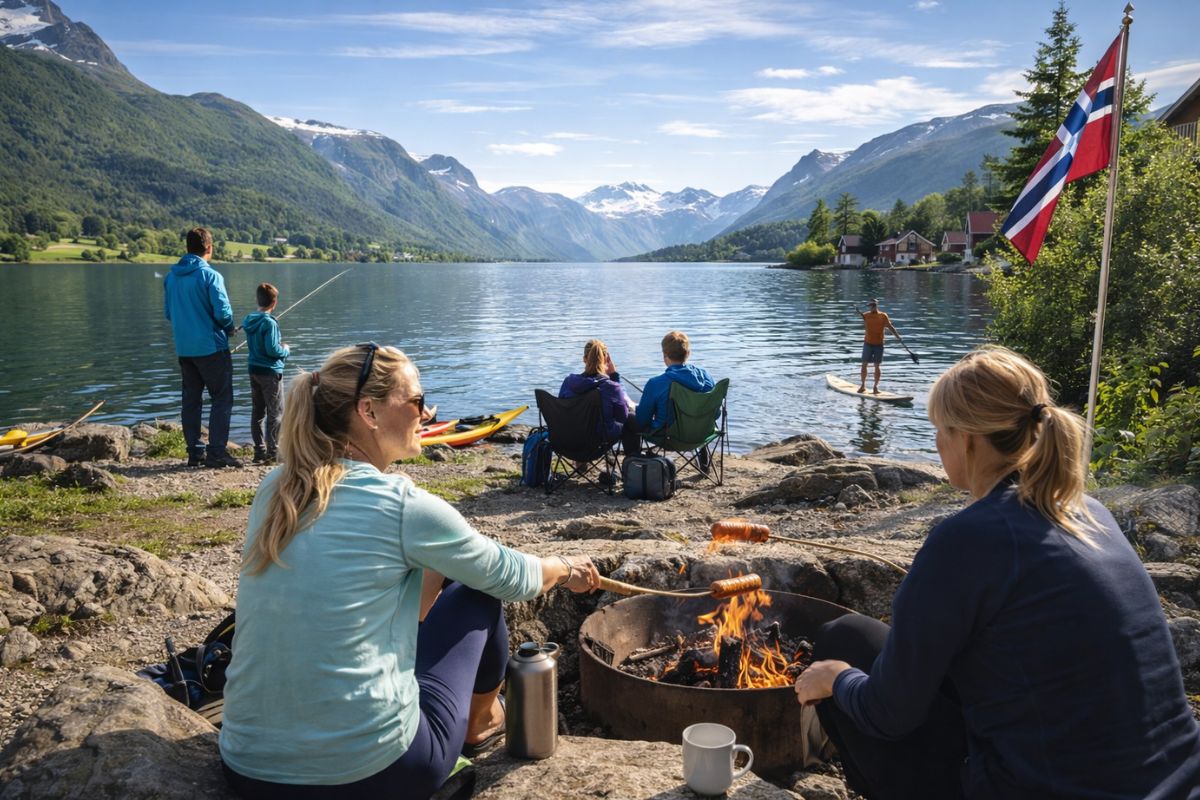
While Brazilians work more than 44 hours a week, Norwegians leave the office at 3 PM and are now testing a four-day workweek with full pay and no loss of productivity.
-
A legend of Brazilian TV is 75 years old, returned to narrate the World Cup for SBT, and still finds time to manage a farm of over 100 hectares in Rio Grande do Sul where she produces award-winning wines, olive oil, and raises cattle.

Surrounded by green mountains and deep valleys, it is the meeting point of three cities: Liangshan, Leshan, and Hanyang.
The two-story house, built with almost artisanal effort, was erected little by little since the 2000s, with materials transported by steel cables and steep trails.
Nothing there was simple. In the past, there were no roads, electricity, or bridge.
Everything had to be done by hand, with occasional support from the nearby power plant.
Uncle Yang recalls that, before the road, access was via improvised cable cars or long climbs on cliffs.
Today, tricycles can cross the iron bridge to the island, a symbol of progress that has arrived without erasing the traditional way of life.
Simplicity And Self-Sufficiency Amid Nature
The daily life on the island is governed by the seasons and the rhythm of the river.
The family cultivates walnut trees, pumpkins, tomatoes, and peppers, and uses pure spring water for drinking and irrigation.
There is electricity and even a TV set up in the outdoor area, where they often watch programs while having meals.
Colorful butterflies, fig trees, and poisonous flowers used as repellent complete the bucolic scenery.
Despite the apparent vulnerability, the location is safe.
Yang himself asserts that the water level has never threatened the island, even during floods or earthquakes, the strongest of which, in 2008, passed without causing damage.
The surrounding mountains are formed by solid rocks, which makes the terrain stable and resilient.
The Balance Between Isolation And Fulfillment


Living there is, according to the couple, living “like in paradise.”
The pure air, the sound of the waters and the silence of the nights replace the urban noise and the rush of modern life.
The island represents a deliberate choice for a simple, autonomous existence in harmony with the landscape.
Even with technological advancement and the development of neighboring cities, the couple shows no intention of leaving.
Every curious visitor, like the explorer Xiaoxue who documented the site, has the same reaction: surprise at the tranquility, balance, and resilience of this life outside of time.
It is a story that challenges common sense about comfort, safety, and belonging.
In an era marked by digital connections and accelerated routines, this family’s story shows that fulfillment can be found in isolation and direct coexistence with nature.
More than geographical curiosity, it is a lesson about simplicity and courage.
Would You Be Able To Live For 20 Years On An Island In The Middle Of A River In China, Away From The City And Surrounded Only By Nature?








Tudo mentira,se olhar direitinho aproximando com o zum dá para ver outras casas ao redor do outro lado,então não estão isolados a volta,kkkkkk,
Deus lhe abençoe.