





 Portuguese
  English
  Spanish
  4 min of reading
  0 comments


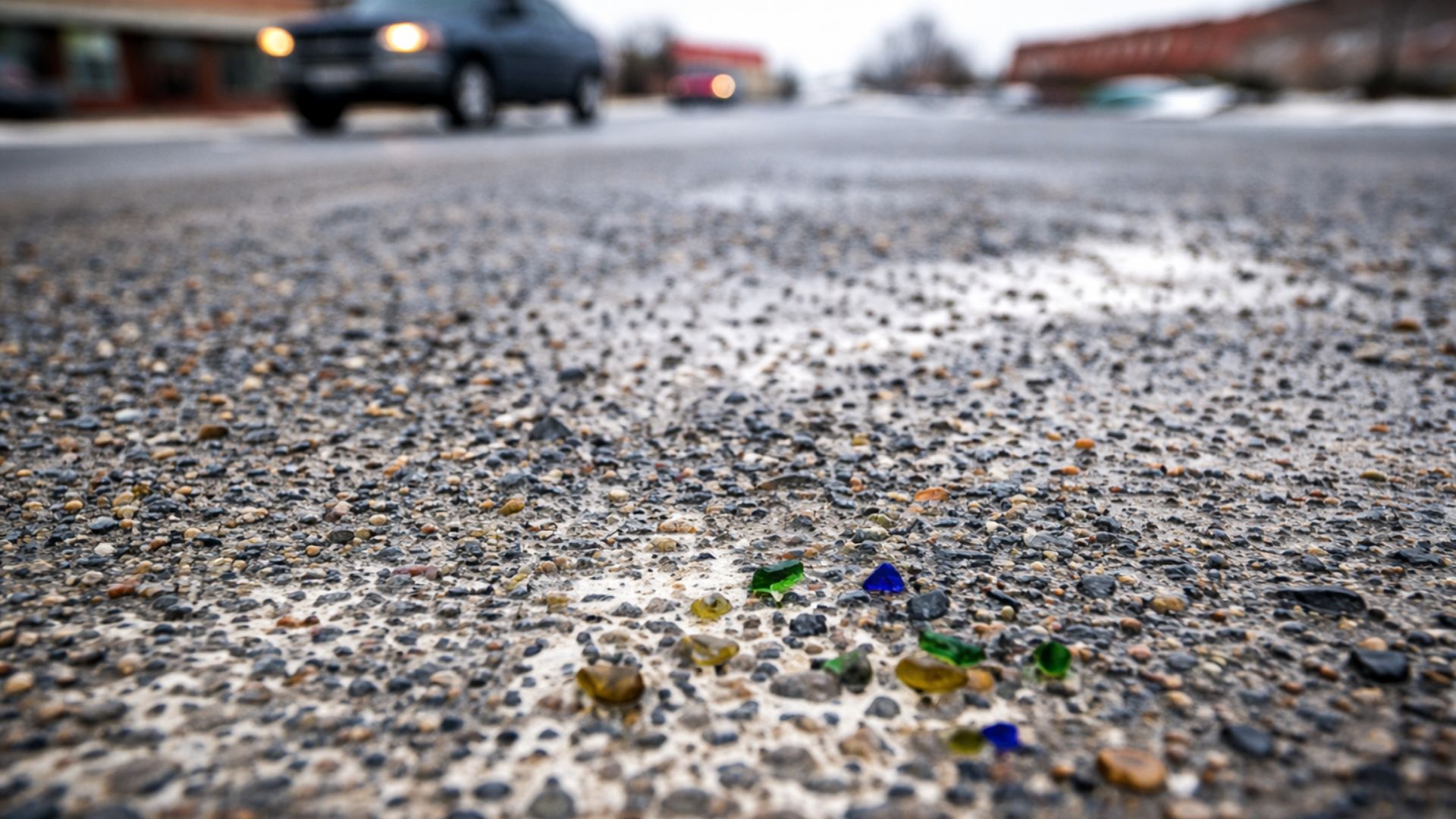
Initiative in Samoa Tests Use of Crushed Recycled Glass in Asphalt Mix for Patch Repair, Bridging Road Maintenance and Circular Economy in Project Monitored by International Organization and Local Entities.
An initiative promoted by the United Nations Development Programme presented, in Samoa, a test of the use of crushed recycled glass in the asphalt mix applied in patch repairs, linking road maintenance to solid waste recycling strategies.
According to the PNUD’s institutional statement in the country, the material was employed experimentally at the entrance to the Tafaigata landfill, in partnership with the Samoa Recycling and Waste Management Association and the local company R&R Construction.
Despite the popular nickname suggesting a “glass road,” the described process does not leave exposed fragments on the surface, as the glass undergoes crushing and screening before being incorporated as aggregate into the conventional asphalt mix.
-
Friends have been building a small “town” for 30 years to grow old together, with compact houses, a common area, nature surrounding it, and a collective life project designed for friendship, coexistence, and simplicity.

-
This small town in Germany created its own currency 24 years ago, today it circulates millions per year, is accepted in over 300 stores, and the German government allowed all of this to happen under one condition.

-
Curitiba is shrinking and is expected to lose 97,000 residents by 2050, while inland cities in Paraná such as Sarandi, Araucária, and Toledo are experiencing accelerated growth that is changing the entire state’s map.

-
Tourists were poisoned on Everest in a million-dollar fraud scheme involving helicopters that diverted over $19 million and shocked international authorities.


Glassphalt: How It Works The Asphalt with Recycled Glass

The compound is known as glassphalt and consists of partially replacing mineral aggregates with ground recycled glass, within technical proportions that aim to maintain stability and uniformity characteristics of the layer applied to the road.
According to technical literature on paving, traditional asphalt combines a bituminous binder and mineral aggregates, and adjustments to the composition have been studied for decades to optimize performance, availability of inputs, and local application conditions.
In the case of glass, experts point out that the granulation and cleanliness of the material are key factors to avoid adhesion issues or premature wear, requiring quality control before incorporation into the asphalt mix.
Patch Repair as Monitored Test Bed
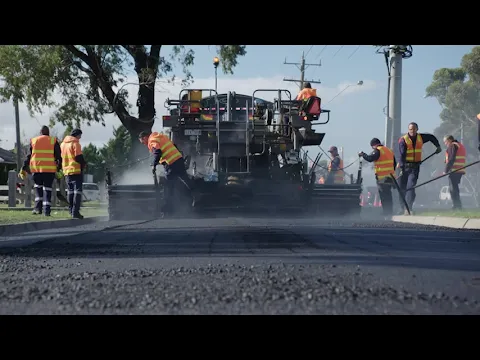
The choice of localized repair follows an operational logic, since the patch repair allows monitoring the behavior of the material on a small scale, with direct observation of performance under traffic and climatic variations.
As described by PNUD, two proportions of crushed glass relative to sand were evaluated before the final application, indicating a preliminary adjustment stage in the composition of the mass used.
In services of this type, the objective is to restore the rolling surface and minimize water infiltration that accelerates pavement degradation, factors that usually guide the evaluation of any new input employed.

Circular Economy and Waste Management in Islands
The initiative was linked to the Circular Economy for the Recovery of Waste program, the CERO Waste, co-financed by the British High Commission in Apia and by PNUD itself, focusing on recovering economic value from discarded materials.
According to the statement, the Tafaigata landfill has already reached its total capacity, and the search for alternatives to reuse glass has become part of strategies to reduce the volume sent for final disposal.
Data released by SRWMA indicates that since mid-2021, over 700 tons of post-consumer glass have been diverted from the landfill, with 168 tons effectively crushed for use in different products.
Among these products, in addition to glassphalt, there are applications in molded concrete, blocks, pavers, and ornamental pieces, as detailed by the association responsible for waste management in the country.
Official Statements and Social Reach of the Project
In the institutional material, the PNUD official in Samoa stated that “This trial showcases yet another example of value being recovered from waste,” relating the experience to the expansion of markets for collected glass.

The president of SRWMA, Marina Keil, also mentioned in the release, stated that the expansion of the use of crushed glass depends on the continuity of the work of the involved team and the consolidation of new derivative products.
The institutional text further informs that the program employed seven young people, including persons with disabilities in partnership with SENESE Inclusive Education, in processing and preparing the recycled material.
Technical Limits and Need for Monitoring
Paving specialists note that any alteration in the composition of asphalt mixes requires testing and field monitoring, as factors like traffic, temperature, and humidity directly influence the durability of the repair.
So far, there is no consolidated public disclosure on the long-term performance of the section where glassphalt was applied, which keeps the project in a monitored experimental stage.
The official communication treats the initiative as a test and not as a definitive solution, highlighting the intention to observe results before any potential expansion of use in other areas of the road network.
By integrating urban maintenance and waste reuse, the project highlights a technical alternative that depends on practical validation, inserted in the broader debate on circular economy and infrastructure management.









Seja o primeiro a reagir!