





 Portuguese
  English
  Spanish
  3 min of reading
  0 comments


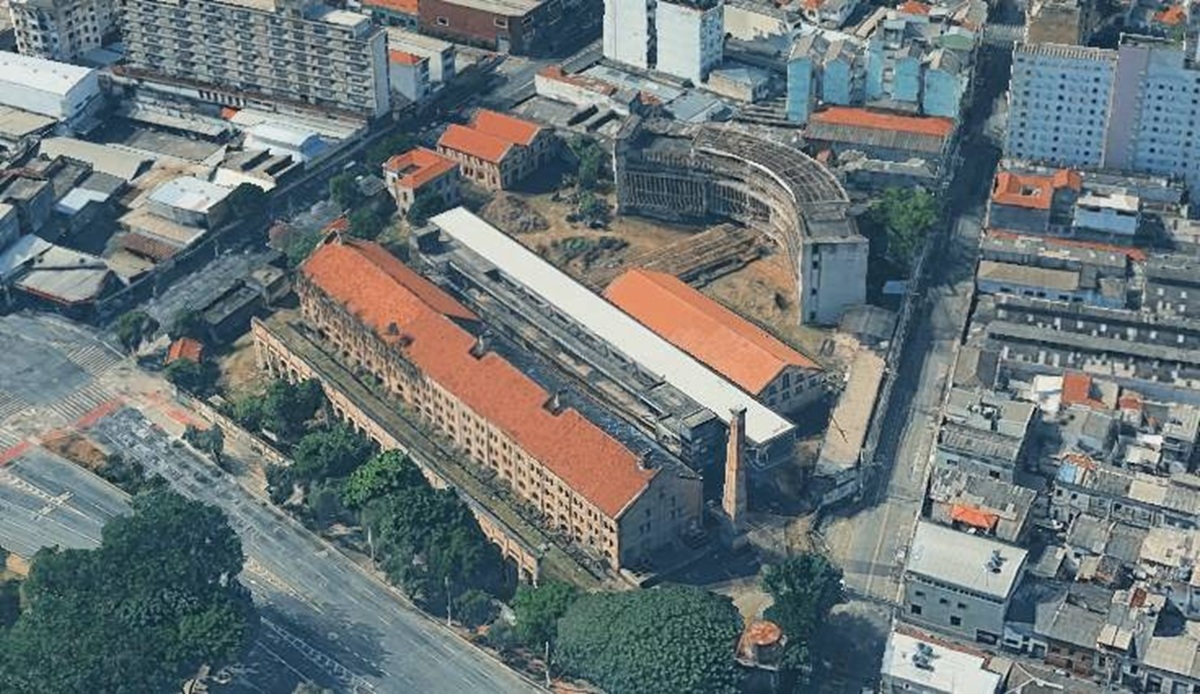
Built in 1889 in the Former Gasometer Complex, the House of Retorts Marked Gas Public Lighting in São Paulo, Was Left Empty After 2023 and May Be Transformed into a Creative Economy Hub from 2025
Built in 1889 in the Former Gasometer Complex, the House of Retorts, in the Historic Center of São Paulo, Marked Gas Public Lighting in the 19th Century, Has Been Closed Since 2023 After Over R$ 100 Million Invested and May Be Transformed into a Creative Hub from 2025.
English Industrial Architecture Preserves Paulist Energy Memory
The House of Retorts is a 19th Century Building with English-Inspired Architecture, Characterized by Exposed Brick and an Industrial Profile, Inserted in the Former Gasometer Complex, a Strategic Area of the Historic Center of São Paulo.
The Building References the Period When Gas Was the Main Source of Urban Energy, Before the Consolidation of Electricity, Preserving Constructive Characteristics Typical of British Industries Operating in the Energy Sector in the Late 19th Century.
-
The Argentine government celebrates the lowest poverty rate in 7 years, but experts warn that the methodology has changed, real wages have fallen, unemployment has risen, and the number of people on the streets of Buenos Aires has increased by 57% since Milei took office.

-
7.8 magnitude earthquake in Indonesia frightens the population, triggers tsunami alert, and hits an island with over 200,000 inhabitants this Thursday.

-
Google will finally let you change that embarrassing Gmail address you created in your teenage years without losing any accounts, logins, or old emails: the feature is already available in the United States.

-
Heading to Brazil in a Bonanza F33 single-engine aircraft: a couple departs from Florida on a visual flight, makes technical stops in the Caribbean to refuel and organize paperwork, and begins the staged crossing until they reach the country.


Gasometer Changed Urban Routine by Allowing Nighttime Use of the Streets
The Gasometer Complex Was Established in the Late 19th Century to Produce Energy and Ensure Gas Public Lighting, Replacing Old Oil Lamps and Dependence on Moonlight.
With the Arrival of Gas Lighting, the Urban Dynamics of São Paulo Changed Profoundly, Allowing the Population to Occupy Streets and Public Spaces After Dark for the First Time.
Retorts Burned Coal to Feed Public Lighting
In 1889, the São Paulo Gas Company, the English Company Responsible for the Gasometer, Built the House of Retorts to House the Containers Where Coal Was Burned to Generate the Gas Used in Public Lamps.
The Retorts Were Fundamental Structures in the Gas Production Process, Representing a Relevant Technological Advance for the Urban Infrastructure of São Paulo at That Time, Consolidating the Complex as the City’s Energy Hub.
Decline of Gas and Integration of the Complex into the Municipality
Starting in the 1930s, Electric Energy Gained Ground and Gas Lighting Fell Out of Use, Leading to the Closure of the São Paulo Gas Company’s Operations in Brazil.
With the End of Operations, the Entire Gasometer Complex Passed into Municipal Ownership, Initiating a Long Period of Functional Emptying and Progressive Loss of Space Utilization.
21st Century Renovations Did Not Result in Reopening
After Decades Empty, the House of Retorts Underwent Renovations in the 2000s Aimed at Welcoming New Functions, Including the Installation of a State History Museum.
The Project Did Not Advance Due to the High Costs Necessary for Soil Decontamination, and the State Government Officially Gave Up the Initiative in 2023 After Investing Over R$ 100 Million in the Space.
Creative Hub Project May Redefine Use of the Building
Since 2023, the Building Has Remained Closed to the Public, but in 2025 the City Hall and the State Government Announced Studies to Transform the House of Retorts into a Creative Economy Hub.
The Proposal Includes Restaurants, Bars, and Startup Offices, Integrating the Project into the Center Redevelopment Program and Returning the Former Gasometer Complex to São Paulo Residents, Despite the Still Uncertain Future of the Historical Heritage.










-

-

-

-

-

-

17 pessoas reagiram a isso.