





 Portuguese
  English
  Spanish
  3 min of reading
  0 comments


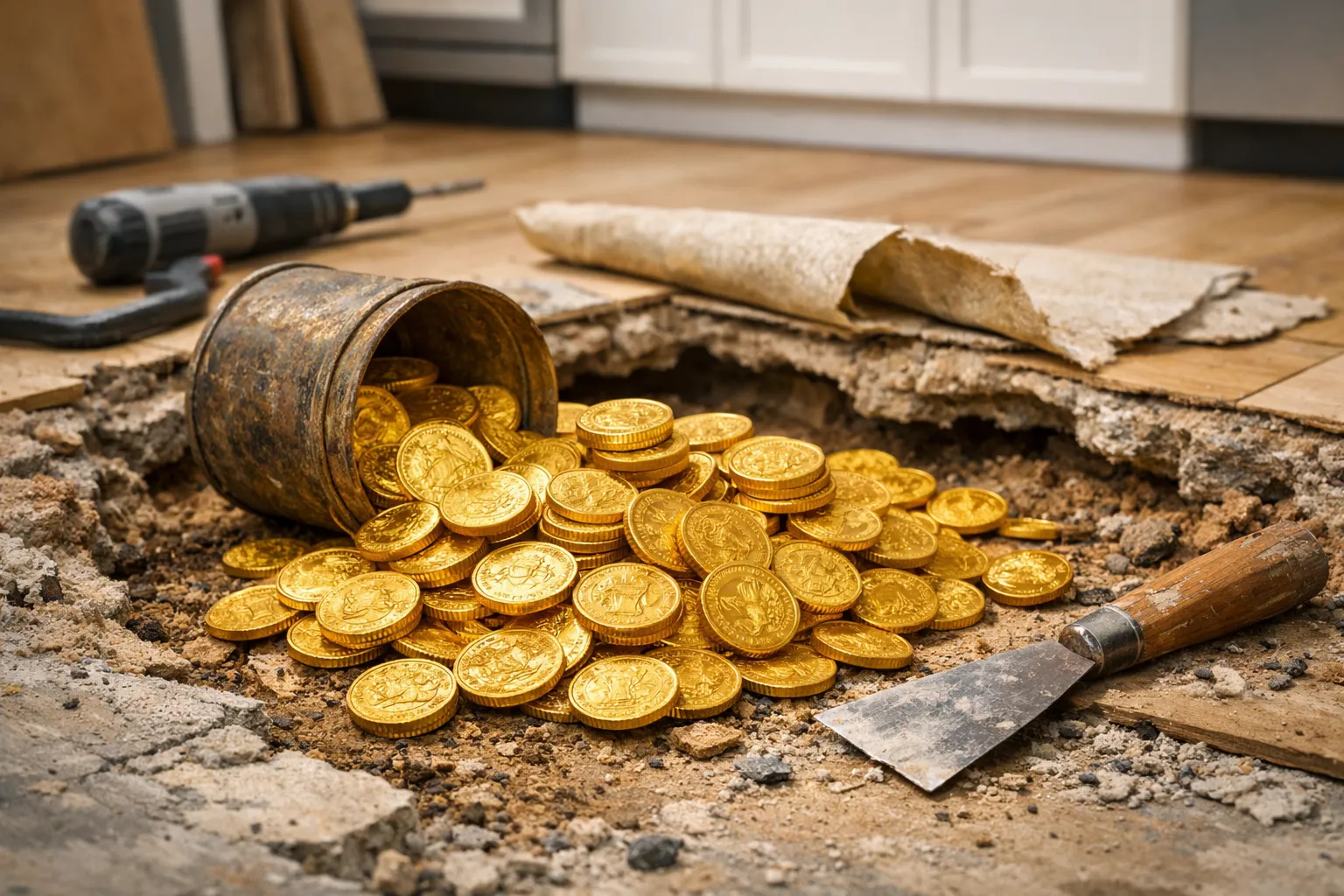
Finding occurred in 2019 during residential work in Ellerby, in eastern England, revealed 264 golden coins from the 17th and 18th centuries and resulted in an international auction with strong competition among collectors.
A man found 264 golden coins hidden under the kitchen floor during a renovation in Ellerby, East Yorkshire, in 2019, and the discovery resulted in a sale of € 750,000 at auction, highlighting historical relevance and rare numismatic value.
The discovery occurred when the owner removed the old floor and concrete to replace the plumbing, locating an 18th-century ceramic jar buried, which contained coins of gold preserved for centuries, according to the BBC.
The coins were minted between 1610 and 1727 and spanned different periods of the British monarchy, including the reigns of James I, Charles I, Charles II, James II, William III, Anne, and George I.
-
The Argentine government celebrates the lowest poverty rate in 7 years, but experts warn that the methodology has changed, real wages have fallen, unemployment has risen, and the number of people on the streets of Buenos Aires has increased by 57% since Milei took office.

-
7.8 magnitude earthquake in Indonesia frightens the population, triggers tsunami alert, and hits an island with over 200,000 inhabitants this Thursday.

-
Google will finally let you change that embarrassing Gmail address you created in your teenage years without losing any accounts, logins, or old emails: the feature is already available in the United States.

-
Heading to Brazil in a Bonanza F33 single-engine aircraft: a couple departs from Florida on a visual flight, makes technical stops in the Caribbean to refuel and organize paperwork, and begins the staged crossing until they reach the country.


In addition to British coins, the collection included a Portuguese coin from the reign of John V, expanding international interest and indicating broader trade connections in the historical context of the found collection.
Collection Remained Hidden for Over Two Centuries
The origin of the treasure was associated with the Fernley-Maister family, an influential dynasty of merchants from Hull, known for their involvement in Baltic trade during the 17th and 18th centuries.
Although the finding occurred in 2019, the collection was only presented publicly in 2022, when it was brought to auction by Spink & Son in London, specializing in historical numismatics.
Initial sales estimates ranged between £ 200,000 and £ 250,000, but the interest generated drove the final value to £ 754,000, significantly surpassing the initial projections released by the organization.
Auction Attracts Buyers from Four Continents
The collection was acquired by private buyers from Europe, the Americas, Asia, and Oceania, reflecting the global dimension of interest in the coins and the rarity of the set put up for sale.
One of the standout pieces was a 1720 coin with a minting flaw, which individually reached over £ 62,000, becoming one of the most contested lots of the event.
The auctioneer Gregory Edmund stated that the collection represented “120 years of English history condensed into a container the size of a soda can,” highlighting the uniqueness of the finding.
Edmund reported that the discovery began with the identification of a small chip of gold in the soil, which led to the removal of the container and the revelation of one of the largest concentrations of British gold from the 18th century.
Identity of Owners Remains Unknown
The auction featured intense competition among in-person participants, online buyers, and phone bids, gradually raising the values throughout the bidding, as described by Spink & Son.
The identity of the current owners of the property remains anonymous, known only to be a couple undertaking a common renovation, without any expectation of finding a historical treasure beneath the floor.
Spink & Son classified the discovery as “one of the largest treasures of English coins ever found,” both for the volume of pieces and the historical relevance of the set, reinforcing its importance in the numismatic landscape.
The case illustrates how routine home interventions can still reveal objects of great historical value, hidden for centuries, and remain unknown until simple structural alterations are made in residential properties.










-

Uma pessoa reagiu a isso.