





 Portuguese
  English
  Spanish
 4 min of reading
  0 comments


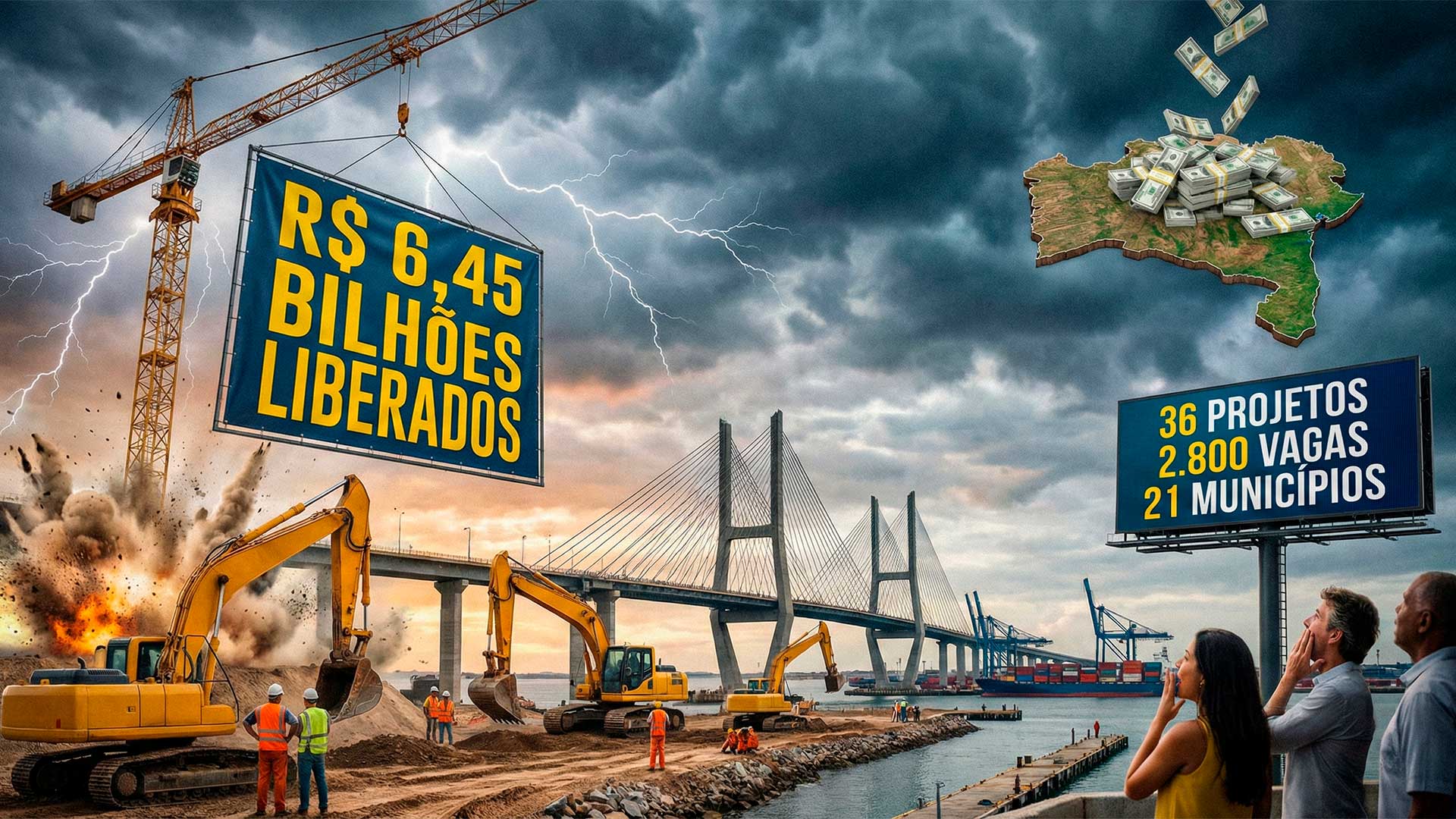
Councils of the Desenvolve and ProBahia Programs Approved 36 Projects in the Final Stretch of 2025, Focused on Industry, Energy, Logistics, and Food in Various Regions of the State.
Bahia wrapped up the last round of deliberations for 2025 with a robust investment package that, on paper, aims at two objectives simultaneously: accelerating economic growth and creating formal jobs in different regions of the state.
On Tuesday, December 16, 2025, the Deliberative Councils of the Desenvolve and ProBahia programs approved 36 projects amounting to over R$ 6.45 billion and predict the generation of over 2,800 direct jobs.
The composition of the projects indicates a strategy to concentrate large investments in productive chains with a strong multiplier effect, while spreading smaller initiatives across inland municipalities, in an effort toward regional development.
-
Mothers and daughters come together, create an ‘express’ beauty salon and turn the idea into a network with 21 units, revenue of R$ 16.7 million and 12,000 subscribers.

-
End of the 6×1 schedule: how the reduction of hours can affect service companies, industry, and agribusiness.

-
Brazil Ignores Trump’s threats to BRICS, Buys 42 tons of gold and reduces the Dollar’s share by 6.45% in international reserves.

-
Havan buys historic football land in Blumenau for a million-dollar amount protected by a confidentiality clause and is already planning to change even the layout of streets to build a megastore in half-timbered style costing 80 million reais.

Meanwhile, the demand for transparency is also increasing, as incentive programs often generate debate about fiscal costs and the need to prove that jobs and contraparties actually materialize within the deadline.
What Was Approved in the Last 2025 Meeting of the Desenvolve and ProBahia Programs
According to the announcement from the meeting, the approved projects address sectors considered strategic, including industry, energy, logistics, and food, with a projected impact on dozens of supply chains and service providers.
The Secretary of Economic Development, Angelo Almeida, stated that the results reflect the effectiveness of the incentive policy and emphasized the attraction of investments and the generation of opportunities as the central role of the councils.
The list of cities mentioned in the announcement includes municipalities such as Salvador, Feira de Santana, Camaçari, Simões Filho, Dias d’Ávila, Maragogipe, Eunápolis, Ilhéus, Barreiras, Vitória da Conquista, and others, reinforcing the discourse on regional distribution of projects.
How the R$ 6.2 Billion from Desenvolve Concentrate on Industry and Logistics
In the Desenvolve Program, projects totaling R$ 6.2 billion in investments were approved, with a forecast of 1,886 direct jobs, which concentrates the majority of the financial volume of the announced package.
Within this block, the state highlighted large-scale initiatives related to the reactivation and modernization of industry, with the potential to drive local purchases and the hiring of specialized services throughout the implementation.
Naval Industry in Maragogipe Becomes a Showcase for Jobs and Supplier Chains
Among the main highlights of Desenvolve is the project from the Consórcio Enseada – Tenenge, with R$ 961.3 million aimed at strengthening the shipyard in Maragogipe, in the Recôncavo Baiano.
The disclosed forecast indicates 1,225 direct jobs associated with the initiative, linked to the construction of “next-generation” vessels to meet Petrobras contracts, thereby repositioning the naval industry as a relevant axis in the state’s development agenda.
The topic gains additional weight because, in October 2025, the Ministry of Mines and Energy announced R$ 2.97 billion from Petrobras for the construction of six vessels at the Enseada Shipyard, also citing thousands of direct and indirect jobs nearby.
In practice, the reactivation of a shipyard typically pulls a long supply chain, from metalworking and engineering services to transportation, catering, and professional training, potentially amplifying the impact beyond direct vacancies.
Even so, this is precisely where the pressure for evidence lies: projects of this nature usually have complex timelines, and society tends to publicly demand accountability when hiring or deliveries do not keep pace with the announcement.
Pulp and Food Enter the Radar with Investments in Eunápolis, Salvador, and Ilhéus
Another project considered relevant is the Veracel Celulose initiative, with nearly R$ 3 billion for expanding and modernizing operations in Eunápolis, strengthening the forestry chain in the far south of Bahia.
In the food sector, the announcement also mentions the reactivation of a mill in Salvador (Grande Moinho Cearense, R$ 148 million and 83 jobs) and the reactivation of the wheat mill at the Port of Ilhéus (JAV Indústria de Alimentos, R$ 129 million), with a start date expected for July 2026 and a capacity to process 144 thousand tons per year, in addition to estimated direct and indirect jobs.
ProBahia Distributes Projects Across the Interior and Rekindles Debate on Tax Incentives
In the ProBahia Program, 21 projects were approved, with over R$ 230 million in investments and a forecast of 937 direct jobs, involving the implementation, expansion, and modernization of enterprises.
The reading of the package suggests a dual logic: major industrial anchors pulling volume and visibility, while smaller projects help to disperse economic activity, especially in municipalities seeking to attract companies as a way to boost the local market.
This type of policy, however, almost always ignites discussion about cost-benefit, as tax incentives without targeted monitoring may lead to renunciation without return, while well-designed incentives can unlock investment and income in less dynamic regions.
If you follow this topic, leave a comment: Do tax incentives like these deliver real jobs or become headlines that fade over time? In your city, do announced investments typically turn into works and hiring, or do they remain promises? What should be required as a counterpart to prevent waste of public resources?







Seja o primeiro a reagir!