





 Portuguese
  English
  Spanish
  7 min of reading
  0 comments



Proposed Constitutional Amendment Filed by Kim Kataguiri and Advocated by Captain Alden Creates a Maximum Rate of 1% for IPVA in 2026; States That Charge Up to 4% Would See Strong Decrease, and the Calculation Base Would Consider Weight, with Tax Value as a Ceiling in Vehicle Assessment.
The IPVA in 2026 may become the center of a change that directly affects those who pay the highest state rates. The idea is to create a national ceiling of 1% for the tax, replacing the current scenario where the percentage varies from state to state and can reach 4% per year in some federative units.
If this proposal advances, it would not just be a “discount” on the tax: the structure of the calculation could also change. Instead of the tax being based directly on the market value of the vehicle as the main reference, technical criteria such as weight would be used, with the venal value serving as a maximum limit for the charge.
What Is Being Discussed in IPVA in 2026 and Why It Attracts So Much Attention
The proposed change for the IPVA in 2026 is linked to a PEC (Proposed Amendment to the Constitution) filed by Deputy Kim Kataguiri (União-SP) and supported by Federal Deputy Captain Alden (PL-BA). The simplest and most politically sensitive point is the establishment of a national maximum rate of 1%.
-
A French brand placed a car on four huge red balloons to prove that its suspension made the vehicle “float,” and the surreal scene became one of the most iconic and unusual images in automotive history.

-
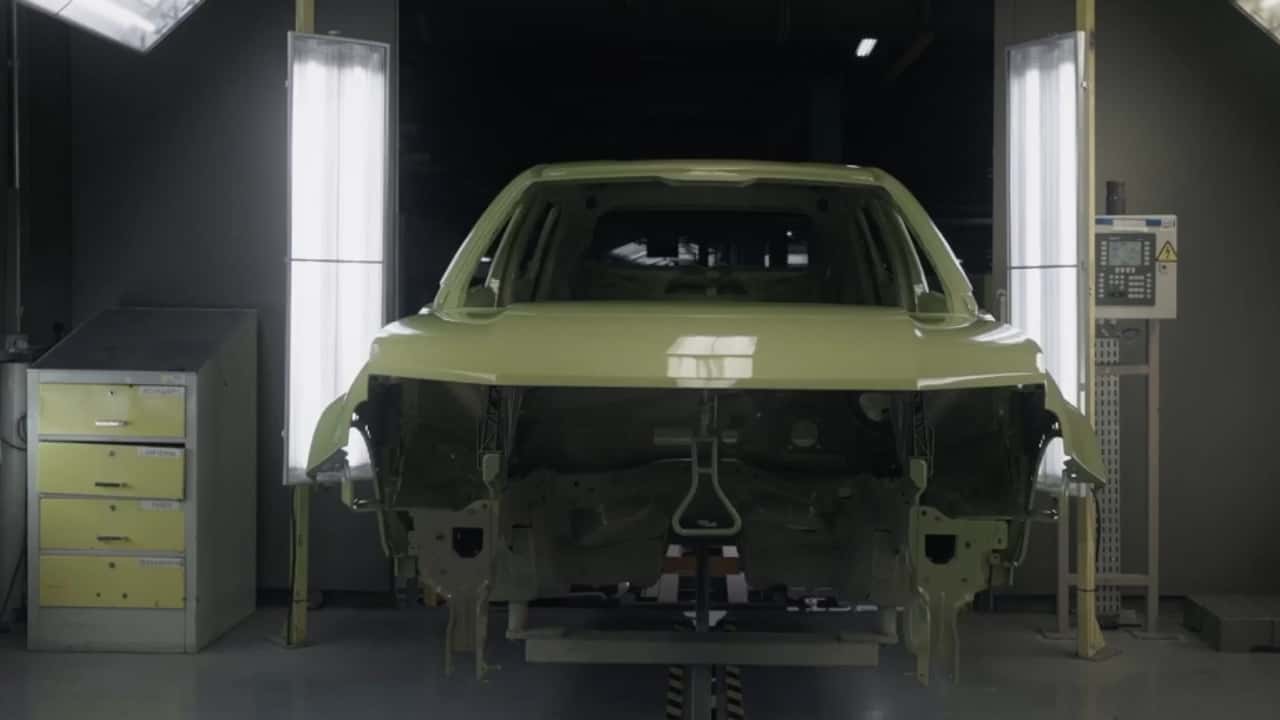
Jeep Avenger begins production in Brazil, debuting as the brand’s new entry-level SUV and inaugurating an unprecedented phase by becoming the first national Jeep manufactured outside of Goiana, as part of a R$ 3 billion plan.
-
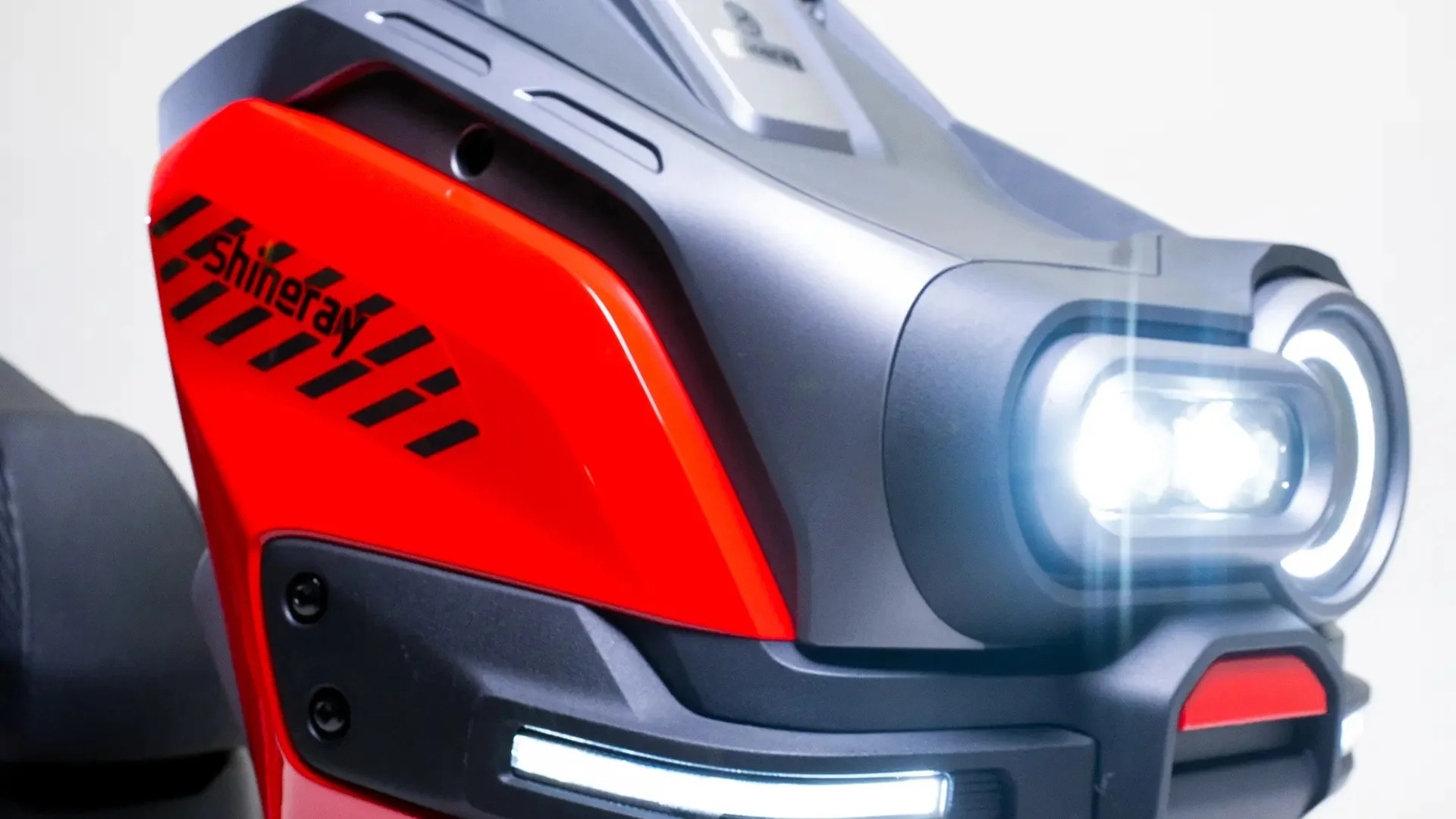
Costing R$ 12,490, the new Shineray Urban Lite 150 “cheap one” arrives in Brazil with a CVT transmission, digital dashboard, and LED lights, making it more affordable than the Biz and targeting those who want to abandon the bus.
-
Ducati brings to Brazil the Superleggera V4 Centenario: 228 hp that become 247 with a track kit, carbon fiber and carbon-ceramic brakes, estimated price between R$ 1.5 and 2 million, deliveries only in 2027.


This creates a clear dividing line between those who already pay lower rates and those in states where IPVA is heavier. Today, the tax can range between 1% and 4%, depending on each state’s legislation, with some places charging up to 4% per year, like São Paulo, Rio de Janeiro, Minas Gerais, and Bahia, in addition to the Federal District.
It is exactly in this group that the difference between 4% and 1% becomes a change that is immediately felt in the budget.
Where the Impact of the 1% Ceiling Tends to Be Greater and Who Feels It First
When discussing “turning the tide,” the most direct effect occurs where the current rate is highest. In states that reach 4% per year, a ceiling of 1% on IPVA in 2026 means reducing it to a quarter of what is paid today, assuming the same reference base for a simple comparison.
This does not mean that everyone will save in the same way, as the debate includes changing the central criterion of calculation.
Still, the structure of the ceiling helps explain why the topic has gained traction: the difference between paying 4% and paying 1% is not subtle—it usually represents a jump of thousands of reais for higher-value vehicles and remains relevant for mid-range models, which are the majority on the road.
There is also a profile cut: the higher the value of the car, the greater the savings tend to be when comparing percentages.
Therefore, vehicles in the range of R$ 60,000 to R$ 150,000 appear as recurring examples to demonstrate how taxpayers’ pockets may feel the change right after the potential approval.
How Much Could Be Saved: Examples of R$ 60,000, R$ 80,000, and R$ 150,000
The numbers that appear as a reference for IPVA in 2026 make the reasoning quite concrete, especially for those living in places that charge 4%.
In a vehicle valued at R$ 60,000, the comparative calculation is straightforward: the charge of 4% corresponds to R$ 2,400, while 1% corresponds to R$ 600, resulting in an estimated savings of R$ 1,800.
In a car valued at R$ 80,000, the logic follows the same proportion: 4% means R$ 3,200 and 1% means R$ 800. Here, the difference is R$ 2,400 less in a single year, which changes the planning for many people who concentrate expenses at the beginning of the calendar year when IPVA, registration, insurance, and maintenance come due.
In the case of a vehicle valued at R$ 150,000, the contrast becomes even more evident: 4% results in R$ 6,000, and 1% in R$ 1,500. The estimated savings reach R$ 4,500, an amount that, for many families, approaches an emergency reserve, a renovation, or the payment of installments that were straining the budget.
What Changes in the Calculation Base: Less “Market Value” and More Technical Criteria
The proposal is not limited to “lowering the rate.” In the design presented for IPVA in 2026, the tax would stop being based directly on the vehicle’s market value as the main reference and would start considering technical criteria, emphasizing the weight of the vehicle.
In practice, this suggests a change in logic: instead of a tax that follows the car’s price evaluation, the calculation would start looking at characteristics that may relate to the vehicle’s impact on road infrastructure.
At the same time, the venal value enters as a reference ceiling, serving as a limit to ensure that the charge does not exceed a certain level, even with technical criteria.
This point is likely to generate the most discussion, as it affects perceptions of tax fairness. A price-centered model is often viewed as “pay more if your car is worth more.”
Conversely, a model with a technical criterion may shift the conversation to questions like: Should heavier vehicles pay more due to potential wear? And how do categories with different weights but similar values fare? Here, the debate is not only about how much to charge but which rule makes sense for charging.
Why the Proposal Calls IPVA a “Distortion” and What Is Behind the Argument
The main political argument associated with IPVA in 2026 stems from criticism of the current format: the recurring charge would, in the author’s view, be a type of permanent property tax on an asset that depreciates over time. In other words, the car ages, loses value, and yet continues to generate annual payments.
This reasoning gains traction especially among those who feel that the charge does not correspond to the actual use of the vehicle or the impact it has on infrastructure.
The criticism is that, as it stands, the tax would be poorly connected to the “effect” of the car on the road and too connected to the logic of maintaining an annual tax on property, even as the asset grows cheaper and older.
At the same time, it is precisely here that the issue becomes sensitive: IPVA is a significant revenue source for states, and any constitutional change usually involves tough negotiations.
Therefore, although the ceiling of 1% seems simple to explain, the approval process and the final wording of the text matter greatly—because a detail in the calculation base can redistribute who wins and who loses, even with the maximum limit set.
What Could Change in Practice for Those Who Pay Every Year and How This Fits Into Planning
For the average taxpayer, the first change that stands out in IPVA in 2026 is the potential for predictability: if there is a national ceiling, the risk of being stuck with 4% rates decreases, and the annual calculation is likely to become more “controlled” at the top.
However, predictability does not mean automatic simplicity. If the technical criterion (such as weight) becomes central, the taxpayer may need to understand better where the base comes from and how it applies to their case.
This could affect planning for both those who already have a car and those thinking of buying, as the annual cost would stop being merely “X% of the car’s value” and could depend on the vehicle’s characteristics, even with a venal value ceiling in place.
In the end, those with cars in the range of R$ 60,000 to R$ 150,000 may view the topic as something that influences very real decisions: is it worth changing cars now or waiting?, does it make sense to keep a heavier model, and how much fits into the budget when the start of the year arrives.
When the tax varies by thousands, it ceases to be “an annoying fee” and becomes a decisive line in domestic finances.
The debate on IPVA in 2026 goes beyond lowering a percentage: it puts a national ceiling of 1% in play and a possible logic shift, with technical criteria such as weight gaining prominence and the venal value acting as a limit.
For those currently paying 4%, the numerical examples show why the topic has gained traction: for cars valued between R$ 60,000 and R$ 150,000, the estimated savings range from R$ 1,800 to R$ 4,500, enough to alter everyday choices.
Now I want to draw your attention to your reality, because that’s where the discussion truly gets interesting: in your state, what rate do you pay today and how much was your last IPVA?
If there were a ceiling of 1% for IPVA in 2026, do you think it’s fairer for the calculation to focus more on the weight of the vehicle or would you prefer it to remain primarily linked to the car’s value? And considering your budget, would this savings change any concrete decision about trading in your car, keeping the current one, or postponing purchases at the beginning of the year?










-

Uma pessoa reagiu a isso.