





 Portuguese
  English
  Spanish
 5 min of reading
  2 comments


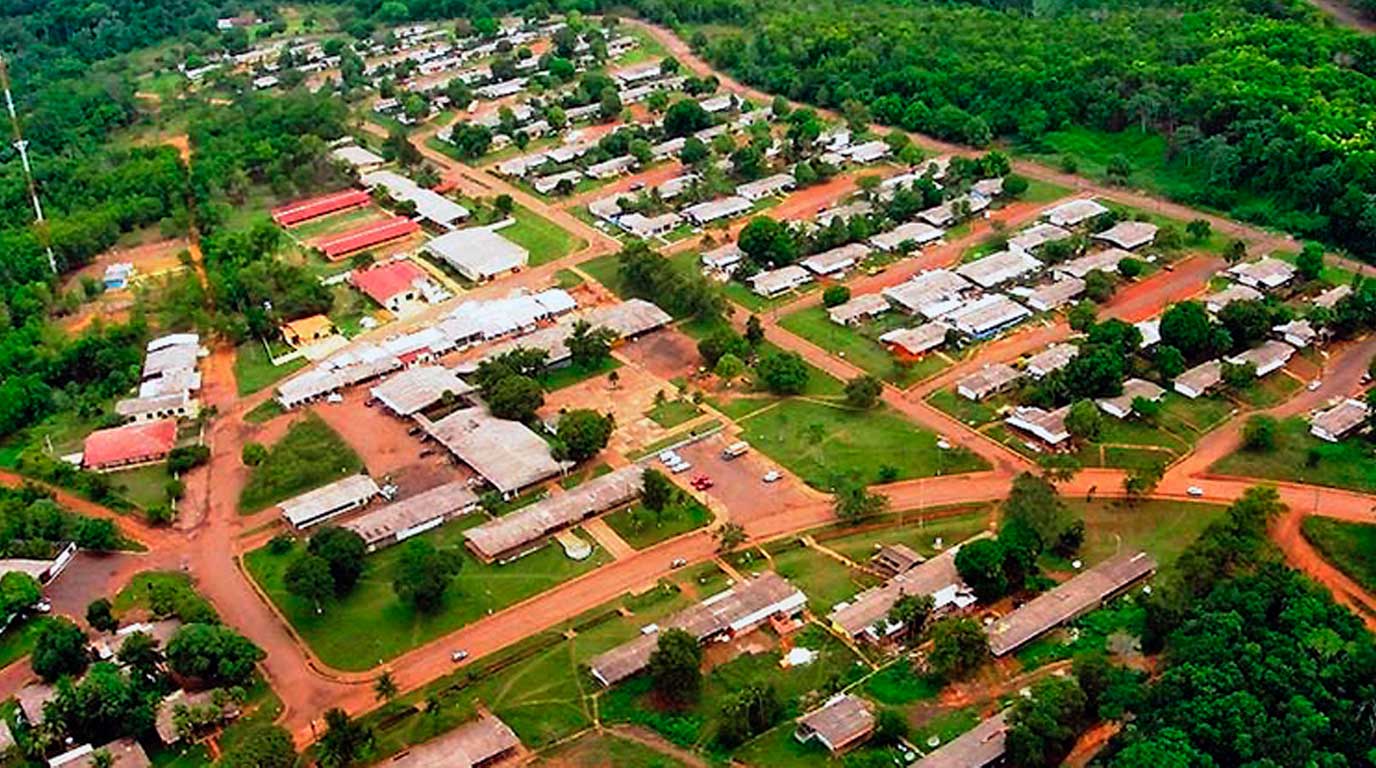


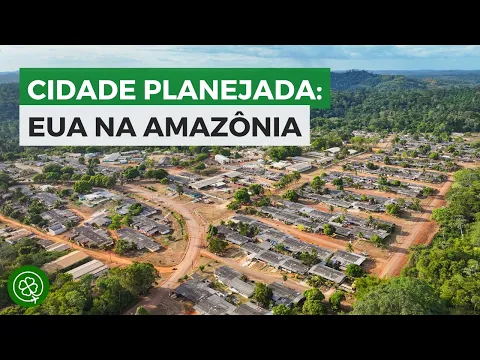
A Rare Planned Town Emerged in the Heart of Amapá, Shaped by the Manganese Cycle and the Vision of an Industrial Project. Today, the Blue Lagoons and the Amapari River Place Serra do Navio Back on the Ecotourism Map. History, Nature, and Rivers Communities Coexist in a Lively and Fascinating Scenario.
In the interior of Amapá, about 208 km from Macapá, Serra do Navio holds a past that explains its present. The municipality, officially created in 1992, was born as a company town to support manganese extraction deep in the Amazônia.
In the 1950s, mining drove unprecedented infrastructure in the region. Planned streets, hierarchically organized neighborhoods, schools, hospitals, and recreational areas formed an advanced urban mosaic for the time.
With the end of the industrial era, the town had to reinvent itself. Ecotourism emerged as an alternative, supported by landscapes transformed by humans and embraced by the forest.
-
Friends have been building a small “town” for 30 years to grow old together, with compact houses, a common area, nature surrounding it, and a collective life project designed for friendship, coexistence, and simplicity.

-
This small town in Germany created its own currency 24 years ago, today it circulates millions per year, is accepted in over 300 stores, and the German government allowed all of this to happen under one condition.

-
Curitiba is shrinking and is expected to lose 97,000 residents by 2050, while inland cities in Paraná such as Sarandi, Araucária, and Toledo are experiencing accelerated growth that is changing the entire state’s map.

-
Tourists were poisoned on Everest in a million-dollar fraud scheme involving helicopters that diverted over $19 million and shocked international authorities.


The blue-colored lagoons and the course of the Amapari River became natural showcases. This new cycle mobilizes local guides, riverside families, and travelers interested in authentic experiences.
Planned Town in the Amazon, Legacies of Mining and the Company Town Model
Serra do Navio was conceived as a company town, with neighborhoods separated by functions and positions. There were better houses for technicians and managers, and more modest dwellings for workers, reflecting a pattern imported from the North American model.
The mining of manganese, essential for steel, attracted investments and people from all over the country. According to historical records of projects in the region and academic studies on company towns in the Amazon, the urban arrangement reflected the productive logic and the clear social division, something remembered by former workers.
Despite the segregation, the town exhibited services above the Brazilian average at the time. There was a reference hospital and school, as well as a water and sewage system with treatment, reported as pioneering in the region by residents and former employees.
From Mining to Tourism, the Blue Lagoons of Serra do Navio Became a Postcard

The famous lagoons, such as Lagoa T6, were formed from deep pits opened by extraction. At one point, the excavations reached the water table, and the area was flooded, creating a water mirror with colors ranging from turquoise blue to aquamarine.
Regarding water quality, geologist Luís Fabiano Laranjeira explains that it is a myth that the lagoon is unfit for bathing. According to him, analyses indicated low levels of microbiological contamination; there are elevated levels of manganese and phosphorus for human consumption, but recreational use is considered adequate.
Amapá Railroad and the Manganese Cycle, Progress and Decline
To transport production, the region gained the Amapá Railroad, nearly 200 km long linking Serra do Navio to the Port of Santana. The project symbolized the wealth of an initiative that integrated forest, industry, and logistics.
The train stopped in 2014, when the operation was discontinued. As reported at the time by the local press, the end of the journeys left a sense of nostalgia and a scar of pending maintenance, reminding us that economic cycles have a beginning, peak, and conclusion.
Amapari River and Community-Based Tourism, Experiences with Riversiders
Beyond the lagoons, the Amapari River guides visitors to experiences of community-based tourism. Riversides families have been hosting groups for immersions in fishing, hiking in the forest, and local cuisine, increasing income and strengthening preservation.
Stories like that of the couple Manuel and Rute give a face to this movement. In front of gentle rapids, they prepare grilled pacu, sharing simple recipes and a way of life guided by clean water, fruitful yards, and silence.
Visitors find well-structured camps on the river’s islands, with clean areas and waste management guided by the residents themselves. The message is direct and necessary, preserve to continue receiving and to maintain what makes the place unique.
According to IBGE, Serra do Navio is among the smallest municipalities in Amapá in population, which helps explain the value of tourism as a new economic matrix. It is a path that combines local income, identity, and conservation.
F12 Mine Lookout and Trails, the Itinerary That Fills Full Moon Nights
Among the most sought-after attractions is the F12 Mine Lookout, with a trail of about 3 km and strategic stops for swimming in the so-called Lagoa Azul F12. Guides like Irley Oliveira, from the agency Fuga da Cidade, organize camps that tend to fill up on full moon nights.
The itinerary starts in the afternoon, ascends leisurely, collects water from a natural spring, and spends the night under the stars. At dawn, the return includes another dive and the feeling that the Amazônia reveals its contrasts in ancient mines that have turned into landscapes of contemplation.
The combination of safety, local guidance, and basic camping infrastructure has expanded the reach of the destination. Word of mouth and social media boost the flow without losing focus on sustainability.
Dependence and Development, Lessons from the Past and Parallels with Fordlandia
Researchers in the region recall that, at the height of the Cold War, Amazonian mineral resources helped supply the industry in the United States. Brazil, in turn, sought to accelerate so-called development in the Amazon, something that is now being re-evaluated with a critical sense.
The parallel with Fordlandia, in Pará, shows how foreign projects in the forest mixed modernization and dependence. The lesson is clear: it is possible to transform legacies of mining into responsible ecotourism, provided that local communities lead and that the environment is prioritized.
Serra do Navio illustrates this rebalancing. The future depends on present public management, qualified guides, engaged residents, and visitors who practice conscious tourism.
What do you think about this turning point in Serra do Navio, from a company town with marks of segregation to an emerging ecotourism destination? Are the blue lagoons a symbol of regeneration or a reminder of impacts that we should not romanticize? Leave your comment, agreeing or disagreeing, and help enrich the debate on how to preserve and develop the Amazon responsibly.










Excelente
Em 2001 trabalhei como engenheiro em Santana, e em contato com pessoas incríveis, antigos trabalhadores da estrada de ferro Santana/Serra do Navio, tive a satisfação de visitar lugares incríveis e a hospitalidade de um povo resiliente que expressava a brasilidade como jamais havia visto. Ótimas lembranças.