





 Portuguese
  English
  Spanish
 3 min of reading
  0 comments


Ceará Court Confirms Compensation of R$ 127 Thousand Against ENEL for Unjustified Delay in Approval of Solar Energy System Installed in Residence in Crato.
The delay in the approval of a solar energy system installed in a residence in the interior of Ceará ended in a court ruling. The utility company ENEL was ordered to pay R$ 127 thousand to a consumer in the municipality of Crato for moral damages and the delay deemed unjustified in the process of integrating the solar panels into the electrical grid.
The decision was confirmed on February 13 by the 2nd Recursal Panel of the Special Courts of Ceará. Thus, the company’s request for reduction or cancellation of the previously applied fines was denied.
The case began back in 2023. At the time, the resident installed solar energy panels in his house and started the administrative procedure for approval with the utility company.
-
Seagri’s headquarters invests in solar energy with Neoenergia Coelba and promises to cut electricity costs, highlighting a strategic advance in sustainability and energy efficiency within state public administration.

-
Solar Pyramid draws attention by converting solar energy into million-dollar savings and repositioning the City Hall of Curitiba as an example of innovation, sustainability, and intelligent use of public resources.

-
Europe records strong euro economy with solar energy in March and sparks curiosity about which country leads growth that redefines the energy market and reduces costs.

-
Piauí reaches a historic milestone in energy transition: State records nearly 160,000 households powered by solar energy and leads growth in the Northeast.
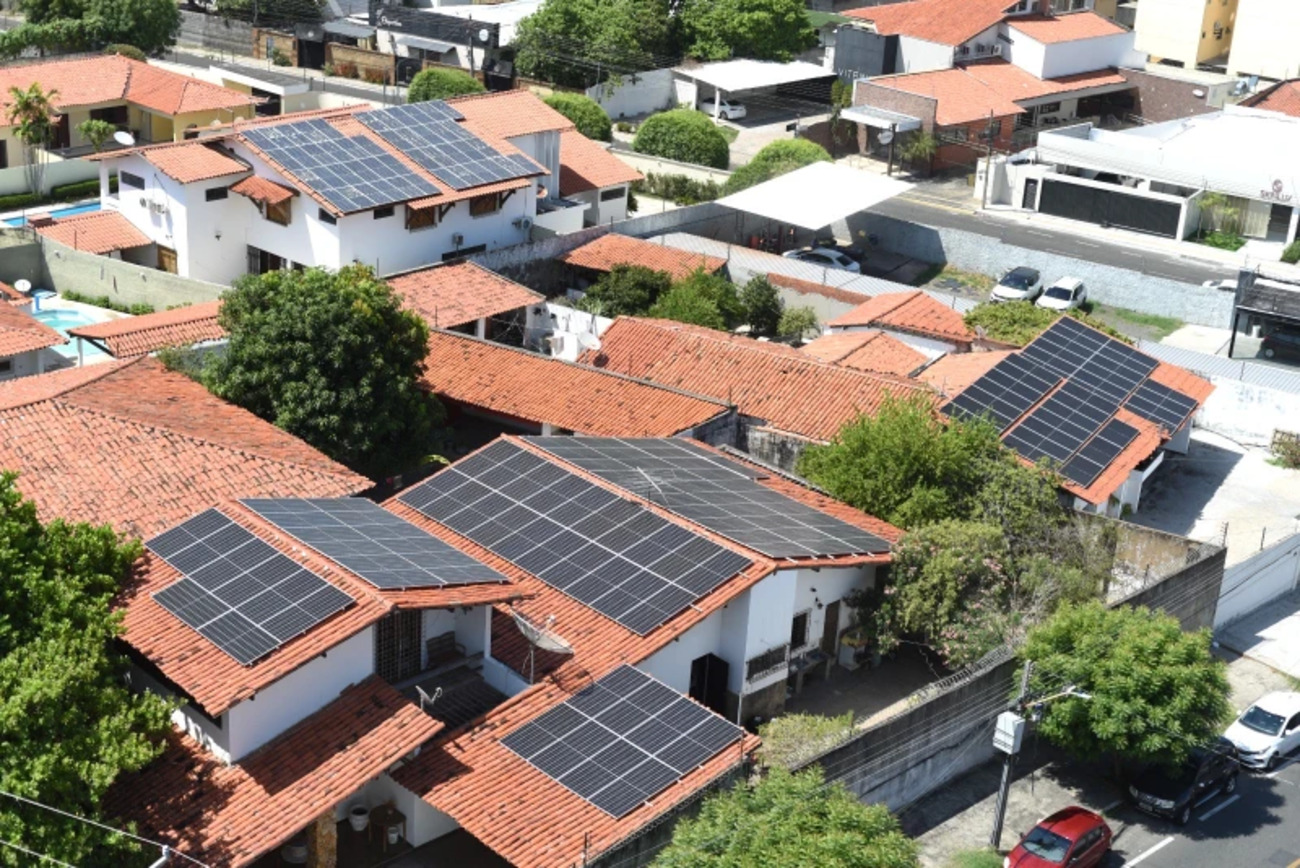

However, even after several attempts, the integration of the system into the electrical grid was denied without justifications considered valid by the Court.
Court Order and Prolonged Noncompliance
Faced with the denial, the consumer turned to the Judiciary. The presiding judge of the Special Civil and Criminal Court of Crato, Dr. Ângelo Bianco Vetorazzi, determined the obligation to comply, establishing a daily fine in case of noncompliance.
Nonetheless, according to the proceedings, ENEL took almost a year to comply with the court order. This delay resulted in the accumulation of daily fines and the maintenance of the condemnation for moral damages.


The utility company attempted to appeal. However, the request was denied both in the first instance and in the Recursal Panel, which upheld the decision in full.
Role of the Judiciary in Consumer Protection
For the attorney of the plaintiff, Mauro Silvestre, the case highlights the importance of the Judiciary in defending consumers against companies that operate essential services.
“The judiciary in Ceará has adopted a stance of protecting consumers who are in a condition of hyper vulnerability, especially as they are subject to the service times of these companies,” highlights Silvestre.
Moreover, the episode reignites the debate about access to solar energy in Brazil. Although this market has been growing, many consumers still report difficulties in the connection process to the electrical grid. The approval is a mandatory step for the system to begin generating credits and effectively reduce the electricity bill.
In the meantime, experts point out that delays like this can discourage investments in renewable sources. After all, those who decide to invest in solar energy expect financial returns and legal certainty.









Seja o primeiro a reagir!