





 Portuguese
  English
  Spanish
 6 min of reading
  17 comments


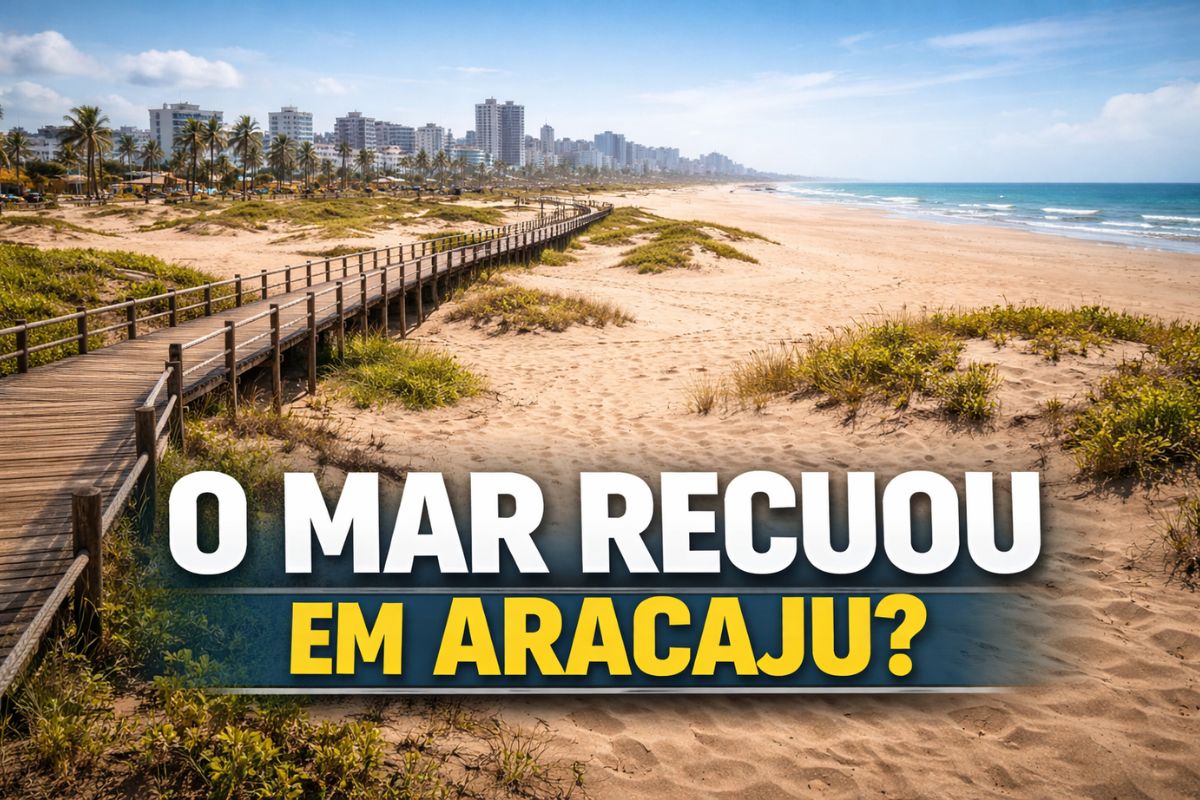


Resident Who Grew Up on the Beach of Atalaia Shows in Short Video How the Sea Receded in Aracaju in a Few Decades, Lengthened the Sand Strip, Created Vegetation and Dunes, Required New Walkways, and Raises Suspicion About Stones Placed in the Rio Sergipe Diverting Sand to the Beach of Atalaia Today.
As 2026 approaches, with the beach of Atalaia decorated for New Year’s and the event structure set up on the sand, a resident approximately 42 years old records a video showing how the sea has receded in Aracaju throughout his life. He recalls that, between the ages of 5 and 7, he swam exactly where the sandy stretch begins today in front of the boardwalk, an area that in the 80s appeared in photos with the water much closer to the walkways.
Among the memories from the 1980s and 1990s and the current scene, what used to be a sand strip by the sea has turned into an extensive corridor with vegetation, dunes forming, and little-frequented areas. To reach the water at Atalaia beach and the neighboring beach of Cinelândia, bathers today cross long wooden or cement walkways, while the resident associates this distance with the placement of large boulders at the mouth of the Rio Sergipe, used to contain the advance of the sea which, according to him, would have pushed the sand towards the Atalaia region.
Childhood, 1980s and 1990s, and the Memory of Where the Sea Reached

In the account, the resident says that, about 30 to 35 years ago, the water line at Atalaia beach reached where he now starts his walk, practically next to the urbanized area and the current crab walkway. The old images he shows display the sea advancing much closer to the boardwalk, with tourists and stalls occupying a much narrower stretch of sand.
-
What if the Sun disappeared suddenly? Simulation shows Earth in darkness within minutes, extreme cold, and rapid collapse of life on the planet.

-
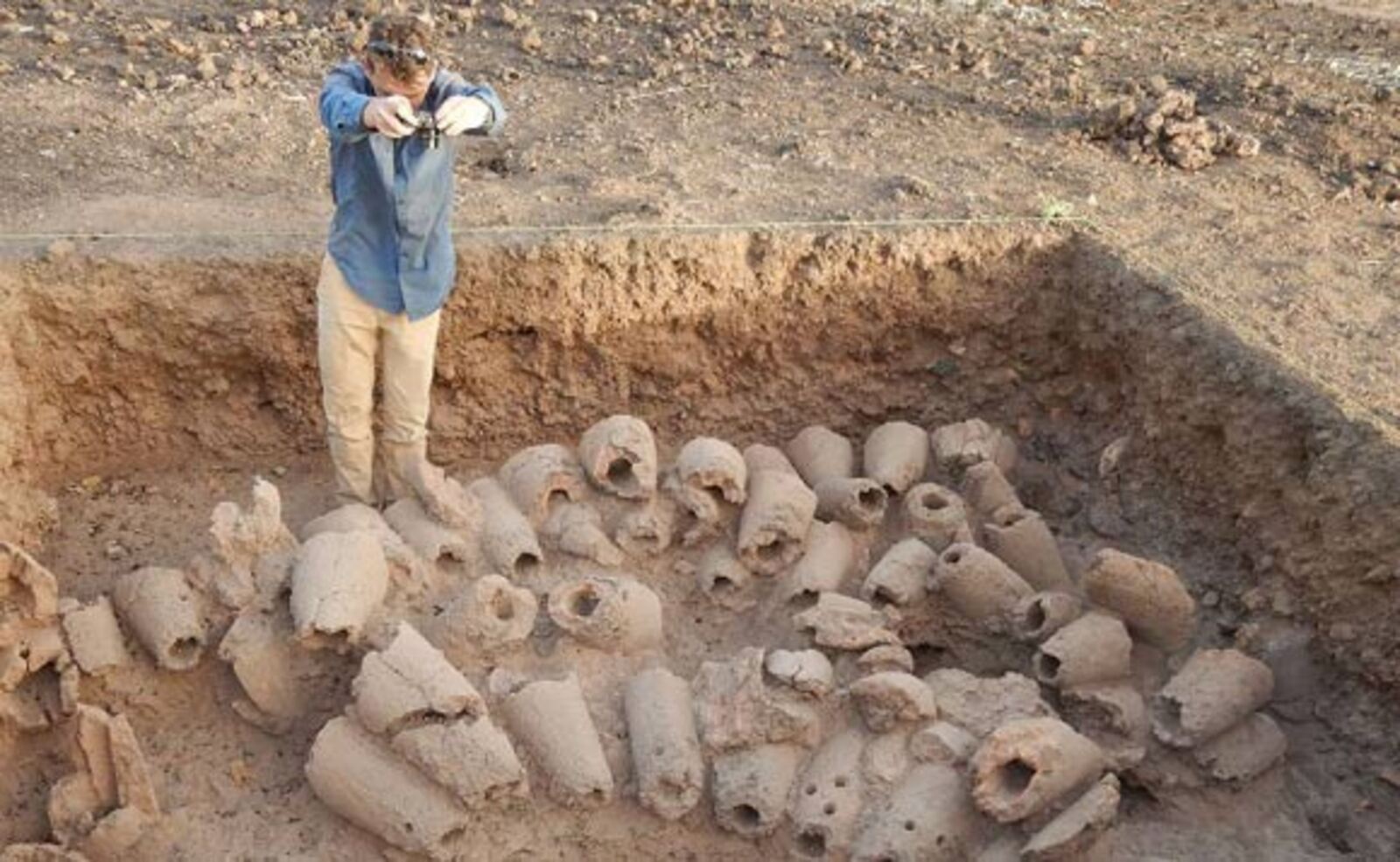
A 2,400-year-old iron foundry has been discovered in Senegal with 100 tons of slag, 35 furnace bases, and signs of nearly eight centuries of continuous metallurgical activity.
-
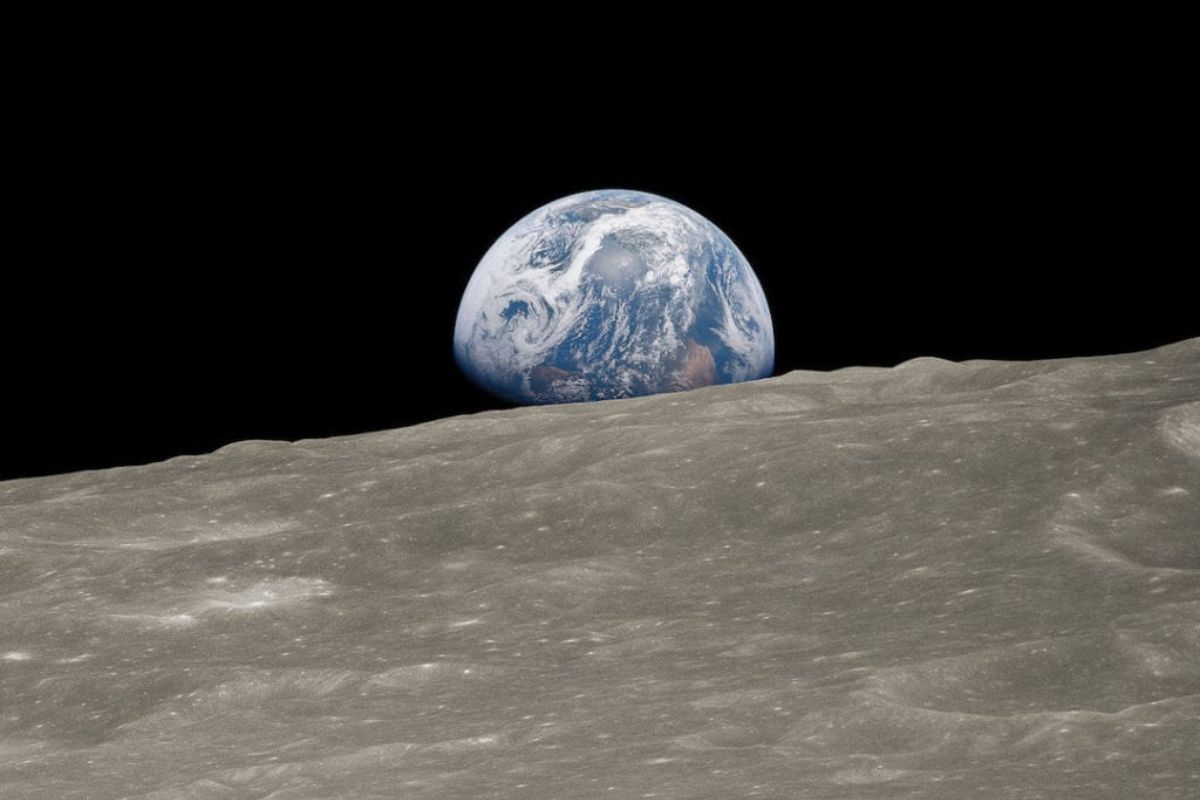
Four humans are flying towards the Moon inside the Orion capsule launched by the SLS rocket, and on April 6, Artemis II will disappear behind the far side of the Moon without communication with Earth for nearly an hour.
-
Worlds covered by water, atmospheres filled with hydrogen, and the possibility of life beyond Earth: ocean planets are rewriting the map of cosmic search and forcing scientists to rethink where to look.


He presents himself as a direct witness to the change, recalling that, as a child, he swam at that spot that is now far from the water. By comparing the 1980s photos with the current journey, he reinforces the perception that the sea has receded in Aracaju and that the city has practically gained a new strip of beach between the shore and the Atlantic Ocean.
Dunes, Vegetation, and an Ever-Wider Sand Strip

As he walks towards the water, the resident shows that the former sand strip has gained spontaneous vegetation, with plants spreading where there is practically no circulation of people.
He highlights that nature itself has begun to form dunes in the area between the paved boardwalk and the sea, creating a different relief than that which he knew in childhood.
The soft and quite warm sand makes the journey tiring, especially under the thermal sensation he describes as over 40 degrees.
The video records sections where virtually only low vegetation, dunes forming, and marks from machinery that, at times, was used to level the ground and remove sand accumulations in areas closer to the New Year’s event zone are visible.
Long Walkways, New Year’s, and Proposal for a New Boardwalk
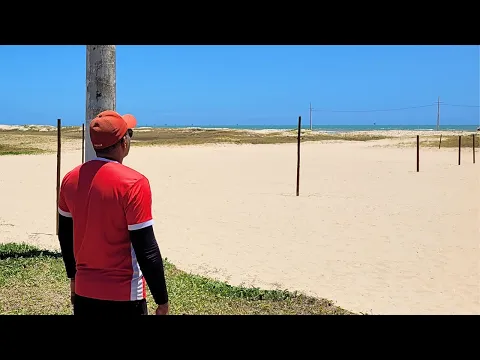

With the water receding and the sea further away from the main avenue, the city hall installed walkways over the sand to reduce the effort for bathers.
There are wooden structures and a cement walkway towards Havaizinho beach, which the resident finds uncomfortable as it gets too hot in the sun, recommending that people walk wearing shoes.
In the same region, he shows the setup of the New Year’s event area, with utility poles, stages, and the area where fireworks are displayed between December 31st and January 1st.
In light of the new expanse of sand, the resident claims that Atalaia already has enough physical space for a new coastal avenue closer to the sea, creating a kind of second boardwalk and bringing the boardwalk back closer to the water line.
Vegetation, Ibama, and Limits for a New Avenue
While advocating for the idea of a new road, the resident acknowledges that the vegetation that has taken over the stretch between the boardwalk and the sea could be an environmental obstacle.
He mentions that to progress with works in this area, it would be necessary to obtain authorization from federal agencies such as Ibama, since the restinga formed by the receding sea now occupies practically the entire extent of Atalaia beach.
The new landscape includes areas where vegetation touches the walkways and sections where dunes are starting to gain height, reinforcing the impression that the sea has receded in Aracaju and left space for an intermediate environment between the city and the ocean.
In his view, the discussion about a second avenue and the protection of this vegetation is still open and should involve the government, specialists, and residents.
Stones in the Rio Sergipe, Siltation, and Destination of Sand
In the final part of the video, the resident moves to the area where the Rio Sergipe meets the sea.
He shows the two sets of stones placed at the mouth, both on the Aracaju side and on the Santa Luzia island side, at Barra do Coqueiro, works carried out between the 1980s and 1990s to contain the advance of the sea and protect banks and nearby structures.
According to explanations he claims to have consulted in information tools, the installation of these barriers would have caused siltation in the bed of the Rio Sergipe, creating sandbanks that, over time, stopped accumulating in the channel and began to be taken to the ocean’s edge, in the direction of Atalaia beach.
In the resident’s view, this redirection of sediments helps to explain why the sea has receded in Aracaju and why the sand strip has grown so much in front of the boardwalk.
Danger at the Mouth, Warning Flags, and Drownings
As he shows the stretch where the Rio Sergipe flows into the ocean, the resident also issues a safety alert.
He highlights the presence of fire department warning flags signaling danger, reminding that the meeting of river and sea creates strong currents that have already caused several drowning cases in that area.
For this reason, he recommends extra caution to those entering the sea in the vicinity of this mouth, emphasizing that bathers can be pulled into deeper areas.
The message combines curiosity about the retreat of the water line with a direct appeal for residents and tourists to respect the signage and guidance from firefighters in the area.
Postcard Beach and Request for Scientific Explanation
Despite the criticisms of the sea retreat, the resident makes a point of showing Atalaia Beach as one of the most famous postcards in Brazil, with the sign “I Love Aracaju,” Christmas decorations, and leisure facilities with showers, sports courts, and kiosks.
To him, the contrast between the beauty of the beach and the current distance from the water is what makes the issue even more striking.
At the end of the video, he states that he has never seen biologists or scientists publicly explaining why the sea has receded in Aracaju and positions himself as a pioneer in bringing the subject to the general public.
At the same time, he promises to seek specialists if the content has good repercussions, indicating that the discussion about causes, risks, and future planning is still open and needs deeper technical analyses.
In light of this account from someone who has seen the sea recede in Aracaju and now must cross a sandy area with dunes and vegetation to reach the water, do you think the explanation involving the stones in the Rio Sergipe makes sense, or could other causes be behind this change on the beach of Atalaia?






Estão reclamando de quê? Pior se o mar invadir a cidade, né? Menos, por favor!
Tamanha ignorância de quem publicou o artigo. O mar não recuou. Houve sim foi um acumular de sedimentos, nomeadamente areia que aumentou o areal consideravelmente. Em Portugal temos um óptimo exemplo que é a praia da Figueira da Foz que tem em areal quase com 1km. Enquanto numas praias combatemos a erosão, noutra temos acumulação de sedimentos.
O mar tira mas também dá.
****, deixa de loucura, agradeça, até porque em outras regiões litorâneas o mar já está voltando com toda força. Vá procurar o que fazer. O o nível do mar está aumentando no mundo todo e a taxa de elevação tem acelerado significativamente nas últimas décadas devido às mudanças climáticas, impulsionada pela expansão térmica da água e pelo derretimento de geleiras e calotas polares