





 Portuguese
  English
  Spanish
  5 min of reading
  1 comment




Indian Classic Makes a Comeback with Affordable Pricing, National Identity, and Expanded Distribution, Seeking Space in a Market Dominated by Multinationals and Reawakening Consumer Nostalgia with a 200 ml Bottle for US$ 0.12 (about R$ 0.65).
Campa Cola, a traditional Indian brand launched in the 1970s, has returned to the market with the aim of competing against Coca-Cola and Pepsi through reduced pricing, national appeal, and greater presence at point of sale.
The relaunch, led by Reliance Consumer Products after acquiring the brand in 2022, focuses on a 200 ml bottle sold for ₹ 10 (about US$ 0.12, or approximately R$ 0.65) — a strategy aimed at increasing reach among middle and low-income consumers, according to Bloomberg.
Return with Focus on Price and Local Identity
Created during a time when large multinationals did not operate in India, Campa Cola was associated with national consumption.
-
The Argentine government celebrates the lowest poverty rate in 7 years, but experts warn that the methodology has changed, real wages have fallen, unemployment has risen, and the number of people on the streets of Buenos Aires has increased by 57% since Milei took office.

-
7.8 magnitude earthquake in Indonesia frightens the population, triggers tsunami alert, and hits an island with over 200,000 inhabitants this Thursday.

-
Google will finally let you change that embarrassing Gmail address you created in your teenage years without losing any accounts, logins, or old emails: the feature is already available in the United States.

-
Heading to Brazil in a Bonanza F33 single-engine aircraft: a couple departs from Florida on a visual flight, makes technical stops in the Caribbean to refuel and organize paperwork, and begins the staged crossing until they reach the country.


Marketing experts believe that the brand’s new repositioning recaptures this symbolism, emphasizing its Indian origins and the idea of valuing local production.
The pricing policy seeks to cater to consumers making impulse purchases in grocery stores and small businesses.
According to beverage industry analysts, the aggressive pricing places the product among the most affordable options in the category in the country.
Relaunch Under New Management and Renewed Portfolio
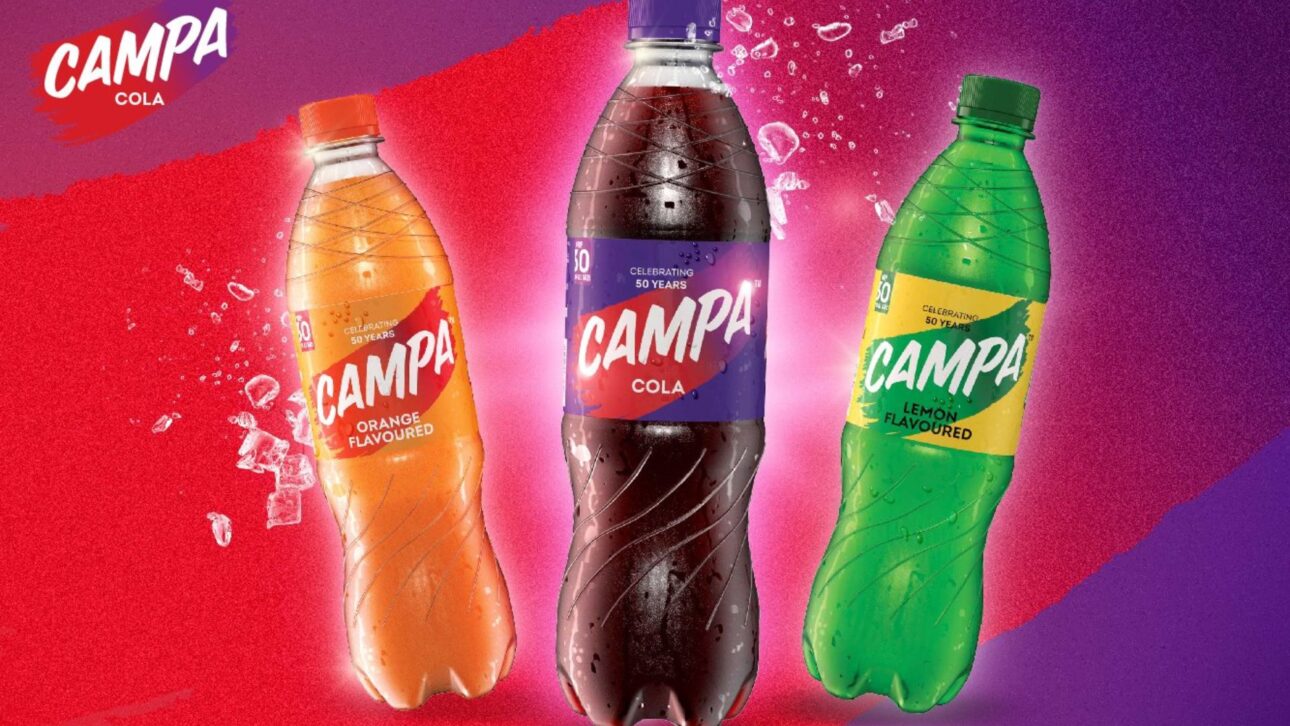
Reliance Consumer Products officially relaunched the brand in 2023.
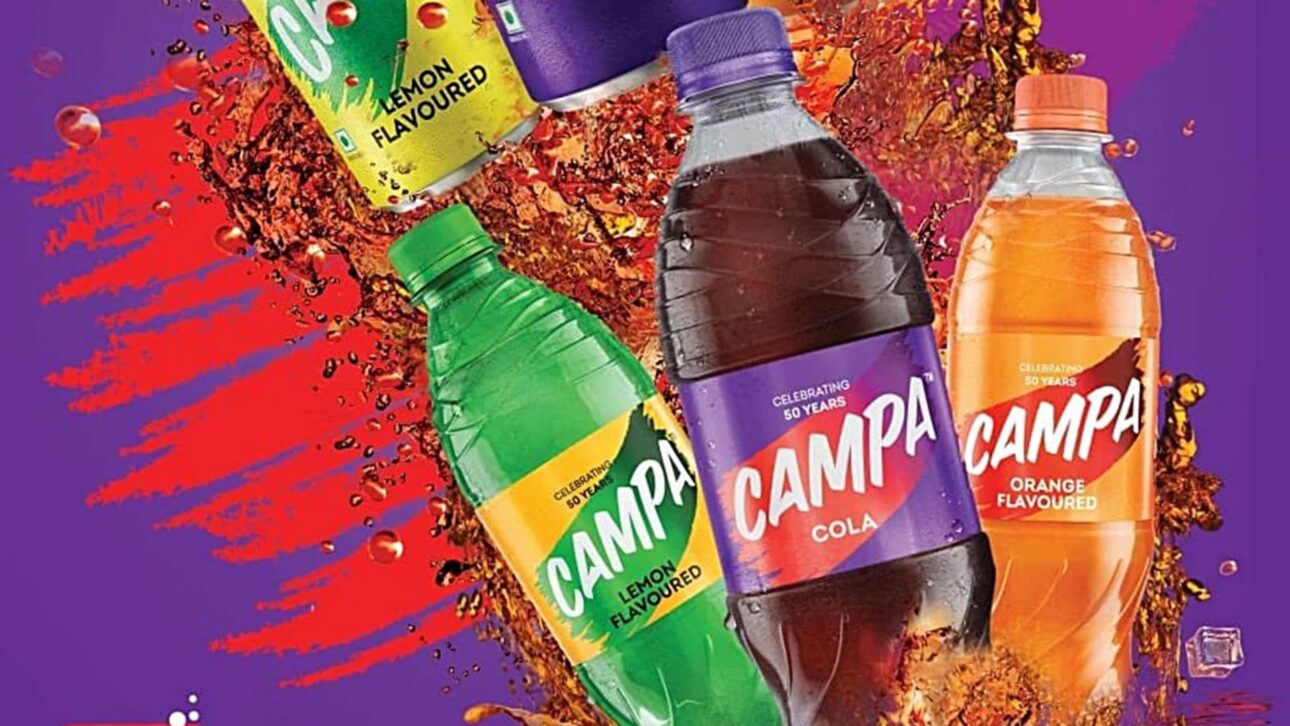
In addition to the traditional cola version, options for orange, lime, and zero sugar were introduced, targeted at consumers with diverse purchasing habits.
The packaging underwent a visual update, maintaining historical elements, and the advertising campaigns began to emphasize the concept of national origin.
According to the company, the repositioning aims to establish Campa Cola as a locally produced alternative available throughout India.
Distribution as a Pillar of the Commercial Offensive
Analysts highlight that logistical expansion is one of the main challenges in the soft drink sector.
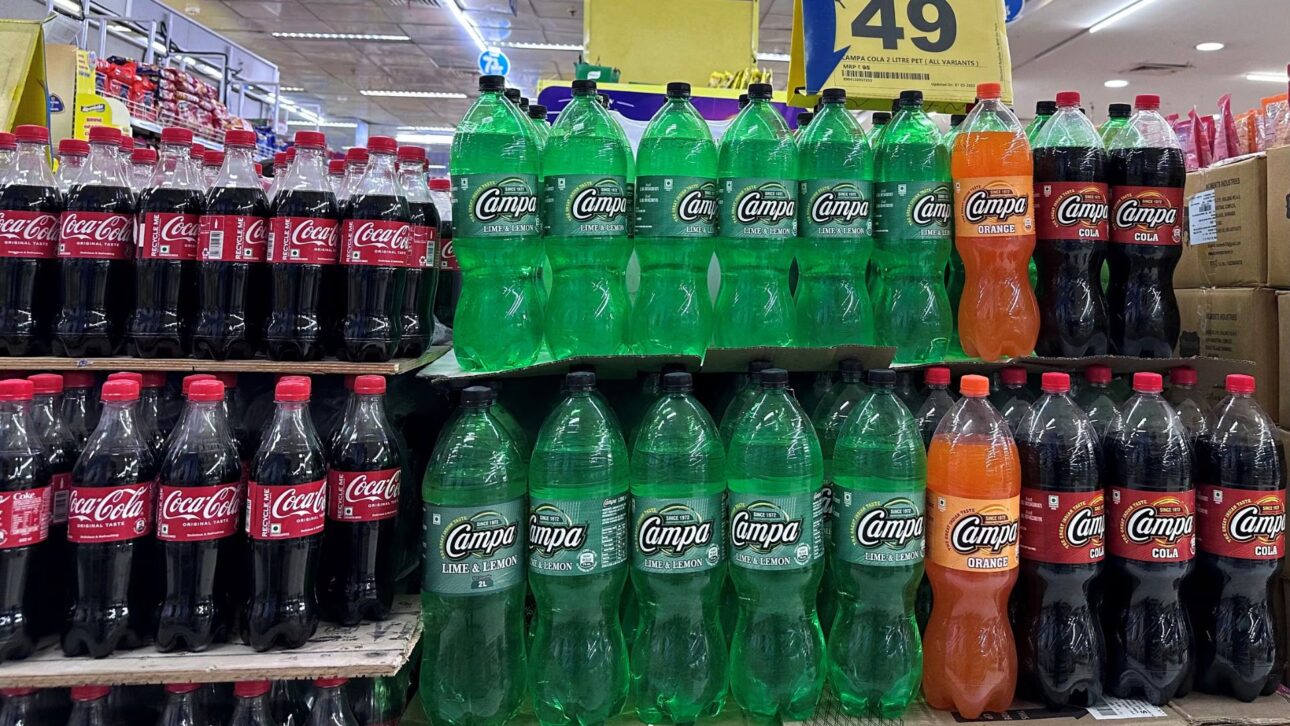
Campa Cola is betting on the expansion of its distribution network to ensure presence in different types of points of sale, including rural areas and mid-sized cities, considered strategic by the group.
Reliance is utilizing its retail and wholesale structure to optimize delivery and reduce stockouts, which can enhance product visibility compared to competitors.
According to the group, the goal is to ensure that the brand is consistently available, even in regions where multinationals have a solid presence.
Investment to Scale Production and Visibility
The company announced plans to invest between ₹ 6,000 crore and ₹ 8,000 crore in the next 12 to 15 months.
The funds will be allocated to modernizing factories, expanding bottling lines, and strengthening marketing efforts.
According to beverage market sources, the expansion aims to sustain the low pricing policy and increase production capacity to meet the expected demand.
Historic Brand, New Consumers
Campa Cola seeks to engage with different generations.
Consumers who experienced the brand in past decades represent the nostalgic audience, while young people who grew up with international brands are seen as a new niche to be captured.
Consumption behavior experts state that the challenge is to balance nostalgic elements with product offerings and communication aligned with current preferences.
The brand is also exploring the addition of regional flavors, a common practice among manufacturers seeking to expand national penetration.
Global Trend and Examples in Brazil
The return of traditional brands is not exclusive to India.
In Brazil, the movement to revive classic soft drinks has been employed by companies to reinforce cultural ties and compete in a market dominated by multinationals.
Itubaína, created by the former Schincariol and now part of the Heineken Brasil portfolio, has begun investing in special editions and retro design packaging.
Ambev also reintroduced the “Caçulinha” Bottles of Guaraná Antarctica, a 200 ml model that was popular in the 1990s and 2000s and has returned to circulation in recent advertising campaigns.
Another example is Mineirinho, a traditional soft drink maintained by Coca-Cola FEMSA, which preserves regional relevance by associating itself with cultural identity and local preferences according to industry executives.
Intense Competition and Market Barriers
According to market analysts, the soft drink sector is highly concentrated and relies on high investment in marketing and distribution.
Large multinationals maintain exclusive contracts and a strong presence at points of sale, representing an obstacle for new brands or relaunches.
Nevertheless, experts assert that the return of Campa Cola may enhance competitiveness and stimulate new pricing and innovation strategies in the sector.
This movement is likely to benefit consumers with greater variety of options and potential reductions in average beverage prices.
Expansion Beyond Indian Borders
In February 2025, Campa Cola began its international expansion with a launch in the United Arab Emirates.
According to the company’s statement, the initial focus is to cater to the Indian community and test the brand’s performance in markets with a large expatriate presence.
Foreign trade experts state that the initiative may serve as a pilot project for future exports to other countries in Asia and the Middle East.
The Role of Entry Price in the Strategy
According to Reliance executives, the ₹ 10 price for the 200 ml bottle acts as an incentive for product trial.
The small format is aimed at convenience purchases, especially in neighborhood stores.
Distribution professionals, however, highlight that maintaining this price range depends on controlling logistical costs and stability in input prices, such as sugar and fuel.
Zero sugar versions and larger volume bottles have been launched to complement the portfolio and offer options with greater added value.








É mesmo?????na índia né?????????????