





 Portuguese
  English
  Spanish
  5 min of reading
  0 comments


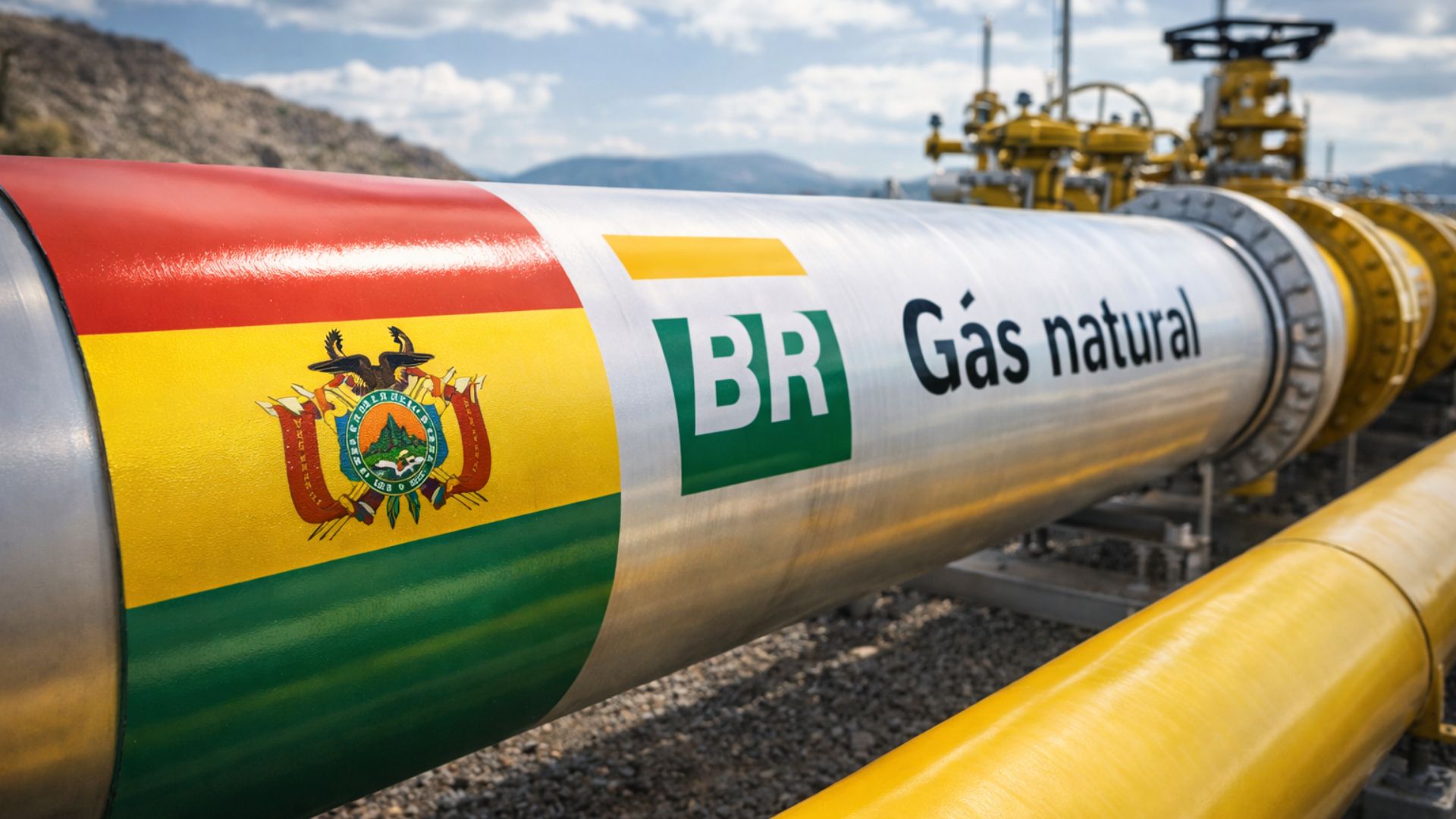
ANP Decision Allows Petrobras to Increase Natural Gas Imports from Bolivia, Strengthening Supply, Sector Regulation and Effects on the Brazilian Energy Market
On December 31, 2025, the National Agency of Petroleum, Natural Gas and Biofuels (ANP) published in the Official Gazette the authorization for Petrobras to engage in the importation of natural gas from Bolivia, valid for two years from January 1, 2026. According to an article from Poder360 on Wednesday (31), the measure allows for the internalization of up to 20 million cubic meters per day, strengthening national supply and causing significant impacts on the Brazilian energy market.
ANP Authorization to Petrobras and Key Terms of the Decision
The decision may strengthen the security of gas supply in the country, increases predictability for consumers and sector agents, and reinforces the role of regulation in the national energy environment. At the same time, it highlights historical bottlenecks in Brazil’s gas transportation infrastructure, particularly regarding the Northern Region.
The authorization granted by the ANP allows Petrobras to import up to 20 million m³ of natural gas daily, a volume that includes both fuel intended for consumption and gas necessary for the operation of the transportation system.
-
A study confirms that the natural gas sector will reduce greenhouse gas emissions in Brazil by 0.5% and accelerate the energy transition by 2026.

-
Petrobras implements a severe adjustment and confirms a 55% increase in the price of aviation kerosene with a proposal for installment payments for the companies.

-
The rise in oil prices could ensure an extra revenue of R$ 100 billion for the Federal Government, indicates a recent economic study.

-
Naturgy begins an investment of R$ 1.6 million to expand the gas network in Niterói and benefit thousands of new residences and businesses.


Within this total limit, the delivery of up to 2.8 million cubic meters per day at the San Matias point, located in the State of Mato Grosso, is foreseen. This supply must comply, in all cases, with the maximum ceiling authorized by the regulatory agency.
The authorization is valid for two years, counted from January 1, 2026. According to the ANP, the state-owned company fully met the technical, operational, and regulatory requirements established in the legal framework of the natural gas sector.
Importing Natural Gas from Bolivia and Petrobras’ Transportation Logistics
The natural gas imported from Bolivia will be transported through existing pipelines, with entry points in Brazil located in the municipalities of Corumbá, in Mato Grosso do Sul, and Cáceres, in Mato Grosso.
From these points, the fuel will be transported through the integrated transportation network in the Central-South of the country. This infrastructure enables the operations authorized by the ANP, allowing the gas to reach the main consumer centers and the thermoelectric generation units serviced by the network.
However, the very configuration of the network reveals historical limitations in the Brazilian system, which still lacks greater regional integration in the energy market.
Brazilian Energy Market and Exclusion of the Northern Region
One of the central aspects of the authorization granted by the ANP is the exclusion of the Northern Region from receiving natural gas imported from Bolivia. According to the regulatory agency, this restriction occurs exclusively due to physical and logistical limitations of the national infrastructure.
The Bolivian gas enters Brazil through pipelines connected to the integrated Central-South network, to which the Northern Region is not connected. This is not a commercial or regulatory decision, but a direct consequence of the lack of interconnection between the systems.
This scenario reinforces recurring debates in the Brazilian energy market about the need for increased investment in infrastructure, diversification of routes, and regional integration to reduce disparities in access to gas.
Petrobras, ANP and the Role of the Gas Law in the Sector
The authorization granted to Petrobras is based on Law No. 14.134, of 2021, known as the Gas Law. The legal framework restructured the sector by establishing new rules for transportation, commercialization, and authorization of activities related to natural gas.
With the new legislation, the ANP had its role expanded, becoming more active in the authorization, supervision, and monitoring of operations. The aim is to stimulate competition, ensure transparency, and enhance the efficiency of the energy market.
The decision involving the importation of gas from Bolivia represents a concrete example of the application of this new regulatory model, based on technical criteria and increased institutional control.
Technical Requirements for Importing Natural Gas
To carry out the importation activity, Petrobras must comply with a series of requirements established by the ANP. Among them is the full compliance with the technical specifications of the gas to ensure compatibility with the Brazilian transportation and distribution system.
Additionally, the company must present to the regulatory agency the purchase and sale contracts established with Bolivian suppliers, ensuring traceability, legal security, and compliance with current legislation.
These requirements strengthen the predictability of the energy market, reduce operational risks, and increase the confidence of the agents operating in the natural gas chain.
Transparency, Monthly Reports and Public Data from ANP
Another relevant point of the authorization involves the obligation for Petrobras to submit detailed monthly reports. These documents must contain information about imported volumes, equivalent energy, calorific value, and prices of natural gas at the point of internalization.
Part of this data will be publicly disclosed on the ANP website to enhance transparency and allow monitoring of the energy market by agents, investors, and consumers.
The disclosure of information is one of the pillars of the new regulatory model, contributing to more efficient decisions and for the stability of the gas sector in the country.
Rules, Penalties and Possibility of Revocation of the Authorization
The authorization granted by the ANP is not unrestricted. The administrative act establishes that the permission can be revoked in case of non-compliance with legislation, at the request of Petrobras itself or in the event of the company’s dissolution.
Furthermore, penalties provided by law may be applied if irregularities are identified in the importation of natural gas or in the fulfillment of regulatory obligations. This mechanism reinforces the technical and supervised nature of the activity, preserving the integrity of the Brazilian energy market.
Impacts of ANP’s Decision on the Energy Market
The authorization for importing natural gas from Bolivia has a direct impact on the Brazilian energy market. The authorized volume contributes to increasing supply, reducing risks of shortages, and meeting specific demands, such as those of the thermoelectric park in Mato Grosso.
Although it does not represent an immediate structural change, the measure reinforces the importance of diversifying supply sources and strengthening regulation in the sector. Additionally, the decision reaffirms the strategic role of Petrobras as a relevant agent in the gas chain and the ANP as a guarantor of regulatory balance.
Energy Security, Infrastructure and Challenges of Gas in Brazil
The authorization published on December 31, 2025 by the ANP, allowing Petrobras to import up to 20 million m³/day of natural gas from Bolivia for two years, reinforces the pursuit of greater security in the Brazilian energy market.
The act increases supply predictability, strengthens regulatory transparency, and highlights structural challenges, such as the lack of integration of the Northern Region into the national gas pipeline network.
In a context of energy transition and growing demand for secure and reliable sources, decisions like this gain strategic relevance. The advancement of the sector will depend on increased infrastructure, institutional strengthening, and the continuity of a stable regulatory environment capable of sustaining the development of the natural gas market in Brazil.








-

-

-

4 pessoas reagiram a isso.