





 Portuguese
  English
  Spanish
 6 min of reading
  0 comments


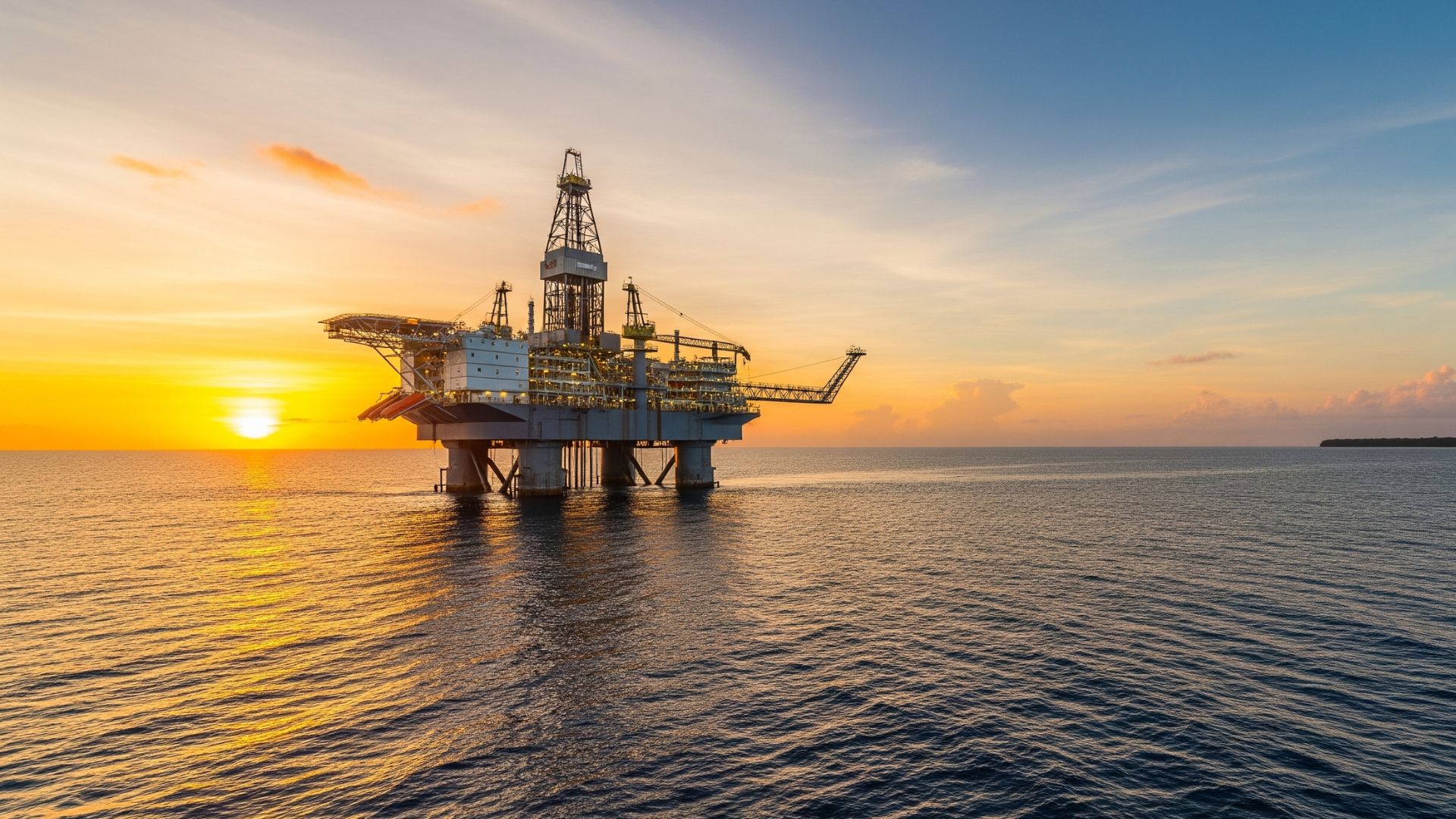
Petrobras Resumes Exploratory Studies at Morpho Well Following Technical Approval from ANP in the Mouth of the Amazon. Understand Environmental Requirements, Safety Protocols, and the Strategic Impact of Oil for Brazil
Petrobras received authorization from ANP to resume drilling in the Mouth of the Amazon after a preventive halt due to loss of drilling fluid. The decision involves operational safety requirements, compliance with environmental conditions, and emphasizes the strategic weight of billion-dollar investments in exploratory research on the Brazilian Equatorial Margin.
According to an article published by G1 this Wednesday (4), technical documents analyzed by news agencies and official communications indicate that there was no oil spill, but a controlled release of water-based drilling fluid, known as “mud,” a low-toxicity and biodegradable substance.
Technical Authorization from ANP Redefines Petrobras’ Direction in the Mouth of the Amazon
The authorization granted to Petrobras by ANP in the Mouth of the Amazon to resume drilling at the Morpho well places the debate about oil and offshore exploration at the core of the country’s economic and environmental discussions. The resumption of activities occurs after technical evaluations, replacement of sealing components, and mandatory training for operational teams.
-
Lula reveals a masterstroke by Petrobras to undo a deal made by Bolsonaro, which involves the return of an important refinery that currently produces less than half of what was expected and makes Brazil dependent on international diesel.
-
A study confirms that the natural gas sector will reduce greenhouse gas emissions in Brazil by 0.5% and accelerate the energy transition by 2026.

-
Petrobras implements a severe adjustment and confirms a 55% increase in the price of aviation kerosene with a proposal for installment payments for the companies.

-
The rise in oil prices could ensure an extra revenue of R$ 100 billion for the Federal Government, indicates a recent economic study.


The decision that allowed Petrobras to resume activities in the Mouth of the Amazon resulted from detailed technical analyses conducted by ANP, the body responsible for supervising and regulating the oil industry in Brazil. Drilling at the Morpho well, which had been halted in January after identifying fluid loss in auxiliary lines, underwent a thorough reassessment before the final approval granted on February 4, 2026.
The initial incident did not involve an oil spill, but triggered immediate pause as a precaution. The company removed pipelines, assessed connections, and replaced sealing elements. Subsequently, technical reports indicated that the system was capable of resuming operations as long as it complied with additional conditions.
The regulatory agency emphasized that the return does not eliminate the need for ongoing oversight. On the contrary, it establishes a stricter standard of monitoring. The authorization was technical, conditional, and supervised, reinforcing the importance of the ANP’s institutional role in Brazil’s energy governance.
Operational Safety Measures and Required Environmental Conditions
The resumption of exploratory activities did not occur automatically. Requirements aimed at the structural integrity of equipment, professional qualification, and constant monitoring were imposed. The priority established was risk prevention and environmental protection.
Among the main measures determined are the complete replacement of sealants in pipeline connections, mandatory technical training for onboard workers, and continuous inspections of the auxiliary lines connecting the drill ship to the well. These actions aim to prevent recurrences and enhance operational reliability in a region of high technical complexity.
The fluid released during the incident was used for bit cooling, removal of rock fragments, and control of internal pressure. It is a water-based compound with low-toxicity additives, widely used in offshore drilling. There was no oil spill, and no direct environmental damage was identified, according to official communications.
Therefore, the resumption occurs under reinforced protocols and institutional transparency. The current phase is exclusively exploratory and does not involve commercial production, meaning the focus remains on collecting geological and seismic data to assess the economic potential of the area.


Environmental Licensing and the Public Debate on Offshore Exploration
The advancement of activities in the region depends not only on technical authorizations but also on strict environmental licenses. In October 2025, Ibama granted specific authorization for exploratory drilling in deep waters on the Equatorial Margin, delineating scope, timeframe, and mandatory monitoring. This authorization does not allow for commercial extraction of oil, but only geological research.
The topic, however, remains sensitive. Environmental organizations question potential impacts on marine ecosystems, while energy experts advocate for the region’s strategic potential for the country’s energy security. The debate involves economic development, environmental preservation, and energy sovereignty.
The distance of the operation from the coast is also a relevant factor. The well is located approximately 175 kilometers from Amapá and about 500 kilometers from the mouth of the Amazon River, in a deep-water area. This location requires advanced technology, complex logistics, and redundant safety systems, raising the cost and responsibility of each step of the process.
Petrobras and the Morpho Well in the Geological Context of the Mouth of the Amazon
The Morpho well is part of an exploratory block situated in the Mouth of the Amazon, an area included in the so-called Brazilian Equatorial Margin. This geological belt extends from Amapá to Rio Grande do Norte and is considered one of the last major frontiers of energy exploration in the country. Petrobras operates in the region under direct supervision from ANP, which reinforces the regulated nature of the initiative.
Data from energy sector bodies indicate that the Equatorial Margin has about 268 thousand square kilometers, covering continental shelf, slope, and deep-water regions. Each drilling represents a multimillion-dollar investment, involving cutting-edge technology, specialized vessels, and integration of multidisciplinary teams.
Drilling is conducted in a high-pressure and depth environment, necessitating meticulous planning and strict protocols. The main objective at this stage is to gather geological information that allows estimation of the presence of hydrocarbons on a commercial scale. Without this step, there is no technical basis for future production.

Oil Potential and Official Projections for the Equatorial Margin
Studies released by the Ministry of Mines and Energy indicate that the Equatorial Margin could accommodate an estimated production of up to 1.1 million barrels per day, a volume higher than the individual capacity of consolidated fields in the Santos Basin. The figures help explain the strategic interest and the volume of investments directed to the region.
The Energy Research Company calculates that the Foz do Amazonas Basin alone has a recoverable volume of 6.2 billion barrels of oil equivalent. Government estimates point to a potential of up to 10 billion barrels across the entire equatorial belt. These projections are based on technical studies and geological modeling, not guarantees of immediate commercial discovery.
Currently, Brazil has approximately 16.8 billion barrels in proved reserves. Expanding these reserves could reduce external dependence and strengthen the energy trade balance. However, experts emphasize that exploratory discoveries do not automatically convert into production, as they depend on economic, environmental, and technological viability.
Economic Impacts, Skilled Jobs, and Effects on the Energy Sector
The resumption authorized by ANP is likely to generate direct and indirect economic impacts. The offshore industry mobilizes a broad production chain that includes shipbuilding, maritime logistics, engineering services, monitoring technology, and professional training. The sector is responsible for thousands of skilled jobs and long-term investments.
Moreover, the continuation of research on the Equatorial Margin strengthens Brazil’s position as a highlight in the international energy market. Regulatory security and institutional predictability are key factors for attracting investments. At the same time, environmental oversight remains a central element to ensure balance between economic growth and preservation.
What Changes Following the Resumption of Drilling?
The authorization granted to Petrobras does not represent an immediate start of commercial production, but rather the continuation of essential technical studies to define the region’s potential. The current stage is geological investigation, not oil extraction. Nevertheless, the project’s advancement signals regulatory confidence and consolidates the Equatorial Margin as a strategic area for the long term.
The decision combines technical rigor, environmental supervision, and energy planning. The future of exploration in the Mouth of the Amazon will depend on concrete geological results, continuous environmental assessments, and institutional responsibility. This topic remains relevant as it simultaneously impacts the economy, the environment, and Brazil’s energy sovereignty.








Seja o primeiro a reagir!