





 Portuguese
  English
  Spanish
  3 min of reading
  0 comments


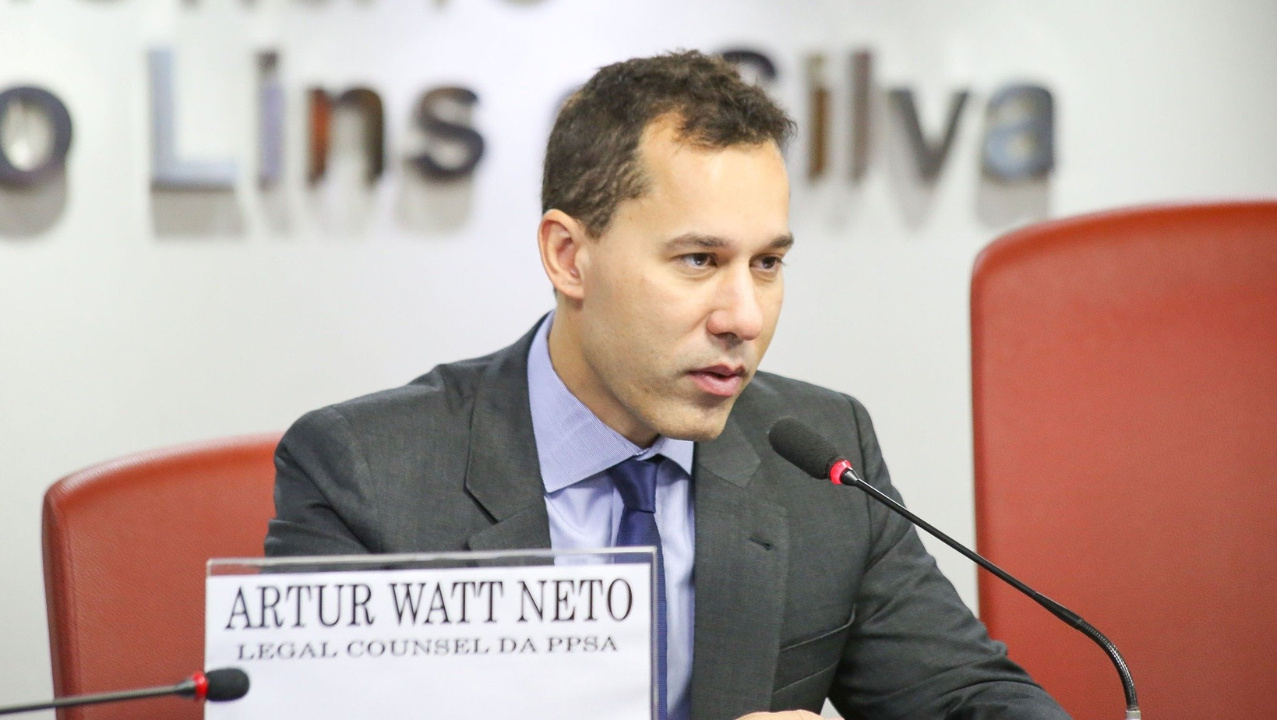
ANP Director Claims Brazil is in the Ideal Moment to Expand Pre-Salt Exploration, with Attention to Resource Replacement and Sector Regulation.
The exploration of pre-salt has returned to the center of the regulatory debate in the Brazilian energy sector. The Director General of the National Agency of Petroleum, Natural Gas and Biofuels (ANP), Artur Watt, stated that the country is going through a phase considered suitable for discussing how to ensure the full utilization of these strategic resources.
According to him, the agency’s priority is to replace reserves and strengthen the supervision of the fuel market, two points considered essential for national energy security. Watt took over the ANP in September and has been advocating for a more structured approach to the challenges in the sector.
Pre-Salt Polygon Still Has Undeveloped Areas
The pre-salt polygon covers an extensive maritime area between the states of Espírito Santo and Santa Catarina. The total area is estimated to be around 150,000 square meters. Despite this size, effective production remains concentrated, mainly in the Campos and Santos basins.
-
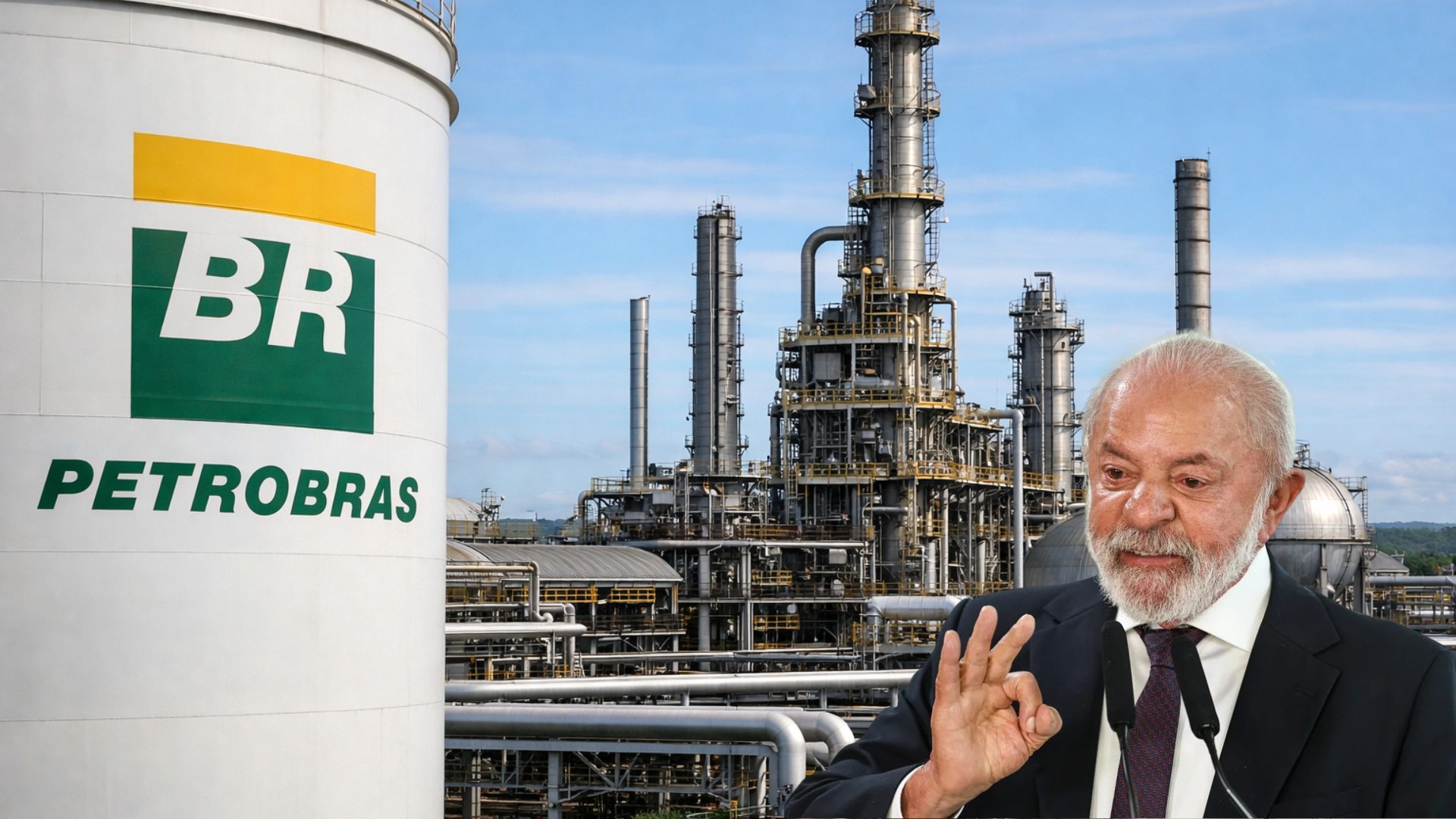
Lula reveals a masterstroke by Petrobras to undo a deal made by Bolsonaro, which involves the return of an important refinery that currently produces less than half of what was expected and makes Brazil dependent on international diesel.
-
A study confirms that the natural gas sector will reduce greenhouse gas emissions in Brazil by 0.5% and accelerate the energy transition by 2026.

-
Petrobras implements a severe adjustment and confirms a 55% increase in the price of aviation kerosene with a proposal for installment payments for the companies.

-
The rise in oil prices could ensure an extra revenue of R$ 100 billion for the Federal Government, indicates a recent economic study.


According to Artur Watt, this scenario indicates the need to review policies and programs aimed at expanding exploration. “Perhaps it’s time to think about conditions and programs to ensure all possible exploration of the pre-salt polygon and conditions for the exploration of areas that are not mega-fields,” Watt said in an interview with the newspaper Valor Econômico, published on Friday (Dec. 26, 2025).
The statement reinforces the assessment that there are still areas with relevant production potential that do not receive the same level of attention as the already established large fields.
Resource Replacement Is on the Agency’s Radar
In addition to expanding pre-salt exploration, resource replacement emerges as one of the main challenges for the sector. The ANP director highlighted that maintaining adequate levels of reserves is essential to support future production and ensure market predictability.
In this context, the agency seeks to balance incentives for exploration with clear rules for new investments. The idea is to create conditions that enable projects in less explored areas without compromising environmental and regulatory standards.
At the same time, the ANP is evaluating mechanisms that could attract companies interested in operating outside the mega-fields, thereby increasing the diversity of projects within the pre-salt polygon.
Fuel Regulation Also Gains Priority
Another focus mentioned by Artur Watt is strengthening regulation in the fuel market. According to him, the advancement of production needs to go hand in hand with greater control over the quality and commercialization of petroleum-derived products.
A more robust regulatory approach is seen as essential to protect consumers and ensure fair competition. Thus, the discussion about the future of the pre-salt occurs in parallel with the ANP’s efforts to enhance its presence throughout the energy sector chain.
With this, the agency signals that it intends to act integratively, combining exploration expansion, regulatory security, and more efficient oversight, at a moment considered strategic for Brazilian pre-salt.








-

Uma pessoa reagiu a isso.