





 Portuguese
  English
  Spanish
  5 min of reading
  0 comments


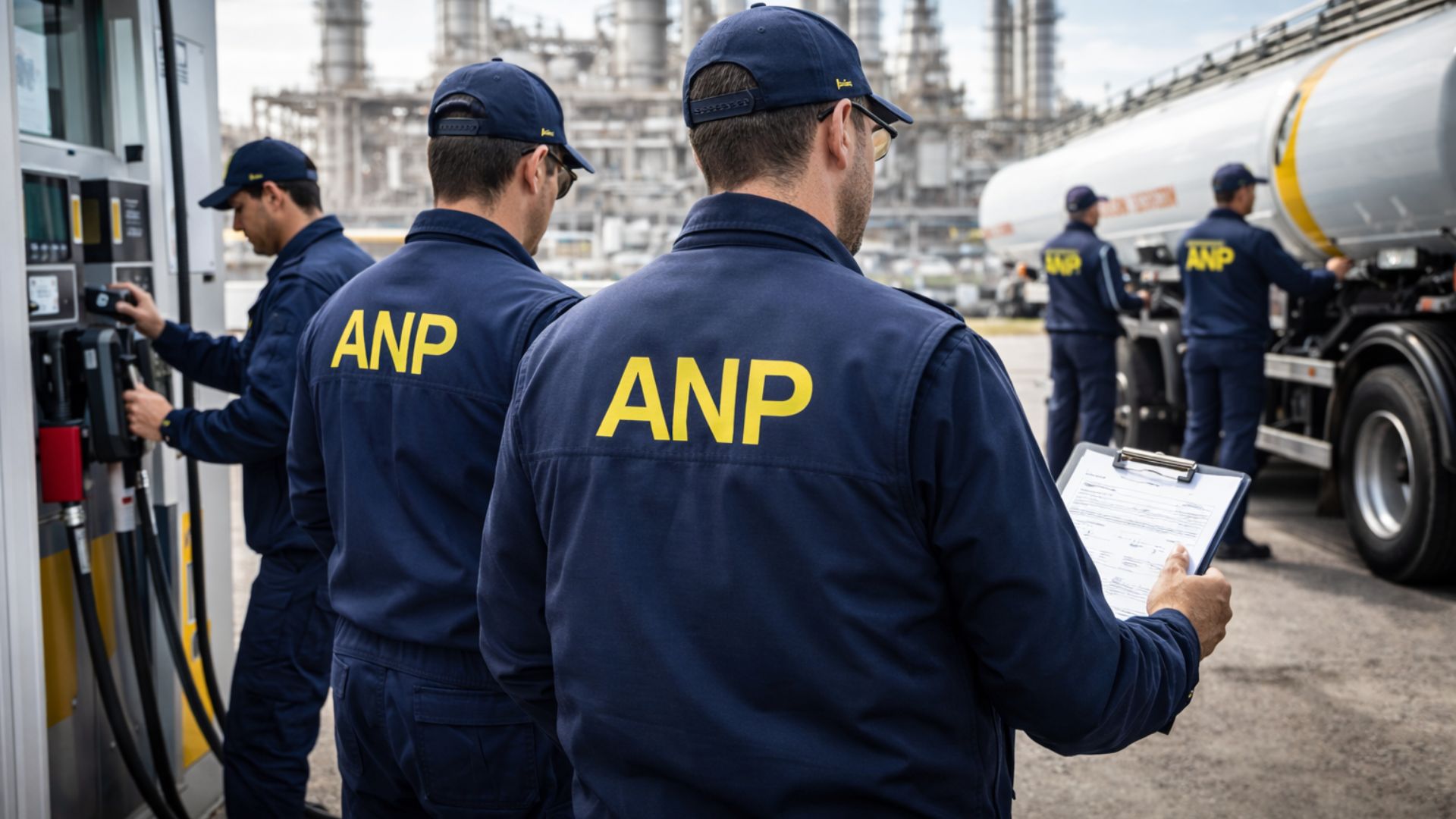
ANP Defined Guidelines to Intensify Control of the Energy Sector in 2026, with Thousands of Inspection Actions, Use of Data Intelligence, Regulatory Goals, and Attention to the Fuel Market
The ANP (National Agency of Petroleum, Natural Gas and Biofuels) approved annual plans that foresee more than 53,000 inspection actions in 2026 across the regulated chain of the Brazilian energy sector. The information is contained in the Agency’s official documents and was detailed by Agência iNFRA on Monday (5), which specializes in infrastructure, energy, and regulation coverage.
The strategic plan of ANP establishes clear priorities for the next year, covering everything from the exploration and production of oil and natural gas in the upstream segment to the national supply of fuels, including distribution and resale in the mid and downstream segments. The central proposal is to enhance regulatory efficiency, reinforce operational safety, and protect public interest.
ANP Structures Inspection Actions with a Focus on Risk and Prevention
The ANP defined that the inspection actions in 2026 will follow a preventive, proportional, and risk-based approach. This model prioritizes the early identification of irregularities, reducing harm to consumers, to the environment, and to energy infrastructure.
-
A study confirms that the natural gas sector will reduce greenhouse gas emissions in Brazil by 0.5% and accelerate the energy transition by 2026.

-
Petrobras implements a severe adjustment and confirms a 55% increase in the price of aviation kerosene with a proposal for installment payments for the companies.

-
The rise in oil prices could ensure an extra revenue of R$ 100 billion for the Federal Government, indicates a recent economic study.

-
Naturgy begins an investment of R$ 1.6 million to expand the gas network in Niterói and benefit thousands of new residences and businesses.

The strategy takes into account the history of infractions, analysis of operational data, market information, and complaints received by the Agency. The use of data intelligence allows directing resources to the most sensitive points of the sector, increasing the effectiveness of inspections without compromising field presence.
ANP’s Strategic Plan Guides Goals, Indicators, and Budget
The strategic plan approved is aligned with the Strategic Map 2025-2028 of the ANP, a document that guides the Agency’s institutional action in the medium term. The annual inspection plans detail priorities, performance indicators, quantitative and qualitative targets, as well as the budget necessary for the execution of activities.
This alignment strengthens regulatory predictability, a fundamental aspect for companies operating in the oil, natural gas, and fuels markets. At the same time, it reinforces the transparency of the Agency’s actions before society.
ANP’s Inspection Actions in Upstream Prioritize Operational Safety
In the segment of oil and natural gas exploration and production, known as upstream, the ANP has scheduled a significant volume of inspection actions for 2026. 123 on-site inspections are planned, aimed at direct verification of the operational conditions of the facilities.
In addition, the plan includes 36,444 remote actions, based on analyzing technical data, operational reports, and information sent by regulated companies. 28 pre-operational inspections and audits are also planned in seven units still under construction.
The central focus is to ensure the safety of operations, prevent accidents, and ensure compliance with technical and environmental standards. This axis of the strategic plan is considered essential for the continuity of national production and for the protection of workers and the environment.
Downstream Inspection Reinforces Control Over Fuels
In the downstream, which includes refining, logistics, distribution, and resale of fuels, the ANP‘s actions will also be intense in 2026. The plan foresees 10,507 field inspection actions, conducted directly at gas stations, distribution bases, and logistics facilities.
There are also 6,435 remote actions scheduled, in addition to 156 on-site inspections, concentrated in agents and locations with a higher incidence of irregularities. The quality of fuels emerges as one of the main priorities, alongside documentary regularity and compliance with marketing regulations.
Quality of Fuels and RenovaBio Stand Out in the Actions
Among the central themes of the inspection actions of the ANP are the quality of fuels, the traceability of products, and compliance with RenovaBio rules. These factors directly impact the end consumer, influencing vehicle performance, emissions, and safety.
The inspection also aims to curb illegal practices that distort competition in the fuels market, protecting companies that operate regularly. The ANP’s actions are seen as a fundamental tool for fair competition and sector balance.
Goals of the Strategic Plan Maintain Stability Compared to 2025
According to the Agency, the goals set for 2026 remain close to those established in 2025, with small increments in areas considered strategic. This continuity allows for the evaluation of inspection evolution over time and adjustments to policies based on concrete results.
The ANP’s strategic plan avoids abrupt changes, prioritizing gradual adjustments based on evidence. This approach contributes to regulatory stability and reduces uncertainties for economic agents and investors.
Data Intelligence Expands the Reach of Inspection Actions
The expansion of data intelligence usage is one of the pillars of the strategic plan of the ANP. The cross-referencing of operational, commercial, and regulatory information allows for identifying risk patterns, directing inspection actions more efficiently.
This model is especially relevant in the fuels sector, which has thousands of agents spread across the national territory. Technology allows for expanding the reach of inspections without proportionately increasing operational costs.
Importance of ANP’s Inspection Actions for the Consumer
ANP’s inspection actions have a direct impact on the life of the Brazilian consumer. They ensure that fuels sold meet quality standards, that sector rules are followed, and that infrastructure operates safely.
Furthermore, the inspections contribute to market transparency, reduce illegal practices, and strengthen society’s trust in the regulatory system. The consumer is the main beneficiary of a regulated, competitive, and safe environment.
Structured Inspections Strengthen Trust in the Energy Sector
The approval of over 53,000 inspection actions for 2026, decided by the ANP, reinforces the Agency’s commitment to safety, legality, and efficiency in the Brazilian energy sector.
With a well-defined strategic plan, clear goals, and intensive use of data intelligence, the ANP aims to enhance the effectiveness of inspections throughout the oil, natural gas, and fuels chain. The strategy combines field presence, remote monitoring, and preventive actions based on risk.
The expected result is a more reliable, safe, and transparent market, capable of meeting consumer demands and sustaining the development of the energy sector in the coming years.







Seja o primeiro a reagir!