





 Portuguese
  English
  Spanish
  4 min of reading
  0 comments


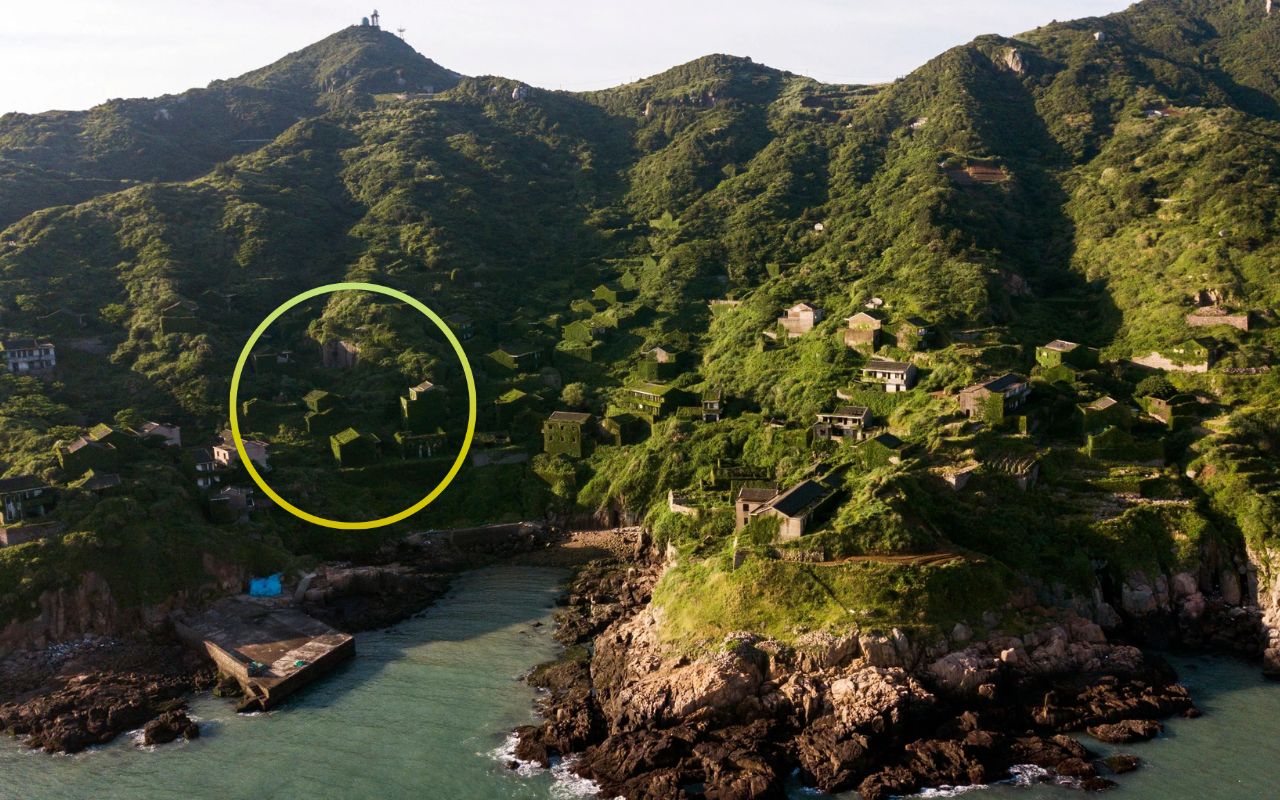
Discover Houtouwan, An Abandoned Town in China Covered by Vegetation After Decades of Abandonment. See How Nature Transformed This Fishing Village into a Surreal Tourist Destination.
The abandoned town in China of Houtouwan, on Shengshan Island, has become an impressive symbol of how nature can reclaim human spaces.
The location, which was once a thriving fishing village with about 2,000 residents, was largely vacated starting in the 1990s, when its inhabitants migrated in search of better living conditions on the mainland.
In the following decades, houses, streets, and buildings were left empty and gradually overtaken by dense vegetation, creating a surreal setting and attracting curious visitors from various parts of the world.
-
The Argentine government celebrates the lowest poverty rate in 7 years, but experts warn that the methodology has changed, real wages have fallen, unemployment has risen, and the number of people on the streets of Buenos Aires has increased by 57% since Milei took office.

-
7.8 magnitude earthquake in Indonesia frightens the population, triggers tsunami alert, and hits an island with over 200,000 inhabitants this Thursday.

-
Google will finally let you change that embarrassing Gmail address you created in your teenage years without losing any accounts, logins, or old emails: the feature is already available in the United States.

-
Heading to Brazil in a Bonanza F33 single-engine aircraft: a couple departs from Florida on a visual flight, makes technical stops in the Caribbean to refuel and organize paperwork, and begins the staged crossing until they reach the country.


The Transformation of the Abandoned Town in China
The abandoned town in China of Houtouwan is located on Shengshan Island, part of the Shengsi archipelago, about 64 km east of Shanghai.
In the past, the village’s economy revolved around fishing and a strong community life, supported by the resources of the East China Sea.
However, over time, geographic isolation, lack of infrastructure, and competition from larger ports led residents to leave the island in search of education, jobs, and services that were not available locally.
In this process of decline, the abandoned town in China gradually became a place forgotten by former residents and the central government.
With few people living in the area, the houses started to deteriorate, and the native vegetation found space to grow unrestricted.
The Power of Nature Over the Abandoned Town in China
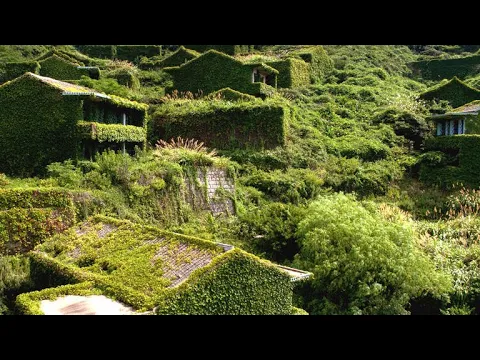
Today, much of the village of Houtouwan is covered by thick vegetation, such as ivy, moss, and other climbing plants that infiltrate walls, roofs, and windows.
Walking through the streets that were once populated is now like traversing a green maze, where human structures seem to be gradually erased by the force of nature.
The contrast between human structures and lush plants creates a landscape that many describe as poetic or even surreal.
In some areas, the vegetation has taken so much space that the houses appear to be part of a natural garden, with green roofs and living walls.
This process of nature’s reintegration has been so complete that many visitors claim it is difficult to distinguish where architecture ends and the environment begins.

History and Abandonment of the Fishing Town
The history of this abandoned town in China begins when Houtouwan was established as a vibrant fishing community, with thousands of residents.
In the following decades, their families thrived through fishing, trade, and seaside living.
However, starting in the 1990s, the lack of easy access to the mainland, difficulties in transporting goods, and competition from larger ports led many to abandon their homes in search of better opportunities.
Tourism and Curiosity About the Abandoned Town in China
Although practically uninhabited, the abandoned town in China of Houtouwan has become a point of interest for tourists seeking unusual landscapes and off-the-beaten-path experiences.
Beginning in 2015, photos and videos of the village engulfed by vegetation went viral on social media, boosting local tourism.
To accommodate visitors, trails and observation platforms were built, allowing people to explore the environment safely.
Walking among the green-covered ruins has become a popular activity, especially during spring and summer when the vegetation is denser.
What the Abandoned Town Reveals About the Relationship Between Man and Nature
The case of Houtouwan is a striking example of how nature can reclaim human spaces when they are left to their own devices.
The abandoned town in China has transformed into a living picture that illustrates the resilience of ecosystems and the impermanence of human constructions when confronted with time and the natural environment.
Moreover, the tourist success of this abandoned village shows a growing interest in destinations that combine history, mystery, and natural beauty.
For environmental and anthropology experts, places like Houtouwan offer valuable insights into how communities adapt—or leave behind—spaces in the context of economic and social changes.
Visiting the Abandoned Town Today
Currently, although Houtouwan is known for its dense vegetation and stunning scenery, there are only a few residents who occasionally guide tourists or sell water to those exploring the area.
The absence of developed commerce or modern infrastructure maintains the atmosphere of abandonment and mystery, enhancing the feeling of walking through an abandoned town in China that nature has reclaimed.
Walking through green-covered streets and observing buildings engulfed by vegetation is undoubtedly an experience that blends environmental reflection with the curiosity of witnessing the meeting between human history and natural force.










-

-

2 pessoas reagiram a isso.