





 Portuguese
  English
  Spanish
  2 min of reading
  11 comments





The Heavy Nuclear Cruiser ‘Admiral Nakhimov’, of Project 11442M, Has Started Its Long-Awaited Sea Trials. After Years of Repairs and Modernizations, the Giant of the Russian Navy Returns with an Updated Arsenal and Cutting-Edge Technologies, Promising to Redefine the Country’s Naval Power.
According to information released by shipbuilding industry sources to the TASS agency, the nuclear cruiser was moved to the degaussing station, a preparatory step for the main phase of the tests. During this process, the operational conditions of crucial systems, such as the main power plant, steering, navigation, sonar, and radio communications, will be verified. These initial tests are the first step in bringing the ‘Admiral Nakhimov’ back into active service.
The Return of a Legend of the Seas
The Admiral Nakhimov, which is part of the legendary Kirov class, has been under repair since 1999. However, practical modernization work only began in 2013. Initially, it was expected that the ship would be delivered to the fleet in 2022, but schedule delays prolonged the project. With the completion of this phase, the expectation is that the heavy nuclear cruiser will again be a key piece of the Russian Navy.
The cruiser now carries new air defense systems, including the advanced 9K96 Redut and the short-range system 42S6 Morpheus, as well as universal launchers UKSK 3S14, capable of operating modern missiles such as Caliber, Onyx, and Zircon. In anti-submarine operations, the Nakhimov will feature the Packet-NK complex and the Answer missile system. Notable armaments include the universal A-190 100 mm gun and the 30 mm AK-630 autocannons.
-
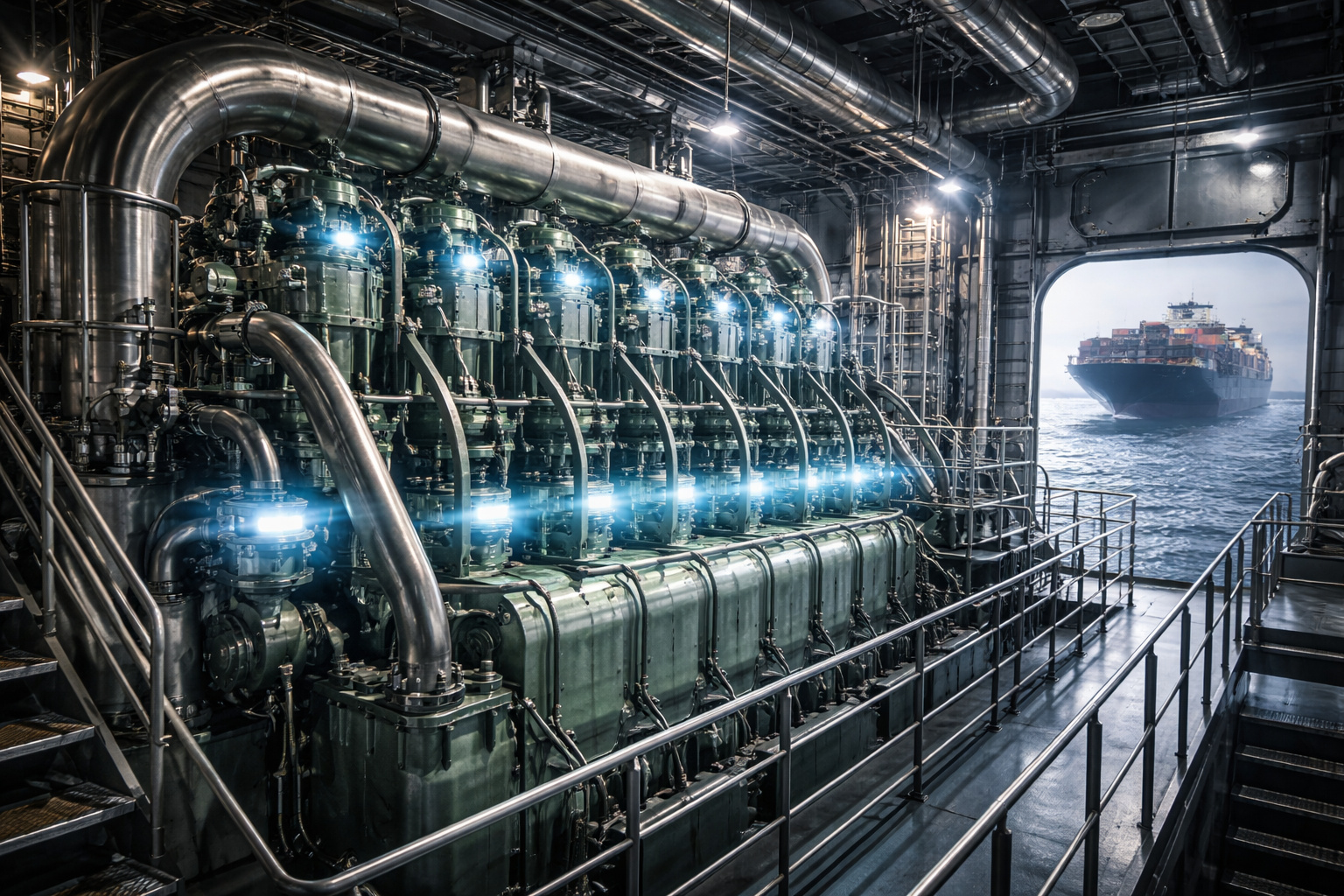
Europe is trying to create an ammonia-powered marine engine without auxiliary fuel, which could unlock the race for giant emission-free ships. The technology aims to eliminate one of the biggest obstacles to clean maritime propulsion.
-
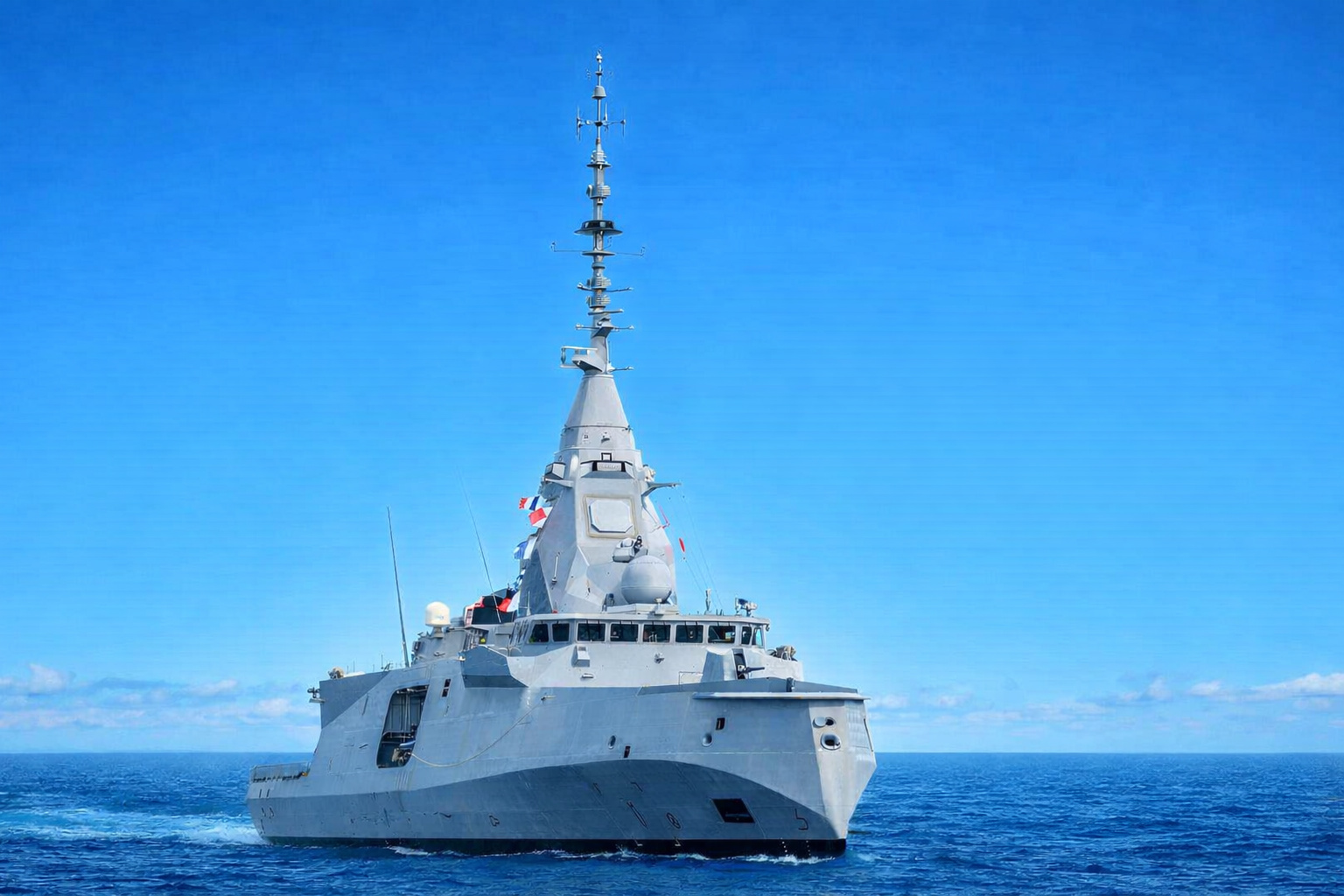
A 4,500-ton frigate with just over 100 crew members, state-of-the-art radar, and cruise missiles is being touted as the new standard of naval warfare in the 21st century.
-
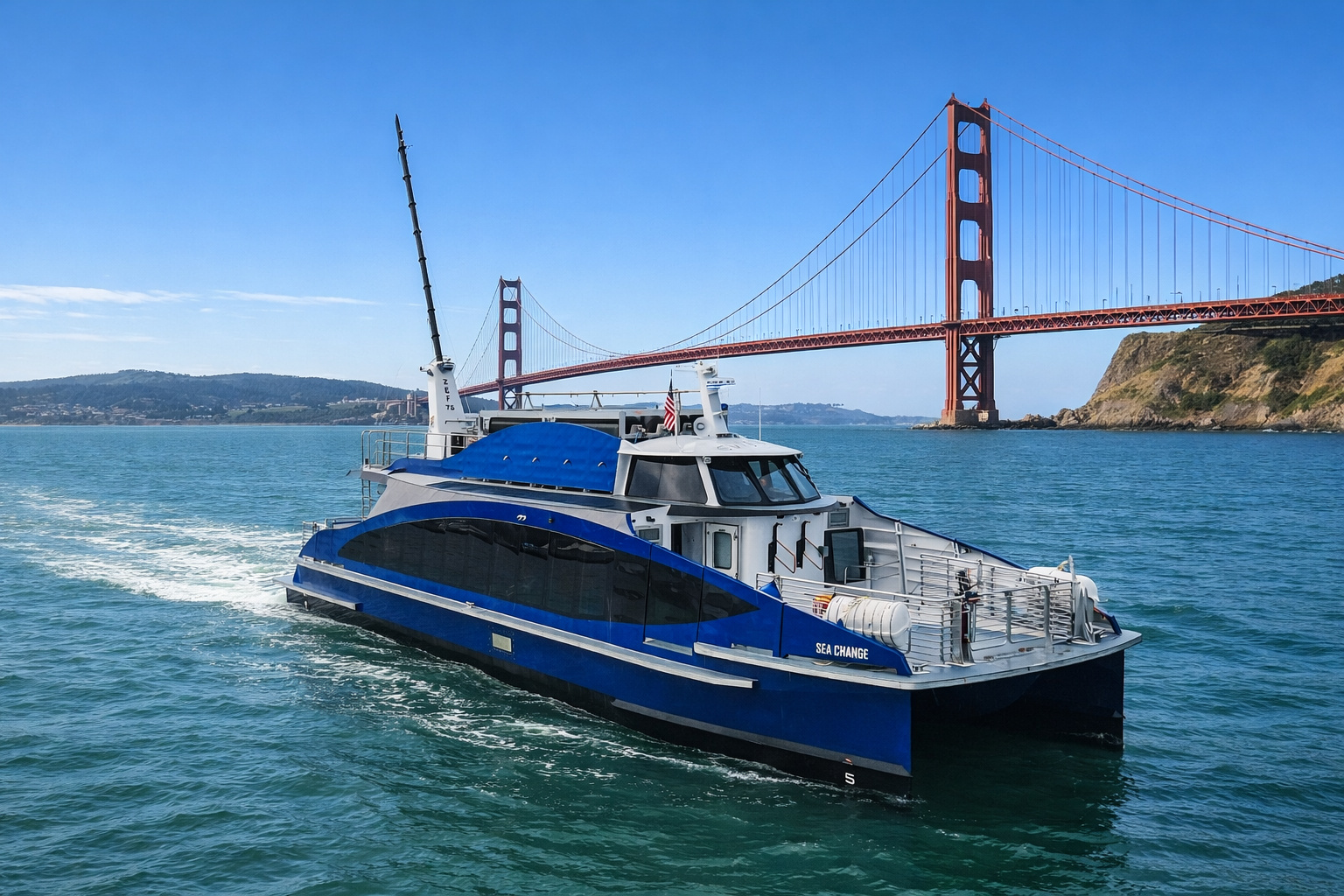
The first commercial hydrogen-powered ferry enters operation in the U.S., eliminates the use of diesel, uses fuel cells to generate clean energy on board, and transforms San Francisco Bay into a landmark of the new era of emission-free navigation.
-
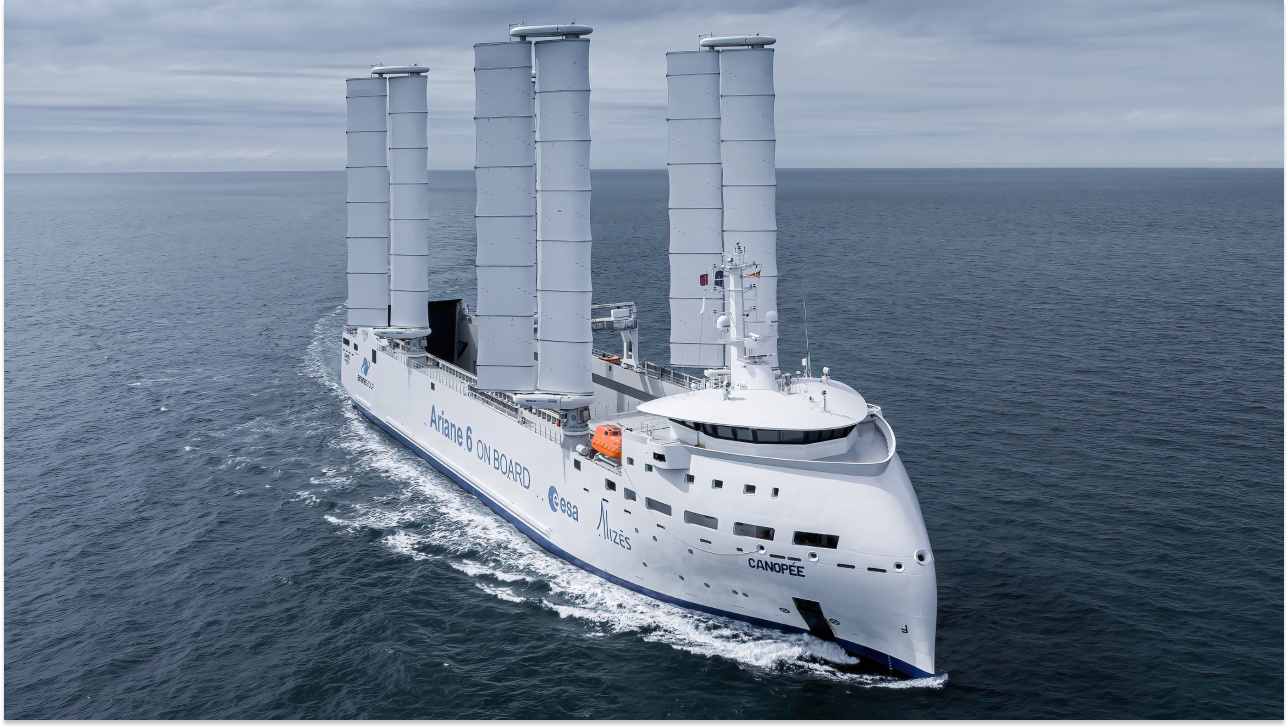
With a length of 121 meters and four rigid sails of 36 meters that automatically rotate to capture the wind, Canopée is the world’s first hybrid industrial cargo ship powered by wind, used to transport rockets and reduce fuel consumption by up to 30% on transoceanic routes.

Additionally, the ship’s radar and control systems received a significant upgrade, including the three-dimensional radar Fregat-M-2EM and the Puma-02 SUAO weapon control system, consolidating the cruiser as a cutting-edge technological platform.
The Legacy of the Kirov Class

The Kirov class cruisers, famous for their size and firepower, marked the Cold War era as one of the greatest demonstrations of naval power by the Soviet Union. Designed to counter the supremacy of U.S. aircraft carriers, these giants combine nuclear propulsion with oil-fired boilers, offering impressive operational range and high speed.
Among the four ships built of the Kirov class, the Admiral Nakhimov is about to reinforce the Russian fleet with a renewed arsenal and power projection capabilities at sea, reaffirming the strategic importance of heavy nuclear cruisers for the country’s defense and deterrence.
With the heavy nuclear cruiser ‘Admiral Nakhimov’ set to resume operations, the Russian Navy not only strengthens its presence in the oceans but also keeps alive the legacy of one of the most imposing classes in naval history.









Vai pra sevastopol –
Top demais, se não fosse a URSS, hoje estaríamos nas mãos dos Nazismo, graças a Deus e o russos, os alemães foram derrotados.
Os comentarios só asneiras oque acontece nessas cabeças, faltando tomar 300 mg de triptofano aminoácido dá felicidade acalma e equilibra só faz bem pro corpo e alma tome 1 caps por dia faça em farmácia de qualidade de manipulação é maravilhoso.