





 Portuguese
  English
  Spanish
  5 min of reading
  0 comments


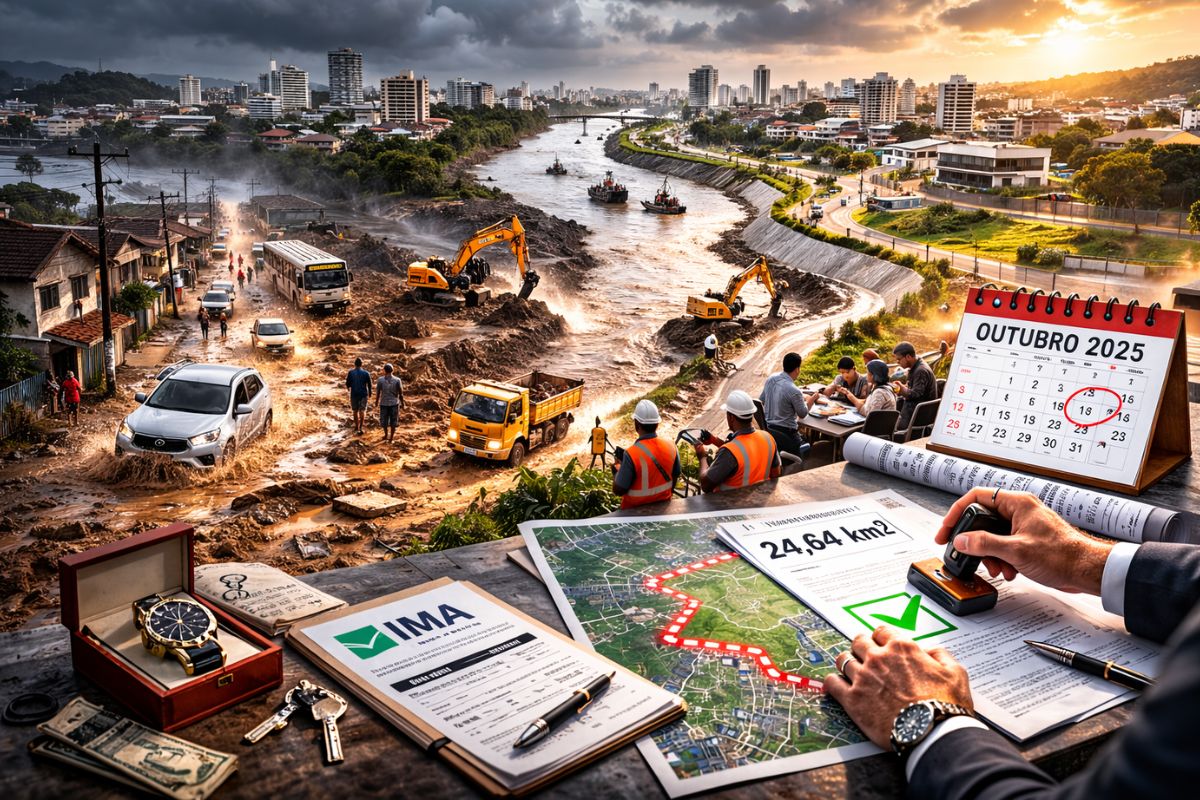
After Decades Of Flooding, Mud And Unpassable Streets, Joinville Received From The Environmental Institute A Technical Opinion In Favor Of The Macrodrenage Of The Itaum-Açu River, But The Preliminary Environmental License Is Still Without Formal Issuance, Stuck In Fees, Drafts, Validations And Internal Signatures, According To The IMA Itself In The South Zone, Where It Floods.
Joinville Has Reached A Rare Stage In The Macrodrenage Project Of The Itaum-Açu River: The IMA Completed The Analysis Of The Request For Preliminary Environmental License And Issued A Favorable Technical Opinion, But The Authorization Has Not Yet Materialized. It’s The Kind Of Progress That Seems Definitive And At The Same Time Exposes The Administrative Bottleneck That Keeps The Plan Stuck In Internal Procedures.
The City Hall Brought The Topic To Public Debate In A Hearing Held In October 2025, When A Study And An Environmental Impact Report Were Presented. The Problem Is Old, Everyday And Costly For Those Who Live In The South Zone, Where Flooding Is Still Addressed With Palliative Actions, Such As River, Ditch And Drain Cleaning, Without Guaranteeing That The Next Heavy Rain Will Not Repeat The Script.
Favorable Opinion From The IMA And What Is Missing For The Preliminary Environmental License

The Santa Catarina Environmental Institute States That, After The Favorable Technical Opinion, There Are Administrative Steps Remaining For The Issuance Of The Preliminary Environmental License.
-
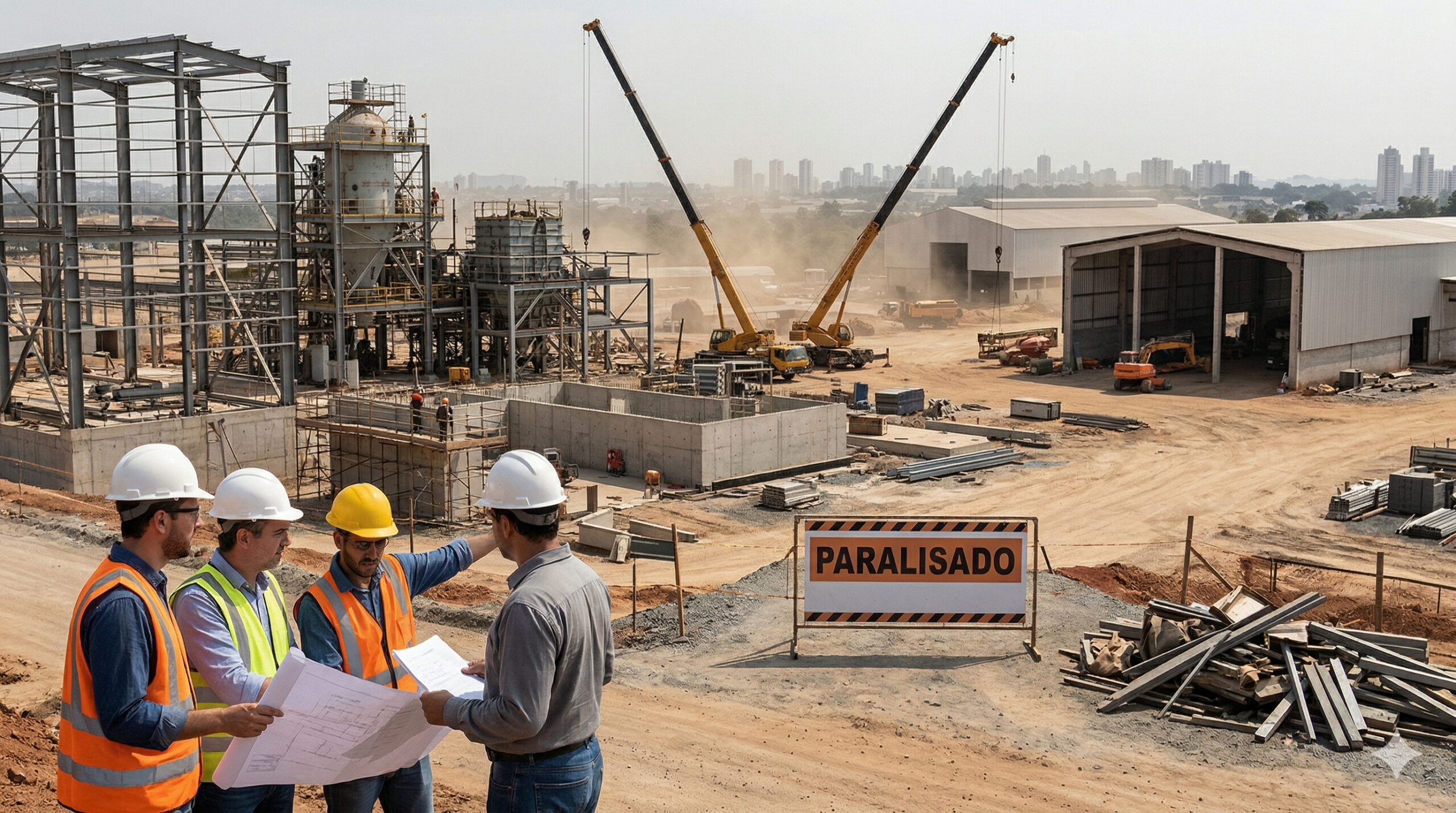
The lack of welders, electricians, and operators becomes a structural threat in 2025, with the construction industry and manufacturing already suffering from delays, cost pressures, and labor shortages in Brazil.
-
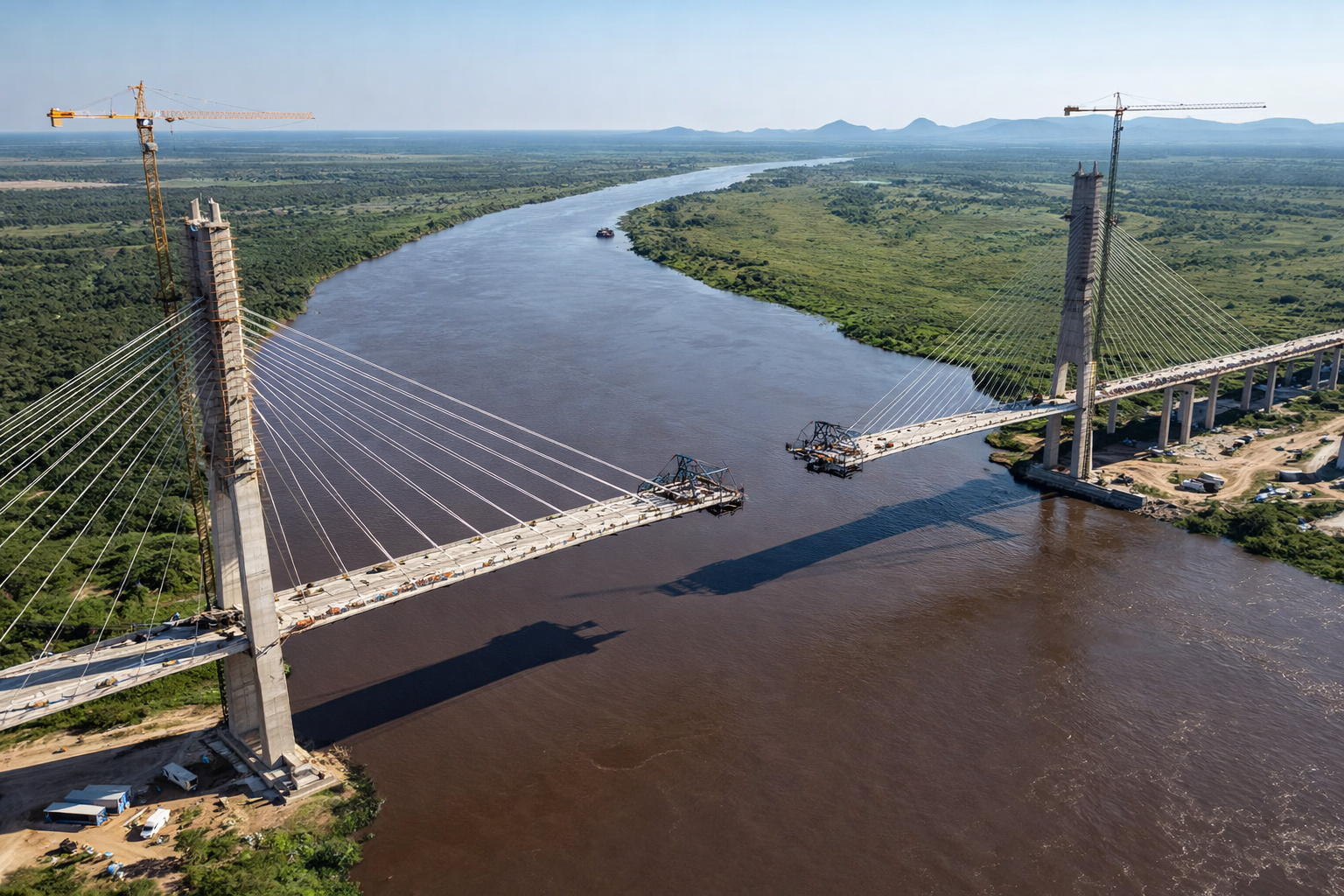
Brazil and Paraguay are just 46 meters away from a historic union on the bioceanic bridge that promises to revolutionize trade between the Atlantic and the Pacific.
-
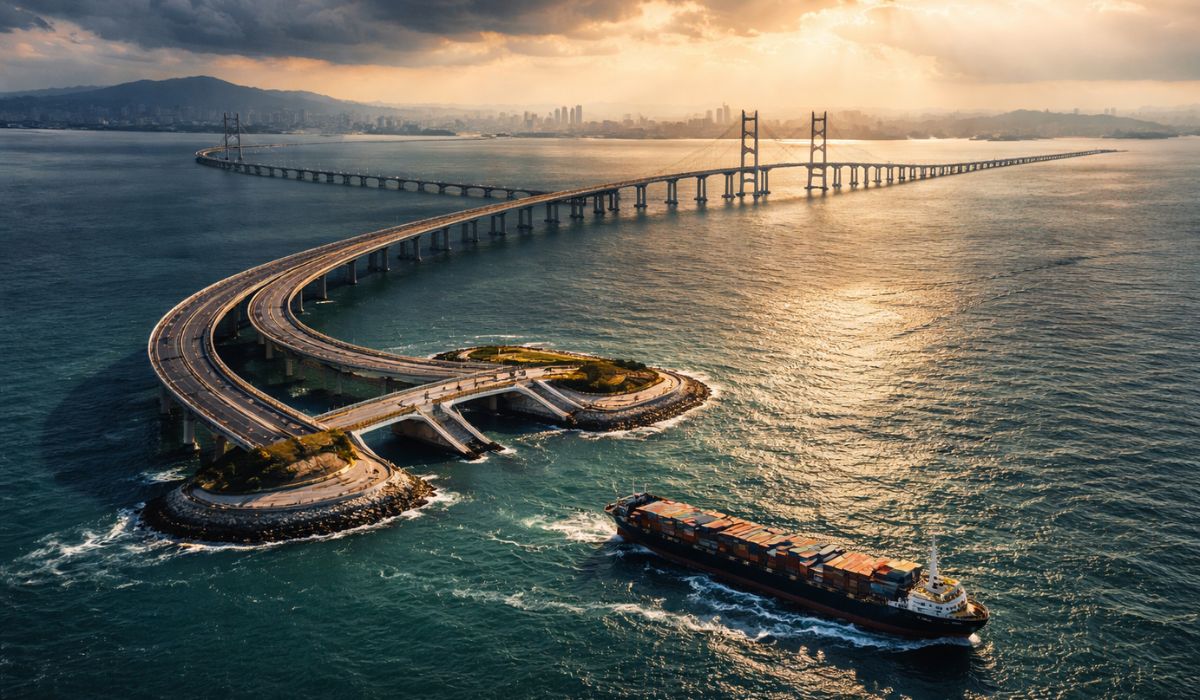
With 55 km over the sea, a cost of US$ 20 billion, and enough steel to build 60 Eiffel Towers, China’s largest project has connected Hong Kong, Zhuhai, and Macau in a colossal bridge that defies the logic of engineering.
-
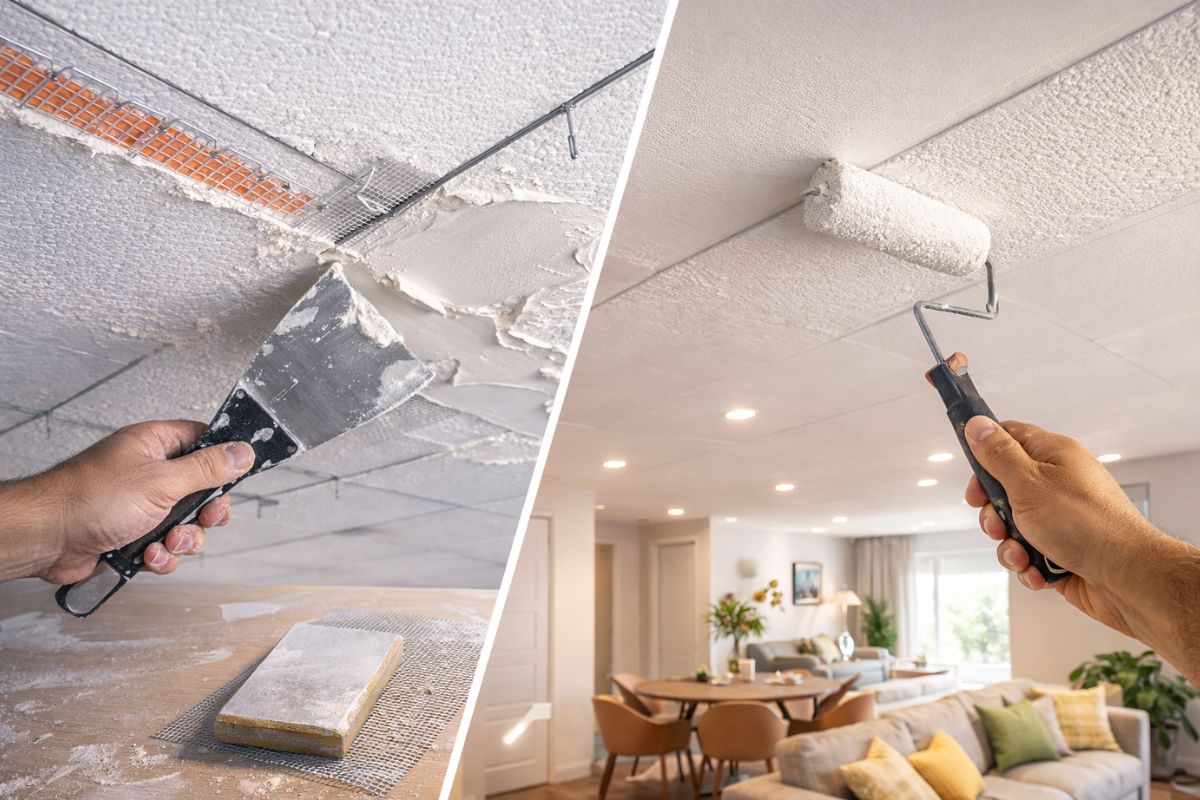
A trick with joint compound transforms a Styrofoam ceiling into a plaster-like ceiling: leveled panels, wires and mesh at the joints, sand, paint, and change the environment while spending little today.

Among Them Are The Generation And Payment Of Analysis Fees, Drafting The License And Internal Validation And Signature Procedures. In Practice, The Discussion Has Moved From The Realm Of “If It Is Possible” To “When Will It Be Unlocked.”
On Joinville’s Side, The City Hall Confirms That It Has Received The Favorable Opinion, But Also Emphasizes That The Preliminary Environmental License Has Not Yet Been Released.
This Is A Detail That Often Goes Unnoticed Outside Of Technical News: An Opinion Is Not A License, And The Difference Between The Two Can Mean Months Of Waiting For A Region That Has Already Been Living For Decades With Streets Covered In Mud Or Simply Unpassable After Episodes Of Heavy Rain.
The Area Of 24.64 Km² On The Radar And The Logic Of The Sub-Basin
The Environmental Impact Report Presented By The City Hall Delimits The Area Of Interventions At Approximately 24.64 Km², In The Southern Portion Of The Cachoeira River Basin.
Within This Set, The Itaum-Açu River Appears As The Main Contributing Sub-Basin, In An Area Of High Urban Concentration And With A History Of Repeated Floods In Different Neighborhoods, Year After Year.
The Project Design Combines Micro And Macrodrenage Works And Paving, Aiming To Reduce Flooding And Reorganize Water Flow In Areas Where The Canal And Its Banks Cannot Handle The Water Volume At Certain Times.
It Is A Change Of Scale In Relation To Immediate Measures Because It Affects The Structure Of The System Instead Of Just Maintaining What Already Exists.
A River Of 10.32 Km Under Influence Of Tides And Mangroves
The Itaum-Açu River Is Approximately 10.32 Kilometers Long And Flows From South To North, From The Head Near Waldemiro José Borges Street To The Mouth At The Cachoeira River.
This Final Stretch Is Directly Influenced By The Tidal Regime, A Factor That Complicates The Behavior Of The Water And Helps To Explain Why Certain Areas Flood Even When The Rain Does Not Seem Extraordinary.
The Study Also Points Out That The Presence Of Mangroves In The Basin Increases Susceptibility To Flooding During High Tidal Periods.
When Rain And Tide Coincide At The Worst Moment, The System Is Pressured In Two Directions, And The Impact Appears First On The Streets, In The Lots, And In The Houses That Are Located In The Lowest Points.
The History Of Flooding And The Limit Of Palliative Solutions
Joinville Has Conditioned Part Of The City To Coexist With The Routine Of Cleaning Ditches, Unblocking Drains, And Removing Sediments As A Containment Strategy.
This Type Of Action Is Useful To Reduce Immediate Effects, But Does Not Resolve What Is Behind The Flooding In The Itaum-Açu River Sub-Basin, Which Overflows Again In Different Rain Events.
In Recent Years, Neighborhoods Such As Itaum, Fátima, Petrópolis, And Guanabara Have Been Among The Most Affected.
For Many People, The Problem Is Not Just The Flooding Itself, But The Sequence That Follows: Mud, Loss Of Mobility, Risk To Properties, Wear And Tear On Local Businesses, And The Feeling That Each Rain Raises The Same Question About Responsibility And Priority.
Pressure From Residents, AMAI And What Is At Stake In The Final Decision
Residents And AMAI, The Residents And Friends Association Of Itaum, Advocate For An Integrated And Continuous Prevention Plan, With Coordination Between The City Hall And Subprefectures.
The Demand Is For Structural And Coordinated Measures That Effectively Reduce The Impacts Of Flooding And Bring Predictability For Those Who Live And Work In The South Zone Of Joinville.
With The Opinion From The IMA Already Issued, The Focus Shifts To The Ritual Of Issuing The Preliminary Environmental License And To The Municipal Administration’s Ability To Carry Out The Next Steps Without Further Interruptions.
The Sensitive Point Is Both Political And Technical, Because A Delay In This Phase Could Push Engineering And Budget Decisions To Another Cycle While The Water Continues To Arrive First.
Joinville Now Has A Project That Approaches The Heart Of The Problem And A Favorable Opinion That Signals Environmental Viability, But Still Faces What Tends To Be Invisible To The Public, The Bureaucratic Machinery That Separates Analysis From Authorization.
The Simple And Uncomfortable Question Remains: How Long Can A Preliminary Environmental License Take To Be Issued When The City Already Knows The Cost Of Waiting.
For Those Living In Joinville, What Weighs More When Demanding A Solution For The Itaum-Açu River: Macrodrenage Works That Change The System Or Quick Actions That Alleviate The Next Flood? And In Your Street, What Was The Rain Episode That Made It Clear That The City Reached Its Limit?









Seja o primeiro a reagir!