





 Portuguese
  English
  Spanish
  4 min of reading
  0 comments


Failed Cave Attempt, But Leads to Handmade Reed Shelter: Bushcraft Project Shows Adaptation, Primitive Techniques, and Real Survival.
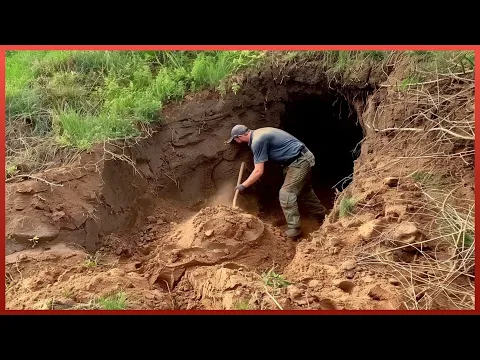
In the midst of a rocky slope, far from any modern infrastructure, Alex, creator of the channel AlexBushcraftmyWorld, decided to undertake one of humanity’s oldest survival challenges: opening a cave in the mountainside to serve as shelter. The idea was simple in concept, but brutal in execution. Manually digging through rock requires strength, time, and, most importantly, understanding of the material. With basic tools and continuous effort, Alex advances until he realizes that the geology of the area would not allow for a safe and stable excavation.
The mountain literally imposes its limits. Instead of insisting and risking his own safety, he does what primitive builders have always done: observes, evaluates, and changes strategy.
When Failure Becomes Part of the Construction Process
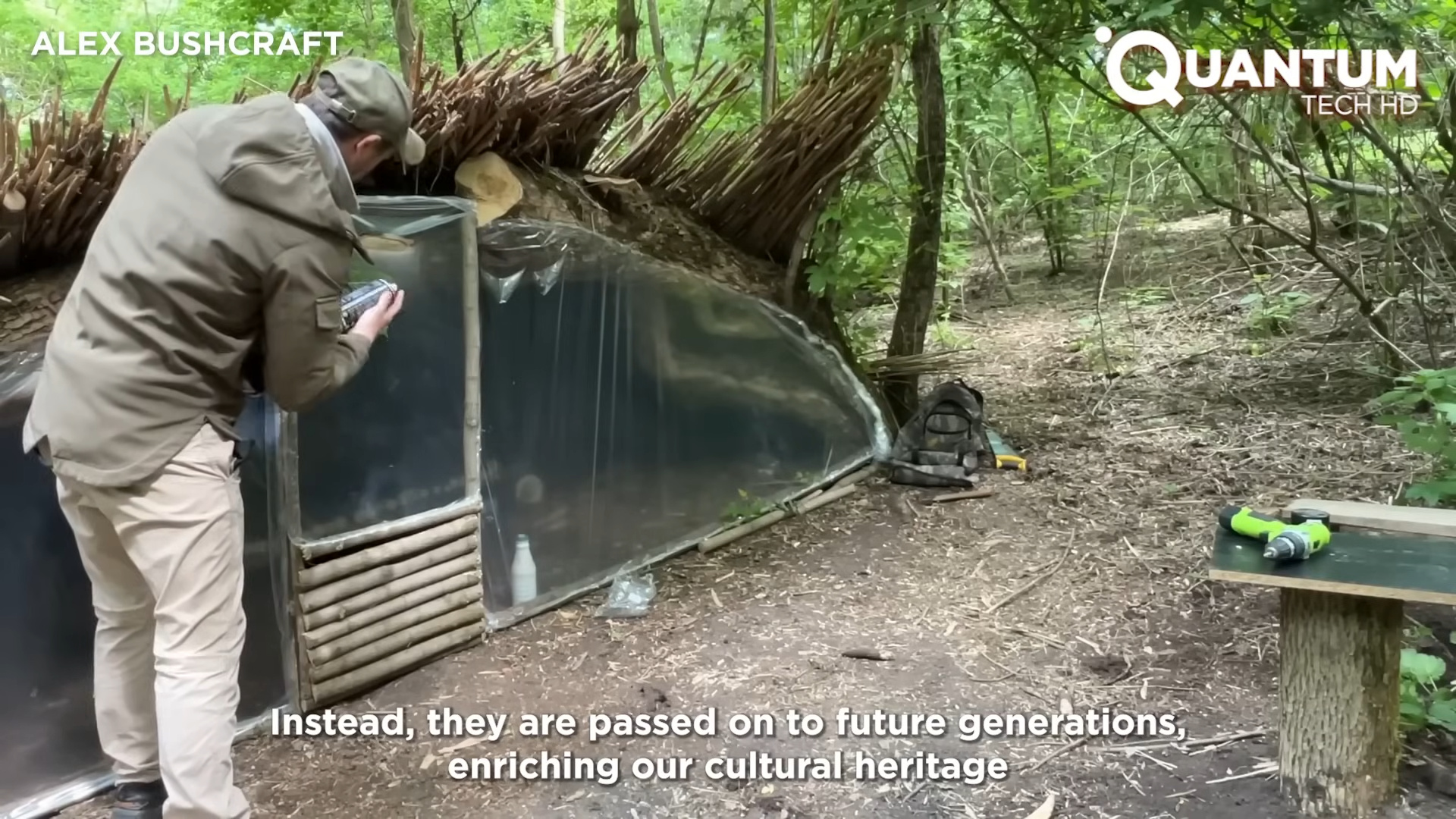
Contrary to what one might think, failure does not end the project; it redefines the path. Alex abandons the cave excavation and decides to build a reed shelter, a material abundant in the region, used for thousands of years in floodplains, lowlands, and transitional areas between mountains and valleys. This change does not signify improvisation, but technical adaptation.
-
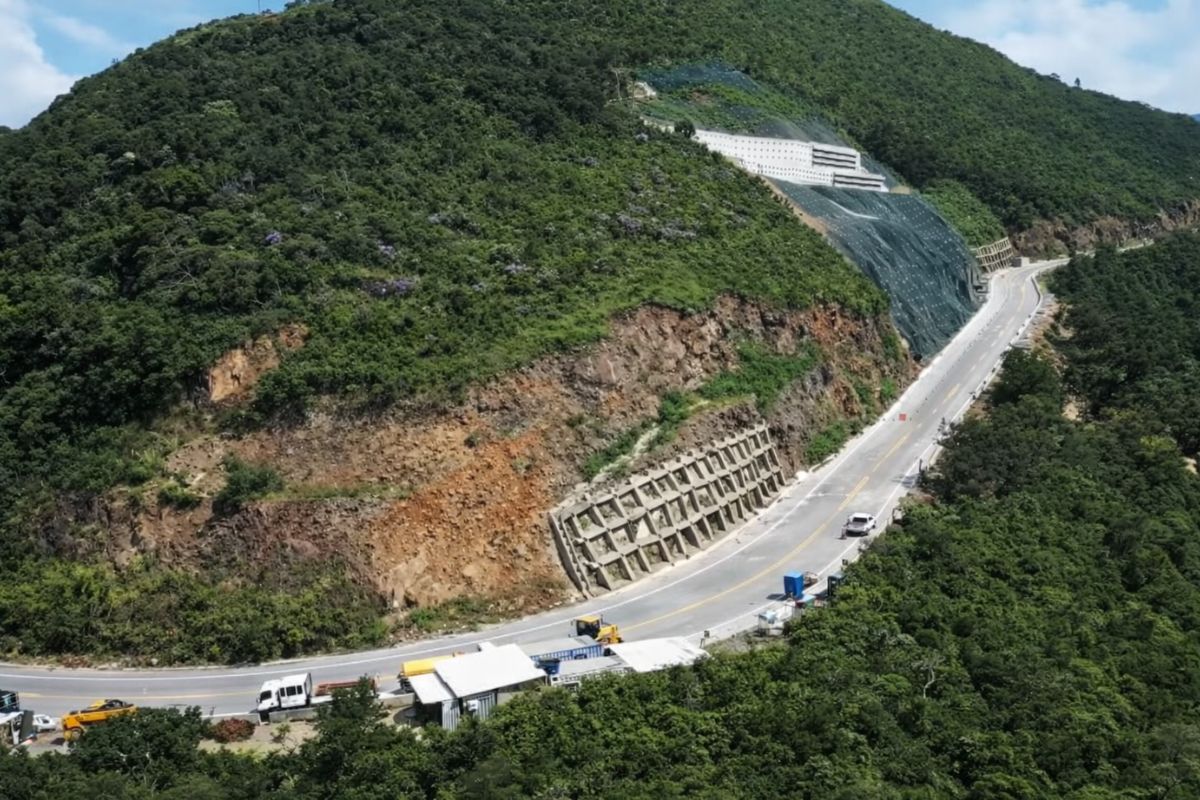
The section of Serra da Rocinha on BR-285 is now open in Timbé do Sul: 50 m tensioned curtains and top-down technique stabilize the slope, with a stairway duct controlling the water.
-
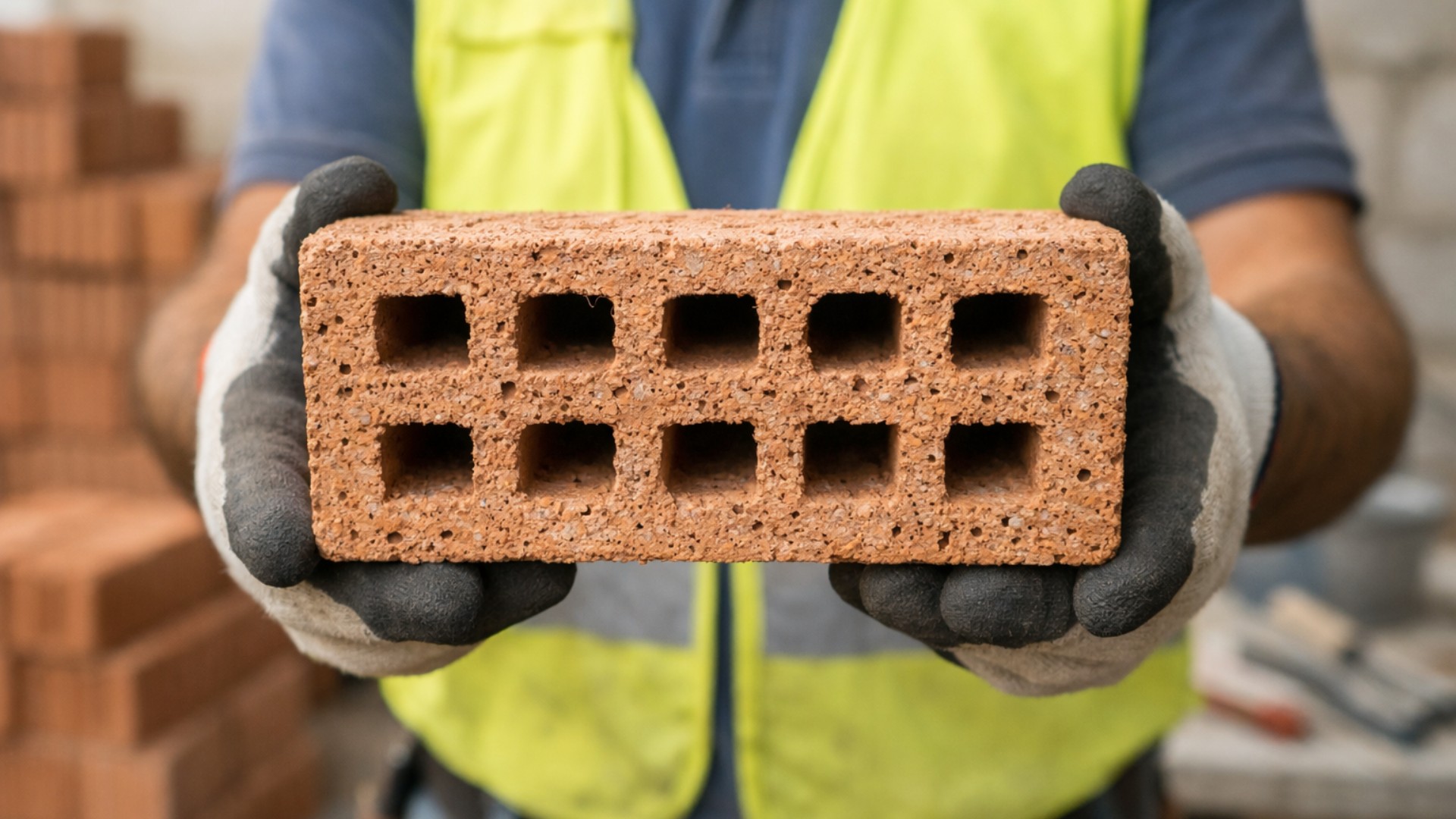
Scientists use sawdust mixed with clay to create a lighter brick, promising efficient thermal insulation and impressing by transforming waste into a solution for construction.
-
With a DNA shape, this bridge in Singapore draws attention in modern architecture and surprises tourists by transforming a simple crossing into an unforgettable visual experience in the urban heart.

-
Giant underwater pipeline begins to take shape with a R$ 134.7 million project at the Port of Santos: the 1.7 km structure uses 12-meter and 700 mm pipes to supply water to 450,000 people in Guarujá.


Primitive constructions have always started from understanding the environment, not imposing a fixed idea upon it.

The Use of Reeds as Structure and Coverage
Reeds, also known as bulrushes, are lightweight, flexible, and when well organized, extremely efficient against wind, cold, and moisture.
Alex collects the material by hand, selecting dry and sturdy stalks. They will form both the structure and the coverage of the shelter. The method involves grouping, braiding, and layering, creating a thick body capable of retaining internal heat and blocking drafts.

This type of shelter, despite being visually simple, relies on technique. The correct slope of the walls and roof is essential for water runoff and to prevent the weight of the structure itself from causing collapse.
Manual Assembly Without Concrete or Machines
The entire process is done without cement or any electric tools. Connections are made through natural bindings, simple joints, and pressure between materials. This reduces points of failure and allows for adjustments throughout the construction.
If a part gives way or needs reinforcement, the material itself can be reused or reorganized.

This logic is typical of bushcraft: to build something functional, repairable, and integrated into the environment, without relying on external supplies.
A Shelter Designed for Thermal Comfort and Discretion
The reed shelter does not draw attention from a distance. Its color and texture blend in with the surrounding vegetation, creating natural camouflage. Internally, the space is compact, which facilitates heat retention.
The reduced volume is not a limitation, but a technical choice. In primitive constructions, less space means less thermal loss and greater energy efficiency, even without a constant fire.
The Importance of Adaptation in Primitive Construction
The project by AlexBushcraftmyWorld illustrates an essential principle of ancestral techniques: to not conquer nature, but to work with it.
The frustrated attempt to open a cave is not a mistake to be hidden, but part of the learning process. By recognizing the limits of the terrain, Alex avoids structural risks and builds something viable with the resources available. This type of decision separates improvised builds from truly functional constructions.

As with other projects of this kind, the video does not rely on extensive verbal explanations. The viewer experiences the real sounds of the work, the slow pace of material gathering, and the gradual progression of the structure.
This transforms the content into almost a modern ethnographic record, demonstrating how ancient practices still function when applied methodically and patiently.
Why Does This Type of Construction Generate Such Interest?
Primitive shelters like Alex’s go viral because they confront modern imagination. In a world of advanced technology, seeing someone fail, adapt, and build something functional with their own hands creates immediate identification.
It’s not just about extreme survival, but about autonomy, reading the environment, and simple solutions to complex problems.
In the end, the reed shelter is not just an alternative to the cave that didn’t work. It is proof that, many times, the most efficient solution is not in brute force, but in the ability to change one’s mind in light of reality.








-

-

-

-

-

15 pessoas reagiram a isso.