





 Portuguese
  English
  Spanish
 3 min of reading
  0 comments


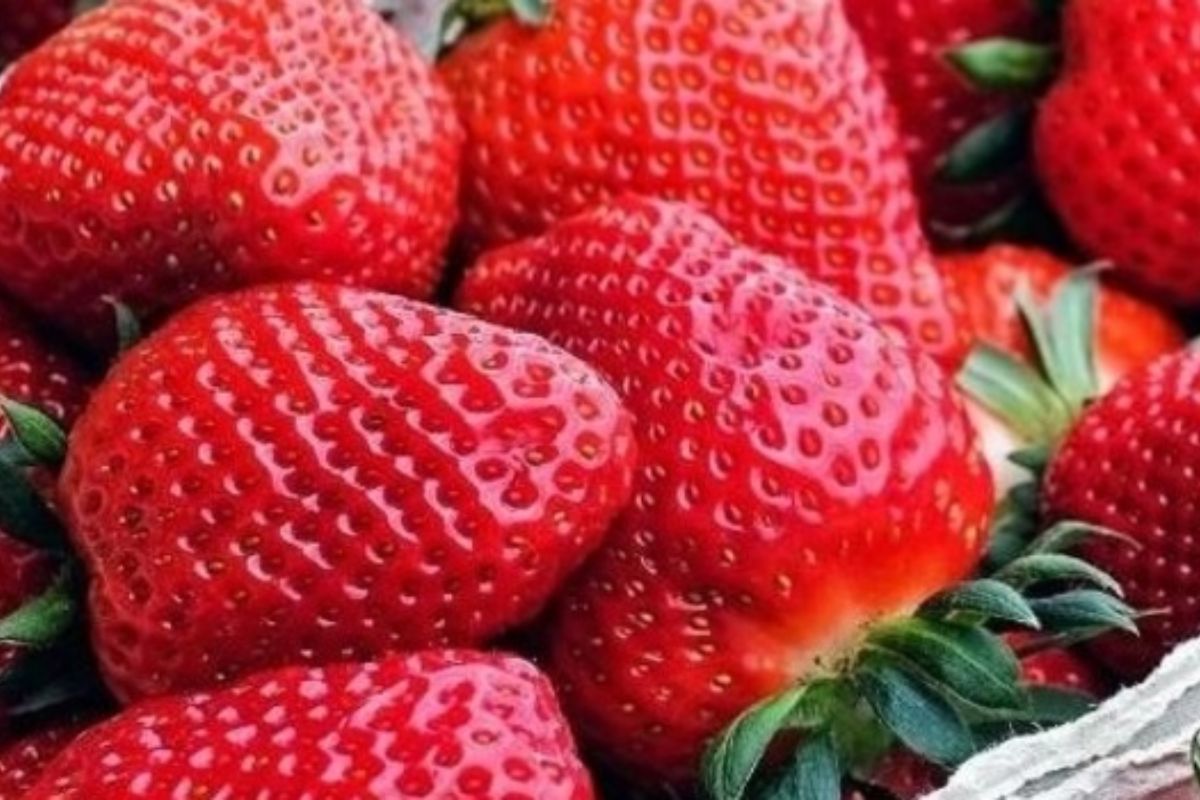
The Diversity of Agriculture in Minas Gerais Reveals Records in Fruits, Vegetables and Industrial Crops, Showing How Different Regions Expand Results and Strengthen Local Economies
The agriculture in Minas Gerais is present on the Brazilian table every day, and this presence goes far beyond the traditional coffee with milk, according to a report published.
In different regions, family producers and cooperatives supply the country with fruits, vegetables and industrial crops that reach significant numbers.
This productive variety spreads across the cerrado, the Atlantic forest and the caatinga, creating a favorable environment for the advancement of diverse agricultural chains.
-
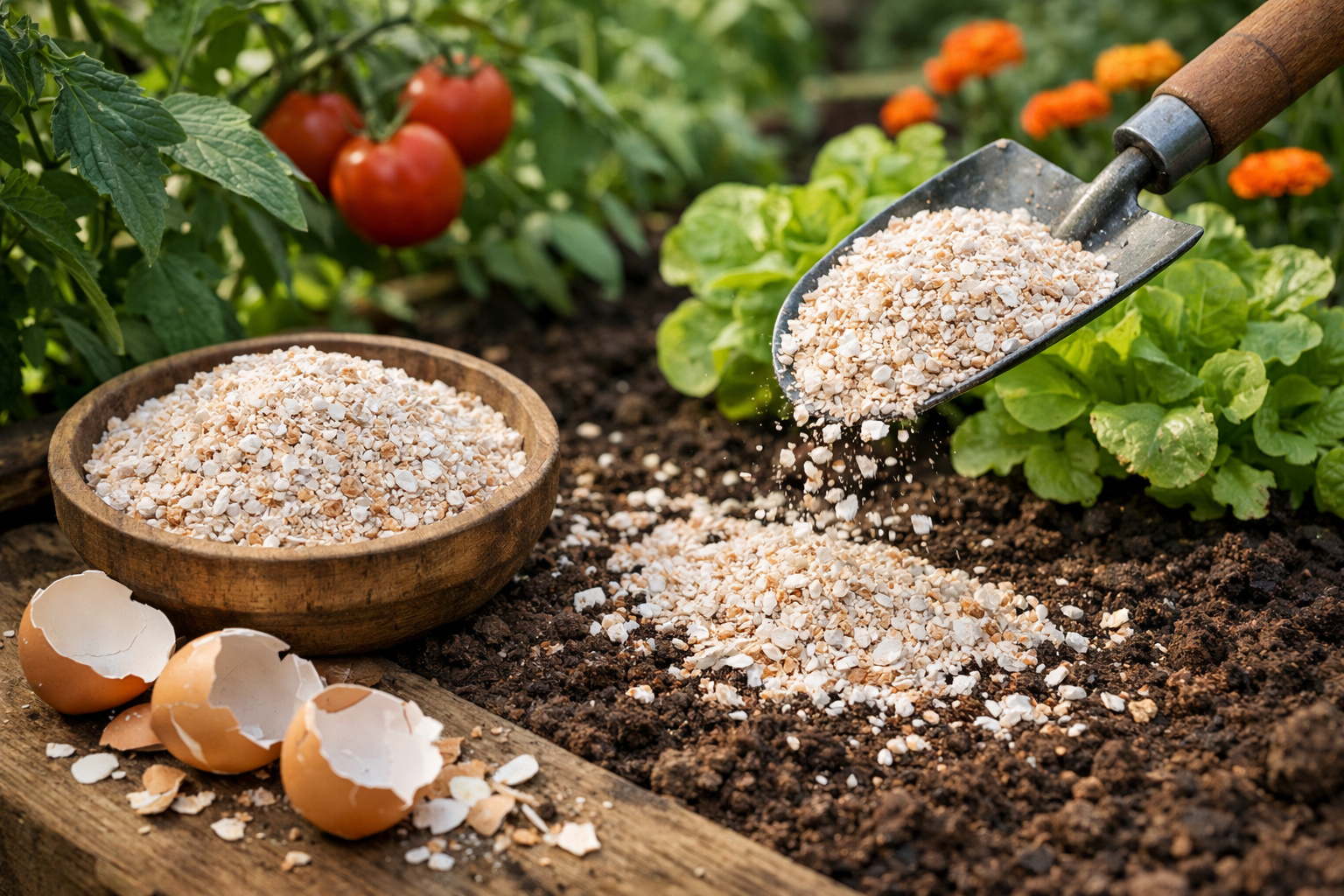
The eggshell that almost everyone throws away is made up of about 95% calcium carbonate and can help enrich the soil when crushed, slowly releasing nutrients and being reused in home gardens and vegetable patches.
-
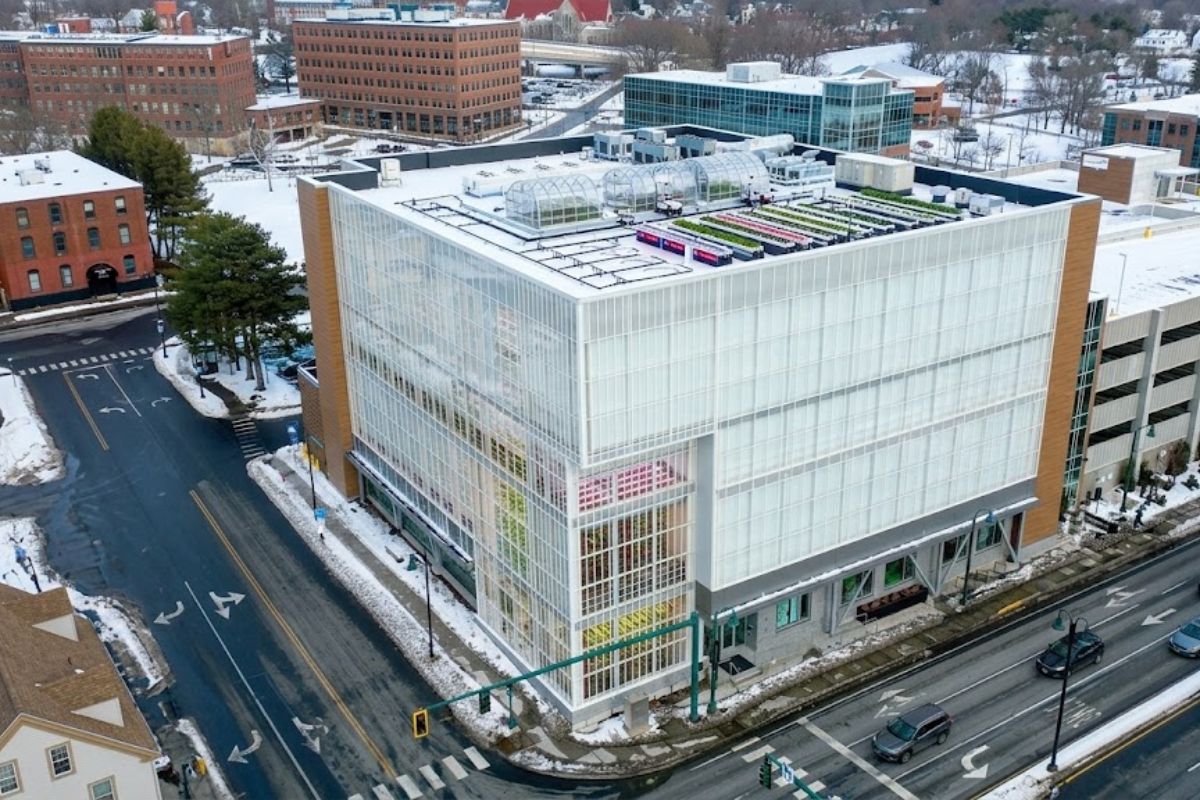
This farm in the United States does not use sunlight, does not use soil, and produces 500 times more food per square meter than traditional agriculture: the secret lies in 42,000 LEDs, hydroponics, and a system that recycles even the heat from the lamps.
-
The water that almost everyone throws away after cooking potatoes carries nutrients released during the preparation and can be reused to help in the development of plants when used correctly at the base of gardens and pots, at no additional cost and without changing the routine.

-
The sea water temperature rose from 28 to 34 degrees in Santa Catarina and killed up to 90% of the oysters: producers who planted over 1 million seeds lost practically everything and say that if it happens again, production is doomed to end.


Among them, strawberries, potatoes, garlic, quince, avocados, sunflowers, and natural rubber stand out, together moving thousands of tons and boosting regional economies.
In practice, this set of activities expands income opportunities and stimulates the development of agro-industries, fairs, and rural tourism circuits related to the countryside.
Fruit Cultivation in South Minas
Fruit cultivation in South Minas has the strawberry as its main symbol. Cities like Estiva, Pouso Alegre and Bom Repouso account for the majority of the more than 157 thousand tons harvested annually, a result of a mild climate, family tradition, and strong national demand.
This production attracts visitors, fosters local events, and strengthens chains linked to rural tourism. In addition to strawberries, the state boasts the largest national center for quince, with 342 thousand tons last year, establishing itself as a reference in cold climate fruits.
In the fields, management techniques and public technical assistance contribute to small and medium producers increasing their market share.
The state also leads national garlic production, mainly in Alto Paranaíba, with around 86 thousand tons registered in 2024.
This crop supplies fairs, supermarkets, and agro-industries, becoming essential for supplying major capitals in the Southeast.
This performance reinforces the role of the territory as a strategic link for circulation between large consumer centers.
The success of agriculture in Minas Gerais is the direct result of the combination of climate, relief, and public policies that strengthen sustainable agricultural practices adapted to the needs of the population.
Garlic Cultivation in Alto Paranaíba and Agriculture in Minas Gerais
Garlic cultivation in Alto Paranaíba has become a national reference, but it is not the only highlight among the products that supply markets across Brazil.
The state ranks high in the production of potatoes, peanuts, onions, and tomatoes, which together exceed 1.2 million tons per year.
Tomatoes, especially in the Carmópolis region, drive agro-industries and guarantee jobs throughout the entire chain.
Meanwhile, avocado and sunflower cultivation is growing strongly, accounting for 135 thousand and 8.3 thousand tons, respectively.
Natural rubber also stands out, with almost 49 thousand tons annually, reinforcing the strength of local industrial crops.
These results are supported by public services involving research, agricultural defense, and technical assistance.
The state offers support for the adoption of technologies, access to credit, and market guidance, expanding the possibilities for productive diversification.
In the fifth section of the text, the performance of agriculture in Minas Gerais reveals how different chains use innovation, natural vocation, and increasing demand to expand job and income opportunities.
Industrial Crops in Minas Gerais
Industrial crops in Minas Gerais are advancing in different biomes, taking advantage of unique soil and climate characteristics.
Producers see sunflowers and avocados as alternatives with great market potential, especially due to the demand for healthier oils and raw materials for industrial use.
The presence of three biomes favors planting throughout the year, creating conditions for small and medium producers to integrate technologies and increase supply.
The expansion of agriculture in Minas Gerais is confirmed by numbers that reinforce the productive force and the importance of diversified chains in regional development.
The state concludes the year with structured chains, strengthened producers, and prospects for continuous growth, reaffirming the role of agriculture in Minas Gerais.







-

Uma pessoa reagiu a isso.