





 Portuguese
  English
  Spanish
 3 min of reading
  0 comments


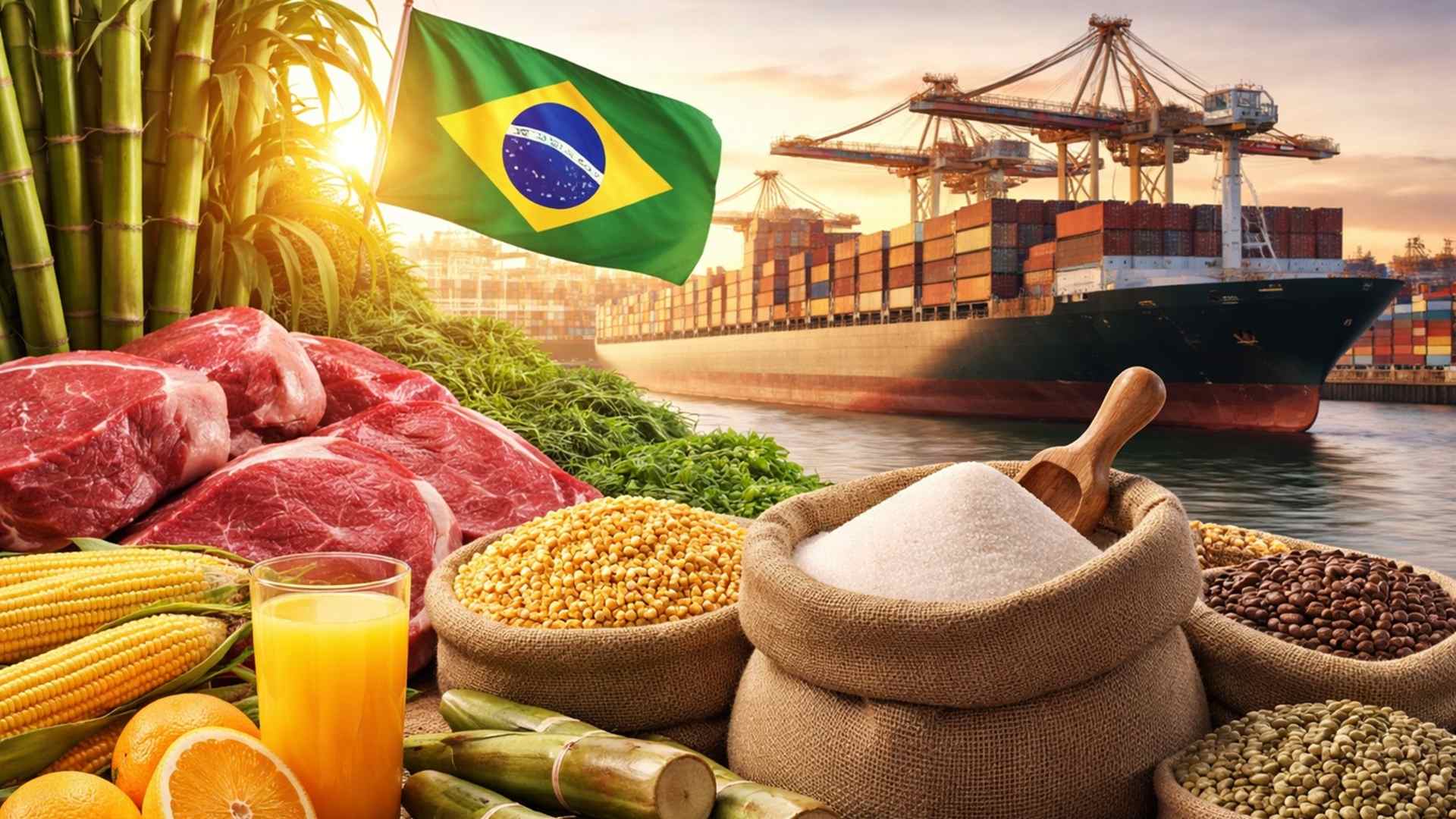
Agricultural Exports Boosted São Paulo’s Trade Balance In January, Ensuring A Surplus Of US$ 1.31 Billion, Consolidating The State As National Leader With 17.1% Of Sector Shipments And Strong Economic Dependence On Agribusiness Exports
The performance of agribusiness exports placed São Paulo as the national leader in January, with a surplus of US$ 1.31 billion, resulting from US$ 1.84 billion in exports and US$ 530 million in imports, reinforcing the strategic weight of the sector in the state economy.
Agricultural Exports Ensure Billion-Dollar Surplus And Expand São Paulo’s Participation In The State Trade Balance
Agricultural exports represented 40.9% of all external sales from the state in January. In the same period, sector imports accounted for only 8% of the state total, highlighting the direct impact of São Paulo’s agribusiness on the trade balance.
The result consolidated São Paulo as the largest agribusiness exporter in Brazil, responsible for 17.1% of national sector shipments. Even with a smaller land area than other producing states, the state maintained its position ahead of Mato Grosso, with 16.7%, and Minas Gerais, with 11.5%.
-
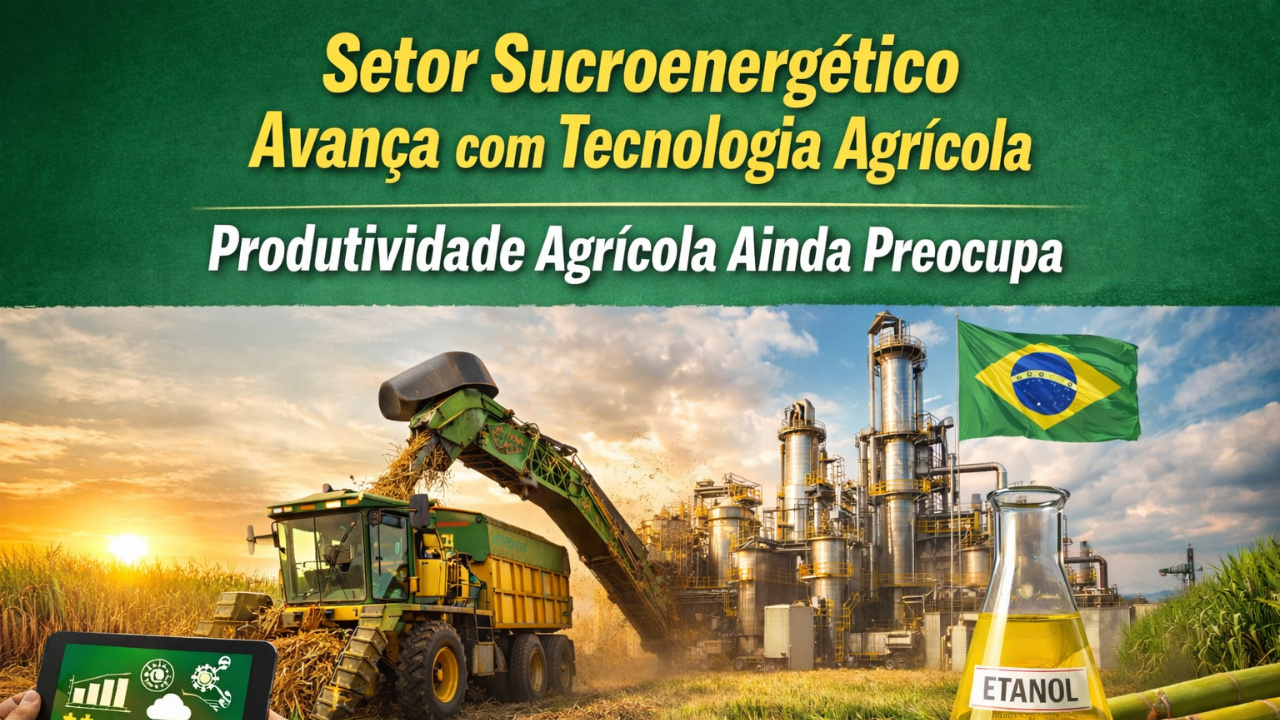
The sugar-energy sector advances with agricultural technology, but agricultural productivity still raises concerns.
-
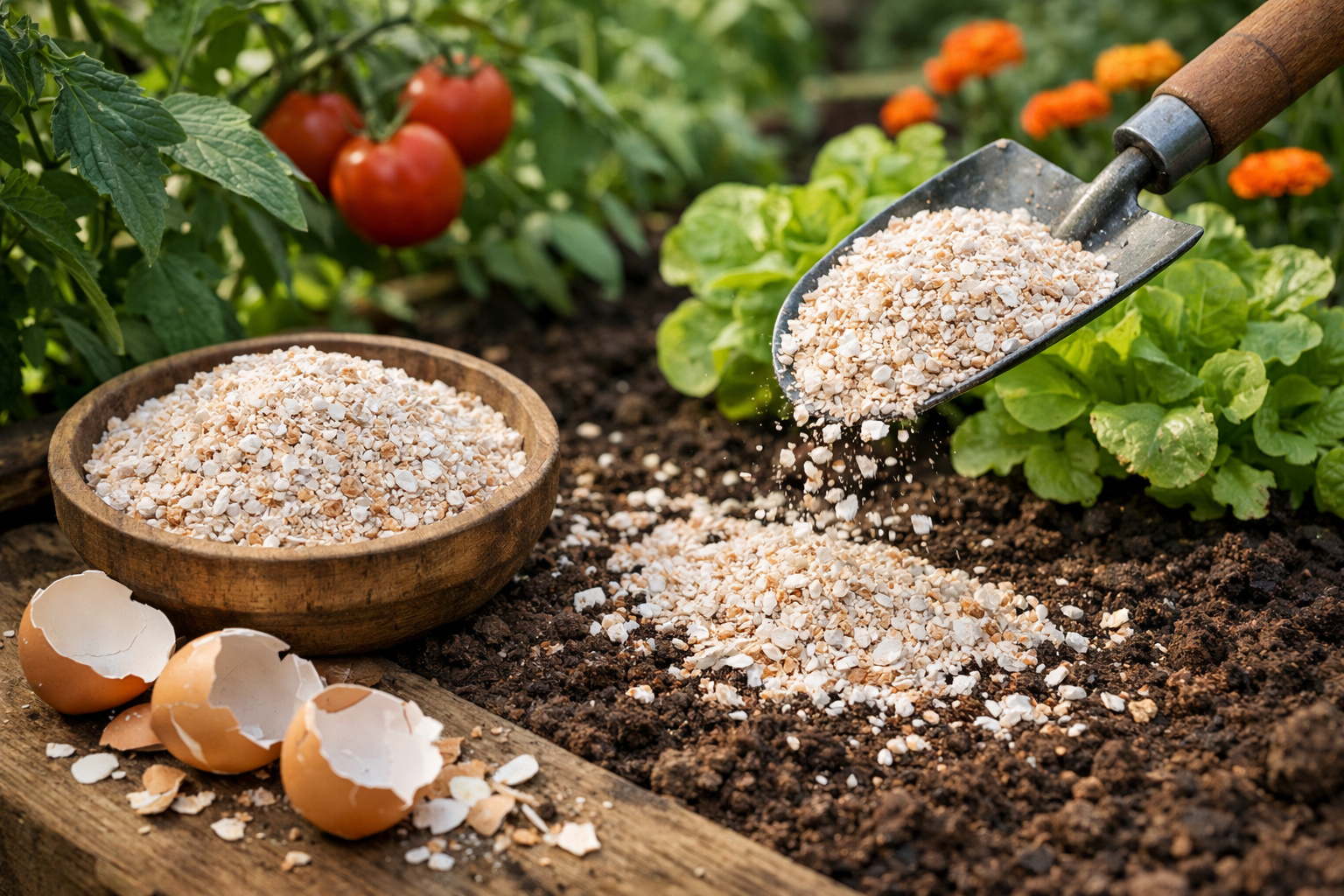
The eggshell that almost everyone throws away is made up of about 95% calcium carbonate and can help enrich the soil when crushed, slowly releasing nutrients and being reused in home gardens and vegetable patches.
-
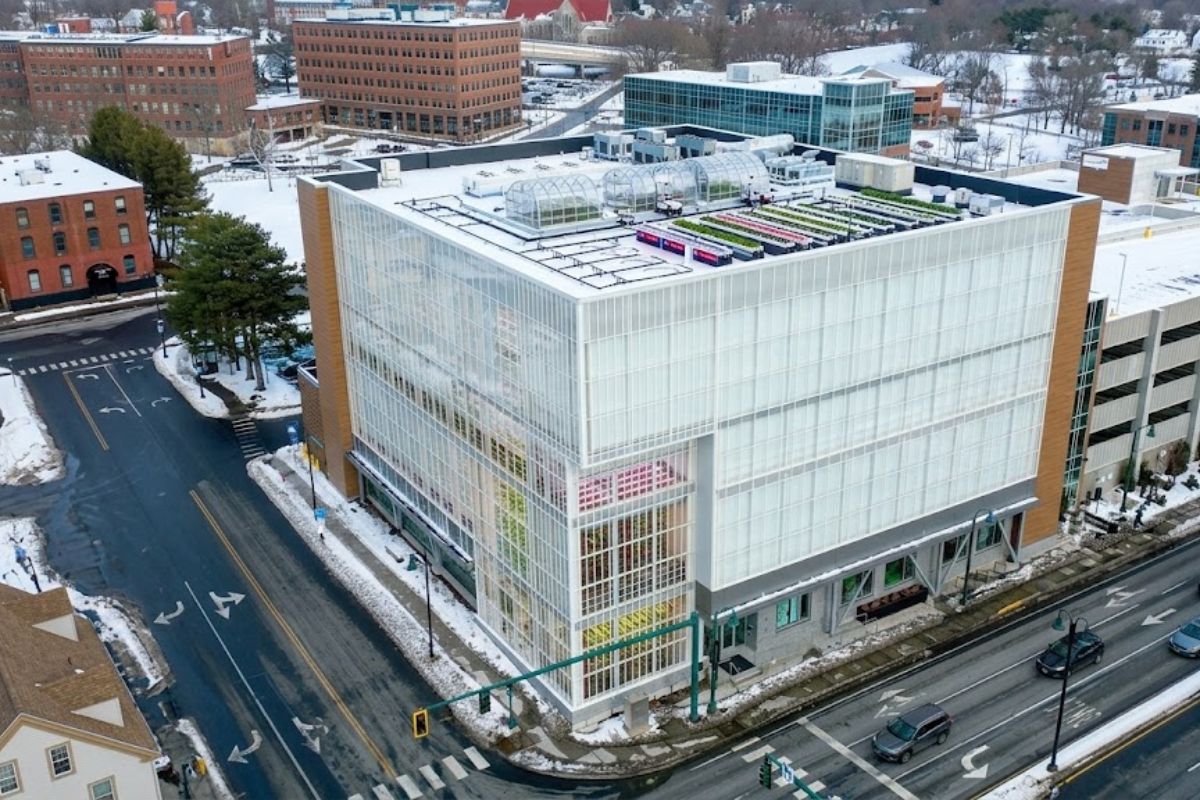
This farm in the United States does not use sunlight, does not use soil, and produces 500 times more food per square meter than traditional agriculture: the secret lies in 42,000 LEDs, hydroponics, and a system that recycles even the heat from the lamps.
-
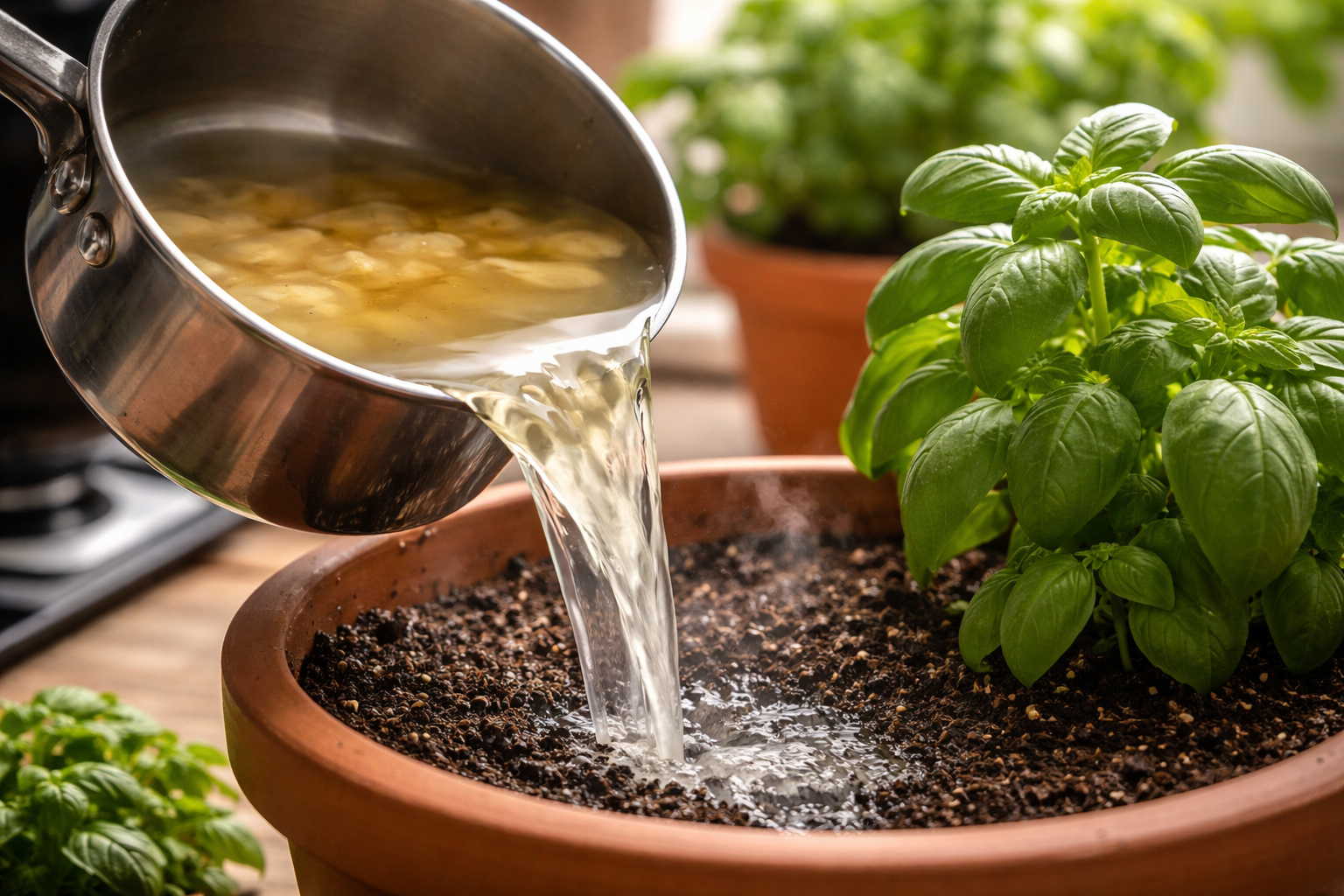
The water that almost everyone throws away after cooking potatoes carries nutrients released during the preparation and can be reused to help in the development of plants when used correctly at the base of gardens and pots, at no additional cost and without changing the routine.

According to the Secretary of Agriculture and Supply, Geraldo Melo Filho, the performance is associated with productive diversity, high agricultural productivity, and continuous investments in innovation, scientific research, and environmental practices adopted in the São Paulo countryside.
Sugar-Ethanol Complex Leads São Paulo’s Agricultural Exports With US$ 465.32 Million Shipped
The sugar-ethanol complex accounted for 25.3% of São Paulo’s agricultural exports, totaling US$ 465.32 million. Sugar concentrated 96.9% of this total, while ethyl alcohol, ethanol, represented 3.1%.
Forestry products ranked second, with a share of 18.8% and revenues of US$ 346.90 million. Within this group, cellulose accounted for 75.3% of external sales and paper for 21.1%.
The meat sector recorded a share of 16.6%, totaling US$ 305.81 million. Beef accounted for 82.8% of the exports in this segment, maintaining a strong presence in the São Paulo trade agenda.
Agricultural Exports Concentrate 76.8% In Five Productive Groups And Indicate Changes In External Revenues
Juices represented 8.9% of exports, with US$ 163.86 million, with 96.1% referring to orange juice. Coffee participated with 7.2%, totaling US$ 132.50 million, of which 76.7% corresponded to green coffee and 19.5% to instant coffee.
These five groups collectively accounted for 76.8% of São Paulo’s agribusiness exports during the analyzed period. The soybean complex ranked tenth, with a share of 2.7% and US$ 49.96 million exported.
Within the soybean complex, 29.8% corresponded to soybeans and 48.1% to meal. There is a forecast for growth in external sales starting in February 2026 with the onset of the harvest.
Price And Volume Variations Influence Annual Performance Of Agribusiness Exports
Compared to January of the previous year, forestry products recorded a 22.8% increase in external sales. The meat sector grew 11.6%, while the soybean complex advanced 7.2%.
On the other hand, there were declines in revenues from the sugar-ethanol complex, with a retraction of 25%. Coffee showed a reduction of 20.4%, and juices recorded a drop of 53.1%.
The observed fluctuations are attributed to the combination of variations in international prices and exported volumes throughout the analyzed period.
China, European Union, And United States Concentrate Main Destinations Of São Paulo Exports
China remained the main destination for São Paulo’s agribusiness exports, accounting for 21.9% of external purchases. Among the products acquired are forestry items, meats, textile fibers, and products from the soybean complex.
The European Union ranked second, with a share of 18.1%. The United States occupied the third position, accounting for 8.1% of sector exports.
On the national scene, São Paulo maintained its leadership in Brazilian agribusiness exports, with a 17.1% share, followed by Mato Grosso and Minas Gerais in the state ranking.
The monthly analysis of the trade balance of São Paulo’s agribusiness is prepared by the director of Apta, Carlos Nabil Ghobril, in collaboration with researchers José Alberto Ângelo and Marli Dias Mascarenhas Oliveira, from the Institute of Agricultural Economy, linked to the Secretariat of Agriculture and Supply of São Paulo.









Seja o primeiro a reagir!