





 Portuguese
  English
  Spanish
  5 min of reading
  0 comments


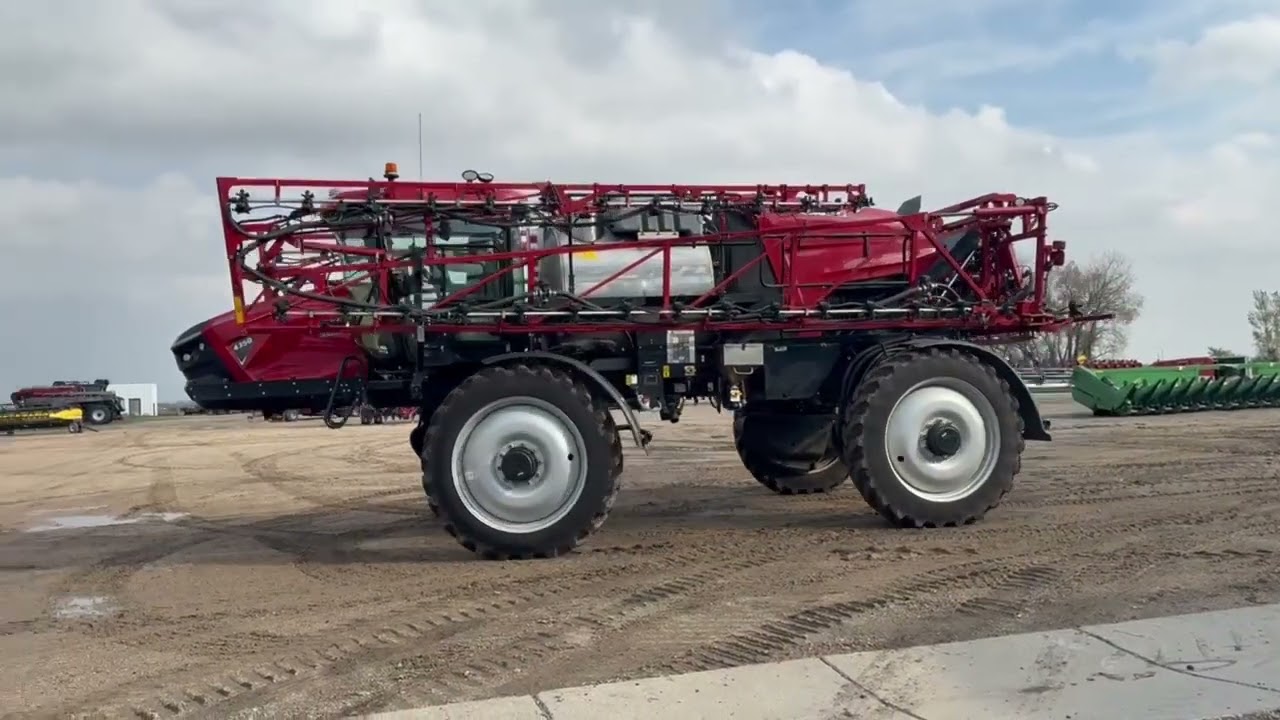
With 42 m Bars, 5,000 L Tank and Autopilot, the Case IH Patriot 4350 Sprays at Industrial Pace, Accelerates Agriculture and Raises Safety and Cost Alerts.
The advancement of mechanization in Brazilian agriculture has entered a phase where scale, speed and automation are no longer promises but dictate the routine in the field. Among the machines that symbolize this shift is the Case IH Patriot 4350 self-propelled sprayer, a piece of equipment that costs millions, operates with centimeter precision, and can cover vast areas in just a few hours. What once required days of work and large teams now happens like a mobile production line, where each decision is made by sensors, maps, and algorithms.
Industrial Logic Applied to Crops
Sprayers have always been key pieces of modern agriculture, but the recent technological leap has changed the scale of the game.
The Patriot 4350 was designed to treat large areas in minimal time, maintaining application uniformity even on uneven terrain. Its bars of up to 42 meters are equivalent to a 14-story building lying down, sweeping the field in wide passes that reduce the number of turns, fuel consumption, and operation time.
-
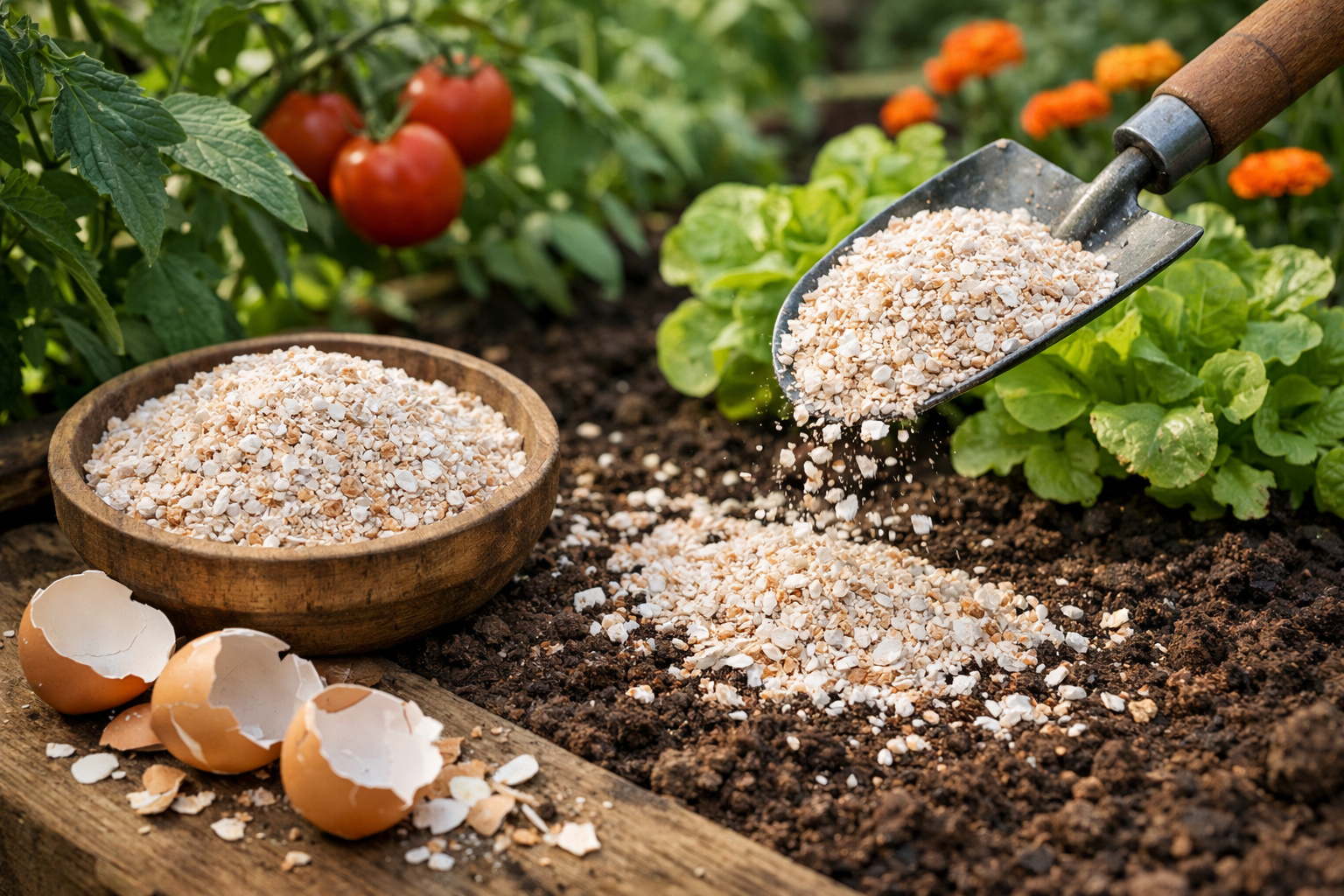
The eggshell that almost everyone throws away is made up of about 95% calcium carbonate and can help enrich the soil when crushed, slowly releasing nutrients and being reused in home gardens and vegetable patches.
-
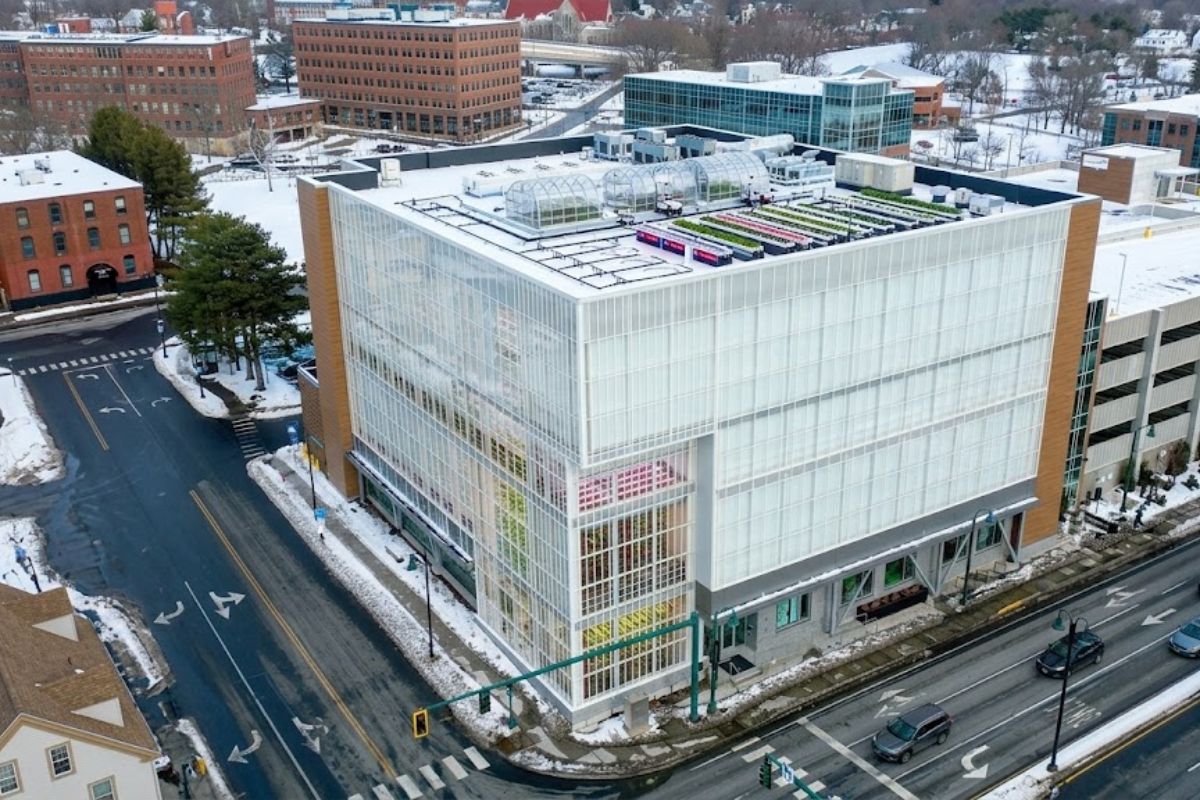
This farm in the United States does not use sunlight, does not use soil, and produces 500 times more food per square meter than traditional agriculture: the secret lies in 42,000 LEDs, hydroponics, and a system that recycles even the heat from the lamps.
-
The water that almost everyone throws away after cooking potatoes carries nutrients released during the preparation and can be reused to help in the development of plants when used correctly at the base of gardens and pots, at no additional cost and without changing the routine.

-
The sea water temperature rose from 28 to 34 degrees in Santa Catarina and killed up to 90% of the oysters: producers who planted over 1 million seeds lost practically everything and say that if it happens again, production is doomed to end.



When we talk about “50 soccer fields per hour,” it’s not just a figure of speech. Considering a standard field of about 7,140 m², the machine reaches dozens of hectares in a single cycle, redefining planting, management, and pest response timelines.
Tank, Flow and Autonomy: The Heart of the Machine
Another point that sustains this productivity is the tank of over 5,000 liters. In spraying, autonomy is everything.
The fewer stops for refueling, the more continuous and efficient the operation. The hydraulic system and high-capacity pumps ensure stable flow, even at high speeds, maintaining the correct dosage of the pesticide throughout the entire bar.
This control is crucial to avoid underdosing (ineffective) or overdosing (environmental risk and high cost). In machines of this size, every mistake multiplies across hectares — and by money.
Autopilot and Centimeter Precision
The Patriot 4350 integrates autopilot with satellite correction (RTK), capable of keeping the machine aligned with precision of a few centimeters. In practice, this means parallel passes without excessive overlap and without gaps.
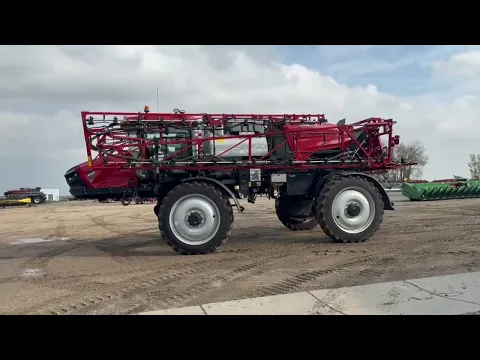
The result is direct savings on inputs, reduced soil compaction, and an application standard that would be impossible to maintain manually for extended periods.
Automation also reduces operator fatigue. During long shifts, the system takes control of direction while the professional monitors critical parameters on digital screens — flow, pressure, speed, application maps, and safety alerts.
Speed with Stability
Spraying quickly does not help if the bar oscillates. That’s why the Patriot 4350 relies on active suspension and automatic height control of the bar, keeping the ideal distance from the ground or crop canopy. This stability allows operation at higher speeds without compromising application quality, which is essential to take advantage of short windows of favorable weather.
In a scenario of irregular rains and intense heat, gaining hours — sometimes minutes — can define the success of a harvest.
The Real Cost of Efficiency
Machines at this level exceed R$ 4 million depending on the configuration. The price is daunting, but large-scale producers analyze the investment under another logic: cost per treated hectare.
When a single machine replaces several smaller operations, reduces work hours, saves inputs, and anticipates decisions, the return can be quick, provided that management is rigorous.
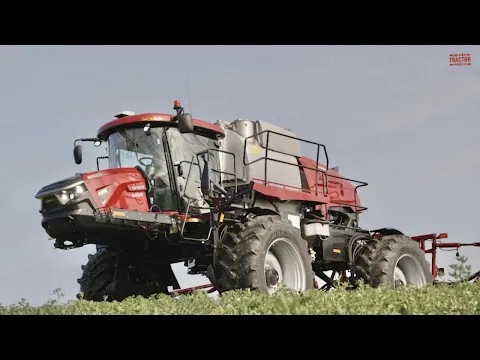
On the other hand, the high cost creates barriers to entry. Small and medium producers tend to access this technology through cooperatives, outsourcing, or service provision, which changes the economic dynamics of the field.
Safety: An Alert Growing Along with the Machine
The same power that accelerates agriculture increases risks. Long bars, substantial mass in motion, and pesticide application require stricter safety protocols. Calibration failures, human error, or external interference can result in product drift, contamination of neighboring areas, and accidents.
There is also the factor of coexisting with people, animals, and rural roads. Equipment of this size demands route planning, exclusion areas, and clear communication with teams in the surroundings. As the fleet grows, so does the need for training and oversight.
Data, Connectivity and Decision-Making
The Patriot 4350 is not just a machine; it is a data node. Connected to digital platforms, it records each pass, volume applied, and operational condition.
This information feeds historical maps that guide future decisions, from dosage adjustments to strategies for integrated pest management.
This connectivity brings clear benefits but raises debates about technological dependence, data ownership, and interoperability between brands. In industrialized agriculture, information has become as valuable an input as seeds and fertilizers.
Environmental Impact: Efficiency versus Responsibility
The promise of technology is to apply only where and when necessary. With prescription maps and section control, the sprayer reduces waste and minimizes impacts.
However, the ability to cover vast areas quickly also means that errors spread rapidly. Environmental responsibility accompanies the machine’s power.
Regulators and producers are working together to balance efficiency and safety, with clearer rules, traceability, and audits based on real application data.
What This Sprayer Represents for the Future of Agriculture
The Case IH Patriot 4350 is a portrait of the agriculture that is consolidating: industrial, connected, and data-driven.
It shortens deadlines, increases scale, and changes the planning logic of crops. At the same time, it exposes challenges such as high costs, operational safety, and data governance — which require maturity from the sector.
In the end, it is not just about spraying faster. It is about operating the field as a system, where every decision has economic, environmental, and social impacts. Machines like this show that the field has already entered the era of open-air industrial operations — and that the debate about its limits is just beginning.










Seja o primeiro a reagir!