





 Portuguese
  English
  Spanish
  2 min of reading
  2 comments


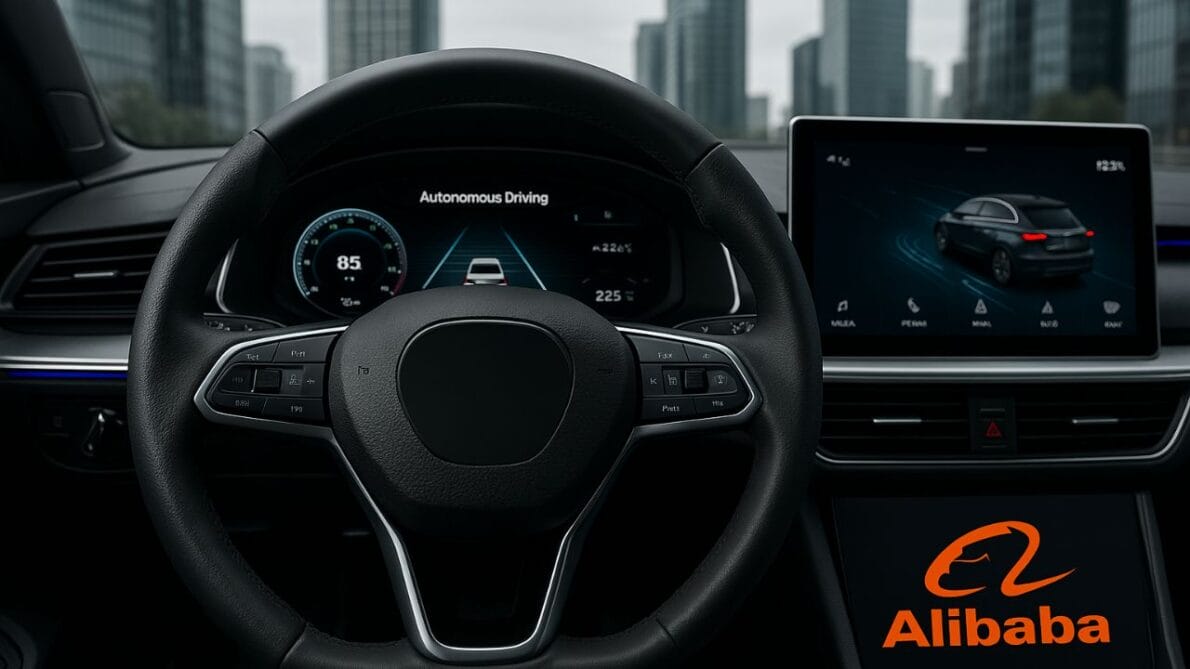

Chinese Giant Aims for the Future of Smart Cars by Expanding Artificial Intelligence Technologies for Premium Brands
Alibaba is making a strategic leap into the automotive sector by heavily investing in artificial intelligence. The Chinese big tech company announced the expansion of its operations through agreements with luxury automakers, solidifying its position as one of the largest forces in vehicle technology in the world.
The Chinese giant Alibaba, globally known for its dominance in e-commerce and cloud services, is strengthening its presence in another strategic sector: automotive. According to information released by the portal O Cafezinho, the company has been establishing partnerships with luxury automakers to integrate artificial intelligence (AI) solutions directly into premium vehicles.
These technologies encompass everything from virtual assistants and smart interfaces to advanced autonomous driving systems. The focus is on transforming the driving experience, making it smoother, safer, and more personalized. Alibaba has been utilizing its AI-specialized subsidiary, Damo Academy, to lead the development of software embedded in smart cars, primarily in the Asian market, with ambitious globalization plans.
-
A French brand placed a car on four huge red balloons to prove that its suspension made the vehicle “float,” and the surreal scene became one of the most iconic and unusual images in automotive history.

-
Jeep Avenger begins production in Brazil, debuting as the brand’s new entry-level SUV and inaugurating an unprecedented phase by becoming the first national Jeep manufactured outside of Goiana, as part of a R$ 3 billion plan.
-
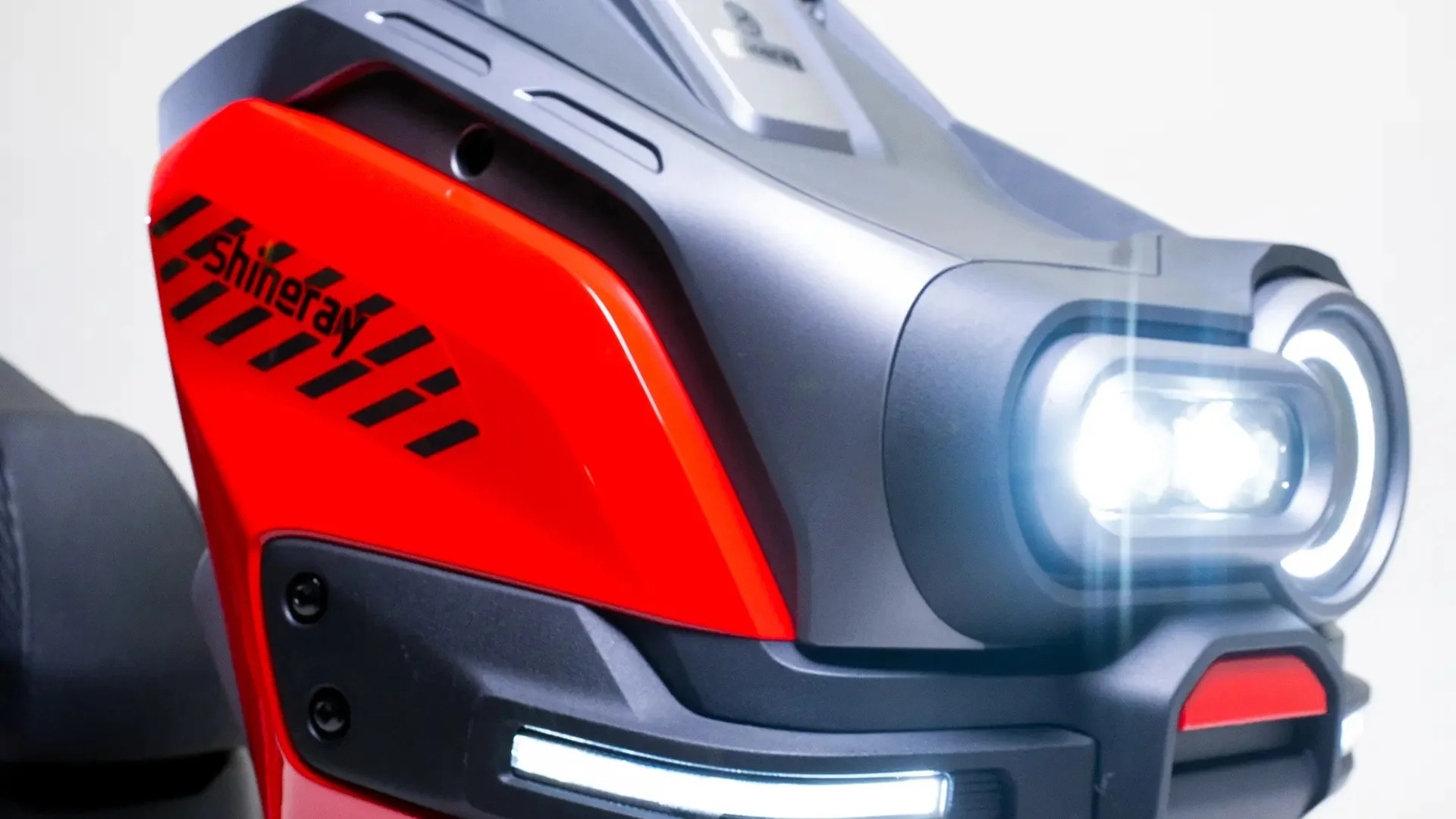
Costing R$ 12,490, the new Shineray Urban Lite 150 “cheap one” arrives in Brazil with a CVT transmission, digital dashboard, and LED lights, making it more affordable than the Biz and targeting those who want to abandon the bus.
-
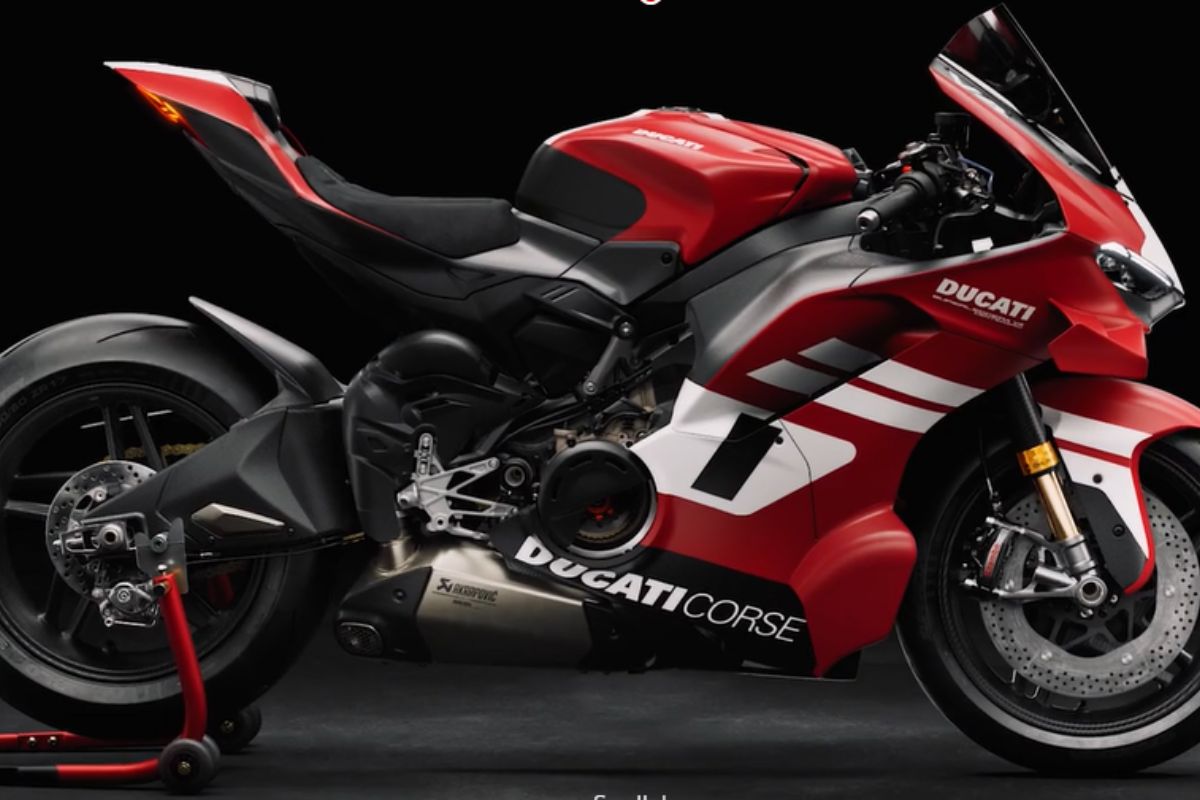
Ducati brings to Brazil the Superleggera V4 Centenario: 228 hp that become 247 with a track kit, carbon fiber and carbon-ceramic brakes, estimated price between R$ 1.5 and 2 million, deliveries only in 2027.

Partnerships with Luxury Automakers Drive Innovation
Among the agreements already signed are those with high-end automotive brands that seek to integrate features such as facial recognition, natural language voice commands, and intelligent driver behavior monitoring. These systems are based on the AliOS platform, operated by Alibaba itself, which has been becoming a reference in connected ecosystems for vehicles.
According to O Cafezinho, the new contracts involve automakers such as BMW, Mercedes-Benz, and local luxury brands from China. Alibaba’s bet is aligned with the global trend of mobility digitization, where embedded technology becomes as valuable as the engine under the hood.
Alibaba Aims to Lead the Digital Transformation in Cars
Alibaba’s movement is seen as part of a larger effort by the Chinese government and local businesses to position the country as a leader in the new era of connected and autonomous mobility. State support for AI research and Industry 4.0 also has boosted the big tech’s ability to innovate at high speed.
Additionally, Alibaba’s presence in various sectors such as fintech, cloud computing, and AI for smart cities allows the company to integrate its services cross-functionally, offering complete solutions for manufacturers and consumers.









Oi
Oi