





 Portuguese
  English
  Spanish
  4 min of reading
  0 comments



Driving With The Tank On Empty Is Not Harmless: The Practice Can Overheat The Fuel Pump, Pull Dirt From The Tank, And Generate A Silent And Expensive Loss.
Driving with the car frequently on empty is a common habit among drivers trying to squeeze every kilometer possible out of the fuel before refueling. At first glance, this behavior seems harmless, as the vehicle continues to function normally. However, behind this seemingly trivial practice, an invisible wear process occurs that directly affects one of the most sensitive and expensive components of the fuel system: the fuel pump.
How The Fuel Pump Works And Why It Depends On A Full Tank
The fuel pump is designed to operate submerged within the tank. The fuel itself serves two vital functions: cooling the electric motor of the pump and lubricating its internal components.
When the fuel tank level is adequate, the pump operates within a stable thermal range, ensuring durability and continuous operation over thousands of kilometers.
-
A French brand placed a car on four huge red balloons to prove that its suspension made the vehicle “float,” and the surreal scene became one of the most iconic and unusual images in automotive history.

-
Jeep Avenger begins production in Brazil, debuting as the brand’s new entry-level SUV and inaugurating an unprecedented phase by becoming the first national Jeep manufactured outside of Goiana, as part of a R$ 3 billion plan.
-
Costing R$ 12,490, the new Shineray Urban Lite 150 “cheap one” arrives in Brazil with a CVT transmission, digital dashboard, and LED lights, making it more affordable than the Biz and targeting those who want to abandon the bus.
-
Ducati brings to Brazil the Superleggera V4 Centenario: 228 hp that become 247 with a track kit, carbon fiber and carbon-ceramic brakes, estimated price between R$ 1.5 and 2 million, deliveries only in 2027.



When the driver constantly drives on empty, this balance is disrupted. The pump starts to operate partially exposed, with less contact with the fuel, which reduces its ability to dissipate heat.
The result is operation at higher temperatures than those planned in the design, accelerating the wear of the electrical windings and internal mechanical components.
Silent Overheating And Drastic Reduction Of Service Life

The overheating of the pump does not cause an immediate failure. It acts progressively, gradually reducing the efficiency of the system.
With each trip made with low fuel, the pump experiences additional thermal stress, shortening its lifespan. In many cases, a pump that could last over 150,000 kilometers ends up failing before halfway through that distance.
This type of damage is silent. It does not trigger a warning light on the dashboard, does not generate immediate error codes, and is rarely noticed by the driver until the component is already compromised.
Impurities From The Bottom Of The Tank Enter Circulation
Another serious problem with driving on empty is related to the quality of the fuel drawn by the pump.
With years of vehicle use, it is normal for microscopic dirt particles, residues from the fuel itself, and even small oxidations to settle at the bottom of the tank. Under normal conditions, these impurities remain relatively stable.

When the fuel level gets too low, the pump starts to draw from this lower region of the tank. This drastically increases the load of contaminants that passes through the pre-filter and the fuel filter, accelerating its clogging and allowing smaller particles to reach the injection system.
Overloaded Filter And Injectors At Risk
With more impurities circulating, the fuel filter operates above its normal capacity. When it cannot retain all the particulate matter, some of this dirt reaches the fuel injectors.
The result can be irregular fuel spraying, loss of combustion efficiency, and intermittent operation failures.
In modern engines, especially those with direct injection, this type of contamination can lead to high costs, as injectors are high-precision and high-value components.
The First Symptoms Are Usually Ignored
The initial signs of fuel pump wear are rarely associated with the habit of driving on empty. Difficulty starting, especially with a warm engine, slight stuttering during harder accelerations, and gradual performance loss tend to be the first alerts.
Many drivers attribute these symptoms to contaminated fuel, worn spark plugs, or ignition failures. Meanwhile, the pump continues to operate under stress until, at some point, it simply stops working.
Failure Is Usually Sudden And The Loss Is High
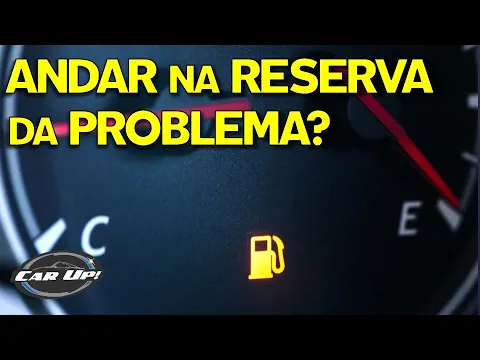
When the fuel pump collapses, the vehicle usually stops functioning without warning. Unlike other components that exhibit clear signs of imminent failure, the pump may simply stop sending fuel to the engine.
The repair cost goes far beyond the part itself. In many vehicles, it is necessary to remove the tank to access the pump, increasing the labor cost. Depending on the model, the loss can easily exceed several thousand reais.
It is no coincidence that manufacturer manuals warn against constantly using the vehicle with a low fuel level.
The system is designed to operate within specific parameters of cooling, lubrication, and filtration. Stepping outside of these conditions causes wear to cease being theoretical and becomes statistically proven in repair shops and dealerships.
Keeping Fuel Above Empty Is A Simple Preventive Measure
Keeping the tank always above the recommended minimum level is not just a matter of convenience, but of mechanical preservation.
By preventing the pump from working exposed and sucking concentrated impurities, the system operates within the conditions for which it was designed, ensuring greater reliability and less risk of costly failures.
This simple care can represent significant savings over the life of the vehicle and avoid one of the most inconvenient breakdowns of the fuel system.










Seja o primeiro a reagir!