





 Portuguese
  English
  Spanish
 5 min of reading
  0 comments



On The Final Day Of COP30, Controversies Over Fossil Fuels Dominate Belém After Fire That Paralyzed Negotiations. Countries Criticize Draft Without References To Oil, Gas, And Coal.
The COP30 has reached its final day shrouded in tension, controversy, and much frustration, especially surrounding oil. While Belém was still accounting for the effects of a fire that evacuated part of the conference structure, another source of crisis — this one political — was taking over the negotiation rooms.
The new draft of the final text released during the early morning by the COP30 Presidency omitted any mention of fossil fuels, including oil, prompting immediate reactions from countries and civil society organizations.
Thus, the conference entered its final stretch under pressure to revise a document that, according to several negotiators, does not reflect the global climate urgency.
-
The rise in oil prices could ensure an extra revenue of R$ 100 billion for the Federal Government, indicates a recent economic study.

-
Naturgy begins an investment of R$ 1.6 million to expand the gas network in Niterói and benefit thousands of new residences and businesses.

-
A major turn in the Justice system suspends tax increases and directly impacts oil and gas companies in Brazil by affecting costs, contracts, and financial planning, leaving uncertain what could happen to the sector if these costs had increased.

-
Brava Energia begins drilling in Papa-Terra and Atlanta and could change the game by reducing costs in oil while increasing production and strengthening competitiveness in the offshore market.
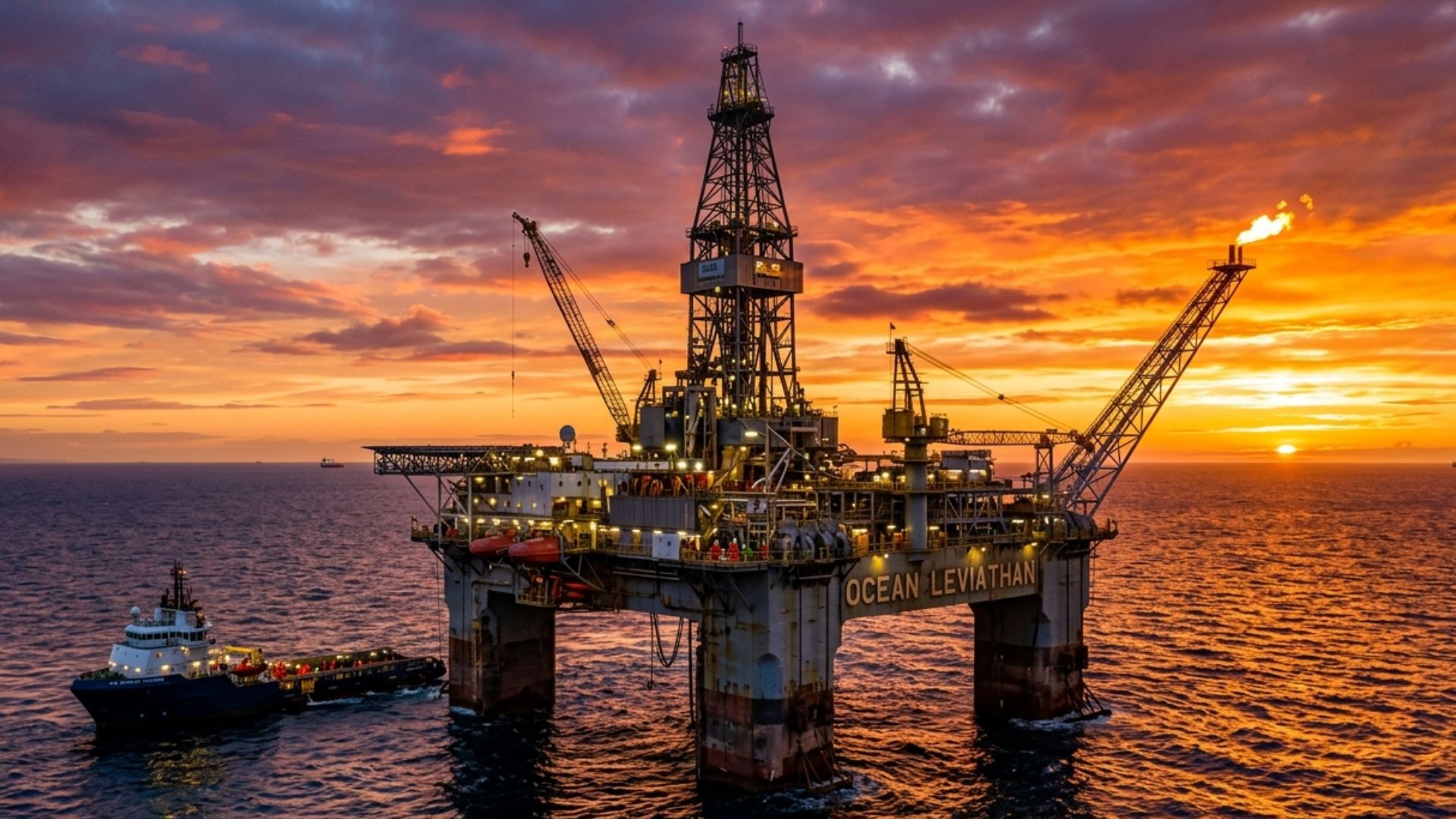

A Real Fire In Belém And Another Political One In The Plenary
Although discussions about oil, energy transition, and climate targets were expected to be the main themes of COP30, the first shock came unexpectedly. A fire hit part of one of the pavilions in Zone Azul on Thursday afternoon (20). The flames lasted only six minutes but were enough to cause panic, intense smoke, and an immediate suspension of negotiations for about five hours.
According to the government of Pará, 21 people were treated, mainly for smoke inhalation and anxiety attacks. The rapid evacuation emptied the venue and interrupted discussions that had already been under significant pressure since the start of the conference.
Only by early evening did the delegations return, extending talks until dawn — a period during which the draft of the final text was made public that would trigger a second crisis.
The Draft That Erased The Debate About Fossil Fuels
Shortly after midnight, the COP30 Presidency, led by Ambassador André Corrêa do Lago, released the new version of the so-called “Belém Task Force.” To the surprise — and indignation — of various countries, the text was issued without any reference to fossil fuels. In other words, terms such as oil, gas, and coal were excluded, as was the previously proposed “roadmap” to guide their gradual elimination.
The document also does not present targets, dates, or concrete actions. It repeats broad commitments such as protecting the Amazon, respecting indigenous peoples, and adhering to science, but lacks mechanisms capable of altering the global emissions curve.
The reaction was immediate. Twenty-nine countries expressed their positions early in the morning, calling for an urgent revision. They argue that the total absence of mention of fossil fuels renders the text incapable of addressing global warming.
Civil society organizations reinforced the criticism. For scientists following the negotiations, the removal of references represents a setback.
“This is a betrayal of science and people, especially the most vulnerable, and is completely inconsistent with the reaffirmed goals of limiting warming to 1.5°C,” stated a group formed by Carlos Nobre, Fatima Denton, Johan Rockström, Marina Hirota, Paulo Artaxo, Piers Forster, and Thelma Krug.
They added: “It is impossible to limit warming to levels that protect people and life without gradually eliminating fossil fuels and ending deforestation.”
Historical Differences Return To The Table: Oil As A Breaking Point
Since the beginning of the conference, diplomats recognized that the issue of fossil fuels could stall negotiations. Countries such as China, India, Saudi Arabia, Nigeria, and Russia rejected any mention of elimination, reduction, or transition in the use of oil or gas. Alternative proposals, such as “progressive reduction,” were also dismissed.
Not even the term adopted at COP28 — transitioning away from fossil fuels — made progress.
The result was a text that many classified as “empty,” “weak,” or “disconnected from scientific reality.”
Countries Reject Draft And Press For Changes
After the document became public, a bloc of 29 countries sent a joint letter rejecting the draft. Among them are France, Germany, the United Kingdom, Spain, the Netherlands, Mexico, Colombia, Chile, and Costa Rica, as well as several small islands highly vulnerable to rising sea levels.
They stated that “they cannot support an outcome that does not include a roadmap for fossil fuels” and called for the Presidency to present a new version. They further classified the current text as a “take-it-or-leave-it” proposal.
NGOs also reacted. 350.org stated that the draft “falls far short of the necessary ambition.” Greenpeace called the text “practically useless,” highlighting that targets for 2035 are below the minimum required.
“There was hope in the initial proposals for roadmaps to end deforestation and fossil fuels, but those roadmaps have disappeared, and we are lost again, groping in the dark as time runs out,” criticized Carolina Pasquali, Executive Director of Greenpeace Brazil.
Internal Tensions Also Emerge In The Brazilian Government
As international debate intensified, disagreements within the Brazilian team came to light. According to a report from Bloomberg, there was fear in the government that insisting on a roadmap involving fossil fuels would create diplomatic impasses — especially considering Brazil’s role as host of COP30.
Still, Colombia decided to raise the stakes by launching the “Belém Declaration for the End of Fossil Fuels,” pressing Brazil and other countries to take a clear stance if the final text did not advance.
The Unusual Presence Of Lula And The Emphatic Defense Of The Roadmap
In the midst of this tense atmosphere, President Lula traveled to Belém on Wednesday (19), a moment considered atypical, as negotiations were still ongoing and the final text had not been presented. His presence aimed to reinforce the importance of the plan to eliminate fossil fuels.
In his speech, Lula stated that COP30 would be “the best of all,” emphasized strong indigenous participation, and stressed that it was necessary to “start thinking about how to live without fossil fuels.”
He also reminded everyone that decisions need to be consensual within the UNFCCC and that rich countries must finance the transition for poorer nations — a point always sensitive in climate negotiations.
While awaiting the speech, journalists were served water by chef Saulo Jennings, who also prepared lunch for the authorities. The unusual gesture garnered comments in the hallways.
International Pressure Grows In The Final Stretch
As the last day progressed, diplomats from Latin American, European countries, and vulnerable regions reinforced that without a minimal reference to fossil fuels, there would be no way to move forward. The absence of terms related to oil became the symbol of the draft’s lack of ambition.
For these groups, without the explicit recognition that the global economy needs to move away from oil, gas, and coal, any political agreement would become merely declaratory.






Seja o primeiro a reagir!