





 Portuguese
  English
  Spanish
  2 min of reading
  0 comments


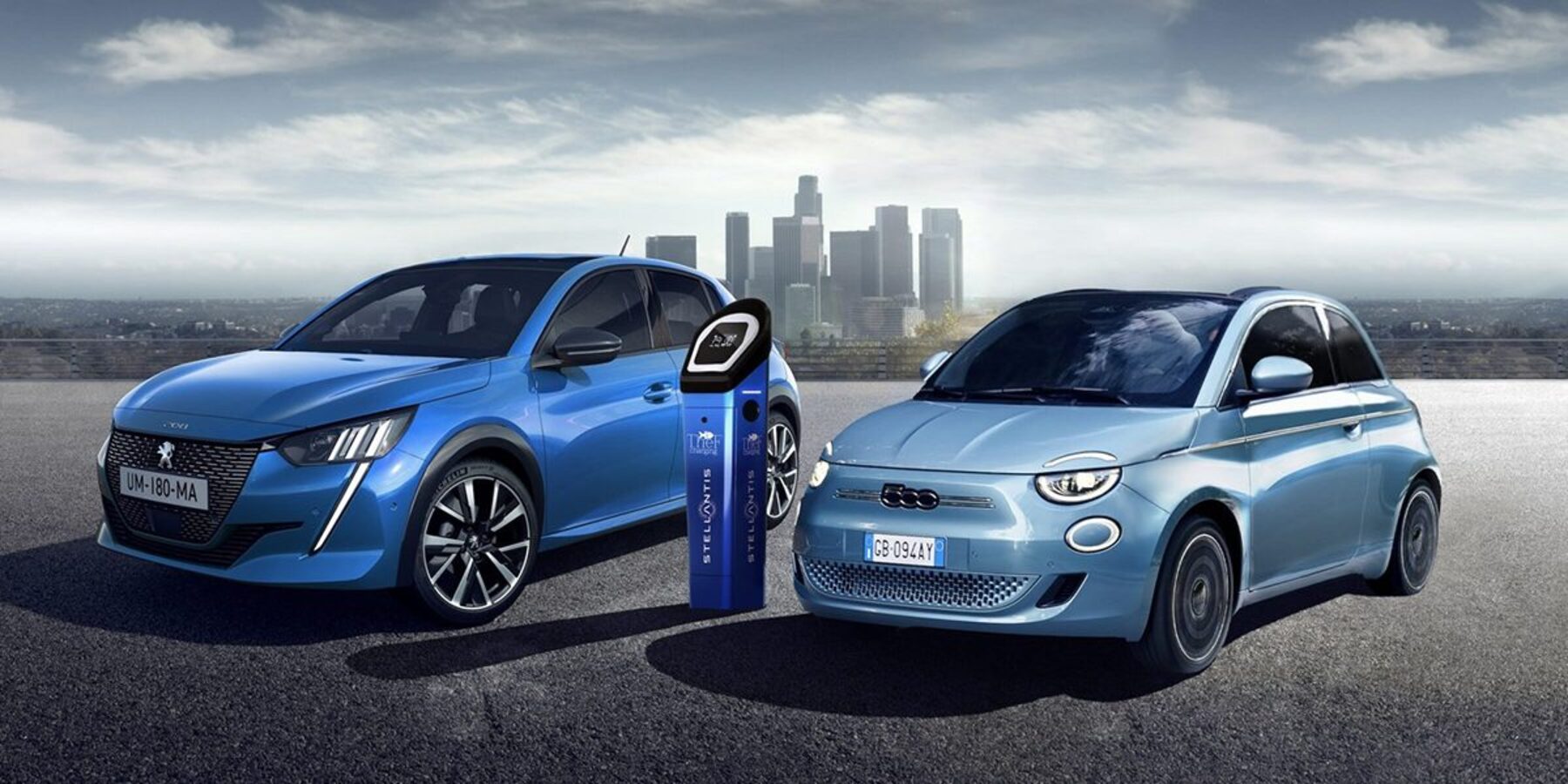
Stellantis Maintains Growth Plans in Brazil for 2025, Bets on Stable Production and Opens Dismantling Center to Reduce Costs and Prices
Stellantis projects an increase in vehicle production in Brazil this year, even in the face of a challenging economic scenario. The vice president for regulatory affairs in South America, João Irineu Medeiros, stated that factors such as high interest rates make the market more complex, but the expectation is for progress.
In 2024, the automaker that includes brands like Jeep, Citroën, and Fiat produced about 900,000 vehicles in the country. According to Medeiros, the trend is that the Brazilian market, which currently absorbs approximately 2.5 million light vehicles per year, will reach 3 million by 2030, according to projections from major consulting firms.
Expectations from Stellantis for the Year
The executive emphasized that, despite caution, the company does not foresee a decrease in production. “We do not anticipate loss or reduction for this year. We do not yet know how much we can grow because we are in the middle of it,” he stated during his participation in the ESG Integrity Yearbook award.
-
A French brand placed a car on four huge red balloons to prove that its suspension made the vehicle “float,” and the surreal scene became one of the most iconic and unusual images in automotive history.

-
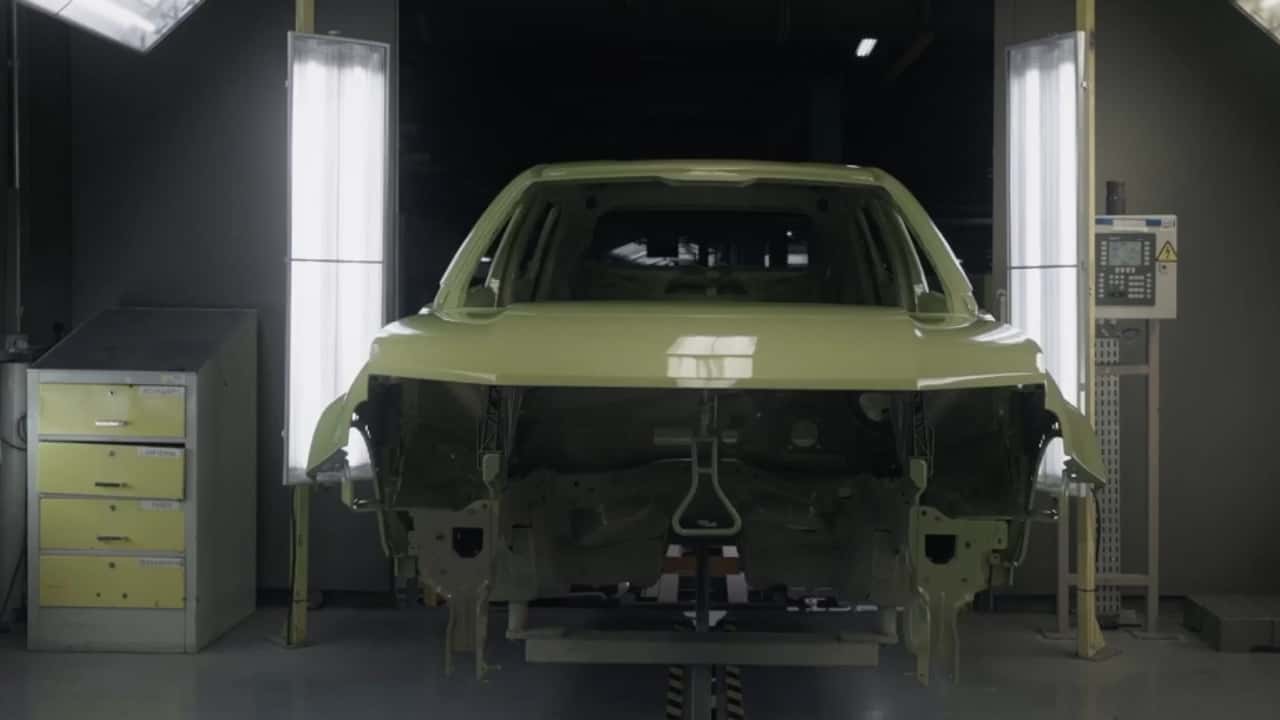
Jeep Avenger begins production in Brazil, debuting as the brand’s new entry-level SUV and inaugurating an unprecedented phase by becoming the first national Jeep manufactured outside of Goiana, as part of a R$ 3 billion plan.
-
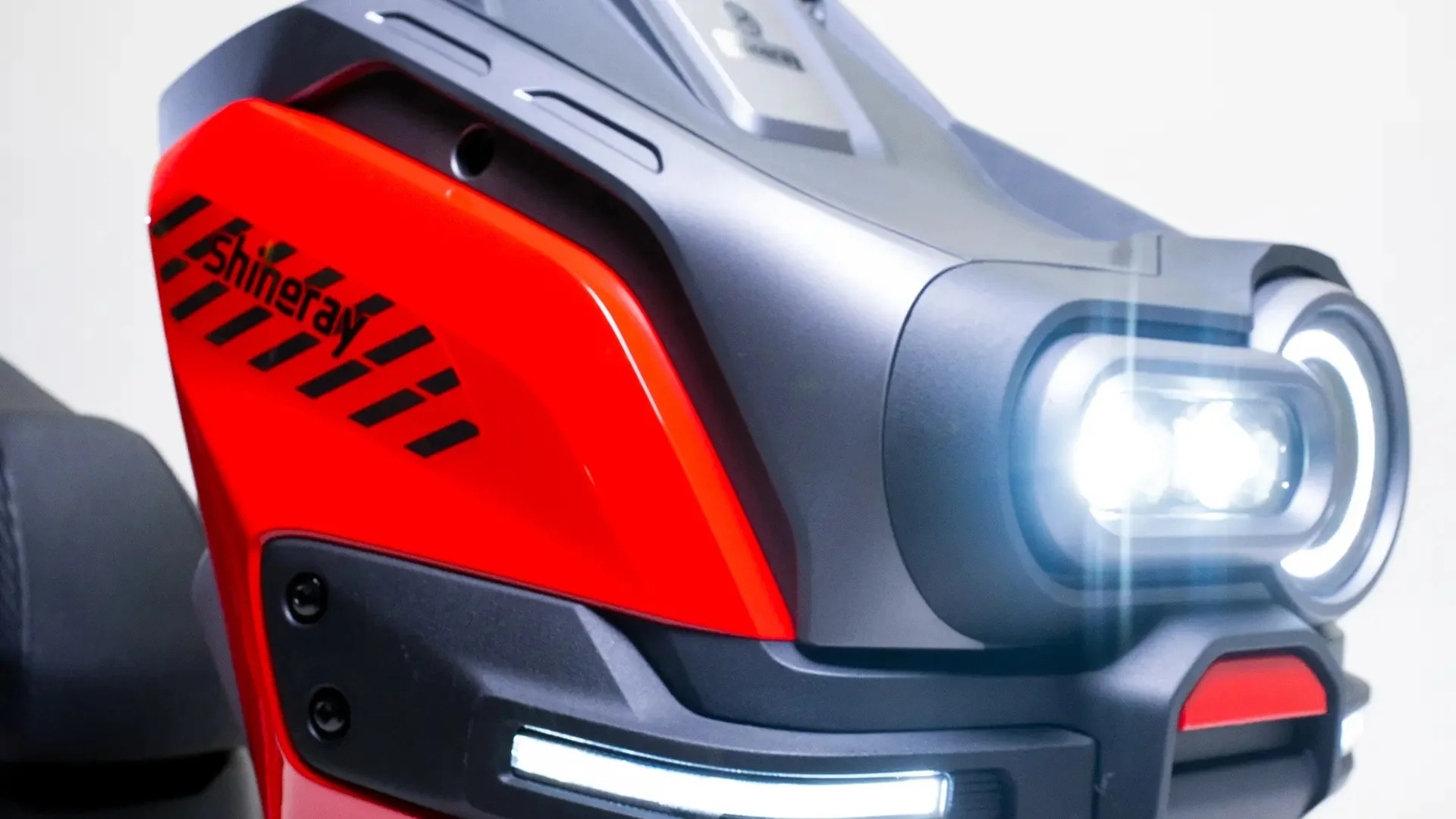
Costing R$ 12,490, the new Shineray Urban Lite 150 “cheap one” arrives in Brazil with a CVT transmission, digital dashboard, and LED lights, making it more affordable than the Biz and targeting those who want to abandon the bus.
-
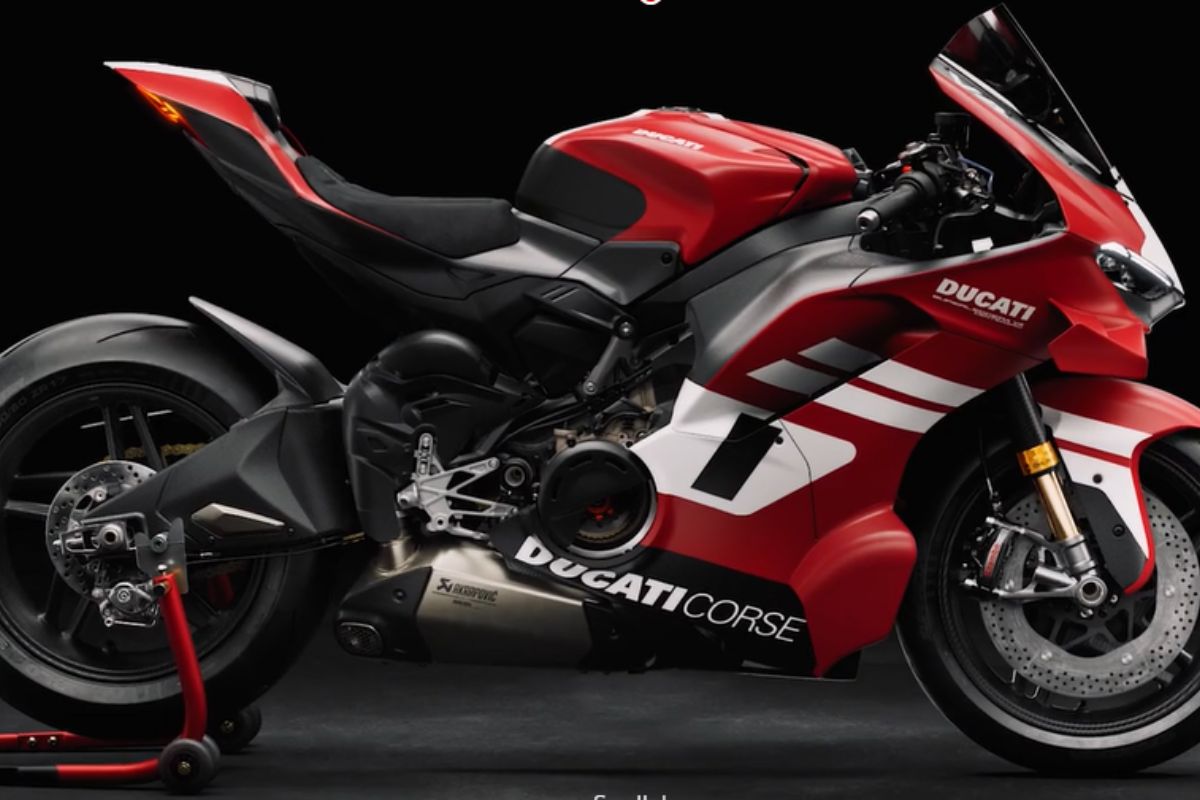
Ducati brings to Brazil the Superleggera V4 Centenario: 228 hp that become 247 with a track kit, carbon fiber and carbon-ceramic brakes, estimated price between R$ 1.5 and 2 million, deliveries only in 2027.

Furthermore, Medeiros highlighted that the group remains optimistic regarding the performance of Brazilian factories, even in the face of challenges faced by the automotive sector.
U.S. Tariff and Limited Impact
Regarding the tariffs imposed by the United States on Brazil, the vice president said that Stellantis will practically not be affected.
This is because national production is primarily aimed at the domestic market, while only a small portion goes to Mexico.
“Our largest market is here. We produce in Brazil and Argentina and export to Latin America; we have no direct impact from this movement,” he explained.
Dismantling Center in Osasco
Another news from the company that owns Fiat was the inauguration of a dismantling center for vehicles in Osasco, in Greater São Paulo.
The space, announced last week, is expected to contribute to reducing Stellantis’ costs. Therefore, the expectation is that this initiative will also help lower the final price of automobiles.
With information from MotorShow.









-

Uma pessoa reagiu a isso.